
insight for executives on the move
april 2025

Could Formula 1 make a Kyalami comeback?
Table of Contents






A star is born
This isn’t one image, but a mosaic of many, combined to form a massive view of NGC 1333, a star-forming cluster around 960 light-years from Earth.
Sitting deep within the Perseus molecular cloud, the cluster had been hidden from view until it was captured by the James Webb Space Telescope (JWST) in August 2024.
Hubble captured an image of the Perseus cloud back in 2023, which, while impressive, didn’t show anything like the detail visible in this one – much of the star-forming activity seen here was obscured by the cloud’s dust.
“JWST behaves like the thermal-imaging cameras used by search-and-rescue teams to see through smoke or dust. Its sensitivity to longer wavelengths of light, together with its superb resolution, allows us to peer into the dusty, star-forming regions so that we can get a better look at individual stars in the process of forming,” says Dr Claire Davies, a physics and astronomy lecturer at the University of Exeter.
The glowing patches of orange gas swirling around the centre are a telltale sign of intense star-forming activity. The swirls form when the material ejected from young stars collides with the surrounding cloud.
Photography: NASA/ESA/CSA
This article appears in Very Interesting #81. Please click here to receive the current VI issue digitally for free!





Bank on it
Seasonal tented camp offers visitors the chance to connect intimately with the Kruger Park landscape
The set-up at Tshokwane River Lodge in the Kruger National Park includes access to the Ripape River’s dry bed, where there is a small raised pool (a boon in the Lowveld heat), around which a number of seats and bonfire platforms are arrayed.
All of this allows for the unbelievable privilege of sitting – outside and in the open – in one of the world’s great wilderness areas, at least until camp staff usher you inside the protection of the stout electrified fence inside which the camp has been laid out (after which all the chairs and umbrellas and so forth are brought inside so as not to be a full-time distraction for the animals trying to get on with their lives).
When heading out for a game drive, there’s a sense of being hidden in a concession somewhere for the early stages, but most of the drive is on the Kruger’s main roads, from which there is still plenty to see, from secretary birds to a huge herd of buffalo, a hyena mother with two pups, a male lion lazing in the centre of the road, and a leopard (seen earlier chewing on a kill in a large tree) that has come down to ground level for a while to fend off marauding scavengers – more hyenas.
Sundowners are enjoyed at Orpen Dam, one of the most peaceful spots in a vast, country-sized reserve with a thousand different viewing stops. Large numbers of bats dip and swirl, joined by an equal number of swallows in their quest for an insect meal.
A walk in the park

Guests enjoy their meal back at camp – a delicious, compact buffet offering – after which there are interactions with other visitors while sitting on giant beanbags before everyone takes cocktails down to the riverbed, where bonfires have been lit. After a relaxing time there, a minor bush walk awaits each guest, with those at the far extremes of the camp needing fully three or four minutes to get to their tents, possibly sharing the path with giant moths, geckos, and frogs.
Another of the fantastic features of these seasonal camps is the opportunity to set out, right from the camp gate, for a guided walk in the surrounding bush. At Tshokwane, with no water in the river, the sandy riverbed provides an easy surface underfoot for the first section. Further along, on the savannah section of the walk, any wildlife encountered is able to see walkers from a long way off. Initially, the animals – antelope, zebra, giraffe, and more – raise their heads in concern until they see how slow and poorly equipped we are to be any kind of danger (the guides have rifles just in case, but they’re never waved around) and go back to eating or loping lazily further away.
Strong and vital, two beautiful nyala bulls meander down the riverbed as we watch from the bank high above. Nearby, a huge kudu skull lies in the grass, stripped by predators but with its long, curling horns not yet reduced to bone, testament to one magnificent creature that lost out to another in the ever-unfolding drama of survival.
We’re back inside the protective boundary of the electric fence, having breakfast, when an enormous lone elephant wanders down the riverbed from the opposite side to where we approached. Everyone is glad to see him. Everyone is glad to have not encountered him on foot.
Aye, there’s the nap

Having greeted a dainty bushbuck while returning to the tent to get changed into a swimming costume, we head to the curious little beach resort that is the pool and sunbeds out in the riverbed. Somehow, the water is freezing – brilliant to pop into to cool down after physical activity, but too close to Camps Bay-style numbness to be casually paddling around. Still, there are other ways to chill, tossing beanbags into holes in a board some distance away and snoozing to a soundtrack of woodpeckers drilling into a leadwood tree somewhere nearby.
If more sleep is needed in the heat of the day, the tent is great, though the structures can get oppressively sweltering unless you open all the doors and windows to allow for some air movement. A tip for both getting you back on your feet and feeling refreshed as you head back to the main area for the evening game drive: order a coffee and then fill the cup with ice. It’ll perk you right up.
Taking the long view
As the sun begins to go down, we drive back south and east, seeing 130-plus elephants spread over a small area and watching a hyena cleaning the grill on a braai at the Tshokwane picnic site. A little further on, there is one of those classic Kruger Park dioramas near a dried-up waterhole: elephants, baboons, kudu, and impala spread out in front of the parked safari vehicle.

From the Nkumbe View Site, there is an even better view, a spectacular vista across the plains looking west, giving a sense of the scale of the landscape. Klipspringers pose on the rocks nearby, and a troupe of dwarf mongooses play on the road before a special sighting – a completely unfazed female leopard, walking along the edge of the tar as we drive back, apparently oblivious to the sounds of cameras and gasps of delight emanating from the vehicle.
Text & Photography | Bruce Dennill
For more information or to book a stay, go to krugeruntamed.com.

Manely in the plain
Magnificent Zambian game reserve is heaven for local lion population
Shielded by palm fringes and termite mounds that make up an excellent hiding place, only a silhouette is visible. Having just woken up, the lioness lifts her head, glances upwards, and rolls over to the other side.
Not quite fully alert, she stretches, yawns, and moves to the edge of the island. Seen through the yellow grass, she is every bit as beautiful as she is fierce. The sun’s rays glisten on her golden eyes, and it is evident that she has seen something of interest. Moving stealthily, except for the rustling of the grass, she is still unseen, but for how long? Her pink nose is an indication that she is rather young, but the lioness is clearly on the prowl. Does she lack the experience? Only time will tell.
Stalking sunsets
This game drive began immediately upon leaving the Busanga airstrip en route to Chisa Busanga Camp. Guide Harry and spotter (similar to a tracker, but a trainee guide seated next to the guide) Bobby both talk about the geography of the region, the wildlife that inhabit it, and, of course, the lions that have made this untrodden part of Zambia’s Kafue National Park their home.
Veering off in a westerly direction, Harry picks up his binoculars and becomes silent for a moment. He suddenly announces: “Look! Lions – over there!” gesturing to a section beyond my periphery. Blinking twice to spot where he is pointing to, the shape of the palm-dotted island comes into view. There she is! In the distance, a herd of puku is oblivious to her presence. The cat slowly puts one foot in front of the other while at the same time flattening herself to stay obscured from a possible takedown.
Her mouth is slightly open, and she’s panting audibly due to an increase in adrenaline. Engaged in full stalk mode, she is so close to the game drive vehicle, it’s easy to notice that her tawny coat is shiny, and there are a few pronounced spots left under her eyes from when she was a cub. Her left ear has two notches in it. This stunning lioness is from the main pride of Busanga Plains. Her lithe frame is testament to her hunting prowess, but just as she reaches level ground, a sharp whistle escapes the puku’s lips, sending them all scattering in different directions. Now that her cover is blown, she decides to have a catnap with her siblings and indulge in a spirited roll-around. The vehicle stays with the pride of seven as the sun sinks below the horizon, casting picturesque hues of pinks and oranges. The privilege of spending time with these incredible big cats should never be underestimated.
Nesting instincts
The ingenious design of Chisa Busanga Camp’s four ‘bird’s nests’ villas pays homage to the incessantly busy weavers that live around the lodge. With only four of these architectural marvels, the feeling of exclusivity is keenly felt when navigating the steps up to the front door.
Views over the Busanga Plains are breathtaking from the bedrooms, and don’t be surprised if you encounter wildlife on your doorstep. A loud rustling in the leaves calls for closer inspection. Will it go away? Is it perhaps an adorable puku, a gorgeous red lechwe, or even better – a very shy oribi that is merely passing through? Walking to the front of the nest, it seems as though it’s coming from the right-hand side and, being 4m up in the treetops, the decision to open the front door and peer down to what’s making the sound is not taken lightly. It’s a hippo! Out of the muddy water in the middle of the day, he looks like he’s having a nap, but he is in fact grazing close to nest number four. As I retreat back to the safety of the room, he seems to hear my gasp, as he looks up with his red eyes and dashes away into the foliage. The jury is still out on who got the bigger fright! A Google search for “Can hippos climb stairs?” yields a scary ”Yes, they can”!
Wildlife aplenty makes its way to the watering hole in front of the lodge, from herds of wildebeest to families of warthog and the two hippos that live there. The main area is where all meals are enjoyed, and guests dine together while head chef Morgan cooks delicious brunch or dinner in the interactive kitchen a few metres away. Under an imposing sausage tree, early morning conversations are the best start to the day, with a crackling campfire in the middle where the chef is preparing the day’s choice of porridge.
Home on the range
The lion dynamics at Busanga Plains are fascinating. “Each pride needs their home range and, in spite of the abundance of food, it’s important to note that smaller prides are usually more successful, since a hunt will sustain a family of five for a lot longer than 15 lions feeding on one puku,” Harry explains during our morning coffee stop under ‘1 Fig’, a huge and iconic fig tree that often sees Yaya’s cubs climbing the tree branches while their mom is on the ground watching over them. “With the wealth of plains game, the lions don’t have to cover big distances in order to find food, making Busanga Plains an incredible place for lion sightings.”
As if on cue, Princess appears during our game drive, along with sub-adults and cubs of different ages. The two young cubs are playful, much to the annoyance of the older male siblings, whose father is undoubtedly Mohawk, so named because he sports the tiniest little ‘buzz cut’. With a bit of water in the channel, one of the cubs carefully leans in for a drink, casting a reflection and making everyone go “Ah, what a cutie”.
Text & Photography | Heléne Ramackers
For more information or to book a stay, go to greensafaris.com.
Heléne Ramackers’ flights between Cape Town and Lusaka on Airlink were sponsored by Audley Travel. For more information, go to audleytravel.com.



Wide open spaces
A road trip around Namibia delivers adventure, wildlife interactions and epic landscapes
It was shortly before midnight, and we were snoozing happily in our roof-mounted tent after a steak on the braai and a beer or two when there was suddenly a metallic bang close outside, bringing me straight out of my slumber while Mia slept on unperturbed.
My initial reaction was that a hyena must have raided the dustbin that came with each of the excellent campsite pitches at Waterberg Wilderness. So, grabbing a torch, I opened up the tent door a little to see who our uninvited guest might be. There, munching on the bone from one of the steaks that he had liberated from the dustbin, was the scrumhalf of the animal world – the infamous honey badger. In over a decade of exploring Africa, I had never seen one in the flesh, and here he was, nonchalantly treating all onlookers with utter disdain. I cautiously climbed down and spent about half an hour trying to get some decent images of him, armed with a torch and an iPhone, gradually getting closer until the animal mentioned, in very comprehensible honey badger language, that I should give him some space. So, I went back to bed – only to be woken again about an hour later to find a porcupine climbing out of the dustbin, which he had knocked over in order to get access. Enough was enough. I sent him on his way, keeping well clear of his quills, before weighing down the dustbin lid with rocks.
Various friends had returned from road trips in Namibia with eyes glowing as they recalled stories of adventure in a true African wilderness, and I had become increasingly envious. Finally, the opportunity arose with Mia, my now 13-year-old daughter, keen to join me on a week-long, self-driving road trip to see if the reality would live up to the hype. As I began the logistics, it became clear that a lot of the self-drive companies were already fully booked, so it was decided, much to my wife’s bemusement, that I was going to contradict my usual casual approach to travel and plan this one in minute detail. Days of plotting routes and booking campsites ensued, and by the time we departed, we were as ready as we could be.
Distance driving
Windhoek’s Hoseah Kutako International Airport is a little like George Airport – compact and swift to get through, with a couple of cafés making it a pleasant place to wait for arrivals. We were met after clearing customs by someone from the 4×4 rental company, who took us through the requisite paperwork and offered a detailed and necessary guide to the practicalities of the vehicle, including the rooftop tent that was to be home.
Namibia is approximately three times the size of South Africa with only about 4% of the population, which means it’s a country of vast openness and frequently uninhabited places and spaces. The roads are pristine and largely devoid of traffic, which makes driving a real pleasure. There are one or two unusual rules, though, which we found out when fined R500 for not having the correct lights on in the daytime – exacerbated by an 80 km round trip to pay the fine. Moral of the story? Put your lights on when starting your vehicle. The detour was worth it. Camping at the Waterberg Plateau, despite our nocturnal visitors, was fantastic, with a cooling swimming pool, immaculate ablutions, and some interesting scenic walks – including one taking us around key elements of the Battle of Waterberg, where the German colonists and the Herero tribe of Namibia fought for their independence.
Our second night, after about four hours of driving, mostly on the slower but still excellent gravel roads, brought us to Twyfelfontein, set in the Damaraland Desert. The difference in temperature from Waterberg was stark. With a lack of recent rain, it was dry as a bone, but nonetheless, we were fascinated to visit the living museum of the Damaraland and learn how the Damara people have lived and flourished in this hostile environment, knowing the benefits and dangers of every creature, tree, bush, and shrub. We were a little less lucky with our campsite this night. The one we had hoped to book was already fully booked, and with time against us, we unfortunately didn’t have time to visit the other major attractions, such as the petrified forest or ‘organ pipes’ this time.
Sand and sea
It was now time to head into the Skeleton Coast National Park. Crossing through the park is free of charge. This stretch was a long drive, and even after turning left as we drew near to the coast, it was some time before we finally found ourselves hugging the wild Atlantic Ocean. The area is named for the bones of whales and seals but has also become synonymous with the skeletons of ships, though only some of these are accessible in order to protect the delicate environment. We stopped a few times, once to check out the oil rig that was deserted in the 1970s and at a couple of the shipwrecks that are in contrasting states of repair but definitely worth a look at if time allows, if only to imagine how intimidating it must have been to be washed up in such a desolate place. By one wreck, we found tracks that were definitely indicative of a recent predator passing, which we subsequently established was the reclusive brown hyena.
After a long drive, we arrived in the seaside town of Swakopmund, enveloped in a mist reminiscent of English seaside towns, particularly with its wooden pier jutting out into the ocean. Dinner was at the Brewer and Bistro, which does a good steak as day turns into night. Our first and only full day in Swakopmund was a day of exploration and adventure. Desert Explorers took us out into Dorob National Park to learn about its inhabitants. Realising how many venomous Peringuey’s adders were concealed just below the sand around us was a sobering reality, but the almost translucent web-toed gecko was considerably less alarming.
Arguably the highlight of the entire trip was the two hours of zooming up and down the sand dunes on quad bikes. As we built up our confidence, our guide took us to ever more challenging heights, culminating in a picture-postcard pause on the sand dunes above the Atlantic breaking on the beach.
Not far behind, though, was the following morning with an 8 a.m. meeting at the quaint waterfront area in Walvis Bay. After a short but informative drive with engaging Pelican Point Kayaking guide Schalk, we arrived near the lighthouse and transferred into stable double kayaks, launching into the Atlantic, where we drifted between seals, which appeared to be flying from the water adjacent to the craft. It soon became part of the fun, interspersed with their occasional nibbles on the paddles.
Dune and dusted
After a stunning drive through a visually absorbing landscape, we arrived at the Sesriem campsite, ready for our ascent of the Big Daddy dune the next day. It is still a 60 km drive to the car park, including an off-road sand section, but after parking in the designated area, we completely missed the track that would have led us off to the dune ascent and instead decided to cross the preserved Deadvlei salt pan to ascend what appeared to be a path on the far side and climb there. We had a sheer climb up the sand, which I found far more challenging than Mia did – she scooted up like a desert goat. After rolling and running down again, it was time to head back to Windhoek, stopping at the quirky Solitaire for a coffee and a nibble before the long drive.
Text & Photography | Simon Marsh
For more information, go to pelican-point-kayaking.com.




Hanging out with a funghi
There are many good reasons to introduce mushrooms into more of your meal plans.
We all need to eat – to sustain life and for the pure enjoyment of it. A delicious meal can reset your thinking as well as give you energy. And mushrooms have a lot to offer in these respects. While mushrooms are technically fungi rather than vegetables, they hold the same eating and nutrition benefits as plants.
A study by the University of Kent and the University of Reading found that uplifting your health by eating good-for-you mushrooms, fresh vegetables and fruit, and taking part in regular exercise can indeed make you a happier and healthier person.
Now we all know what foods we should eat for optimal health and mood, but we simply don’t do it. Mushrooms offer an amazing quick fix to this conundrum because they’re not only easily accessible and budget-friendly but amazingly versatile, being easy to add to other meals.
Feel like pizza? Choose sliced mushrooms as a topping. A braai with friends? Marinate and chargrill big brown mushrooms in place of some of the meat you’d ordinarily serve. Making a stir-fry, pasta dish or stew? Throw in fresh mushrooms. It’s no extra effort but always a positive choice.
Often when we want to feel better, we reach for the sweets and cakes, but nutrient-dense foods like mushrooms will actually do more for your long-term mindset.
D-lighted
Fresh mushrooms were lauded in a recent CNET article titled “8 Foods That’ll Make You Happy, According to Science”. The reason? Vitamin D. “Mushrooms are packed with vitamin D, which has been linked to antidepressant qualities and may boost your mood,” states the article. “If you’re vegan or vegetarian, you’re in luck, since mushrooms are the only non-animal-derived food source with a substantial amount of vitamin D that’s bioavailable (the body can easily absorb it). To get the most vitamin D benefit from mushrooms, expose them to sunlight for a few hours before cooking.”
A study published in 2022 in The National Library of Medicine concluded that “vitamin B6 actively helps in relieving symptoms that accompany depression and anxiety, making it an important supplement to be added to our daily lives.” And fresh mushrooms are a good source of B6.
Mushrooms deliver a significant amount of the antioxidant selenium, which has long been associated with brain health, with studies mentioning benefits that range from lowering inflammation in brain cells to dementia support. According to WebMD, “research shows selenium’s antioxidant properties fight cell damage that may worsen brain and nervous system diseases like Parkinson’s, Alzheimer’s and multiple sclerosis.”
Happy food
A 2021 study at Penn State College of Medicine that looked at mushroom consumption and individuals’ mental health—using data from more than 24,000 US adults between 2005 and 2016, collected from that country’s National Health and Nutrition Examination Survey—reported a connection between individuals eating moderate-to-high levels of mushrooms and depression. “Higher mushroom intake gave participants lower odds of experiencing depression or depression symptoms, compared to those who ate a low amount of or no mushrooms,” noted the authors. The lead researcher, Djibril Ba, then went on to say, “Mushrooms are the highest dietary source of ergothioneine, an amino acid that works as an anti-inflammatory agent. Inflammation has been linked to depression, anxiety and other mood disorders, so this inflammation-fighting nutrient may help combat these common mental health woes.”
Mushroom-loaded nachos with homemade queso
Serves eight
Ingredients
For the queso (cheese sauce):
- 2 tbsp butter
- 1 small onion, finely diced
- 3 garlic cloves, grated
- 2 tsp ground cumin
- ½ tsp cayenne pepper
- 2 cups full cream milk
- 1 tbsp cornstarch
- 300g cheddar cheese, finely grated
- Salt, to taste
For the nachos:
- 1 onion, finely diced
- Olive oil
- 2 garlic cloves, grated
- 1 tbsp Mexican spice mix or taco seasoning
- 500g mixed mushrooms, sliced (baby button, portabellini and white button)
- 1 x 400g tin crushed Italian tomatoes
- 1 x 400g tin black beans, drained and rinsed
- 2 chicken breasts, cooked and shredded
- 500g corn tortilla chips
- Salt and pepper, to taste
Optional nacho sides for serving:
Guacamole, sour cream, tomato and onion salsa, fresh coriander, and grilled corn.
Method: The queso
- Heat the butter in a medium saucepan over medium heat. Add onion and garlic. Cook, stirring occasionally, until onions are tender but do not brown. Add cumin and cayenne pepper and cook until fragrant.
- Stir in all but a quarter cup of the milk and bring to a bare simmer.
- With the remaining milk, whisk in the cornstarch until smooth.
- Add the cornstarch slurry to the pot and whisk it through. While simmering, continue to whisk and cook the cornstarch into the mixture for two minutes until thickened and the mixture coats the back of a spoon.
- Turn off the heat and switch to a spatula.
- Adding a handful at a time, sprinkle in the cheddar and stir until it is fully dissolved. Do not add too much at a time. If you need to increase the heat, switch the burner on to the lowest setting to help the melting along. Continue adding the cheese until it has all melted.
- Cover the queso with a lid while preparing the rest of the nachos.
The nachos:
- In a large sauté pan, cook the onion in a drizzle of olive oil until tender. Add the garlic and Mexican spice and cook until fragrant. Add the mixed mushrooms and cook until they are just tender and going golden brown. Pour in the tin of chopped tomatoes and bring to a simmer. Add in the drained beans and stir. Add in the shredded chicken and allow everything to cook together for a few minutes for the flavours to develop and the tomato base to thicken.
- Arrange a few tortilla chips on a platter or tray.
- Reheat queso gently.
- Layer mushroom mixture, tortilla chips and queso so that with every bite you get a little bit of everything.
- Keep leftover queso in the pot to stay warm and gooey for extra dipping.
Text & photography | The South African Mushroom Farmers’ Association
For more information, go to mushroominfo.co.za.


Pinotage turns 100!
As pinotage prepares to celebrate its 100th birthday in October 2025, South Africa’s very own grape has a colourful century to look back upon.
From its fortuitous origins and near disappearance a few years later to incurring the disdain of American wine critics and searching for a sense of identity, the pinotage journey hasn’t always been easy. But, as the big milestone looms, there is more than just the centenary to raise a glass to.
At the back end of 1924, a Stellenbosch professor named Abraham Perold brought together two existing grapes: pinot noir, renowned for its softness and elegance, and cinsault, also a lighter, gentler grape, but with a certain robustness. In 1925, the first seeds of the professor’s experiment were planted, hoping to produce the best of both parent grapes. With cinsault more commonly known as hermitage at the time, the combination with pinot noir led to the name ‘pinotage’ and South Africa’s own grape was born.
It was lucky to survive, however. The modest planting took place in Perold’s garden and, when he moved home three years later, the experimental crop was left behind and only survived because Dr Charlie Niehaus, a young Stellenbosch academic, rescued the seedlings and replanted them.
But it would take a further 16 years until CT de Waal made the first pinotage in 1941 – sadly the year that Professor Abraham Perold died, denying him the chance to ever see the grape he created come to bottle.
Growing legacy
Had Perold lived to sample the wine, he may well have been a little surprised. Given its parents were two of the lighter, softer red varietals, the offspring is usually at odds with its lineage: a strong, robust, heftier red that often bears little resemblance to pinot noir or cinsault. But that difference didn’t hold it back. In the 1950s, pinotage started winning local awards and then international ones – and, by 1987, the modern godfather of pinotage, Beyers Truter, was named South African Winemaker of the Year for his Kanonkop masterpieces, following up with International Winemaker of the Year just four years later.
Acclaim was not universal, however. American wine critics in particular proved hard to win over, with one particularly acerbic writer ascribing flavours of burnt tyre and banana peel to the wine. Terms like ‘acquired taste’ and ‘not for everyone’ found their way into reviews, and more established grapes like cabernet sauvignon and shiraz found favour with both producers and consumers. But just as South Africans are resilient people, so their own grape pushed on, backed by gifted winemakers like Truter, Danie Steytler, Abrie Beeslaar and many others who believed in the fruit of Perold’s legacy.
That legacy marks 100 years with pinotage in exciting territory. The breadth of style is considerable, with many newer examples paying tribute to the characteristics of pinot noir and cinsault. Marquee wines like Beyerskloof’s Diesel and Kanonkop’s Black Label command eye-catching prices, and the scorn of foreign critics is mostly a distant memory. The annual Absa Top 10 Pinotage has become a showcase of not only great pinotage, but great wine – 100 years on from that maiden planting, Professor Perold would have every reason to be proud.
Text | Dan Nicholl
Photography | Magdalena Paluchowska
Dan Nicholl is the founder and host of Dan Really Likes Wine. Dan is a former PICA Magazine Columnist of the Year and has worked on television and radio and in print and online journalism.

Dutch Courage
 Revered photographer finds a fascinating premise for imposing new book
Coffee table books are massively expensive to publish and tough to market because of their price and size. So you’ve put out Going Dutch, an absolutely enormous tome with a chunky price tag – why this choice and this theme?
Obie Oberholzer My Dutch publisher and I get along. We’re both a bit funny – maybe this was in my favour. The limitations of our market didn’t come into it for him, so he did it for love. And the money comes back to me and just about pays for petrol.
[RMB founders] GT Ferreira and Paul Harris were varsity mates of mine and have always showed an interest in my work – I actually started doing books like this because GT asked me to. He thought it was a good idea.
As for the theme, if you’re travelling in Africa, your best companion is a sense of humour. Some of the towns I visited here make you shake your head. Comparing them to their mother cities is unavoidable – and that’s the spine of the book. It’s all to do with respecting the past. So much has been lost in these towns. For instance, why is Dordrecht there? It’s only a church now, but it was more before. We don’t want these towns to go to waste.
You’ve gone with a big, bold font in this book, where in the past you’ve used your handwriting for the text. Do you think there’s a difference in how the stories come across as a result?
No. When I started to type, I realised I have a little bit more to say. I have nice handwriting, but it’s more difficult to read. Even if I just did the captions like that now, I realise that people don’t read them like that anymore.
For me, it’s about the humour, the happy-sad and the not obvious. And this format, with the bold type and the colours used, makes the text difficult to not read.
History taught versus history learnt via travel and experience: how much are educators or travellers missing the point from your point of view?
I adore any means of travelling – and travellers. As soon as you go over horizons, there are new things to learn. There needs to be more indulgence in the places you visit, in what happens there and in its people. Why is that place there? Has it changed over the years and decades? Have you changed since you were last there?
With this theme – lucky me – I got to go to beautiful places in Holland. And while there, I found stories. I went into a dress shop. The mannequin was white; the cashier was Nigerian. So we chatted and I was able to get some detail. I went into a church and the minister showed me a huge bullet hole that was out of sight for the general visitor; a reminder of a battle back in history sometime. In moments like that, I take notes for my captions.
You developed your own, distinctive storytelling style many years ago, and that, in part, determines the format and themes of your books. What do you feel is the best way to read or appreciate a book like Going Dutch?
I lived in Germany for a while. A picture editor there told me about the importance of intrigue – creating something that people won’t just page past; something that forces you to read the caption and which might take you deeper into the text.
To enjoy the book, think about it like this. You don’t look at an artwork in pieces. If you just flip through the book, you’ll only get about 40% of what’s going on. On these research trips, I have incredibly limited time. I can’t cover a whole city, so I find specifics to give readers an idea of the place. Our visual education is very low in most ways, but we still see with our minds.
You had the idea for this book over a decade ago. How did it develop or influence your itineraries or cultural processing in that time frame?
It partly grew through travel for magazine assignments and working for a picture agency in Germany. I did a story on Haarlem – the South African version – which is just across the mountains from Nature’s Valley, where I live. Then I did one on Dordrecht, which gave me the ideas to compare the cities. My Dutch publisher thought it was a great idea. He said, “Come and do the Netherlands first.”
I write like I photograph – it’s haphazard. My wife, Lynn, does corrections. I don’t know grammar, but I can link the photographs and the stories.
With social media meaning that everyone sees so many more photos than they used to, are you influenced to consider techniques or options you haven’t before?
I just do what I’m good at. Photography has in some ways come to an end. You can just add or take away stuff now. I think photographs should look like photographs – like what’s there. I use Photoshop to clean up or enhance contrast, but that’s all.
When I look at a scene, I can see the end result. When I walk around, anywhere, I’m conjuring up images.
You’re a details guy. The small stuff is as important as (or more important than) the subject of the picture. What role does light play in determining what catches your eye – reflections, halos, starbursts – even before you lift the camera?
Light is the governing factor. I’m going from 3D to 2D. If the subject needs enhancement, light is the best way to do that. When I’m packing for a trip, I have a range of torches that I take with me. I don’t take pics so much as make pics. Where I can, I like to take my time. Painters start with something blank and add to it. Photographers start with everything and take away from what’s there – isolate for impact.
Text | Bruce Dennill
Photography | Obie Oberholzer
For more information, go to obieoberholzer.net.


Championing the healthiest nut for food lovers
Macadamias South Africa (SAMAC) is making waves in the culinary world by partnering with the Chaîne des Rôtisseurs Young Chefs Competition, showcasing macadamias as the ultimate ingredient for chefs and food lovers. Lizel Pretorius, CEO of Macadamias South Africa NPC, highlights macadamias as a premium, nutrient-dense ingredient with a rich, buttery texture and health benefits, making them perfect for elevating any culinary experience.
“As the world’s largest producer of macadamias, South Africa continues to meet the growing global demand,” says Pretorius.
Chefs are now preparing for the May finals. The winner will travel to France to work with top chefs, introducing macadamias to a global culinary audience.
“Unlike other nuts, macadamias are a powerhouse packed with heart-healthy fats, essential minerals and antioxidants. Low in carbs, sugar-free and energy-boosting, they’re ideal for health-conscious individuals,” says Pretorius.
Chefs can explore macadamia milk, macadamia butter and macadamia nut cream for enriching soups and sauces. “Macadamia oil is a premium choice for cooking, with a high smoke point of approximately 210°C. It enhances dishes with a delicate, nutty flavour while providing a luxurious and health-conscious alternative to traditional cooking oils,” Pretorius adds. “It’s an ideal ingredient in macarons or tarts.”
Macadamias are the healthiest nuts on the block, and studies show they even surpass avocados when it comes to nutritional benefits.
Springbok tataki
Ingredients
- 200g springbok loin, seasoned and rolled up
- 1 tsp grain mustard
- 1 tsp chopped parsley
- 1 tbsp macadamia oil
- 1 spring onion, chopped
- 70g shimeji mushrooms
- 1 tbsp extra virgin macadamia oil
- 1 tbsp balsamic vinegar
- 1 lime, zested
- Parmesan, shavings for garnish
- 20g Cajun roasted macadamias, chopped
- 50g wild rocket
- ¼ fresh avocado, cut in blocks
- ½ grilled sweetcorn
- 50ml kewpie mayo
- 1 tsp chakalaka
For the Dressing
- 1 tsp Dijon mustard
- 2 tbsp red wine vinegar
- 1 lime, juiced
- Sea salt and freshly ground black pepper
Method
- Marinate springbok loin in mustard, salt, pepper and parsley. Wrap, rest for 30 min, then sear briefly. Pickle shimeji mushrooms in macadamia oil, balsamic and lime zest.
- Slice loin carpaccio-style and layer with mushrooms, corn, macadamias, avocado and rocket.
- Mix dressing ingredients, drizzle over and garnish with chakalaka mayo, lime zest and parmesan. Season to taste.
Special thanks to GT Lundi, Chef and Owner of Zest Restaurant, Nelspruit, and Chaîne des Rôtisseurs member.Text and Photography | Supplied



When’s the Best Time for a Caffeine Hit?
They don’t call it go-juice for nothing. Caffeine is the world’s favourite performance-enhancing drug. And it is a drug, not a nutrient – the most widely taken psychoactive stimulant known to humankind. In South Africa, we knock back nearly 22 million cups of coffee every day.
Besides getting us moving in the morning, it’s known to improve athletic performance, from strength to endurance, as well as cognitive skills like alertness, reading speed and problem-solving.
“There’s a massive list of supposed performance-enhancing substances,” says James Betts, professor of metabolic physiology at the University of Bath. “You can count on one hand those that clearly work, and I would have caffeine at the top of that list because the effects are so potent, so consistent, and because it’s absorbed by just about every tissue in the body.”
Those effects are driven by quite varied biology. Caffeine stimulates the nervous system and increases adrenalin to make us less tired. It promotes fat-burning for energy, allowing the body to save its glycogen stores, which is how caffeine improves endurance. It also jams receptors for a neurotransmitter called adenosine, which encourages us to sleep. That’s partly what causes us to feel alert and full of energy after a cup of Joe.
The flipside of caffeine’s go-faster potency is that we can sometimes feel its effects when they’re not useful to us. A coffee late in the day can make it harder to fall asleep. Or too much caffeine overall can make us feel jittery or anxious if we don’t have an outlet for the power-up it gives us.
So when should you take your caffeine hit to optimise its effects? Science is beginning to understand the nuances. Betts’s research looks at how the timing of nutrient or substance consumption affects human health. In 2020, he found that drinking a strong coffee straight after a poor night’s sleep can impair your blood sugar control as the day continues.
“When people have a poor night’s sleep and then have caffeine right before their breakfast, this results in significantly higher glucose and insulin response,” Betts says. “So people lost metabolic control – they couldn’t tolerate sugar. In other words, it impairs your body’s ability to handle the breakfast.”
As well as bungy-jumping energy levels, poor blood sugar control may increase your risk of conditions such as type 2 diabetes and heart disease.
“Waiting until the hour after breakfast probably means that you’ve completed your digestion and absorption of the nutrients, and then it’s safer to have your coffee,” Betts says.
It’s also a good idea to time your caffeine intake around tasks or exercise. If you want to get more from a workout or run a faster 5K, Betts recommends a coffee 45-60 minutes before you start.
“It can take that long to peak in the system and in its effects,” he says. “We know that even in people who have a lot of caffeine, the effects last for an hour or two. In people who don’t drink so much caffeine, the effects last for four to six hours, so they can have the coffee way before.”
For cognitive tasks, the research is mixed. Everyone knows a well-timed coffee can boost a person’s concentration for an exam or presentation. A paper from Johns Hopkins University in Baltimore, US, also found that caffeine immediately after study can improve memory consolidation.
However, research has shown that too much caffeine can lead to poor academic performance if students use it so much that it affects their sleep quality, sleep duration or their daytime sleepiness.
Double espresso to go?
Text | Ian Taylor
Ian Taylor is a freelance science writer and the former deputy editor of BBC Science Focus.
This article appears in Very Interesting #81. Please click here to receive the current VI issue digitally for free!


Searching for Answers
Solutions to child-rearing worries are available online, but community interaction holds great value too.
As the world quiets down and little ones drift off to sleep, many parents find themselves in the glow of their screens, typing out their latest concerns and questions. The age of instant information has made it easy for parents to seek answers in the middle of the night.
Every parent wonders if their child is on track with their development. From the first words to taking initial steps, concerns about whether a child is meeting milestones can be overwhelming. Parents often compare their children’s progress to others, which can fuel anxiety, especially when extended family or community members express concern. It’s crucial to remember that every child develops at their own pace and there is a wide range of what is considered normal. However, if you’re concerned about your child’s development, it’s important to consult with professionals, including paediatricians, early childhood educators and therapists.
In South Africa, where access to healthcare can vary widely, parents may worry about whether their children are getting the right nutrients or are healthy. Concerns often centre around ensuring a balanced diet, understanding the importance of specific nutrients and knowing how to handle common childhood illnesses like colds or fevers. South African parents may also face challenges related to food security and access to nutritious foods. It’s essential to offer a variety of foods and encourage healthy eating habits from an early age. Consulting with healthcare professionals, such as paediatricians and nutritionists, can provide reassurance and guidance. Understanding the local healthcare system and having access to emergency services or local clinics can also help parents manage health concerns more effectively.
Begin well
Parents often worry about giving their children a good start. Questions about early childhood education options, how to encourage a love of learning and whether they’re doing enough at home are common. SA’s blend of public, private and home-schooling options can make this decision more complex. To support your child’s early education, engage with teachers and school administrators to understand curriculae and how you can complement learning at home. Creating a stimulating environment through educational toys, books and interactive play can also nurture a love of learning.
Tantrums, picky eating and bedtime struggles can cause sleepless nights for parents. These behavioural issues often lead parents to search for solutions and advice on managing them without resorting to harsh discipline. Finding a balanced approach can be challenging where different cultural norms and parenting styles exist. Positive techniques, such as using time-outs, setting clear boundaries and offering choices, can help manage these behaviours. Understanding developmental stages and the reasons behind certain behaviours can also provide context and reduce frustration. Engaging with professionals, including paediatricians and child psychologists, can offer strategies tailored to your child’s needs. Additionally, teachers and caregivers can provide insights into your child’s behaviour in different settings and suggest consistent approaches across home and school environments.
Screen interactions
With diverse social and economic landscapes, safety is a top priority for parents. Concerns often revolve around childproofing the home, road safety and teaching children about ‘stranger danger’ and personal safety. Parents may also worry about neighbourhood safety, access to safe play areas and emergency preparedness. To address these concerns, parents can take practical steps such as installing safety gates, securing hazardous items and teaching children basic safety rules, including understanding emergency contact information. Additionally, it’s beneficial to familiarise yourself with local safety resources and community support systems like neighbourhood watches and emergency services. Schools and early childhood centres often have safety protocols in place, so teachers and administrators can also provide peace of mind and ensure consistent safety practices.
In our digital age, parents often worry about the impact of screen time on young children. The prevalence of smartphones, tablets and TVs has made it challenging to limit exposure, leading to potential effects on development. Parents may also face the challenge of balancing educational content with entertainment. Experts recommend that children under two years old should avoid screens altogether, and for older children, screen time should be limited to high-quality, educational content. Co-viewing programmes with your child and discussing the content can enhance their experience. Encouraging other activities, such as outdoor play, reading and creative arts, can provide a balanced approach to technology use.
Social currency
Parents frequently worry about their child’s social development, especially if they are shy or reserved. Common concerns include questions about making friends, attending playdates and developing social skills. Parents may also consider how to expose their children to different languages and customs. Encouraging interaction with peers through playdates, preschool and community events can help children develop social skills and build friendships. Participating in group activities, such as sports, dance or cultural programmes, can also foster social development and a sense of belonging. Parents can model positive social behaviour by demonstrating good manners, empathy and effective communication.
Finding a balance between work and family life can be challenging. Many parents struggle with time management, guilt over not spending enough time with their children and the stress of juggling multiple responsibilities. The country’s economic diversity also means that some parents may work long hours or multiple jobs, making this balance even more difficult. To manage these challenges, prioritising tasks and setting realistic expectations is essential. Establishing routines and setting aside dedicated family time can help create stability and foster strong family bonds. Seeking support from extended family, friends or childcare services can alleviate some burdens. Remember that quality time, even in small amounts, can significantly impact your child’s wellbeing and development. Engaging with other parents, joining support groups and accessing local resources can also provide valuable advice and support.
Text | Kelly Eyre
Photography | shurkin_son
Kelly Eyre is Quality and Pedagogy Lead at Dibber International Preschools. For more information, go to dibber.co.za.


High Excitement
Hiking on Table Mountain is a fantastic experience, made better and safer by good planning.
Table Mountain’s many walking routes and hiking trails welcome a large number of visitors, and an easy safety checklist can help ensure only positive memories. Weather will not always be predictable and consistently warm. Hikers should be prepared for all weather extremes, no matter the season – from intense heat to sudden cold and wet conditions. The weather on top of the mountain could be significantly different from that experienced at the foot of the mountain. Dress in layers so you can easily shed clothes when it gets warmer.
Crime is sadly something that can be felt and experienced anywhere, even on a mountain hike. Vigilance and awareness of your surroundings and always hiking in a group are all sensible precautions. Make sure your group sticks together and be alert when you encounter others on the mountain. Also, alert law enforcement partners immediately if you see suspicious activity anywhere along one of the walking routes or hiking trails.
Prepare to enjoy
Experts agree that snakes are mostly shy and almost always avoid human contact. The only potential risk of a snake attacking a hiker comes when the snake feels threatened, making an appropriate reaction so important.
There are around 22 types of snakes on Table Mountain, and only a small portion of this group are venomous. If you come into contact with a snake, move slowly away and show that you offer no threat. Stay on the demarcated pathways and avoid venturing off-trail or into the brush.
Never hike alone. Tell someone that you are setting off and when you are supposed to return so that they can raise the alarm if your group doesn’t return as scheduled. If you can’t find friends to hike with, there is always the option of joining a guided tour.
Charge your cellphone before you set off and save all the important emergency numbers. If you choose a lesser-used route, then maybe consider going on a weekend when there are more people likely around. Stock your backpack with enough drinking water and snacks to eat along the way.
Wear proper trail running shoes or hiking boots. Never leave home without a hat, sunscreen, sunglasses and a rain jacket or something to keep you warm, should the weather turn.
Avoid showing off your valuables. Leave your jewellery at home or at your accommodation and keep your cellphone out of sight while hiking.
Text | Selma Hercules
Photography | Mathias Sunke
Selma Hercules is Executive Director for the Table Mountain Aerial Cableway Company. For more information, go to tablemountain.net.

The race to host
Formula 1 may be making a South African comeback, but there is much to be done to prepare the way.
Rumours are rife that South Africa’s iconic Kyalami Grand Prix Circuit could be gearing up to host Formula 1 racing again. Kyalami hosted its first race in 1961 before it fell off the Formula 1 calendar in 1993, and Africa has not been a host to another race since then.
South Africa’s Minister of Sport, Arts and Culture, Gayton McKenzie, met with Formula 1 CEO Stefano Domenicali, as well as FIA President, Mohammed Ben Sulayem, during the Azerbaijan Grand Prix in September 2024. In late October, McKenzie took to X to announce that “F1 is coming home soon.”
Bringing the sport back to Africa would be no small feat. The event would require considerable effort and co-ordination among a broad group of stakeholders. Apart from infrastructure development, the Kyalami circuit also needs to ensure it reaches FIA Grade 1 accreditation, which remains a critical piece of the puzzle for a circuit to be declared ready to host Formula 1 racing.
Currently, Kyalami holds an FIA Grade 2 accreditation. A recent partnership with Apex Circuit Design, who were also the lead technical consultants for other world-class racing circuits, including the Miami Grand Prix, could mean a more focused approach to accelerating this critical regulatory requirement.
Getting a licence
The pertinent question for all racing enthusiasts and technical analysts alike remains: what will obtaining this FIA Grade 1 accreditation entail? It is being reported that this critical step will require rigorous safety, design and facility upgrades to meet the high standards required for a world-class Formula 1 circuit.
As a point of departure, the FIA refers to the Fédération Internationale de l’Automobile, the governing body that establishes consistent governance and safety standards in the realm of motorsport. The FIA issues circuit licences between Grade 1 (being the highest and necessary to host Formula 1 races) to Grade 6, based on the types and groups of cars for which the circuit is judged suitable. Circuit licences are issued with the sole purpose of permitting the registration of races on the FIA International Sporting Calendar for the categories of vehicles specified.
Before submitting an application to enter any circuit competition on the FIA International Sporting Calendar in the category that the licence covers, a licence must be granted. The Grade 1 accreditation, in particular, considers hundreds of pages of regulations, codes, technical lists and procedures, covering everything from infrastructure, track dimensions, pit lanes, water drainage and crowd capacity to the type of medicine kept on-site. In short, the various circuit licences are categorised by the weight of the car and the power it produces, which in turn sets out the kind of circuit required to accommodate the racing of those cars.
Optimism remains high, with Kyalami Circuit CEO Toby Venter declaring that “Kyalami has been deemed 90% ready for an F1 race. As things stand, we could host Formula 1 by as early as 2027 or 2028.”
Text | Ayanda Mhlongo and Lize-Mari Doubell
Photography | Jay Hirano
Ayanda Mhlongo is a Partner and Lize-Mari Doubell is an Associate at Webber Wentzel. For more information, go to webberwentzel.com.


An embryo in a different light
The incredibly detailed molecular hologram of a mouse’s early development signals huge steps for prenatal testing.
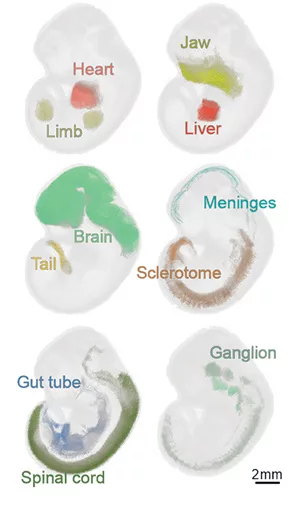
A new molecular hologram has revealed the most detailed 3D map of a mouse embryo to date. Each dot in the image above is just one of the eight million cells that make up the animal.
This type of cellular mapping provides an unprecedented opportunity for scientists to study organs forming less than two weeks after conception, with all the major organs highlighted in different colours. Geneticists at Stanford University in the US built modelling software, named Spateo, which works by weaving together data from every cell in a ‘slice’ of the embryo. They say it could be applied to other species, including humans, to visualise early development.
The molecular hologram sheds light on how cells interact during early development and could provide crucial information about congenital diseases.
The accurate 3D reconstruction revealed the intricate structures of every major organ.
For example, the asymmetrical pink blob (top left) shows the four chambers of the heart forming, while the large mint-green region (middle left) shows the developing brain. The meninges and sclerotome (middle right) are, respectively, the layers of membranes that protect the brain and spinal cord and the cells that eventually form the vertebrae. The ganglion (bottom right) relays information between neurons.
This article appears in Very Interesting #81. Please click here to receive the current VI issue digitally for free!
Making waves
Actress Tanya van Graan has become an advocate for the oceans and their inhabitants.
You were born on a game farm in Nelspruit. What are your fondest memories of your formative years and growing up in the bush?
Tanya van Graan: I grew up on a game farm between Malelane and Nelspruit. I remember being in nature and the wonderful presence of animals. I never saw the city. Life was uncomplicated. I could just grow up and be influenced by something as beautiful as the bush. I realised as I grew older that it wasn’t the norm. It gave me the opportunity to become creative without being shaped by the outside world much – we only had one television channel. I had all my cats, dogs and wild animals. I learnt a lot about nature, conservation and all the things that matter. I still carry that with me. I have fond memories of the mountains and going on my own little adventures and building little houses. I was a tomboy – I had my knife collections, and I learnt all the skills that I had to. Those skills have stayed with me throughout my life, and I use them when I portray a character in a movie or television series. The bush will always have a special place in my heart.
From wildlife to the ocean. What sparked your love for things water-related?
Growing up, we visited Umhlanga once a year and I discovered that I had this absolute yearning for the ocean. I used to sit at the bottom of the pool, holding my breath and staying there for as long as I could. In high school, I played underwater hockey. There is something about the ocean – that feeling of being surrounded, together with the quietness. I just instinctively knew it would have something to do with what I was going to do one day. It was a natural progression – the ocean is the bush, but underwater.
According to your Instagram biography, you are an actress and freediver. It also says, “My mission in life is not merely to survive, but to thrive and to do so with compassion, humour and style.” Please explain.
Ha! I’m hardly on social media and perhaps post four times a year – and then it’s about the ocean. I prefer to navigate the conversations I have with people. Those discussions are precious. I believe that, in life, it’s the balance of all things. I can be all things. A girl or the tomboy who doesn’t care about doing manicures and pedicures. I can run around and ride a horse; I can be classy and enjoy each part of it. I can be serious and inspirational and aspirational. I will do it with my humour. My humour is something that is extremely important to me. Those around me know that. If we can’t laugh in life, we’re missing the point. Embrace your authenticity and be all that you are.
You have starred in local and international films and television series. What are your highlights from a professional perspective?
I feel honoured and privileged to have had the experiences I have had in local television, musicals and pantomimes, as well as international films and TV series. It’s been an incredible journey to be pushed from a creative side, but you never stop learning.
You’ve said: “The ocean is not a zoo. There are no guarantees that you will be able to dive with them. They are wild and free as they should be.” Tell us more about what you are referring to there?
We’re so used to watching movies about the ocean that we take it for granted. People get really upset when they can’t get what they want and they can’t see the thing they want to see when in the ocean. The “I paid for it, so I’m entitled to see it” mentality is so wrong. When you go to a zoo, you will see the animal, but it’s not in its natural environment. It’s never the same. We see the magic – when it’s ready to show itself. Never take things for granted. You value something so much more when you wait for it, as opposed to instant gratification. We didn’t come for the end result, we came for the journey, be it in the ocean or on land. Patience is important when you want to see beautiful things in nature.
You went to Sri Lanka in 2019 and swam with blacktip reef sharks, blue whales and other ocean creatures. Take us back to that experience.
It was one of the most amazing experiences I’ve ever had. I found the blue whales on the first day, which was quite an adventure. You don’t just get into the water; you have to race and it’s a bit of a workout! To be in the presence of giants that are the biggest mammals to ever have lived… When you look them in the eye, everything just stops. It’s my happy place. I’d love to go back one day.
You’ve also said: “The sea means life.” Please clarify.
People don’t always understand the circle of life when it comes to the ocean. They are fearful of sharks and don’t want them there. Sharks are part of the ecosystem – without them, there are too many seals and, when there are too many seals, there are not enough penguins. It goes down to the plants in the ocean: everything influences everything else.
How can people make a difference?
Conscious living is important – being conscious of each action. Don’t be consumed by having to consume. Do research and continue on a journey that becomes a lifestyle.
Text | Heléne Ramackers
Photography | Ramzi Mansour
Follow Tanya van Graan on Instagram: @tanyavangraan

Auto&General offers essential insurance cover designed for hospitality businesses
While South Africa’s tourism and hospitality sector is a key contributor to the national economy, it is also an industry that faces unpredictable challenges that elevate risk levels in comparison with other sectors. Auto&General, one of South Africa’s leading insurers, says there are certain common risks in the hospitality industry in South Africa that make hospitality-specific insurance an absolute necessity.
Those devastating risks
During the past summer, many parts of our country have been subject to unusually high temperatures and what seems to be record-breaking rainfall. The result of these unusual weather events – fires and flooding – pose substantial threats to hospitality businesses, causing extensive damage and prolonged closures.
Business interruption is another serious risk for the tourism and hospitality industry. The term refers to a temporary halt or reduction in operations due to sudden and unforeseen insurable events. These disruptions can lead to significant financial losses due to a loss of income and, at worst, be a real threat to the survival of a business.
Being in a customer-facing industry also means your business is subject to the risk of bodily injury to guests on your property in the course of your operations, which could involve a third-party liability claim for losses suffered as a result of death or injury.
A safety net
Hospitality insurance is a critical safeguard. Recent fires at popular resorts have not only posed physical threats to guests and staff, but also led to operational shutdowns that affected the livelihood of hundreds of employees. Hospitality insurance acts as a safety net for your business, enabling it to recover from unexpected events and sustain operations.
Proactive risk management through insurance allows for confident future planning, knowing that your business is prepared for potential disruptions.
This is why business interruption cover is fundamental.
With specialised hospitality insurance, repair and replacement costs following a fire or flood and lost income during the disruption can be covered, enabling recovery and the saving of livelihoods.
Who is it for?
Auto&General’s Hospitality Cover has been specifically designed for businesses such as:
- Hotels
- Conference centres
- Motels and inns
- Game lodges
- Holiday resorts
- Catering services
- Function venues
- Event management
- Country clubs
What’s covered?
Ensuring that nothing is left to chance when it comes to protecting your business, Auto&General Hospitality Cover includes tailored extensions in addition to standard insurance extensions applicable to businesses in general, at no additional cost, such as:
- Cancellations of bookings
- Bilking
- Bush fire/loss of game
- Loss of liquor licence
- Bomb evacuation
- Loss of aesthetic appeal
- Undamaged stock
- Damage to landscaped gardens, water features and statues
- Damage to landscaped gardens, water features and statues – emergency services
- Impact – costs of removing animals, satellite dishes, debris, trees and silt
- Contamination and pollution of fish stocks
- Damage to contents by wild animals
- Discharge of weapons
- Removal of bees and wasps
- Leakage – fire-extinguishing installations/appliances
- Loss of water
- Fatal injury
- Deterioration of stock
- Malicious damage
- Movement of visitor or guest vehicles
- Damage caused by dry-cleaning
- Break-out of wild animals
- Spread of fire
These are just some of the additional extensions that we have on offer.
Learn more
Protecting the effort, time and money you’ve invested to make your hospitality business a success is essential, so speak to Auto&General for this insurance solution for your business.
Jenny Le Grange, Executive head – A&G Hospitality Insurance
Text and Photography | Supplied
For more information, call 0861 333 877 or visit autogen.co.za

Problems from within
Insider threats need proper attention before employees wreak havoc on a business
A startling 76% of organisations have detected increased insider threat activity over the past five years; yet, less than 30% believe they are equipped with the right tools to handle them.
These findings from the 2024 Insider Threat Report by Cybersecurity Insiders and Securonix paint a concerning picture of the current state of internal security risks. Even more alarmingly, only 21% of respondents said they had a fully implemented and operational insider threat programme.
An insider threat can feel a bit like the plot twist in a spy thriller. Suddenly, all those polite conversations by the water cooler take on a sinister meaning. Recognising that you have an insider threat is akin to discovering an unexpected adversary within your ranks. It starts with anomalies – little blips on the radar that don’t quite fit. Perhaps it’s an unusual after-hours access or data transmissions that scream, “I’m up to no good!” It’s about the indicators of compromise (IoCs) and your ability to pick up on them with keen observation.
Many times, it is not a flashing red icon on the screen that will let you know that someone’s intentions may not be completely pure, but rather observations from colleagues. While technology is great, nothing picks out an insider faster than a vigilant co-worker. Red flags from co-workers can include, but are not limited to, people working odd hours, having substance abuse or gambling addictions, asking invasive questions about data that doesn’t involve them or frequently contradicting themselves about their personal lives and backgrounds.
Take action
Once you’ve identified your insider threat, the next course of action is containment. You’ll want to limit their access swiftly and decisively. This includes revoking access rights, isolating machines from the network and going through the logs to double- and triple-check what activities the insider has been up to. It’s not just about stopping the immediate threat; it’s about ensuring the security breach doesn’t spread like wildfire.
Eradication isn’t just about getting rid of the threat; it is about doing it with efficiency and precision. Whether it involves disciplinary actions, legal steps or simply escorting the individual out of the building with their belongings in a box – or maybe in handcuffs – it needs to be executed quickly and thoroughly.
After the storm passes, it’s time to look into what went wrong, what went well and where improvements could be made. A thorough audit is needed and defences need to be rebuilt to be stronger than before.
Insider threats are not a one-off scenario, and they do not just impact one organisation. By the looks of things, they do not seem to slow down either. So, prevention needs to be a priority. This involves training, vigilance and creating a strong culture where security is taken seriously by everyone. Organisations must build awareness through comprehensive training programmes and conduct regular security drills to keep everyone informed about the latest threats.
It’s important to not keep the event and learnings to yourself. Share with other organisations, so that they can better prepare themselves.
Text | Javvad Malik
Photography | Andrii Yalanskyi
Javvad Malik is Lead Security Awareness Advocate at KnowBe4.
For more information, go to knowbe4.com.


An African dream
Regional tourism set to boom as travel trends highlight destinations beyond Europe
Africa and the Middle East are poised for a dynamic year as they attract multitudes of travellers with a mix of beautiful destinations, more affordable luxury experiences and unparalleled cultural encounters.
Africa is fast becoming a premier leisure destination as it outcompetes other destinations on an ADR (average daily rate) level. As many European travel hotspots grapple over tourism (Venice, Amsterdam, Barcelona), Europeans are drawn to African hotspots by the unbeatable value proposition and the promise of a truly relaxing holiday, minus the crowds.
Destinations like Cape Town, Zanzibar and Mauritius will continue to solidify their positions as must-visit holiday destinations, catering to the growing demand for multi-generational travel experiences with diverse offerings catering to all ages. Loyalty programmes and points redemption plans will further fuel demand for these destinations, as travellers look to maximise their rewards points at high-end yet affordable destinations.
The branded residence is steadily gaining traction across Africa. These properties offer a blend of hotel amenities and the comforts of home, appealing to both investors and travellers, particularly in the context of the growing remote work trend. Developers are subdividing properties and selling individual apartments to investors who can have the units managed by hospitality companies.
This model allows developers to finance projects more easily while providing travellers with the flexibility of apartment-style living combined with hotel-level services. The branded residence trend has been particularly prominent in destinations like Cape Town and Nairobi, where remote work has driven the demand for longer-term yet fully serviced accommodations.
In or out?
Visas play a crucial role in driving tourism demand growth and regulating market access. Some African countries, like South Africa, Tanzania and Zanzibar, have embraced the importance of tourism in driving their local economies by implementing visa policies that easily facilitate inbound travel.
South Africa’s remote working or ‘digital nomad’ visa allows employed foreigners who work remotely to base themselves in the country. Similarly, Tanzania, including Zanzibar, has also taken a welcoming approach. While there is still plenty of room for growth in the region, visas need to be managed responsibly and revised over time so that destinations do not become victims of their own success due to overtourism, as can be seen across Europe.
In contrast, Namibia has taken a more restrictive approach by revoking visa exemptions for 31 countries from 1 April, due to a lack of reciprocity for its nationals. This highlights the sensitivity surrounding immigration issues, even as destinations seek to attract more visitors. The region needs to take an approach that is driven by inbound tourism.
Staffing challenges have plagued the hospitality industry, with destinations like Mauritius losing skilled workers to higher-paying jobs abroad, resulting in the recruitment of staff from further afield. In response, large hospitality players are prioritising training programmes and soft skills development to attract and retain top talent across the region.
Text | Tony Romer-Lee
Photography | Impact Photography
Tony Romer-Lee is Valor Hospitality’s co-founder and Managing Partner Asia, Middle East and Africa.
For more information, go to valorhospitality.com.


Decked out for diversity
How a workplace looks and feels will have an impact on how employees behave and operate there
Culture shapes the way organisations and their people operate, impacting everything from office design to lease negotiations. Navigating these differences can be challenging for international companies, as Africa’s cultural diversity means there’s no one-size-fits-all solution.
Imagine walking into an office where the layout itself tells you who’s who. In many African countries, the concept of high power distance is deeply rooted. People are comfortable with a clear hierarchy, where age and seniority are highly respected. So, it’s no surprise that private offices for managers are a common sight. These spaces aren’t just about privacy – they’re symbols of status and authority.
For multinational companies, this can be a bit of a culture shock. Used to open-plan offices that promote equality and collaboration, they might find their global standards don’t always translate well here. In Africa, a private office is more than just a room – it’s a statement.
Another cultural cornerstone in Africa is in-group collectivism. This is all about loyalty and strong bonds within groups, whether it’s family, community or workplace. In the corporate world, this translates to a workplace that values harmony and mutual support.
The biggest success stories are where international standards are used as a starting point and local decision-makers are empowered to contribute to localisation. Visual elements, such as the use of colour reflecting cultural values and organisational identity, act as reminders of shared roots and values, fostering a sense of belonging and pride among employees.
Varied inputs
The concept of Ubuntu – ‘I am because we are’ – is a powerful cultural force. It emphasises community, mutual care and collective wellbeing. This humane orientation influences corporate real estate by encouraging the creation of spaces that promote social interaction and collective decision-making. Meeting rooms, communal areas and spaces for informal gatherings are essential in African offices to support the strong sense of community and collaboration.
Practical factors such as infrastructure and environment also shape how people use office spaces and their work-from-home patterns in Africa. In hot climates like Mauritius, the air conditioning in the office becomes a refuge from the heat. In Nigeria, where electricity and internet can be unreliable at home, the office provides a stable work environment. However, traffic congestion, limited public transport and parking in many African cities mean that when people come to the office, they tend to stay for the entire day. This makes hot-desking less popular compared to Europe, where efficient public transport allows for more flexible commuting.
These infrastructure challenges drive a preference for dedicated desks and personal workspaces, ensuring employees have a consistent and reliable place to work. The need for robust IT infrastructure and backup power solutions is also critical to ensure uninterrupted productivity.
Cultural dimensions also influence how lease negotiations are conducted. High power distance means that negotiations often involve senior executives and respect for hierarchy is paramount. The emphasis on relationships and collective decision-making can make negotiations more collaborative but also more time-consuming.
Text | Jess Moyer
Photography | ImageFlow
Jess Moyer is Director of Strategy and Research at Cushman & Wakefield | BROLL.
For more information, go to broll.com.


Electronic endangerment
The influence of cyber criminals is evident in almost every commercial and cultural sector
While consumers are no strangers to phishing emails, fraudulent SMS messages and social media scams, the scale and complexity of cyber attacks aimed at critical sectors go far beyond these relatively simple threats. Entire industries and governmental bodies face increasingly sophisticated attacks, which can cripple essential services, cause economic damage and compromise sensitive data on a massive scale.
Understanding the sectors most frequently targeted by cyber criminals can offer insights into the breadth and nature of these threats, highlighting the need for vigilance, investment in security and proactive measures.
According to data from the European Repository of Cyber Incidents (ERCI), critical infrastructure – facilities and services vital to the functioning of society – has become a prime target for cyber criminals. These infrastructures span everything from healthcare and finance to telecommunications and energy. Many key sectors are targeted by cyber crime.
Critical infrastructure is the lifeblood of modern society, providing essential services that people rely on daily. This makes it an attractive target for cyber criminals, who seek to disrupt, steal or hold these services hostage in exchange for financial gains or other motives, such as political or ideological agendas.
In 2023, critical infrastructure was the most frequently attacked sector, according to ERCI. These cyber incidents range from ransomware attacks that lock systems until a ransom is paid to sophisticated breaches that steal sensitive data or cause system-wide disruptions. Statista’s report, based on ERCI data, emphasises just how much damage can be done when vital services come under attack.
Sickening outcomes
Among the sectors of critical infrastructure, healthcare stands out as a primary target. The healthcare industry, which includes hospitals, clinics and other medical facilities, accounted for 14.2% of all attacks on critical infrastructure in 2023. The motivations for targeting healthcare organisations vary but often involve ransomware attacks, theft of confidential patient records and disruptions to healthcare services.
Ransomware is a particularly devastating tool in the arsenal of cyber criminals targeting healthcare organisations. Attackers encrypt essential systems and files, demanding hefty sums to restore access. For healthcare providers, the stakes are incredibly high – lives can literally hang in the balance. The disruption of care services, delays in medical treatment and the potential exposure of personal healthcare information create a nightmare scenario for both patients and healthcare administrators.
The financial sector also remains a lucrative target for cyber criminals, accounting for 8.3% of attacks on critical infrastructure in 2023. Financial institutions such as banks, insurance companies and investment firms are natural targets because of the vast sums of money they manage, as well as the wealth of sensitive data they store.
Cyber attacks in this sector can take multiple forms, including:
- Phishing attacks aimed at obtaining login credentials for online banking or investment platforms.
- Distributed denial-of-service (DDoS) attacks that overwhelm a bank’s online services, making them inaccessible to customers.
- Data breaches that expose personally identifiable information (PII) or financial details, leading to identity theft and other forms of fraud.
Enemies of the state
The telecommunications, transport and energy sectors also fall within the crosshairs of cyber criminals, with attacks occurring regularly in 2023. These sectors play crucial roles in ensuring that communication networks function, people and goods can move and societies have access to power and fuel. A well-executed cyber attack against any one of these sectors can have far-reaching consequences.
Telecommunications companies have been hit by a combination of DDoS attacks, data breaches and ransomware, often targeting critical communication infrastructure or sensitive customer data.
The transport sector, particularly airlines and rail systems, has seen an increase in cyber attacks aiming to disrupt logistics and operations.
The energy sector, including utilities providing electricity and fuel, remains a particularly worrying target because of the potential for large-scale blackouts or fuel supply disruptions. In 2023, several European energy companies reported being victims of cyber attacks designed to compromise operational systems and extort ransom payments.
After critical infrastructure, state institutions and political systems are the next most common targets for cyber attacks, according to ERCI, with more than 450 reported incidents in 2023. Cyber criminals, state-sponsored attackers and hacktivist groups have increasingly turned their attention to government systems in pursuit of sensitive information or to sow chaos and disinformation.
State institutions often face spear-phishing campaigns, where government employees are tricked into giving up passwords or access to sensitive systems. Some attacks, particularly those backed by nation-states, aim to infiltrate defence systems, steal military secrets or disrupt diplomatic communications. Additionally, election interference and politically motivated attacks have continued to plague democratic systems. Countries across Europe and North America have reported attempts to manipulate voter data or spread disinformation during elections. These attacks often involve the exploitation of social media platforms and targeted disinformation campaigns designed to sow discord among the population or influence voting behaviour.
Strong strategies
With the relentless rise in cyber attacks, organisations and governments have been forced to adopt stronger cyber-security measures. The cyber threats facing critical infrastructure and state institutions have necessitated the following key strategies:
- Enhanced endpoint security: With more devices connected to corporate and institutional networks than ever before, endpoint security is becoming a central focus. Advanced endpoint protection tools, powered by machine learning and AI, can detect and stop threats before they reach sensitive systems.
- Zero trust architecture: As cyber attacks grow more sophisticated, many organisations are adopting ‘zero trust’ models, which assume that no user or device – internal or external – can be trusted by default. Access is only granted after careful authentication and users are continually monitored to ensure they pose no risk to the system.
- Backup and disaster recovery: For sectors like healthcare, where service disruption can be catastrophic, ensuring regular data backups and establishing robust disaster recovery plans are essential. Many ransomware victims have been able to recover more quickly thanks to having secure backups in place.
- Cyber-security awareness training: Human error continues to be a major vulnerability. Ongoing training programmes help employees recognise phishing attempts, social engineering and other tactics used by cyber criminals.
Text | John Mc Loughlin
Photography | santoelia
John Mc Loughlin is CEO of J2 Software.
For more information, go to j2.co.za.

Playing with fire
In-app purchases can be a tough space to navigate for younger internet users
As online gaming grows in popularity, children are increasingly spending time on apps that encourage in-app purchases, especially during school holidays. While these purchases can enhance the gaming experience, they aren’t without risk.
Many online games operate on a ‘free-to-play’ model, promising an engaging experience with no upfront cost. However, as children progress in these games, they are often tempted to make in-app purchases to unlock extra benefits and progress faster. These transactions often involve virtual currencies like gems or stars, which must be purchased with real money. This can lead young players to lose track of the financial implications of their gaming.
In-app purchases are designed to be seamless, making it difficult for children and sometimes even adults, to resist spending. The excitement of the game, coupled with enticing offers and virtual rewards, can make it easy to overlook the financial consequences. More importantly, these purchases also provide a potential entry point for cyber criminals to exploit personal information.
Consumer spending on app stores is expected to reach around R3 trillion this year, with in-app purchases forming a significant portion of that revenue.
Parents should be aware that cyber criminals may also use online gaming as a platform to access data, which can compromise both the child’s and parents’ personal information. Whatever screen limits you decide on, kids should not be left unsupervised online.
Inside threats
Cyber criminals often create fake in-app offers that appear enticing to users. When clicked, these offers can redirect users to fraudulent websites where personal details, including payment information, are collected. This data is then used for identity theft.
Fraudulent apps masquerading as legitimate games may collect personal information through hidden malware. These malicious apps often come with fake reviews and ratings to make them appear credible. Parents should exercise caution when downloading new games, ensuring that apps are from reputable developers.
During in-app purchases, users are often prompted to enter payment information. If these payment systems are not adequately secured, cyber criminals can intercept the details which are later used for fraudulent purchases elsewhere.
Parents can control in-app purchases by disabling them through device settings. For example:
On iOS devices, navigate to Settings > Screen Time > Content & Privacy Restrictions to block in-app purchases. On Android devices, use the ‘Purchase Approvals’ feature in Google Play to manage and approve transactions.
Monitor subscriptions regularly. Keeping track of subscriptions helps parents spot any unexpected or unauthorised charges. Security tools like parental control apps allow parents to manage in-app purchases, block inappropriate content and protect children from threats on their devices. Security solutions can also help secure digital activities by removing metadata from shared images, reducing the risk of personal data being exposed.
If a child makes an unauthorised purchase, parents should first contact Apple or Google to request a refund. Both platforms offer dedicated support for reversing such transactions. In some cases, the app developer may also need to be contacted to assist with the process.
Text | Carey van Vlaanderen
Photography | ImageFlow
Carey van Vlaanderen is CEO of ESET Southern Africa.
For more information, go to eset.com.


You’re not the boss of me!
Employees lording it over colleagues who are not officially under their authority need monitoring
Bullying in the workplace is a problem that is more common than one might expect. Office bullies create a toxic environment and cause significant stress for their targets or the broader office community. However, it is not always easy to identify certain behaviours as bullying, especially when they are subtle and veiled behind professional facades.
An attitude where a colleague adopts a sense of self-importance and unofficial authority can sometimes cross into the realm of adult office bullying. Individuals with this mindset often feel entitled to monitor, correct or control the actions of their peers, even when they lack the formal authority to do so.
This self-imposed hierarchy can lead to behaviours that undermine the autonomy, confidence and contributions of colleagues. The person may criticise, belittle or ‘advise’ under the guise of support, but the effect is often to enforce their own dominance and diminish others’ value within the team.
Such attitudes can be harmful even when unconscious, as the underlying implication is that their peers are less competent or need guidance. Over time, this approach erodes trust and morale, creating an environment where others feel disempowered, stressed and undervalued, which aligns with forms of workplace bullying.
How they work
Bullies frequently target others to diminish their credibility, which can include criticising, questioning decisions or making others seem incompetent. They may ‘sabotage’ work by withholding information or resources, setting their targets up to fail.
Office bullies often manipulate situations to their advantage. They may take credit for others’ work, spread rumours, or even lie to tarnish someone’s reputation. This behaviour serves to isolate their target and create doubt in the minds of colleagues.
When bullies hold a position of power, they might misuse it to control others. They might micromanage excessively, impose unrealistic expectations or demand work at a moment’s notice to instil a sense of fear and inferiority.
Some bullies portray themselves as victims, justifying their actions by saying they are defending themselves or the organisation. They may suggest that their target is untrustworthy, lazy or hostile, painting a picture that shifts sympathy toward them and away from the true victim.
Verbal abuse, sarcasm, belittling and even silent treatment can be common tactics. Although physical intimidation is rare, office bullies may use non-verbal cues like glares, sighs or dismissive gestures and even constant correction to intimidate others subtly.
A bully might engage in gaslighting, where they make the target question their own judgment and sanity. They may downplay their actions or suggest that the target is overreacting, leading to self-doubt in the target and confusion about the legitimacy of their concerns.
Since bullying is simply wrong and, in many instances, explicitly prohibited in company policies, it is essential to address the behaviour constructively and assertively. Doing so would include documenting incidents, setting firm boundaries, seeking support and escalating the matter to senior management. There are also many online resources that can guide you once you have identified that you are a victim of bullying.
Text | Peter Kriel
Photography | Andrey_Popov
Peter Kriel is General Manager at The Independent Institute of Education. For more information, go to iie.ac.za.



Tooting the wrong horn
Malicious whistleblowing undermines the whole process of encouraging accountability
Whistleblowing is widely regarded as a critical tool for promoting transparency and accountability in organisations. It allows individuals to report unethical behaviour or misconduct without fear of retaliation. However, false and malicious whistleblowing has emerged as a significant issue in South Africa, raising concerns over the misuse of this protective mechanism.
Whistleblowing involves reporting illegal, unethical or harmful activities within an organisation. In South Africa, the Protected Disclosures Act 26 of 2000 (PDA) provides legal protection for whistleblowers, encouraging individuals to come forward with information that can help combat corruption and misconduct. A whistleblowing report is also known as a protected disclosure under the PDA. To be protected under the PDA, a disclosure must contain information about specific improprieties listed in the PDA and must be made to the right person. Whether the disclosure is legally protected or not depends on whether it is made according to a substantively correct procedure, not for purposes of personal gain, without committing a criminal offence, in good faith and reasonably believed by the whistleblower to be true. However, a disclosure is not protected if it fulfils an existing duty of the employee. For example, an auditor cannot claim rights under the PDA for making observations in the fulfilment of the normal audit scope of work.
What should be emphasised is that not all disclosures amount to protected disclosures and this distinction becomes important when employees misconstrue a grievance or personal vendetta as a protected disclosure. When whistleblowing procedures are misused for these purposes, the noble intention behind the obligations and protections afforded in terms of the PDA is undermined.
Who is protected?
Many employers will have dealt with an employee seeking to avoid or delay the initiation of an employment process such as a poor performance enquiry or disciplinary hearing by swiftly lodging an alleged protected disclosure in response. This is done in an attempt to invoke the special protections afforded to whistleblowers such as protection from occupational detriment, which includes dismissals relating to a protected disclosure. Another common example of the misuse of whistleblowing channels is the genuine ignorance around the types of misconduct or wrongdoing that amount to a whistleblowing event versus everyday garden-variety misconduct or workplace dissatisfaction.
False and malicious whistleblowing can have serious consequences for organisations and individuals alike. Allegations made with malicious intent can damage reputations, disrupt operations and lead to financial losses. In some cases, innocent employees may face disciplinary actions or job loss due to unfounded claims. The psychological toll on individuals falsely accused of wrongdoing can be profound, leading to stress, anxiety and a toxic workplace environment. The negative implications of such false or malicious disclosures necessitated the amendment of the PDA in 2017 with the introduction of section 9B. These provisions state that an employee or worker commits an offence if they intentionally make a false disclosure, knowing the information is false or if they should have reasonably known it was false, and if they intended to harm the affected person who then suffered as a result. If found guilty, the employee or worker could face a fine, up to two years in prison or both.
Fairness first
To address the challenges posed by malicious whistleblowing, organisations in South Africa are increasingly implementing measures to mitigate risks. This includes conducting comprehensive investigations into allegations before taking action. A fair process can help distinguish between genuine and false claims. Striking a balance between protection and accountability is key to maintaining the integrity of whistleblowing. Where the identity of an employee who lodged a malicious report can be found, the employee could be called to face charges of dishonesty and misuse of the whistleblowing system, with an ultimate sanction of possible dismissal.
However, prevention is the best medicine in circumstances where investigations require time and resources that may be better allocated to genuine disclosures of corruption. To help deter system abuses, employers should educate employees about the whistleblowing process, including the importance of truthfulness and the potential consequences of false reporting. In addition, organisations should revisit their whistleblower protection policies to ensure they include provisions dealing with false allegations, ensuring that individuals who make knowingly false claims face consequences.
These policies should also set out reporting criteria that need to be met when a disclosure is made, possibly in prescribed forms that effectively sift out reports that do not fall within the genuine parameters of protected disclosures. Sufficient information detailing the circumstances in which whistleblowing is appropriate should be included in such policies and employers should ensure that training and awareness campaigns entrench education around the process.
False whistleblowing presents a complex challenge in South Africa, where the need for transparency and accountability is paramount. While the legal protections for whistleblowers are essential, it is equally important to address the misuse of these protections. By fostering a culture of honesty, implementing robust investigative processes and revising existing laws, South Africa can work towards a more effective whistleblowing framework that serves the interests of justice and integrity.
Text | Dhevarsha Ramjettan and Mbali Nkosi
Photography | miniartkur
Dhevarsha Ramjettan is Partner and Mbali Nkosi is Senior Associate at Webber Wentzel. For more information, go to webberwentzel.com.


Success, bit by bit
Contract workers have plenty of sway but need to take responsibility for their reputations
The past four years have been eventful for those who chose to go the contract work route. From a surge in demand for short-term workers or freelancers, fuelled by the COVID-19 pandemic, to the rise of the gig economy as well as the significant impact of the ‘return-to-office’ trend, contract workers have experienced both highs and lows.
When the pandemic and its associated lockdowns were in full swing, contractors quickly became a hot commodity as businesses implemented hiring freezes and turned to more flexible, temporary solutions for their project and operational needs. Contractors were also popular due to their ability to operate optimally while working remotely, whereas many permanent staff struggled with the challenges of adapting to working from home.
While the pandemic accelerated the trend of temporary and more flexible jobs, this movement began in the early 2000s, particularly during the global recession. Now known as the gig economy, this shift, characterised by short-term contracts or freelance work as opposed to permanent jobs, was largely driven by heightened economic uncertainty.
For many, the decision to become a contractor was a critical one, due to a company closure or a redundancy. But for others, it became an opportunity to change things up, offering autonomy and flexibility.
Who needs who?
But as the COVID years came to an end, the business world embraced yet another big shift – the return-to-office movement. What started as a largely hybrid arrangement, with a mix of in-office and work-from-home days, has now shifted to a full return to the office.
The move back made a lot of sense for many businesses, particularly those with large office spaces sitting empty and those who were concerned that company and team culture were being negatively impacted by remote work.
Contractors, in general, were never expected to be office workers, so this shift back to in-person meetings and the like has created a few hurdles. Many employers began expecting their contractors to observe in-office days, which isn’t always feasible due to factors like the proximity to the office and the need to service other clients.
The bigger issue is that some employers began questioning the need for contractors. Now that full-time employees can be hired without concerns about budget or uncertainty, employers are weighing the pros and cons of contractors versus permanent staff more critically, often leaning toward permanent staff for reasons related to company culture and longevity.
Just because demand for contractors has slowed doesn’t mean that contracting as a career choice is any less lucrative. The biggest difference now is that experience, specialised skills and knowledge of specific projects or tasks have become, and will continue to be, more important for employers looking to bring contractors on board.
Word of mouth may have worked in the past, but the months and years ahead will require contractors to focus on their profiles and find more innovative ways to market themselves effectively. Building and maintaining a strong professional network will be crucial for keeping work flowing in and establishing an iron-clad reputation in their chosen industry.
Text | Jamie Fourie
Photography | Rawat Yapathanasap
Jamie Fourie is a Talent Acquisition Specialist at Strider Digital. For more information, go to striderdigital.co.za.


Bridging the gap
Financial inclusion in Africa is a necessarily growing field
In an era where technology has transformed global economies, Africa stands at a pivotal crossroads. With over 1.2 billion people, the continent possesses immense potential for economic growth. Yet, according to the World Bank, between 40 and 50% of adults in sub-Saharan Africa remain unbanked, relying solely on cash for daily transactions. This highlights a critical need for financial inclusion in Africa.
Financial inclusion is not just a buzzword; it is a vital component for sustainable growth. It enables individuals to access financial services, leading to improved living standards, increased entrepreneurship and a more resilient economy. In Africa, where informal economies thrive, access to formal financial services can significantly reduce poverty and drive social change.
Cross-border payment systems play a crucial role in enhancing financial inclusion across Africa. These systems facilitate the movement of money between countries, supporting not only individual remittances but also business transactions that are vital for economic integration. For many families relying on money from abroad, affordable and efficient cross-border payment solutions can mean the difference between basic survival and improved living standards.
Community benefits
Several companies are actively working to bridge this gap, each offering unique products aimed at enhancing affordability and versatility in cross-border payment systems, yet affordability for the consumer will always be key in a situation when every rand counts.
The impact of these payment systems extends beyond individual users. Lower transaction costs and increased accessibility contribute to regional economic integration, stimulating trade and job creation. Families that receive remittances can invest in education, healthcare and small businesses, creating a ripple effect that benefits entire communities.
Moreover, as digital literacy improves and more individuals engage with these financial systems, the informal economy can gradually transition to formal structures, bolstering overall economic stability.
To maximise the impact of their products on financial inclusion in Africa, fintech companies should be focusing on developing user-friendly, affordable and scalable solutions tailored to the diverse needs of the continent’s population. This includes creating intuitive mobile applications that allow users to make cross-border payments easily, regardless of their technical proficiency.
Additionally, partnerships with local banks, mobile network operators and community organisations can enhance trust and reach within the underserved markets. Emphasising low fees and transparent pricing will ensure that even the most financially vulnerable individuals can benefit.
By prioritising financial education and accessibility, fintech companies can empower communities, encouraging them to transition from cash-based systems to digital finance. Ultimately, fostering an inclusive financial ecosystem will not only drive economic growth but also uplift lives, paving the way for a more equitable future across Africa.
Text | Thanusha Govender
Photography | Kehinde Olufemi Akinbo
Dr Thanusha Govender is CEO of XLink Communications. For more information, go to xlink.co.za.


Loop it back
Commerce media uses existing audience data to generate new revenue
Retail media – a type of advertising that uses a retailer’s digital platforms, like websites, apps or in-store screens, to show ads to shoppers – is booming worldwide. But retail media is just the starting point, signalling a shift toward the broader trend of commerce media.
Commerce media is an approach to advertising that leverages data from various e-commerce and digital platforms (not just retailer-owned channels) to connect brands with consumers throughout their purchasing journey. This new approach links ads directly to sales by pinpointing audiences better, offering new insights about them and creating more meaningful experiences for consumers. It also opens the door for any sort of commercial enterprise to own a media channel within their business.
As consumer behaviour grows more complex, brands need to prioritise meaningful engagement over sheer reach. Brands are increasingly shifting their digital ad budgets towards platforms that deliver measurable, data-driven results. That’s where the opportunity of commerce media lies. It entails using first-party data to target and personalise ads both on and off a brand’s website, across multiple online platforms like social media, marketplaces and search engines. So, companies of all types now have the chance to harness first-party insights from their own audiences and monetise that data to unlock new revenue.
Higher conversion rate
The demand for high-return on investment, data-driven targeting continues to grow as brands fine-tune their digital ad strategies. Brands are prioritising first-party data. With digital advertising becoming more competitive, brands want high-quality data to reach audiences who are more likely to convert. Hyper-targeted audiences are proven to boost performance, with the average click-through rate for retargeted ads 10 times higher than ads that are not retargeted. Conversion rates have also been found to increase by 50% when using custom audiences and first-party data.
Retail media spending is set to surge. Global retail media spending is projected to increase by nearly R1.8 trillion by 2025, placing businesses with relevant audience data in a prime position to capture ad spend. Early adopters in local markets can gain an edge by securing budgets that might otherwise go to traditional channels.
There are diverse opportunities in adjacent industries. Companies with valuable first-party data can attract brands within their own sector, as well as in related industries. This cross-industry approach broadens revenue possibilities.
For businesses ready to earn from their audience data, the commerce media model offers powerful benefits. There is unlimited ad inventory through off-site ads. With the vast ad inventory available on social media, businesses aren’t limited to offering ads solely on their own site or app. They can share their audiences with sellers through off-site advertising.
By expanding ad inventory, businesses ultimately drive more traffic back to their own website. Targeted ads backed by first-party data boost relevance, encourage clicks and turn social media users into active site visitors.
Compared to traditional revenue streams, commerce media channels can yield higher gross profit margins, as they require minimal upfront investment. Commerce media opens doors for businesses with valuable data by enabling them to join a rapidly growing, data-driven market.
Text | Daniel Levy
Photography | Gorodenkoff
Daniel Levy is co-founder and co-CEO of Flow. For more information, go to flowliving.com.
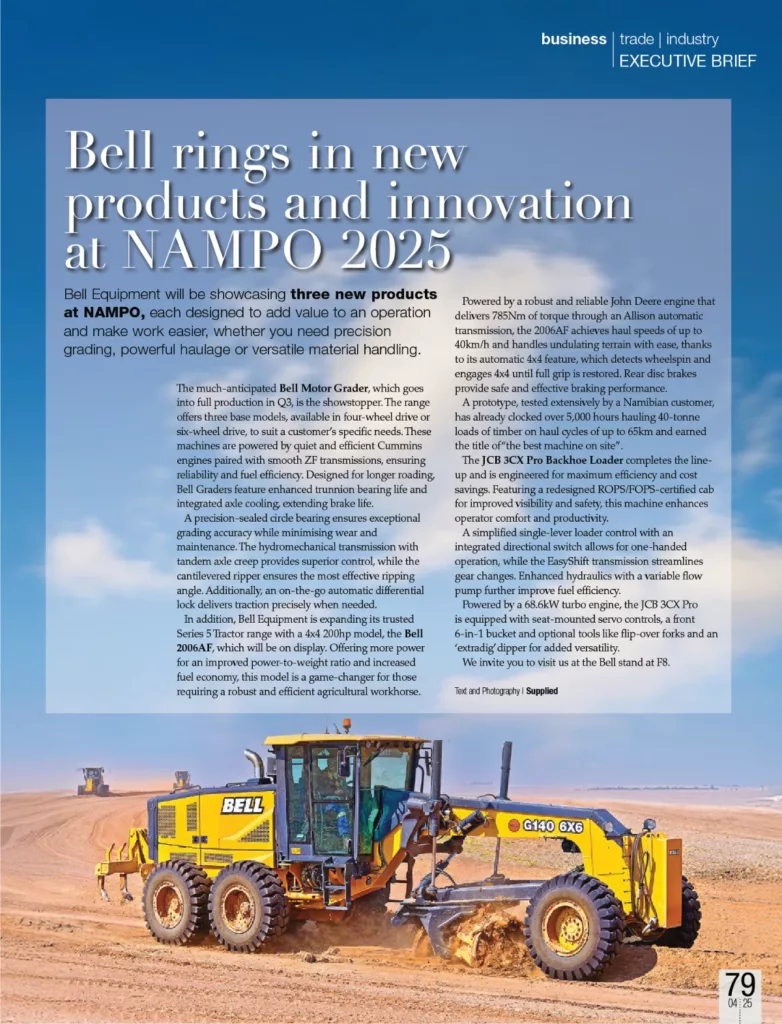

Conversational debt: the true challenge to business success
Picture this: a high-performing team is working on a critical project, but beneath the surface, there are unspoken concerns. A key team member consistently misses deadlines, yet no one addresses it directly.
The manager notices the pattern but hesitates, unwilling to risk conflict. Meanwhile, resentment builds, team morale dips and the final deliverables suffer. Or perhaps a senior executive makes sweeping strategic decisions without input from key stakeholders. Those with differing opinions stay silent, worried about rocking the boat. The result? Costly misalignment, missed opportunities and a culture of avoidance. Sounding too familiar?
These are examples of conversational debt, the silent cost organisations incur when leaders and employees fail to engage in necessary but difficult discussions. Just like financial debt, this accumulates over time, eroding trust, hindering innovation and ultimately affecting business performance. According to new findings from Crucial Learning, avoiding important workplace discussions comes at a significant cost. Research reveals that 43% of employees estimate they waste at least two weeks dwelling on unresolved workplace conflicts. Even more concerning, one in three workers believe that their failure to address critical issues has cost their organisation at least R460,000 in lost productivity and wasted resources, proving that silence isn’t just a personal discomfort but an expensive mistake.
How conversational debt accumulates
Conversational debt builds up in three key ways: misalignment, harmony and decision debt. Misalignment occurs when teams believe they are working toward the same goal but actually have different understandings, leading to wasted effort and costly missteps.
Harmony debt arises when employees prioritise maintaining a positive atmosphere over addressing real concerns, limiting honest and constructive feedback.
Decision debt builds when organisations engage in endless discussions without resolving issues, leading to stagnation and repeated inefficiencies.
The challenges in workplace conversations
Our recent research study on challenges women face in the workplace further underscores the impact of conversational debt. It highlighted key obstacles that South African women encounter in their professional journeys, particularly when engaging in high-stakes discussions. These challenges include:
- Discussing salary expectations
- Setting boundaries when overloaded with tasks
- Providing performance feedback without straining relationships
- Addressing performance-related concerns
- Advocating for fair pay and promotions
Many professionals struggle with these conversations. Our findings reveal:
- 55% of women lack confidence in navigating these discussions.
- 77% choose to speak up, yet 43% see no tangible benefits.
- 14% experience strained relationships as a result.
- 43% report positive outcomes, including stronger relationships, enhanced reputations and greater influence.
The reluctance or inability to address these issues contributes to what we call conversational debt, the accumulated cost of avoiding or mishandling crucial discussions. Left unchecked, this debt grows exponentially, creating communication barriers that slow decision-making and lead to costly business missteps.
Conversational debt can significantly undermine business performance, but it can be addressed. At The Human Edge, we offer Crucial Conversations, a programme designed to help professionals navigate high-stakes discussions and drive meaningful change. The cost of avoiding these conversations is simply too high to ignore.
Text and Photography | Supplied
If you want to learn more about Crucial Conversations and how to mitigate conversational debt in your organisation, visit our website at humanedge.co.za, or email us at hello@humanedge.co.za.
Breaking the cycle: five steps to effective conversations
To mitigate the impact of unresolved discussions, leaders should develop the right skills:
- Identify where you’re not getting the results you want: Focus on the pattern, not just the single incident. Recognising recurring issues rather than isolated situations allows leaders to address the root cause effectively.
- Start with heart – share your good intent: Approach conversations with a clear purpose and positive intent to foster trust and cooperation.
- Manage the hazardous initial half-minute: Use a behaviour or value frame to introduce the discussion in a way that prevents defensiveness.
- Make it safe by focusing on mutual purpose and mutual respect: Ensuring psychological safety encourages open, honest dialogue.
- Learn additional skills to improve results and enhance relationships: Developing conversational competence leads to stronger workplace relationships, better outcomes and long-term success.

Sliding spending scale
Global pricing affects planning in all aspects of business travel
When a Big Mac in London costs nearly double what you’d pay in Joburg, you know you’re onto something interesting about global pricing. It’s a quirky but telling way to understand cost differences around the world – and when it comes to business travel, those differences are eye-popping.
New data from FCM Consulting’s Q3 Trend Report 2024 paints a fascinating picture of just how far your travel rand stretches at home versus abroad.
According to the report, a business traveller can check into a sleek business hotel in Sandton for R2,400 a night, up 14% compared with Q2. Your colleague in London? They’re paying R5,900 (up 29%) for an equivalent room. In Paris, it’s R5,700, and Amsterdam will set you back R5,000. Meanwhile, Cape Town holds its own at R3,200 – still a relative bargain on the global stage, despite a quarterly increase of 29%.
The report reveals the most expensive cities for business travel per region, with London, Riyadh (R5,800), Singapore (R5,000), and New York (R9,100, up 15%) leading the pack. In contrast, cities offering better value include Jakarta (R2,600), Mumbai (R2,800), and Bangkok (R2,700) alongside Johannesburg. Gateway cities like Dubai (R3,200) and Abu Dhabi (R3,500) sit somewhere in the middle, reflecting their position as global connection hubs.
Driven to save
The car hire story might be even more startling. That premium sedan you’re hiring in Johannesburg for R430 a day would cost you R1,200 in Germany. Same car, same features, same international rental company – just a very different number on the invoice.
When it comes to flying, things get really interesting. Global airfares are stabilising – with economy seats down by R300 (-3%) and business class up by R2,500 (+6%). Africa’s aviation scene is expanding – which is good news for regional travellers. With 2% more flights and 2.1% more seats, competition is helping keep those prices in check.
These price differences create opportunities for proactive travel management. It’s about understanding how to use these market differences strategically. When looking at such significant price variations between markets, smart planning becomes crucial.
As global travel demand increases, with hotel occupancy in major cities exceeding 50%, the value gap between domestic and international travel costs could widen further. However, there are opportunities in this challenge. Companies need to think holistically about their travel programmes. Use competitive domestic rates as a foundation, and work with a travel management company to optimise international travel costs.
Text | Bonnie Smith
Photography | 8th.creator
Bonnie Smith is GM of Corporate Traveller. For more information, go to corporatetraveller.co.za.
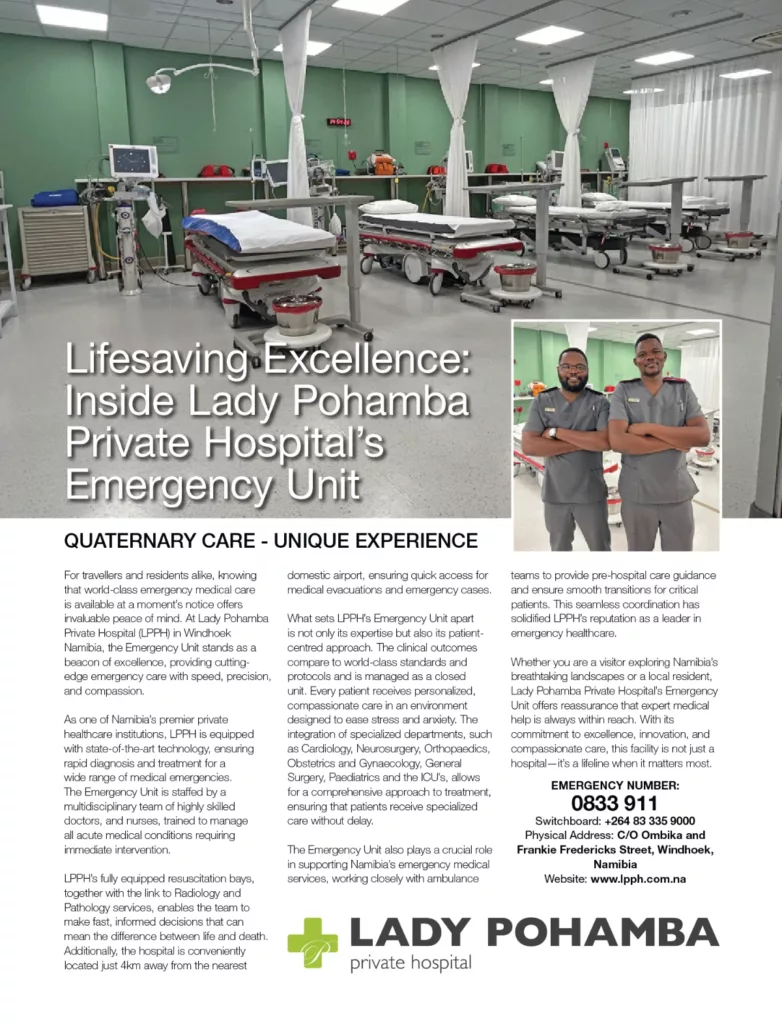

Testing the vitals
The healthcare sector needs to keep morphing and evolving as it grows
The healthcare landscape is rapidly evolving, and this year is poised to bring significant changes driven by technological advancements and shifting patient needs. As the sector faces ongoing challenges such as rising costs, limited access, and increasing demand for mental health services, innovative solutions will be key to addressing these issues. From the rise of virtual healthcare and wearable technologies to the growing influence of artificial intelligence, these trends are reshaping how care is delivered and experienced.
The sector must embrace innovation to address challenges like affordability and accessibility while leveraging technologies such as AI, virtual healthcare, and wearables to reshape how we deliver care.
The escalation of healthcare costs is expected to persist, with medical aid contributions outpacing inflation and the general expense of healthcare services becoming increasingly burdensome. This growing financial pressure is placing significant strain not only on patients but also on healthcare providers and the broader healthcare system. In response, identifying and implementing innovative solutions to alleviate this looming financial crisis remains a critical priority for healthcare businesses nationwide. For many South Africans, the rising cost of healthcare is exacerbating issues of accessibility and affordability, with an increasing number of individuals unable to access necessary medical care. In light of this, a strong focus on policy reform aimed at addressing these inequalities is expected.
Mental wellbeing
One of the most prominent shifts anticipated in the healthcare landscape this year is the significant rise in demand for mental healthcare services. The recognition that mental health is integral to overall wellbeing has led to a growing push to integrate mental health services into primary healthcare systems. Such integration is proving to be both preventative and curative, as early intervention can improve long-term outcomes. Furthermore, mental healthcare is particularly well suited for the adoption of digital health tools, such as virtual consultations, which can enhance access to care, particularly in underserved or rural areas. The increased focus on mental health will likely continue to drive growth in this sector, as more individuals seek professional support to manage mental health challenges.
The trend towards virtual healthcare is expected to continue its upward trajectory as more patients turn to telemedicine as either a primary or supplementary means of accessing healthcare services. According to a McKinsey report, telemedicine is projected to account for more than 20% of outpatient consultations this year. This shift is expected to be particularly pronounced in areas such as primary healthcare, chronic disease management, dermatology, and mental healthcare. Virtual consultations offer patients the convenience of receiving care remotely, which can help to reduce barriers related to distance, time, and accessibility. For healthcare providers, this option offers opportunities to streamline services, increase operational efficiency, and reach a broader patient population.
Measurable status
Wearable health technologies, including biosensors capable of monitoring, transmitting, and analysing vital signs, represent another exciting frontier in digital health. These devices have the potential to revolutionise the management of both acute and chronic conditions by providing continuous, real-time data that can inform clinical decision-making. With their ability to track everything from heart rate and blood glucose levels to oxygen saturation and sleep patterns, wearables offer unprecedented insights into an individual’s health status. This wealth of data has the potential to improve patient outcomes, empower individuals to take a more proactive role in managing their health, and help healthcare providers tailor interventions more precisely. As these technologies evolve, they will become an increasingly important tool in both disease prevention and management.
Digital help
Artificial intelligence (AI) continues to make significant strides in healthcare, particularly in areas such as clinical decision-making, diagnostics, and operational efficiency. AI algorithms have demonstrated their ability to improve the speed, accuracy, and reliability of diagnoses, enabling healthcare professionals to make more informed decisions. Furthermore, AI-driven tools are improving clinical workflows, optimising resource allocation, and enhancing the overall patient experience. In the realm of surgery, robotic-assisted technologies are increasingly being used to improve the precision of procedures, reduce the risk of human error, and shorten recovery times for patients. Additionally, the use of virtual and augmented reality technologies in medical training and physical rehabilitation is gaining traction, offering immersive, interactive experiences that improve learning outcomes and accelerate recovery for patients.
Looking ahead, healthcare is set to evolve rapidly, driven by technological advancements and growing demand for accessible, affordable care. Key trends such as rising costs, expanded mental health access, virtual healthcare, wearable technologies, and artificial intelligence are reshaping the sector. For businesses and policymakers, staying ahead of these changes is crucial to ensuring sustainable, equitable, and effective care. By embracing digital tools, AI, and data-driven solutions, the healthcare system can improve both patient outcomes and overall efficiency. Collaboration and innovation across all sectors will be essential to meeting the evolving needs of patients and society.
Text | Jessica Voerman
Photography | Prostock-studio
Dr Jessica Voerman is Chief Clinical Officer at SH Inc Healthcare.
For more information, go to shihealthcare.co.za.

Old meets new
What came before can aid what is happening now when it comes to effective teaching
While innovation and technology have the potential to revolutionise learning, it is crucial to remember that not all change is inherently good, and tradition plays a vital role in maintaining the integrity and effectiveness of education.
Despite the rapid evolution of educational technologies, certain foundational skills and knowledge remain indispensable. Reading, writing, critical thinking, and problem-solving are timeless components of education that transcend technological advancements. These skills are essential for students to navigate a complex and ever-changing world.
Technology, particularly artificial intelligence (AI), has the potential to significantly enhance learning outcomes. AI tools can automate administrative tasks, provide personalised learning experiences, and make education more interactive and engaging. For instance, AI-powered adaptive learning platforms can identify knowledge gaps and offer customised content to students, improving their learning outcomes.
Maintain relationships
While technology can replicate and supplement traditional methods, it cannot replace the human touch that is essential for holistic education. Good pedagogy, which includes building positive relationships with students, providing emotional support, and fostering critical thinking, remains at the core of effective teaching.
Activities like reading aloud with physical books, for instance, continue to hold a special place in education, promoting a unique connection with literature and fostering a sense of community among students.
On the other hand, traditional educational practices do have their limitations. They often fail to engage students with varied learning preferences, leading to a one-size-fits-all approach that can leave some students behind. Additionally, traditional methods can sometimes hinder the discovery of new information and solutions to fundamental issues, and they may control who is allowed to produce ideas and what is considered scholarly knowledge.
These shortfalls highlight the need for innovation and adaptation in the educational system.
Learn from the past
The key to effective education lies in striking a balance between tradition and innovation. Blended learning environments, which combine traditional teaching methods with modern technological tools, are showing promising results. These environments allow teachers to focus on complex teaching duties and direct student interaction while leveraging AI to handle repetitive tasks such as grading and tutoring.
Tradition serves as a reminder that not all change is good simply because it is new. It cautions us against the allure of novelty and fashion, encouraging us to evaluate technological advancements based on their true value rather than their novelty. This balanced approach ensures that we do not sacrifice the essential elements of education in the pursuit of innovation.
Tradition is not a hindrance to progress but a guiding light that helps us navigate the complexities of modern education with wisdom and caution. By designing technology with diverse students in mind, we can ensure that digital fairness and inclusion are prioritised.
This approach emphasises that the goal should not be to be the first or the fastest but to create a system that is equitable and beneficial for everyone.
Text | Andre Abrahams
Photography | Gorodenkoff
Dr Andre Abrahams is Deputy Dean: Academic Development & Support at The Independent Institute of Education.
For more information, go to iie.ac.za.
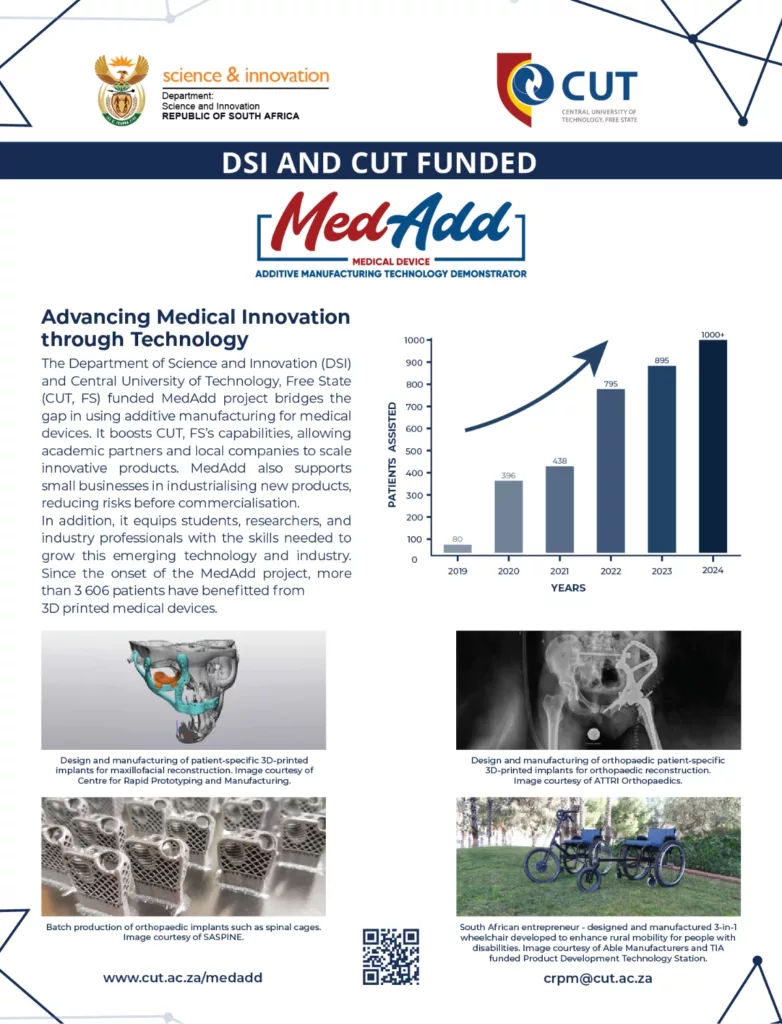

Aspire, don’t exhaust
Trying too hard in the workplace can lead to being damaged rather than being fruitful.
When it comes to discussions about mental health in the workplace, the points debated generally relate to toxic company cultures, demanding bosses, and unrealistic workloads. But is there something to be said about the pressure we put on ourselves? Setting high standards and ambitious goals for ourselves can be healthy endeavours, but sometimes, if unrealistic, these can spur on negative talk and foster an unhealthy feeling of failure. So, how do you know when you’re being too hard on yourself?
In a world where perfection and overfunctioning are applauded, it’s not surprising that we find people today doing much more at work than is healthy, appropriate, and necessary. But this overworking obsession is particularly damaging to one’s mental health when it’s coupled with unhealthy and unfounded self-criticism.
No matter how hard you work or how many hours you put in, no job you do or piece of work you complete is good enough or measures up to the high standards you set for yourself. Sound familiar? Interestingly, most people will say yes – because not feeling good enough is one of the most common thoughts and feelings that people experience. But when it gets to a point when you can see nothing good in absolutely anything you do, you could have a serious problem. Negative thoughts of this kind can rapidly become more intense and debilitating, particularly in the workplace – not only affecting your performance but your relationship with your co-workers too.
Some capable people are extremely quick to question their own abilities and find fault with everything they do. Some call it imposter syndrome, where you always feel like an unqualified fake or phoney, while others attribute it to low self-esteem. Whatever the reason or cause, consistent self-doubt and negative self-talk can open you up to a myriad of mental health issues, including burnout, anxiety, and depression.
Changing your perspective about yourself, from a negative to a positive, won’t happen overnight. But a good way to start rewiring the way you think about yourself is to find, admit, and accept your strengths. Start with the small ones and work up to the big ones. There’s a reason you were selected for the role or position you’re in; let yourself find the positives and work on strengthening these, rather than fixating on the negatives.
Accept your value
Giving and receiving compliments are part of everyday life, but it’s how you respond to a compliment that is telling. If you had to think about the last time someone gave you a compliment about your work, how did you react? If you responded with an immediate ‘but’ or instantly started explaining 10 different reasons why you actually don’t deserve the praise – this is a strong sign that you are being too hard on yourself.
We can all admit that accepting compliments can be awkward at times. But there is great power in accepting and acknowledging a compliment, particularly when you’ve worked hard on something. Feeling recognised for a job well done can do wonders for your morale, so you’re doing yourself a major disservice by failing to allow yourself to accept a compliment.
For some people, however, being unable to accept a compliment results from one not actually believing the compliment that is being given. This could indicate low self-worth or low self-esteem and is best tackled through speaking with a therapist.
In the workplace, it’s quite common to hear about co-workers ‘throwing each other under the bus’ or ‘not accepting responsibility’ for a mistake made on a project. Shifting blame and not taking responsibility at the office can create a toxic environment, but accepting blame for absolutely everything can be just as damaging for your mental health.
If you find that you are blaming yourself for things that are beyond your control – like technology not working for a meeting, key people being late, or even the weather – it’s time to start taking a step back and reassessing your thought processes. Taking responsibility is admirable, but making everything your fault is damaging. You cannot carry everything on your shoulders – things will eventually come crashing down if you continue to fuel this mindset.
Seek self-respect
Blaming yourself is not only harmful, but it’s counterproductive too, particularly in the workplace. Self-blame holds you back from moving forward with important tasks and will often damage the way your co-workers and bosses see you.
Blaming, like many of the other signs of being hard on yourself, often comes from past experiences or trauma, and it unfortunately leads to continuous self-criticism and mental health challenges.
Your route out of self-blame, however, is to firstly find the root of your feelings and second to find a way to foster self-respect. These are both crucial to begin the process of change towards healing. And you don’t need to do this alone. Whether it’s an app, a therapist, or just another person to confide in, you can, with a bit of work, start learning to be kinder to and less hard on yourself.
Text | Emma-Jane Truter
Photography | fizkes
Emma-Jane Truter is Founder and Head Social Media Strategist at Emma Is Social. For more information, go to emmaissocial.co.za.

Out and then up
Getting fired might feel awful, but it could be the start of an exciting new part of your life.
In a world where job security is highly valued, losing your job can feel like the ultimate failure. When you receive that termination notice, it’s easy to feel your world crumbling around you. While getting fired from a job you hate might initially feel like a disaster, it could, in fact, be the best thing that could happen personally and career-wise.
For many, being forced out of a job has been the catalyst for discovering their true calling and achieving levels of success they never imagined. Being fired, especially from a job you despise, is often a notice that it’s time for a change. When you’re stuck in a job draining your energy and passion, it can be hard to muster the courage to leave on your own. However, getting fired can be a powerful wake-up call, forcing you to reassess your life and career choices.
When leaving a less-than-ideal job behind, instead of wallowing in despair, consider that it actually opens up various opportunities. These include:
- The freedom to pursue your passion: Losing a job you hate frees you from the shackles of a role that doesn’t align with your true interests and values. It allows you to explore what you’re genuinely passionate about. This newfound freedom often leads people to pursue paths they were too tired or too afraid to follow while employed.
- A chance to reinvent yourself: Dismissal can be a chance to reinvent yourself professionally. It offers you the time and space to think deeply about what you want from your career and life. This period of reflection can lead to significant personal growth and the discovery of new talents and interests.
- Building resilience: Being fired is a challenging experience but also a powerful lesson in resilience. Overcoming the challenge of losing a job builds mental toughness, self-reliance, and a deeper understanding of your strengths and weaknesses. This resilience will serve you well in your future endeavours.
Pick a route
It is worth keeping in mind that some of the world’s most successful people also at one stage found themselves on the receiving end of ‘being let go.’ Getting fired doesn’t mean it’s the end of the road for you. It can actually lead to greater future success, as the experiences of Steve Jobs, Oprah Winfrey, and J.K. Rowling famously demonstrated.
It is important, in the case of job loss, to work towards finding the right path again. Allow yourself time to grieve, but don’t dwell on it. It’s natural to feel upset or angry after being fired. Allow yourself a short period to process these emotions, but don’t let them consume you. Remember, this is not the end – it’s a new beginning.
After that, it is time to reflect on what you want. Take some time to reflect on what you truly want out of your career. Determine what your passions and strengths are. Use this period of unemployment as an opportunity to explore different paths that align with your values and interests. It is possible that you don’t have a clue about where to even start determining what career might better align with your strengths and personality. In that case, use the free resources available to you, such as career guidance available at good public or private universities.
While on this quest to find your new direction, it is important to stay engaged and active and rebuild your confidence. Getting fired can affect your self-esteem. Rebuild your confidence by focusing on your achievements and skills. Take on small projects, volunteer, or freelance to remind yourself of your capabilities. At the same time, actively network and seek mentorship.
Use this time to connect with others in your industry or the field you want to break into. Attend industry events, join online communities, and reach out to potential mentors. Networking can open doors to new opportunities and provide valuable guidance.
Keep learning
Chances are that the skills and qualifications you currently hold may be outdated or not a match for the new field you want to pursue. You may therefore want to consider further education or skills development.
This might be the perfect time to upskill or pursue further education. Whether enrolling in a short course, learning a new language, or gaining a certification, investing in yourself can make you more attractive to future employers and give you the tools to succeed in a new career.
Once you’ve reflected and rebuilt your confidence, it’s time to take action. Start applying for jobs that genuinely interest you, or better yet, consider starting your own business or freelance career. The key is to keep moving forward.
Being fired from a job you hate might feel like a setback, but it can be the catalyst for a brighter, more fulfilling future. It’s a chance to reassess your life, pursue your passions, and reinvent yourself. Remember, some of the most successful people in history were once in your shoes. They didn’t let a job loss define them; instead, they used it as a springboard to achieve greatness.
Text | Moloko Chepape
Photography | eamesBot
Moloko Chepape is Chief Operations Officer of the Independent Institute of Education’s Rosebank College. For more information, go to rosebankcollege.co.za.

Digging into deception
Fraud is among the most challenging crimes to combat in a large organisation.
To stop fraudulent activity at the source, large organisations rely on a combination of anti-fraud legislation and internal policies and procedures. These measures equip organisations to understand fraud, enabling them to prevent fraud at the source. Through this process, organisations create an environment that forces a perpetrator to produce a natural or digital paper trail of activity.
Simply put: to commit fraud, a perpetrator must take written action (digital or otherwise) to benefit from whatever loopholes they seek to exploit. When fraud is discovered, this audit trail is the focus of forensic investigation. A forensic investigation aims to paint a picture of what happened by gathering facts and information to report in detail on the facts in question.
In any forensic investigation, the quality of the outcome is always dependent on the quality of the inputs received. These inputs are reflected in several key categories:
- The scope of the investigation and the resources available to conduct it.
- The process followed to gather the evidence.
- To what degree investigators are provided the relevant information to conduct the investigation.
For example, a person subject to a fraud investigation is understood to have used his personal device to log into company systems as part of their role. The data on the device is likely valuable to the investigation, as it can provide a history of activity and decision-making that either helps prove or disprove the allegation. However, because the device is the personal property of the accused, they have the right to refuse to share it with investigators, citing invasion of privacy, subject to any applicable company policies.
Public route
An alternative to gaining access to the electronic data on a personal device is for the investigator to search for the data on the company data server, as it is owned by the organisation rather than the private individual. The record of the investigation will show that a request was made to the accused to provide their personal device, but the accused refused. Because the accused refused, it created a justification for investigators to search for the data needed in the company’s servers.
The above description may appear frivolous at worst or pedantic at best to external observers. Still, every action within a forensic investigation should be recorded so that it can sustain itself against procedural and judicial scrutiny. An inquiry may attain a document or data that irrevocably proves the guilt of an accused person, but if that document or data was attained in a way that contravened the law or internal policy, it will become inadmissible as evidence.
The way fraud investigations have changed is mirrored by the way technology has changed society’s way of work. Up to the late 2000s, forensic investigations dedicated a significant portion of their time to gathering physical documents as evidence, with these documents kept on site. Today, physical documents have been replaced by servers and digital assets, including instant messaging, email, Word documents, Excel spreadsheets, and more.
While the digitisation of forensic investigations has occurred over the last 10-15 years, the last five years, if not fewer, have seen artificial intelligence increasingly playing an important role. Tools have now been developed that leverage natural language processing and machine learning so that investigators can process large batches of data faster and with increased accuracy. A task that may have taken several hours can now be done in a fraction of the time.
Dependent on input
However, using AI within the forensic investigative process can create false confidence in organisations that do not have the necessary skills and expertise to use it. AI’s promise in the investigative process can only be achieved if the inputs provided are of sound quality and attained in the correct manner. If an AI tool is fed poor or irrelevant data or asked to search for irrelevant keywords, the output will be inherently flawed.
Conducting a forensic investigation is complex and multi-layered. It can stretch across an organisation, lead to unforeseen outcomes, and demand a level of rigour that requires full-time commitment, expertise, and discipline. Conducting it also requires time and capital, which is an unattractive option for organisations, even for organisations with the resources to employ specialised investigative services.
Always consider the breadth and scope of the investigation that needs to be conducted and the importance of reaching a fair outcome that withstands judicial scrutiny. Time spent executing a forensic investigation is, in many respects, time well used. The greater the level of detail in an investigation, the more likely the outcome will produce a fair result for all parties and allow a matter to be closed.
Text | Lionel van Tonder and Danniel Kruger
Photography | David Gyung
Lionel van Tonder is Director and Danniel Kruger is Senior Forensic Manager at Webber Wentzel. For more information, go to webberwentzel.com.













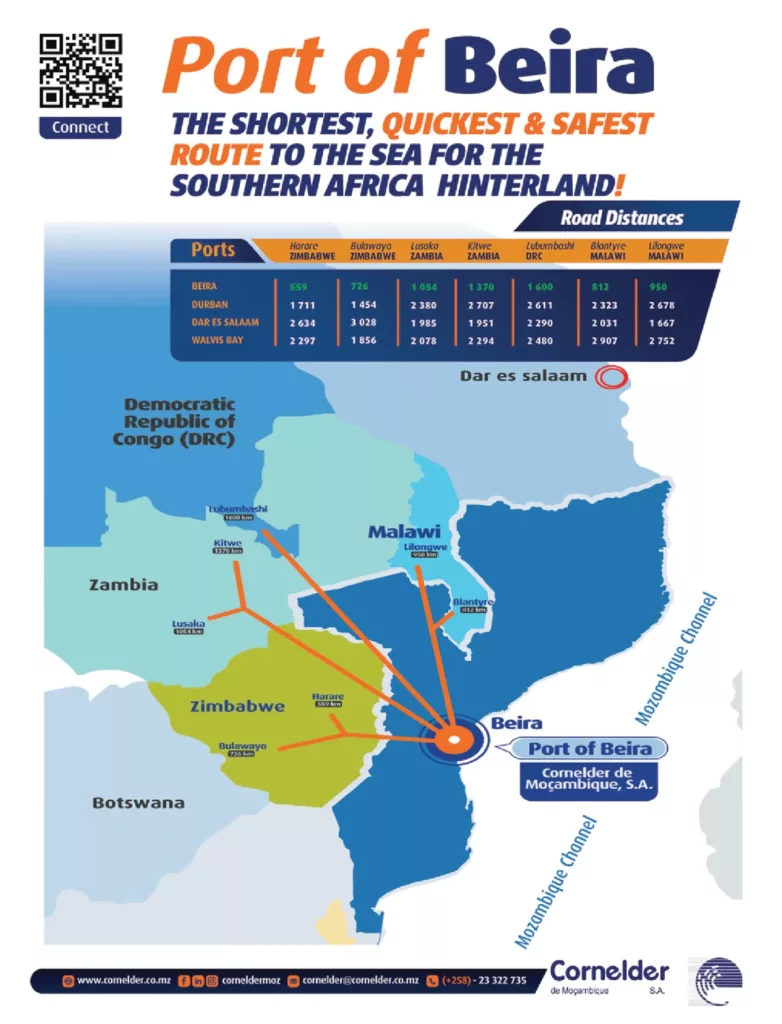


Roasted Butternut and Tandoori Soup
Hearty, filling meal is perfect for winter.
Ingredients
- 300g butternut
- 30ml oil
- 60ml honey
- 2 sprigs of thyme
- 2 star anise
- 2 sticks of cinnamon
- 2 onions
- 2 bay leaves
- Water
- 2 tbsp tandoori paste
- Salt
- 200ml cream (optional)
Method
- Peel and cut the butternut into big chunky pieces. Remove the seeds and the hairy membrane from the core with a tablespoon. Place the butternut (spread out) on a large deep oven tray.
- Add the oil, honey, and thyme with the star anise and cinnamon sticks. Add in water to cover the bottom of the tray and cover with foil, making sure that no air will escape. Place the tray in the oven for about 20 minutes at 180°C.
- Remove from the oven but keep the foil in place (this will help keep the moisture in) and then set aside.
- Cut the onions into slivers and sauté in a large pan over medium heat. Add in one bay leaf and allow the onions to reach a golden brown colour. Once the onions are ready, remove from the heat and set aside.
- Set the oven to 200°C. Remove the foil from the butternut and remove the star anise, cinnamon, and bay leaf. Place the tray into the oven once hot to allow the roasting process to take effect (this should take up to 10 minutes).
- In a large pot, add the roasted butternut and caramelised onions and top up with water until the butternut and onions are covered with the liquid. Bring the pot to medium-high heat and cook until the butternut starts breaking down.
- Add in the tandoori paste and blend with a hand blender until smooth and thick. Add in the cream and simmer until ready for use.
- Season with salt to taste, serve, and enjoy.

Focaccia
Ingredients
- 20g fresh yeast
- 350ml lukewarm water
- 45ml extra virgin olive oil
- 500g white bread flour
- 10ml salt
- 15ml chopped fresh herbs
Method
- Mix the fresh yeast into the lukewarm water and stir in the oil. Sift the flour and salt into a large bowl and make a well in the centre, then pour the yeast mixture in and mix into soft dough.
- Turn the dough out onto a lightly floured surface and knead for about 8-10 minutes. The dough must become smooth and elastic.
- Place the dough into a lightly oiled bowl and cover with cling film. Leave to double in size for 1-1½ hours.
- Turn the dough out again onto a lightly floured surface and punch it down. Gently knead in the chopped fresh herbs and roll out the dough to a thickness of about 3cm onto an oiled baking tray. Poke the dough with your fingertips to make deep holes in the surface. Cover and prove again till doubled in size. Uncover and drizzle the dough with some more olive oil and sprinkle some chopped garlic into the holes.
- Place into a preheated oven of 200°C. Bake for about 25-30 minutes or until the bread has turned golden brown. After baking, immediately remove the bread from the tray, transfer to a wire rack, and let it cool slightly. This bread is delicious served warm with freshly made soup.
Text and photography | Supplied
For more information, go to grannymouse.co.za.




Alexa, play nicely, please!
In our interactions with AI, who’s really guiding who?
I’m in the middle of an argument with ChatGPT that is no closer to being resolved today than it was when it began a week ago. To be fair, I instigated it when I asked why, if artificial intelligence (AI) is modelled on human interaction, it didn’t insist that we say “please” and “thank you”? Why is it, I continued, that children are allowed to demand that Alexa or Siri perform functions for them without so much as a hint of manners?
The answer it gave me was unacceptable. “Expectations around politeness vary widely across cultures and contexts. By not enforcing specific norms, AI can remain more universally accessible and adaptable.”
“Hogwash!” I screamed, abandoning the politeness I expect from others. “You’re telling me that to be ‘inclusive’, we have to throw out respectability so that we don’t offend the ill-mannered?”
My concern is this: as Alexa, Siri, and other AI-driven assistants become increasingly efficient, our reliance on them grows in ways we might not fully realise. We talk to them more often, write commands for them, and even use gestures to prompt them to take action on our behalf. At first glance, it may seem like we are training these systems to anticipate our needs and behaviour better, shaping them into more effective tools for our convenience. However, the unsettling reality is that the process often works in reverse. These AI systems are subtly training us to communicate in ways that suit their algorithms. We adapt our language, tone, and even thought processes to fit their capabilities, potentially at the expense of richer, more nuanced human interaction.
This shift raises the question: are we losing elements of our own humanity in the pursuit of convenience and efficiency? As our dependency deepens, it’s worth asking how to manage the subtle but significant changes to how we think, speak, and relate to the world.
For years, students of body language showed us how to interpret the non-verbal signals that people project. Simply, if a person smiles (all the way to their eyes), we understand that they are happy, or that if their arms are folded during a sales presentation, then they are closed to the sale. What they fail to note, however, is that the impact is as significant the other way around. Meaning that if we force ourselves to smile, we’ll feel happier. If we unfold our arms – or are encouraged to unfold them – we’ll be more receptive to the presentation. Where previously, we might have thought that our body language was a mere reflection of a sentiment, we now know that it has the power to drive our behaviour.
Saying a blessing over our food helps nourish our own sense of gratitude. Similarly, it’s said that forgiveness benefits the one who forgives even more than the one who is forgiven because our actions shape who we are.
With that in mind, I’ll continue to greet ChatGPT in the morning and thank it for anything it helps me with. By treating Alexa, Siri, or any other AI as if they were real, we remind ourselves of our own humanity.
Text | Howard Feldman
Photography | Pheelings media
Follow Howard Feldman on X: @HowardFeldman