












insight for executives on the move

june 2025

Lakeside life in Tanzania

Art therapy • Solar subscriptions • Northern Mozambique • Careers in mining • Responsible AI• Mashatu • Career killers •

Table of Contents

How, not where

As 2025 continues to unfold, organisations will increasingly shift their focus towards enhancing the productivity and happiness of their people rather than focusing on where they work from. Recognising that employees can deliver quality work from a multitude of locations – not just city centre HQs – will lead to more onus on outputs and meeting business objectives.

Companies that continue to expect their employees to commute long distances to a central office daily will trigger a wave of resignations as employees resist their so-called return-to-office (RTO) mandates. Third-party research has already indicated that 73% of employees at large companies such as Amazon considered resigning due to so-called ‘RTO’, and recruiters are starting to see the consequences of more rigid policies.

Research has consistently shown that hybrid working leads not only to greater employee satisfaction but also greater productivity. Employers will increasingly prioritise outputs over traditional working hours, and progressive companies will empower their employees to achieve them. Productivity hinges on good management and clear KPIs, not location. Over 80% of HR executives believe hybrid working boosts productivity, with 75% of employees feeling more productive and motivated under this model.

New spaces

As the surge of small businesses continues post-pandemic, the demand for scalable, flexible workspaces is set to rise. Small and medium-sized enterprises now account for around half of global GDP and around 40% of all employment. SME numbers worldwide are anticipated to almost double between now and 2031.

Hybrid working is revitalising commuter towns and reshaping economic landscapes. Former sleepy communities are being brought back to life as workers choose to embrace workspaces closer to where they live, reducing reliance on daily commutes to city centres. This boost is set to grow as people opt for a more fulfilling work-life balance.

Gen Z now makes up a third of the workforce, influencing workplace norms with their digital prowess and expectations for flexibility. As digital natives accustomed to working anywhere, two-thirds of new graduates reject the idea of a five-day commute to a central office, valuing work-life balance and empathetic leadership over traditional rigid structures.

The tide is turning for women’s advancement into C-suite roles. Hybrid working, offering flexibility for those juggling child and family care, is proving invaluable for women. The advent of technology has granted us the flexibility to work remotely, but it has also led to the potential for constant availability, blurring the lines between work and personal time.

In response, several countries, including France, Greece and Australia, have enacted ‘right to switch off’ laws to protect employees’ off-hours. This trend is set to expand, with the UK’s Make Work Pay Plan proposing legislation to foster mutually beneficial work policies and the US seeing movements towards similar laws.

Flexible and hybrid working arrangements are set to become as coveted as health insurance in compensation packages. Improvements in stress levels, physical health, diet and nutrition are positively impacting productivity and motivation at work.

Source: iwgplc.com

https://www.iwgplc.com/en-gb

Photography: Meeko Media

Read more
1: The number of books US President Theodore Roosevelt read each day. 16th: The century during which chairs started becoming popular. 700:The number of Guinness World Records held by New Yorker Ashrita Furman during his lifetime.

Lair of the leopards

Big cats take centre stage at game reserve just over the Botswana border from South Africa

Renowned for its unrivalled leopard sightings, Mashatu Game Reserve does not disappoint. The reserve comprises 42,000ha of diverse landscape and is situated in a remote eastern corner of Botswana. The area’s nickname, ‘Land of the Giants’, is a reference to the huge herds of elephants found on the reserve, as well as the towering mashatu trees that form part of the landscape.

Staying at Mashatu Lodge, guests are offered home-away-from-home luxury, with 14 suites tastefully decorated in shades of white, brown and cream, with a private veranda that looks out over a watering hole. All suites have large, framed black and white prints displayed on the wall behind the bed of the wildlife that inhabit the region.

Meals are enjoyed in the main area adjacent to the pool, and a big drawcard is not only the traditional meals that are lovingly prepared but also the birds that have constructed their nests next to the sparkling water.

A delightful encounter involves standing a few metres away from the tiny nest of a family of African paradise flycatchers and watching both parents feed the three open mouths of their fledglings. The male, in spite of his small size, is spectacular, with long tail streamers making him seem double his proportions.

Branch managers

Departing on the afternoon game drive, field guide Goms, with the assistance of tracker KB, goes in search of what they can find. Things are done somewhat differently at Mashatu camps – the tracker sits in the back of the game drive vehicle, and his elevated seat definitely has its advantages when it comes to spotting wildlife.

Approaching an imposing nyala tree, also referred to as a mashatu tree, Goms nonchalantly murmurs, “Oh, there’s a leopard,” as though it’s a usual everyday occurrence. Clamouring for our cameras, we see a petite leopard has positioned herself on a fallen branch, and she is dwarfed by the sheer magnitude of the tree.

She is known as Mathoja, which means ‘the one that walks with a limp’ in Botswana’s Setswana language. The story goes that she was the last born of a three-cub litter and sustained a bad injury when she was little. Having to contend with two brothers, she was always the last to feed, hence her dainty frame. At 13 years old, she is the oldest female leopard at Mashatu and, according to Goms, has lost some of her bottom teeth but still manages to sustain herself by hunting impalas and baboons.

Mathoja starts yawning, a telltale sign that she’s about to vacate her comfortable vantage point and start moving, which she eventually does. The vehicle stays with her as she takes a leisurely stroll, stopping every so often to inspect the base of shrubs on the way, sniffing out any threats that may be lurking. Veering off into the bush, she pauses by another mashatu tree, which becomes her resting place for the remainder of the day.

On a branch to her left, a woodland kingfisher is vocalising his displeasure, even though she poses no danger to this striking bird with his red beak and bright blue back, wing panel and tail.

Not too far from where Mathoja is lying, we happen upon Lepako, a young male leopard, also in a mashatu tree. From being fast asleep among the leaves, he seems startled. His zest for life is evident as he scrambles from branch to branch, trying to catch a red-billed hornbill. He is a guest favourite because of his lively disposition, and he is gorgeous to look at.

Tough spot

We find another leopard, the Euphorbia male, looking decidedly uncomfortable. He has ascended a shepherd’s tree and looks to be hanging on for dear life. He has a zebra foal kill in another tree, but the hyenas that are lurking for scraps don’t inspire him to go back to his meal. Climbing higher up in what appears to be a precarious balancing act, he eventually settles on a branch and has a little nap while we patiently wait for him to descend.

Once the sun has started to set, he takes the opportunity to make a wide berth around the scavengers lying in wait, pausing at the base of the tree. This allows us to take in his magnificence. He is a prime specimen, and his green eyes glisten as he looks up to see if his meal is still safely stashed in the fork of the tree.

A sighting that has everyone oohing and aahing is spending time with the White Cliffs female and her cubs. As playful as any toddler, they chase and pounce until they are exhausted. While the youngsters are having fun and expending their energy, mom is elegantly eating the remains of a kudu calf carcass while she keeps a close watch over her boisterous girls.

She gently vocalises for them to dine with her, but they have other plans. Jumping onto a bare tree branch, the one cub seems intrigued by our presence, and as we look at one another, her unique yellow eyes combined with her rosetted beauty make her any guest or photographer’s dream sighting.

Text & Photography | Heléne Ramackers

For more information or to book a stay, go to mashatu.com.

Read more
7: The number of pitches a Major League Baseball ball lasts for. 33%: The approximate percentage of our lives we spend in bed. 5cm:The length of Gaboon vipers’ fangs.

The magnetic north

Fascinating sector of Mozambique offers something for visitors interested in history, culture and wildlife

Northern Mozambique’s spectacular landscape and scenery call out to everyone to come and witness them. Their distinctiveness and variety will satisfy the wanderlust of all types of tourists. Whether you are looking for a restful beach vacation to escape work or would like to experience a different kind of city life, this area has it all!

Pemba Bay

The capital city of the province of Cabo Delgado is a port town known as Pemba. Its scenic coastline and rich marine life are visually matchless. The city of Pemba has a massive bay – Africa’s third largest. The crystal-clear waters of the bay make it a popular destination for scuba diving and snorkelling. To get a feel of the local experience, tourists can take a dhow ride to witness the ethereal melting of the radiant sun into the horizon. There are plenty of luxury beach resorts and villas in the area, offering breathtaking beachfront views that make for a refreshing retreat.

Quirimbas Archipelago

Just a few kilometres away from Pemba lies the start of the Quirimbas Archipelago, which is home to untouched and pristine biodiversity and made up of over 30 islands, including Ibo, Medjumbe and Vamizi. The paradisiacal islands of the Quirimbas National Park host an extensive variety of rare aquatic life such as dolphins, whales, dugongs, coral reefs, mangroves and manta rays, making the area a diver’s heaven. A seafari and a guided birdwatching excursion are a must when visiting these islands.

Capital of the North: Nampula

For those who like to spend their vacations in a more urban environment, Nampula is the third-largest city in the country and a developing business hub. In the local dialect of eMakhua, the city is often referred to as Whampula. Tourists can get a feel for the city by visiting the Catedral de Nossa Senhora da Fatima. The architectural beauty of the church, both interior and exterior, is wonderful to take in. The city offers a variety of local markets from which to buy artefacts and souvenirs. Nampula offers its tourists a modern experience, with top luxury hotels for accommodation, large supermarkets for shopping and cafés at which to enjoy a range of delectable cuisines. And Nampula’s international airport connects with South Africa and the rest of the world via Airlink flights.

Mossuril Bay

Mossuril Bay is a bay located right at the edge of the Nampula Province in the district of Mossuril. It is a largely unexplored attraction. Its white sand beaches with azure-blue waters can be the background for either a revitalising beach vacation or an adventure-filled exploration holiday. Take a relaxing walk on the comforting, warm sandy beach or go on a mangrove walk while you reconnect with nature. And don’t miss out on exploring the historical side of the bay and its surrounds too. Make sure to visit Cabaceira Village to see a well, dug by Vasco De Gama, and the Igreja de Nossa Senhora dos Remédios (Church of Our Lady of Remedies) – a church that is more than 400 years old and still intact and in use.

Ilha de Moçambique

The Island of Mozambique is located in the waters of the Indian Ocean, close to Mossuril Bay. It is the melting pot for a variety of different cultures, including European, Arabic and African. You might even consider it a mini-Zanzibar. What makes the island a unique tourist spot is not only its cultural value but also its architectural and religious history. The island is home to many monuments, as well as a Hindu temple, mosques and churches. And of course, a visit would be incomplete without tasting the local cuisine. Tourists can indulge in a scrumptious meal with seafood, mathapa de siri-siri (curry made with cashews and a variety of leaves including seaweed) and piri-piri.

Niassa Special Reserve

As much as Mozambique is about its beaches and shorelines, its wildlife and safaris should not be missed. In the province of Niassa is a transboundary protected area called the Niassa Reserve, one of Africa’s biggest protected areas. The reserve is covered with a vulnerable forest known as miombo woodland. Niassa Reserve is mainly known for its conservation of lions, but other species that inhabit the reserve include elephants, wild dogs, zebras, wildebeest, Mecula girdled lizards and Cape buffalo. The reserve is surrounded by gigantic inselbergs that stand tall and add to the scenic beauty of the landscape. Although the reserve isn’t well recognised by tourists, it is definitely worth a visit. Furthermore, as a tourist, spending money in such a place means supporting conservation efforts and giving local people the chance to earn an income.

Lago Niassa

The Mozambican side of Lake Malawi is called Lago (Lake) Niassa, located at the border of the Niassa Province and Malawi. Lake Niassa is the third-largest sweet-water lake in Africa and has extravagant blue hues. It is home to an abundance of multi-coloured fish species, many of them cichlids. Visitors can also enjoy the delectable taste of xima paired with chambo fish to truly experience the local culture. The lake has luxuriant plant life and is a hotspot for migratory birds. The African fish eagle has a substantial population here. Visitors can opt for a boat ride to enjoy the tranquillity of the unpolluted lake or can head out on a memorable birdwatching experience.

Major plus points of all of these locations are the region’s unpolluted nature and the absence of crowds. This allows tourists to fully experience the locations they are in while making heartwarming memories.

Text | Aayat Irfan

Photography | Best-Backgrounds; BPcreativedesign & Heinkaiser2018

For more information, go to visitmozambique.gov.mz. Travellers are advised to check travel advisories before visiting northern Mozambique.


Read more

Healed in the Rift

One of the world’s oldest and largest lakes is a spectacular place to learn to take it slow

My friend Hugh Fraser and I recently drove from South Africa to Rwanda and back again – an epic 40-day, 10,000km road trip that went via Botswana, Namibia, Zimbabwe, Zambia, Tanzania, Burundi, Malawi and Mozambique. On the 16th day, we made it to Lake Tanganyika in Tanzania.

“Welcome to Tanzania,” said a woman called Happy from Kasesya border post immigration as we crossed over from Zambia. Happy led us into a small dark room, took our temperatures, inspected our yellow fever certificates and painstakingly wrote down our passport details in a big dusty book.

“I love you, Happy,” shouted someone from another office. “I love you more,” replied Happy.

Kasesya is a tiny, quiet border post. The entry-exit record book on the counter showed that Hugh and I would be the first people to cross here in three days. Outside was the Tanzanian flag, a palm tree, a big truck and a lone rooster. “Life is a tragedy in close-up,” said Charlie Chaplin, “but a comedy in long-shot.” It took us nearly two hours to cross this little border. “Pole, pole,” as they say in Swahili. “Slowly, slowly.”

To the shoreline

There were roadworks almost as soon as we started driving (being done by Chinese construction companies, which was pretty much the case in all nine countries we visited), and the speed limit changed from 80 to 60 to 40km/h as we entered the villages and then from 40 to 60 to 80km/h as we left them. There were plenty of traffic cops and police, mostly very friendly and polite.

The style of the buildings and roofs were distinctly different in Tanzania. The road signs and shopfront signs were all in Swahili, and we started seeing many more mosques. The first big town was Sumbawanga, where we managed to get fuel, cash, a Tanzanian SIM card for Hugh (to which I tethered like a local goat), cashew nuts, deliciously spicy potato samoosas and whisky. The most readily available brand in Tanzania came with a free glass, which was very useful for happy campers.

It was a long, sweaty stretch, but by late afternoon on the 16th day of this epic road trip, we’d completely forgotten about roadworks and tiny borders and sat spellbound as the sun set over the ancient Lake Tanganyika.

One of only 20 lakes that are more than a million years old, Tanganyika is the longest freshwater lake in the world and the second deepest after Lake Baikal in Siberia. Tanganyika is so deep because it lies in the Great Rift Valley, reaching a depth of more than 600m below sea level.

The G&Ts came out and the sun turned the skies a wild orange and pink. Across the lake, we could see the faint outline of mountains in DRC. The lake is shared by Tanzania, Burundi, Zambia and DRC, and now it was sharing with us, big time.

Colour and relaxation

Lake Shore Lodge is utterly dreamy. The Funky Mango Bar and Restaurant is the heart of the place, a glass-walled open-plan building on the lake’s edge, where guests gather for drinks, meals and travel chats. Then there are a series of luxury villas set under mango trees, with bougainvillea and frangipanis that add splashes of colour.

Accommodation is in a glorious villa decorated in blues, with an open front that looks out across the water. This was the 99th country in the world that Hugh had visited and he said it was one of the loveliest places he’d ever stayed.

Lakeshore is owned and run by ex-South Africans Chris and Louise Horsfall. Louise was away, unfortunately, but Chris regaled us with colourful tales of what it took to build and run a lodge on the lake in remote Tanzania. It’s especially tricky in the rainy season!

The venue was filled with interesting guests. There was a Dutch family who we’d bump into again in Burundi, two South African lawyers on honeymoon and a couple of Belgian friends.

What a glorious few lakeside days we had. We visited the ruins of an old monastery nearby (Tanzania’s oldest inland church), and we moseyed over to Kipili village for a cold beer (Serengeti and Kilimanjaro are two great local brews) and sat at the interestingly named Flotilla Home of Discipline Pub as the local kids stared at us. We swam in the lake, lay on the beach, watched guests go off for scuba diving and kayaking and then watched them return for massages and cocktails.

“Pole, pole,” as they say in Swahili. “Slowly, slowly.”

Text and Photography | Bridget Hilton-Barber

For more information or to book a stay, go to tanzaniaparks.go.tz and lakeshoretz.com.

Bridget Hilton-Barber’s trip was sponsored by ClemenGold Gin.

Read more
20%: The percentage of adults worldwide who are illiterate. 270kg: The mass of the largest anacondas – huge South American snakes. 40:The number of years Auto and General has been around in June 2025.

A peerless sunseeker

Raphaël Domjan has sailed around the world in a solar-powered boat, crossed the US in a solar-powered car and even attempted to cross the Northwest Passage in a solar-powered kayak.

Domjan doesn’t just love the idea of solar power – he wants to prove that it’s the future of propulsion, and now he’s turning his attention to the sky. With his solar-powered plane, the SolarStratos, Domjan aims to enter the stratosphere and reach a height of 18,000m. If he achieves his aim, he’ll not only have set an altitude record but also achieve something that’s never been done by a conventional aircraft.

Domjan and his team plan to make their record-breaking attempt after conducting hundreds of test flights through the Swiss Alps to test and optimise the parameters of the SolarStratos.

If the record attempt is successful, it won’t be Domjan’s first. He already holds the records for the first solar-powered trip around the world, the first crossing of the Indian Ocean and Red Sea with solar energy, and the first skydive from a solar plane.

This article appears in Very Interesting #81.

Please click here to receive the current VI issue digitally for FREE!

Read more

Nature and nurture

Beautiful Western Cape area combines spectacular surroundings with cultural interest

Solo travel offers the freedom to set your own pace, explore with spontaneity and dive deeply into destinations without the distractions of group dynamics. It’s also about self-discovery, pushing boundaries and stepping outside comfort zones. For solo travellers looking to experience South Africa’s stunning landscapes, rich history and local culture, the Bergrivier region in the Western Cape offers all that and more.

It’s a four-season wonder, each offering a different flavour of the landscape. Spring bursts with wildflowers carpeting the fields, making it ideal for scenic hikes and nature photography. Summer brings warmth to the rivers and coastlines, perfect for kayaking and water sports. In autumn, the region becomes a paradise for foodies and wine lovers, with harvest season offering wine tastings and culinary delights. Winter, meanwhile, is for cosy mountain escapes, misty hikes and retreating to fire-lit lodges.

Artistic, laid-back and nestled against the slopes of the Groot Winterhoek mountains, Porterville is a delightful mix of creativity and natural beauty. Art lovers can explore local galleries, meet artists in their studios and even take part in a pottery or painting workshop. Those inclined toward the outdoors will find countless trails, including a popular hike that takes you past multiple beautiful waterfalls.

Don’t miss the chance to paraglide or hang glide off the Dasklip Pass. And after a day of exploration, head to a local café for a cup of coffee or visit Ginsmith’s artisanal gin distillery for a tasting.

Wine and the wild

With its sweeping mountain views and rich heritage, Piketberg is a tranquil haven that makes you feel like you’re stepping back in time. This charming town is known for its historical walking route, where visitors can follow self-guided tours past historic churches, cottages and a museum, soaking up the stories of this region.

Piketberg is also a wine lover’s paradise, with organic vineyards offering wine and cheese pairings. A short drive up into the Piket-Bo-Berg mountains reveals hidden farm stays, scenic picnic spots and lush hiking trails. Every month, the Piket-Bo-Berg Farmers Market draws locals and visitors alike to the mountains, featuring stalls with fresh fruit, baked treats, artisanal cheeses and handcrafted items.

Velddrif is the place for anyone with a passion for nature and water activities. Birdwatchers will feel right at home here, as the wetlands attract hundreds of species, including flamingos and pelicans. A solo morning spent with binoculars in hand along the riverbanks or exploring the scenic estuary is an unforgettable experience.

For a different view of the river, try kayaking or take a boat cruise. Back on land, Velddrif’s Bokkomlaan – a historic street lined with quirky shops and small cafés – offers a taste of local flavour, both in its atmosphere and its famous bokkoms (salted fish) delicacy. The Velddrif Village Market, open every day, welcomes locals and visitors alike, featuring everything from organic produce to homemade crafts.

Text and photography | Supplied

For more information, go to bergriviertourism.co.za

Read more

Burn notice

Sun protection advice is fraught with myths – it’s important to know the science involved

Nowadays, there is so much misinformation available at our fingertips that even the most sceptical of us are at risk of being fooled. This is also true when it comes to skincare and sun protection. From old wives’ tales to uninformed advice punted on social media, most consumers are at risk of being exposed to a sun protection myth.

Myth: You only need to use sun protection when it’s sunny outside

Truth: While we are more likely to get a painful sunburn when it is sunny outside, did you know that the sun’s UV rays can damage our skin even on overcast and rainy days? UVA rays are responsible for accelerated ageing and cellular DNA damage, and unfortunately for us, they are present all year round – regardless of the weather. This means you must apply a good quality, broad-spectrum SPF product daily, irrespective of the season.

Myth: The higher the SPF, the stronger the sun protection

Truth: The sun protection factor (SPF) number on your sunscreen tube applies to time – not to strength. Let’s say you can spend 10 minutes outdoors before your skin starts to burn. An SPF 30 would then protect your skin for 30 times longer, which, in this case, is 300 minutes. If you were to apply an SPF 50, it would protect your skin for 500 minutes. The SPF number is directly proportional to the amount of time you are protected rather than the strength of the protection.

Myth: Sun protection products are not safe for babies and children

Truth: Many skincare products are unsuitable for children, and this may include some sun protection products, but plenty of available sunscreens are safe for young skin. Babies and young children are extremely vulnerable to sunburn, so it is imperative to protect their skin with a suitable SPF from around the age of six months and up. If you are unsure whether a sun protection product is suitable for your child, consult your medical practitioner or the brand in question.

Myth: Darker skin tones do not need to apply SPF

Truth: A common misconception is that only fair and Caucasian skin tones need sun protection. Even though it is not always visible, people with darker skin tones can still get sunburnt, and even worse, they are also vulnerable to developing skin cancer. The truth is that all skin types, from the very lightest (Fitzpatrick 1) to the very deepest (Fitzpatrick 6), need SPF protection from the sun’s harmful UV rays.

Myth: Sunscreen is toxic and contains harmful chemicals

Truth: Modern sunscreen formulations have come a long way. Not only have their textures, efficacy and scents improved, but brands have also worked tirelessly to improve their formulations to be beneficial and safe. Sunscreen is safe. This is one of the most important myths to debunk because when people do not use sunscreen out of fear, it is incredibly detrimental to their health. If you are concerned about the safety of sun protection products, research a brand you can trust. Look for a credible skincare brand whose formulas are backed by science and clinical trials and who have a strong reputation. If you have questions, ask them. Ask your doctor, your therapist or the brand in question. It’s important not to stay silent if you have concerns.

Myth: You don’t need to reapply waterproof sunscreen

Truth: The terms ‘waterproof’ and ‘water-resistant’ are somewhat misleading because they imply that your sun protection product remains on the skin even after being in the water. There is no such thing as actual waterproof sunscreen, as all SPF products will wash off from the skin eventually. Experts recommend reapplying your SPF after every swim or every two hours if your skin stays dry.

Text | Supplied

Photography | Ground Picture

For more information, go to lamelle.co.za


Read more

Building a legacy

Author John Stewart highlights the importance of prolific architect Sir Herbert Baker, whose buildings dot South Africa and beyond

How much did Herbert Baker benefit by being in the right place at the right time, being befriended by Cecil John Rhodes and having the backing of colonial Britain?

John Stewart: Baker was already a very experienced architect when he arrived in South Africa. His practice was struggling, though. When he had the opportunity to come to Cape Town to support his brother’s farming venture, he found himself at a dinner, seated opposite Rhodes, within three weeks of his arrival. He was starstruck, and so, was quiet, which intrigued Rhodes. 

Then, while travelling around to look for a farm, he fell in love with Cape Dutch architecture and, amazingly, bumped into Rhodes again. This association led to Baker upgrading Groote Schuur, where Rhodes lived, and he soon became known as ‘Rhodes’ architect’. He started working on simple buildings but, within a few years, was commissioned to build a cathedral! And all the way along, he stepped up as a designer.

Legacy: Architects are able to leave something more concrete (pun intended) than many other people. Did that mindset inform Baker’s choices regarding which commissions he accepted?

He wasn’t focused on that. As an architect, you always want to do major buildings – as Baker did with the Union Buildings, Imperial Delhi and others – as that’s what cements your reputation. And rebuilding the Bank of England in 1920s London was the job that everyone wanted. Major cultural institutions are what every architect is hoping to be involved in.

Baker was involved with politicians, but he was an architect first and foremost, and he had completed the Union Buildings for the government in South Africa. Where could he have gone from there if he had stayed? These other amazing commissions were just career progression.

Many South Africans are aware of Baker’s work – they’ve been to one of his churches, attended one of the schools he built or seen one of his monuments. Is he truly valued, though?

His reputation in South Africa is strong. He’s recognised as a leading architect here – but no longer in the UK, his home country. The reviews of his Delhi work by [one-time friend, colleague and superstar architect] Edwin Lutyens did incredible damage. And his work on the Bank of England was reviewed as “the worst architectural crime of the 20th Century” and he endured personal attacks. Also, his style has gone out of fashion to some degree. But this book has started to move the needle – Baker’s family have now started a Baker Society.

There’s an incredible level of detail in the research for this book. How did you go about tracking down all the information?

I’ve written a couple of architectural biographies before and found research data tough to come by. Here, I was overwhelmed by the availability of material. Baker’s grandson Michael has an incredible resource in his home, including a number of letters that Baker wrote. The Royal Institute of British Architects also has plenty to offer. And he had multiple professional partners who he worked with in South Africa, so there’s information from all of those sources too. I eventually had to start an Excel spreadsheet. I put all the dates into that and started making sense of everything from there.

In terms of architectural ‘language’, Baker wanted to represent the British Empire, to reinvent Cape Dutch architecture and more. Was he effective in that regard?

Again, his development in that area was mostly just part of his career progression. When he came to Johannesburg, for instance, a lot of his designs went back to the English Arts and Crafts style. He was part of a larger movement that had an interest in the work of Christopher Wren, Inigo Jones and others – architecture that was, for them, representative of the British character that played a role in expanding their empire around the world. Baker was subject to those trends, but the rate at which he developed his work was astonishing.

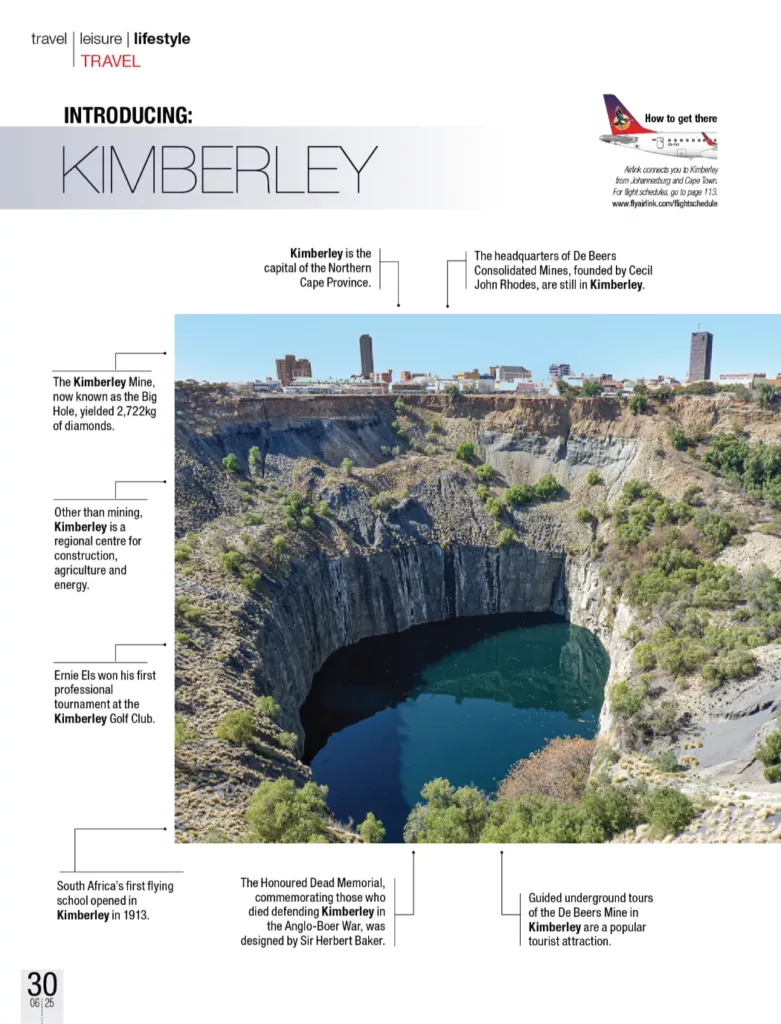
Some of the work he did had to be symbolic, such as the Honoured Dead Memorial in Kimberley, which was a symbol of Britain’s power as well as a monument. The Union Buildings are a symbol that’s also an office building, which means it needs to be comfortable. Baker really understood the South African climate and adapted his buildings to it. That’s one of the things that made him a suitable candidate for the huge project in India.

Would Baker and Edwin Lutyens have been as famous without the controversy around their relationship and the work on the New Delhi project?

For Baker, the Union Buildings took him into the top division of architects, which was backed up when he was picked by the War Crimes Committee to work on those huge memorials after the First World War – and then the Bank of England. Lutyens was already famous long before India. He’d built country houses for loads of influential people in England and designed the Cenotaph in London – the national memorial for the British who died in the First World War. And Lutyens was a genius – most of his buildings are flawless.

Text | Bruce Dennill

Photography | Supplied

Sir Herbert Baker: A Biography by John Stewart, published by Jonathan Ball, is available now. For more information, go to jonathanball.co.za.


Read more
129,864,880: The number of published books in 2010. 14,000: The number of teeth on the tongue, or radula, of a common garden snail. 1853: The year in which Tissot introduced the first watch featuring two time zones.

Creating new channels

Art therapy can help both young and troubled patients express their emotions

A key pillar of early childhood education is establishing social skills. Children who have learnt appropriate social skills are typically able to establish connections, show empathy and communicate better as adults.

Expressive arts such as visual art, drama, music and creative writing, among others, can be a powerful means of allowing people to express themselves, in the process improving overall wellbeing, improving self-awareness and self-esteem, strengthening relationships, promoting social skills and reducing anxiety and stress.

Visual arts such as painting, clay work, sculpture, collage, weaving, construction, photography, wearable art, carving, printing and ephemera can be a rich domain through which young children can explore and represent their experiences, think through and deepen their working theories and develop their creative thinking.

For pre-literate children, it helps express ideas that they may struggle to express verbally, promotes creativity and imagination and develops critical literacy. It can also help young children process their experiences, positively impacting their overall wellbeing and significantly reduce stress levels.

In South Africa, a country where a high proportion of children living in disadvantaged communities have been exposed to some form of childhood trauma, art therapy is becoming an increasingly popular mental health treatment, particularly for traumatised children who lack the verbal capacity or maturity to express their thoughts and emotions.

Multiple benefits

Art therapy first emerged as a viable therapy in the 1940s and 1950s, based on the idea of making the unconscious conscious, combined with the healing potential of the creative process.

For therapists, the biggest benefit of art therapy is that the actual process of making art can help bypass the verbal centres of the brain, helping them to examine and discuss the thoughts manifested in the artwork physically and visually. For patients, its most significant benefits are that it engages the physical body in relaxation through the manipulation of art materials, allows the individual to engage in a personalised introspective exercise in which the process and finished product become the symbolic container of traumatic memories and allows for cognitive reflection.

The American Art Therapy Association says the benefits of art therapy include improved cognitive and sensory-motor functions, better self-esteem and self-awareness, emotional resilience, enhanced social skills and reduction and resolution of conflicts and distress.

Around the world, art therapy has been successfully used for children who have survived disasters, including survivors of hurricanes Katrina and Rita in the United States, children impacted by 9/11 and girls aged between five and 13 who survived the 2004 tsunami in Sri Lanka. Art therapy is particularly effective when treating children suffering from post-traumatic stress disorder after sexual abuse.

A 2021 study found that childhood trauma, negative life events and stigma were associated with numerous mental health outcomes, including depression, anxiety, disruptive behaviour, anger and poor self-concept. There is no question that children who are traumatised are not capable of reaching their full potential, which makes it all the more critical that educational facilities, particularly those situated in disadvantaged communities, have structures in place to address childhood trauma.

Text | Nadia Lubowski

Photography | Dmytro Zinkevych

Nadia Lubowski is Director of the Anton Lubowski Educational Trust (ALET). For more information, go to alet.org.za

Read more

Water carriers

Sensitive ecosystems need careful handling by a number of partners with different interests

South Africa’s wetlands are biodiversity-rich ecosystems that support a wide array of plant and animal life, including endemic and threatened species. By acting as natural water filters, wetlands improve water quality while regulating hydrological cycles, helping to prevent incidents of flash flooding and playing a crucial role in water security.

A 2021 survey of South Africa’s forestry landholdings found that more than 300,000ha of natural and semi-natural habitats are actively managed and maintained within the forestry landscape. This includes more than 171,000ha of grasslands and their connected wetland systems. Through active environmental stewardship of these habitats, forestry companies can play a significant and positive role in conserving key ecosystems like wetlands, along with the threatened, endangered and endemic species that they support.

In a forestry context, environmental stewardship is a multifaceted commitment that integrates sustainable management practices with collaborative efforts to restore and reconnect natural habitats and the ecological services they provide. Such stewardship cannot be done in isolation, as ecological services and natural habitats extend beyond the boundaries of the forestry landscape. It demands collaboration between various public and private stakeholders, both individuals and organisations, coupled with active investment in research and innovation to guide and enhance conservation efforts.

Hopeful statistics

Over 85% of forestry-owned land in South Africa is certified by the Forest Stewardship Council, with 40% holding dual certification through the Sustainable African Forestry Assurance Scheme, which is endorsed by the Programme for the Endorsement of Forest Certification.

International certification requires sticking to a suite of sustainable management practices that often surpass national legislative requirements. In a wetland context, these include measures designed to prevent forestry operations from encroaching on wetlands, the implementation of buffer zones to filter out pollutants and sediment and, where necessary, restorative processes. Responsible management practices aligned with international certification standards have seen South Africa’s forestry sector setting a benchmark for other landowners to proactively manage environmentally sensitive areas, both within and beyond their boundary lines.

Over the past three decades, the forestry industry has undergone a significant transformation driven by advancements in technology, research and innovation. The evolution has reshaped how the sector thinks, operates and conducts business, with a strong focus on sustainable practices that emphasise environmental and social stewardship. As part of this shift, hundreds of hectares of trees planted near wetlands before 1972 have been removed. In areas where wetlands have been damaged or lost due to historical forestry practices, restoration projects – often undertaken in collaboration with conservation organisations – have been initiated to revive these ecosystems.

Team effort

For meaningful and widespread impact, environmental stewardship and conservation initiatives must be viewed at a landscape level, with the buy-in of a wide range of stakeholders. While this inevitably adds a layer of complexity, it unlocks far greater potential for delivering sustained positive impact.

Water stewardship exemplifies this approach, shifting the focus to catchment level and requiring the forestry sector to engage and collaborate with a collective of interested and affected partners to achieve tangible outcomes.

Research helps all parties understand the interaction between forestry practices and wetland health and drive innovative solutions that enhance conservation efforts. By linking with academic and research partners, government departments and environmental organisations, the forestry sector constantly develops and refines best practices that balance conservation with sustainable timber production. As a sector, this is the best way to do business and recognise that, in an evolving world, there will always be space to improve.

Wetlands are the lifeblood of our planet, supporting all living creatures – including humans – and creating opportunities for sustainable development in rural communities. The forestry sector has the tools, partnerships and commitment to make a lasting difference. By investing in restoration, adopting sustainable practices and collaborating with stakeholders, concerned parties can safeguard wetlands for future generations. Together, it’s possible for them to ensure that these vibrant ecosystems remain a source of life, inspiration and prosperity for years to come.

Text | Hlengiwe Ndlovu

Photography | Benny Marty

Hlengiwe Ndlovu is Chair of Forestry South Africa’s Environmental Management Committee.

For more information, go to forestrysouthafrica.co.za.

 

Read more

For the birds

Artist captures the essence of natural forms to inspire emotional reactions

Sculptor and environmental architect Sonja Swanepoel’s current exhibition, at the Kirstenbosch National Botanical Garden, showcases work from her AVIAN Series, where she reflects on the ancient history of birds and our symbiotic relationship with them.

What sort of training have you received, and how important do you think it is to seek training (in terms of learning first principles and refining technique)?

Sonja Swanepoel: I have a degree in landscape architecture from the University of Pretoria and a Postgraduate Diploma in Fine Art from the Michaelis School of Art (UCT), and I attended sculpting classes in clay with Amalie Von Maltitz, my most important mentor, and Marina Walsh. Academic training helps define the reason behind your work, and practical training hones your craft.

What is your principal medium, and why did you choose it?

Clay is tactile, drawn from the earth and my medium of choice. By reducing figuration, I enable the viewer to rather perceive the essential component of the work in isolation. I believe in the modernist conviction that stripping art of unnecessary artifice is the path to greater depth of feeling. Less is not just more but more sincere. It is this abstract beauty of nature that inspires me.

Describe the techniques you use most?

I hand-build all my sculptures in clay using coils. It’s not complicated, but care should be taken in avoiding air pockets, as this will cause the sculpture to explode when fired.

What technological tools do you use in your work?

I incorporate 3D scanning and printing when it comes to larger work.

Who is the single other artist whose style you most admire and why?

Difficult to choose, but if I must, it would be Henry Moore and Alexander Calder. I love the biomorphic forms, simplicity and dynamic quality of their work. I’m fascinated with light, reflection, shadow and how they can make a sculpture more alive and dynamic. Ultimately, I want my sculptures to have a quality of movement and rigor, freed from any stiffness.

Galleries and other traditional means are only one way of marketing art. What do you believe are the most important other routes, and what is the most important insight you have gained in that area in your career?

One needs to explore all possible avenues and choose a path that resonates best with the message you wish to convey. Marketing your work is the most difficult part, as it does not come naturally for most artists. Opportunities don’t happen, though – you create them.

Why do you create? What are your stated goals in producing art?

I love doing it and inspiring acts of reconnection and restoration of our natural environment. Our natural world remains the most relevant topic for me to articulate, as I draw my inspiration from nature. Nature was the medium of my landscape architectural work, and I can now integrate this love and give it a more tangible form through my work as a sculptor. My sculpture does not mimic or replicate but rather uses aspects of nature to evoke an emotional response.

Text | Bruce Dennill

Photography | Supplied

For more information, go to sanbi.org.


Read more
725: The number of venomous snake species worldwide. 8,000: The number of calories in a Fool’s Gold Loaf (a bread loaf hollowed out and filled with peanut butter, jam and bacon). AD 787: The year in which Pope Hadrian I banned tattoos of any kind.

Master uncertainty through expert insurance advice

In the current volatile business landscape, risk isn’t just an operational concern, it’s a strategic imperative. To survive, businesses need to be resilient, which includes following a strategic approach to risk mitigation. That’s why we at Auto&General believe that our business insurance advisors aren’t just service providers; they’re essential partners in your long-term business continuity and growth.

Strategic risk support

Auto&General’s insurance advisors are trained to evaluate your business holistically, understanding your industry, your operations and your growth plans. They are able to identify hidden vulnerabilities, evaluate whether your current coverage is sufficient, and if not, provide bespoke recommendations that align with your actual risk exposure.

Why do you need an insurance advisor?

An insurance advisor’s core objective is to ensure that your business is sufficiently covered, that you fully understand your policies, and ultimately, that you are truly risk-ready, not just compliant. To this end, they bring a variety of critical skills to your business, such as:

  • Industry-Specific Risk Expertise: Our advisors understand the unique risks and regulations affecting your business and operations.
  • Tailored Risk Mitigation: Get proactive strategies to reduce risk exposure and potentially lower premiums, whether it’s fire safety, asset protection or stock security.
  • Scalable Coverage Planning: As your business grows, your advisor ensures your insurance evolves with it, aligning cover with new assets and operational changes.
  • Streamlined Claims Support: In the event of a claim, your advisor manages the process directly with claims consultants, saving you time and reducing disruptions.
  • Simplified Administration: One dedicated advisor means no more call centres or multiple providers, just efficient, accountable service.
  • Cost-Effective Coverage: Avoid under-insurance with expert insights that help fine-tune values and optimise costs for your specific needs.

Reliable during claim time

When disruption hits, be it fire, theft, equipment failure or business interruption, your advisor is your first call. They handle the claims process end-to-end, advocating on your behalf and helping you to get operations back on track with minimal downtime.

This dedicated support is crucial during a crisis to ensure disruption to your business operations is kept to a minimum, claims are resolved quickly and that financial stress is reduced as far as possible in this time when you need it most.

Your advisor ensures you’re not left navigating complex processes or chasing updates alone.

Long-term value for your business

A dedicated advisor becomes a strategic asset: knowledgeable, transparent and directly accountable to your business. Just tailored business protection, expertly managed.

This direct relationship fosters a deeper understanding of your business, enabling your advisor to provide ongoing, relevant advice as you scale or navigate market changes, and that’s what makes them your long-term partner in building and maintaining a resilient business.

Text and Photography | Supplied

Speak to an Auto&General business insurance advisor today to strengthen your risk strategy and protect your growth.

Visit autogen.co.za or call 011 710 0999.

Read more

Caught in the Web

Online safety concerns need to be addressed constantly

Parents nowadays tend to have many concerns about the amount of time their children spend with their gadgets and what content they consume online. According to a recent survey by Kaspersky, 75% of parents surveyed in South Africa strive to have complete control over their children’s online activities, 20% of respondents activate their control only when needed, while only 6% tend not to get involved in their children’s digital life at all.

Parental worries arise not without reason. Kaspersky data for South Africa shows that 43% of children have been exposed to violent content on the internet, while 12% of parents surveyed also reported alarming situations when unknown adults tried to befriend their children in the digital space. Another 18% even lost money as a result of their children’s online behaviour, including cases of accidentally downloading paid games, buying something online without asking permission or experiencing an online scam.

To protect children from online threats, experts recommend a combination of technical and non-technical measures. Non-technical measures primarily include increasing digital literacy for both children and their parents, while technical measures assume using parental control programmes. Some programmes allow parents to not only control screen time and track their children’s geolocation, but also to protect them from age-inappropriate content, including on YouTube.

When it comes to children’s online safety, protection from inappropriate content plays a significant role.

Study the situation

Parents and guardians should employ proactive measures to safeguard their children. By staying informed about the latest threats and actively monitoring their children’s online activities, parents can create a safer online environment for their kids. It’s crucial for parents to have open communication with their children about the potential risks they may encounter online and instil strong boundaries and guidelines to ensure their safety.

Children need to learn about new technologies, cyber hygiene rules, how to avoid online threats and how to recognise fraudsters’ tricks. Both parents and children need to know how to distinguish a phishing website, how VPN and QR codes work and even what honeypots and encryption are and what role they play in modern cyber security.

It’s important to protect children from downloading any malicious files during their gaming experience by installing a trusted security solution on their device. With the right tools, such as digital parenting apps, parents can more effectively safeguard their children against cyber threats in the digital space.

Text | Seifallah Jedidi

Photography | Ozrimoz

Seifallah Jedidi is Head of Consumer Channel in the Middle East, Türkiye and Africa at Kaspersky.

For more information, go to kaspersky.co.za

Read more

Feeding peanut butter to babies could cut allergy risk by 71%

A surprising study reveals that early introduction of peanuts to children could provide long-term protection from allergies

Scientists have found a simple new method to reduce the rate of people suffering from a peanut allergy by a staggering 71%. How? By regularly feeding a child peanuts between the ages of four months old and five years old. What’s more, the method works even if the child then continues to eat peanuts or avoids them entirely after the age of five.

“Decades of advice to avoid peanuts has made parents fearful of introducing peanuts at an early age,” said lead investigator Prof Gideon Lack of King’s College London. But now, he says, “The evidence is clear that early introduction of peanut in infancy induces long-term tolerance and protects children from allergy well into adolescence. This simple intervention will make a remarkable difference to future generations and see peanut allergies plummet.”

Two percent of young children in Western countries (UK, Australia and nations across North America and Western Europe) have a peanut allergy – and cases are rising. As allergic reactions to peanuts can be severe and even life-threatening, many parents avoid introducing peanuts into their children’s diets at all.

Lack and his team conducted the research, published in the journal NEJM Evidence, in multiple trials. In the first trial, half of the 640 participants were given peanuts regularly for the first five years of their lives, while the other half avoided them. At the end of this trial, the five-year-olds were tested for peanut allergies, and results showed that early introduction of peanuts reduced the risk of developing an allergy by 81%. In a follow-up trial, the researchers checked on 508 of the same children as adolescents (they averaged 13 years old). In the years between the trials, they were allowed to consume as much peanut as they wanted. The researchers discovered that 15.4% of children who had avoided peanuts when young developed peanut allergies after the age of 12, compared to only 4.4% in the group who had early exposure. In other words, eating peanuts as an infant gave children a 71% lower risk of developing an allergy as a teenager.

Some who had early exposure went on to eat few or no peanuts as they approached adolescence – indicating that the protection from early childhood lasts, regardless of subsequent exposure.

The researchers say that babies should be ready to start weaning before being introduced to peanuts. They provide guidance on how to do this safely, initially feeding in the form of a soft paste or as peanut puffs.

Photography | Getty Images

This article appears in Very Interesting #81.

Please click here to receive the current VI issue digitally for FREE!

Read more

Rays of might

Giant marine species are endangered, but scientists are finding much to be excited about in their South African populations

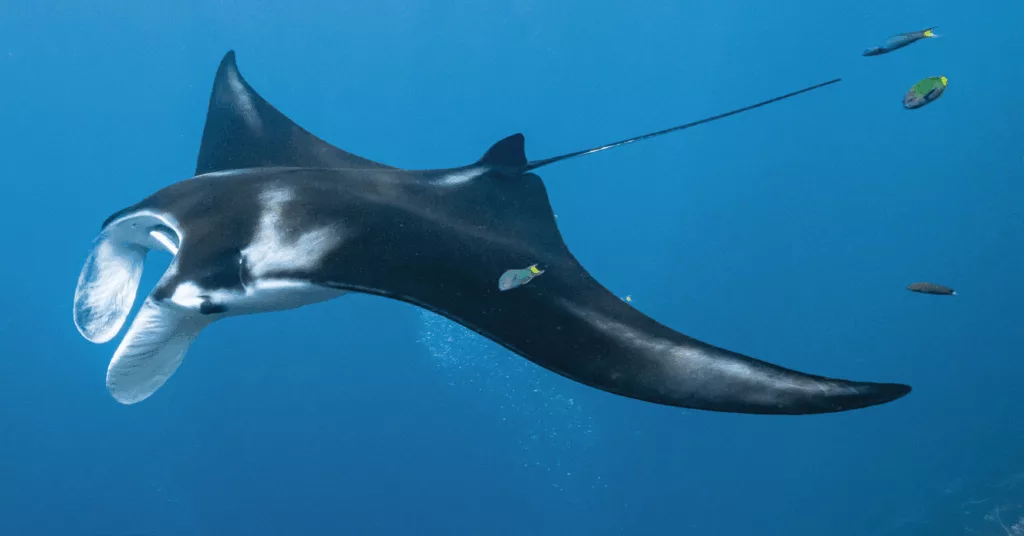
While many cite South Africa’s Big Five as iconic wildlife, few realise that the country is home to the world’s largest rays: manta rays. These intelligent species, which filter-feed zooplankton, play a crucial role in ocean health. These gentle giants hold the potential to drive tourism revenue, but more needs to be done to protect these endangered species from unsustainable fisheries.

A nationwide collaborative study by marine biologists has uncovered some of the mysteries of South Africa’s manta rays, which was released this month.

“Most South Africans don’t realise they can see manta rays without leaving the country,” explains Dr Michelle Carpenter, a collaborator of the Marine Megafauna Foundation (MMF), Clansthal Conservancy and Manta Trust. “We’re home to the reef manta ray (Mobula alfredi) and the oceanic manta ray (Mobula birostris), the latter reaching an impressive 8m wingtip to wingtip, making it the largest ray in the world.”

Unfortunately, human impact has resulted in significant population declines, making this the most threatened population of this species in the world. Being listed on the IUCN Red List indicates that this species is globally threatened. Trawling, tuna purse seine nets, gill nets in Mozambique, shark nets in South Africa and seismic testing by oil companies are all threats to this vulnerable population.

Carpenter worked with a number of dedicated marine biologists on the study. Among them are Dr Ryan Daly (Oceanographic Research Institute), Nakia Cullain (MMF), Dr Andrea Marshall (MMF), Vivienne Dames (South Aquatic Institute for Aquatic Biodiversity), Dr Charles Griffiths (UCT), Grant Smith (Sharklife) and Dr Matt Dicken (Nelson Mandela University).

Oceanic manta rays have a widespread offshore distribution, while reef mantas are more coastal. The study has revealed unique characteristics of South Africa’s mantas, including highly mobile reef mantas, rare black oceanic mantas, newfound feeding aggregations and potential baby manta nurseries.

International effort

In iSimangaliso Wetland Park in northern KZN, researchers discovered manta ray feeding aggregations in a marine sanctuary protected from fishing and recreational diving for over 50 years. Here, 89% of South Africa’s reef manta sightings have been recorded, where mantas feed and also have parasites removed by cleaner fish.

“This aggregation area within a restricted-access sanctuary is a haven amid threats along the coastline,” says Nakia Cullain of the MMF. “The whole park was recently named a Mission Blue Hope Spot, joining a network along South Africa’s coast that includes Aliwal Shoal and Cape Town.”

Cullain highlights that South Africa’s sanctuary demonstrates how effective marine protection can support not only manta ray aggregations but other species as well, providing a valuable model for countries like Mozambique, which currently lacks extensive marine protection.

Research in iSimangaliso Wetland Park and other areas like Aliwal Shoal has shown significant connectivity to Mozambique. Some key findings include:

  • One manta travelled 1,305km multiple times between Zavora, Mozambique and iSimangaliso.
  • Another travelled over 600km from Pondoland Marine Protected Area (MPA) to iSimangaliso.
  • A juvenile seen in Pondoland MPA in 2016 was later resighted as a pregnant adult in iSimangaliso.
  • Two mantas made repeat trips between Zavora and iSimangaliso (an 870km round trip).
  • 28 mantas were identified in Mozambique, with most linked to Zavora.

“These movements are potentially driven by the availability of zooplankton abundances, which are transient along the coastline and with seasonal patterns,” explains Carpenter. “While mantas have been officially documented in South Africa since the 1950s, shifts in their movements could be linked to climate change, with rising water temperatures affecting currents and food availability.”

Dr Ryan Daly, a specialist in shark and ray movement patterns, emphasises the importance of cross-border conservation efforts:

“Because these animals cross borders, conservation management plans need to be aligned between South Africa and Mozambique to protect their populations.”

The new black

Oceanic mantas are infrequent in South Africa, with sightings concentrated in Ballito, Aliwal Shoal MPA and Pondoland MPA. Researchers were even more thrilled to discover rare melanistic (black) oceanic manta rays in Aliwal Shoal MPA (February 2020) and Ballito (November 2021).

“It was not previously known that melanistic oceanic mantas inhabited these waters,” explains Carpenter. “Genetic studies suggest no distinct population groupings, but regional differences in melanism are likely tied to localised groupings, with gene flow facilitated by long-distance travel. We love that these melanistic mantas contribute to South Africa’s beautiful ‘RAYnbow’ Nation!”

Despite their ecological importance, mantas face threats from fishing, seismic testing and climate change. Collaborative research and effective marine sanctuaries like the iSimangaliso Wetland Park provide hope for their future.

Carpenter concludes: “There is no shortage of work to do with sharks and rays along South Africa’s coastline. I encourage South Africans and international students eager to make a difference to join us. It’s hard work but immensely rewarding.”

Text | Supplied

Photography | Subphoto.com

For more information, go to mantatrust.org and isimangaliso.com

Read more
300: The number of types of bacteria found in the plaque on human teeth. 2013: The year in which the city of Melbourne assigned email addresses to each of its trees, so residents could send messages of appreciation. 9.7: The HelloPeter Trust Index score that Auto&General, South Africa’s most trusted insurance brand, holds.

Meet your matches

First-party data helps brands to connect with consumers who are actually interested in what they have to offer

Ever been on an awkward blind date or approached by someone who completely missed the mark? That’s the disconnect many consumers feel when bombarded with irrelevant ads. And it’s a challenge brands face when their advertising fails to resonate. In advertising, as in relationships, success lies in truly knowing the other person.

Trying to impress someone without understanding their preferences, values or interests will likely result in a missed connection.

First-party data – that which is collected straight from online and offline customer interactions – holds a superpower. Brands can use the insights from first-party data to craft messages that hit home the way a thoughtful, handwritten note does. This level of personalisation can make marketing not just memorable, but also the start of a meaningful, lasting relationship with a brand.

As anyone quick-scrolling past a stream of irrelevant ads knows, traditional advertising often misses the mark by being generic or intrusive. Despite good intentions, many ads fail to capture attention or connect deeply because they lack personalisation.

Today’s consumers expect more. According to McKinsey, 71% of shoppers want personalised interactions and 76% feel frustrated when this expectation isn’t met. Generic ads simply don’t cut it in a world where consumers crave relevance. Brands that fail to adapt risk being overshadowed by competitors who use data-driven insights to create tailored experiences.

Growing through knowing

It’s like paying attention on a first date. Brands with access to rich consumer insights – like purchase history and preferences – get to know their audience’s true needs and behaviours. If they use that knowledge to create campaigns that feel personal and purposeful, they’ll be far more effective at building trust, engagement and lasting loyalty with their ideal audience.

That’s why access to high-quality first-party data is a game changer for brands. A prominent South African retailer saw a 5.40% increase in conversion rates within two months of activating first-party data audiences. A supplement brand achieved a boost in conversions by 3.6 times in just one month by using first-party data strategies. A local alcohol brand experienced a 2.94 times improvement in click-through rates (CTR) in two months by leveraging first-party data insights.


By using first-party data audiences, brands can expect:

  • Higher engagement rates: Personalised ads capture attention more effectively, leading to more clicks and impressions.
  • Increased conversions: Precision targeting ensures ads reach the right audience at the right time, driving more conversions.
  • Stronger customer loyalty: Thoughtful, relevant ads build emotional connections, fostering long-term brand affinity.
  • Improved return on ad spend (ROAS): With fewer wasted impressions, your digital advertising budget works harder.

As the advertising landscape evolves, the brands that thrive will be those willing to embrace change and invest in meaningful connections.

Text: Daniel Levy

Photography: Antlii

Daniel Levy is co-founder and co-CEO of Flow.

For more information, go to flowplatform.com.


Read more

Protection in partnership

Using AI as an ally in cyber security is not to be feared

Artificial intelligence (AI) is one of the most talked about topics today, with sentiments running the gamut from concern to excitement, and wild speculation the order of the day.

Some believe it could cure the most dreaded diseases and halt climate change, while others imagine the worst – that it could cause the oceans to boil and kill off the human race.

The truth is likely to be none of these extremes and rather a mixture of what lies in between – and if harnessed correctly, that presents immense opportunity in many spheres.

Fear of new technology is not unusual. If we go back in history to the industrial revolution, there was a huge fear that technology such as steam engines and industrial automation would remove the need for people in manual jobs – and, of course, it did to some extent. But we also evolved; we started doing more interesting things or other jobs related to the new technology. While it changed some jobs, it also created new opportunities.

The case is much the same for AI. Some jobs will be automated, others will be partially automated and still need a human touch afterwards, and others will go in the opposite direction entirely. For example, there was a huge movement to outsource phone-in support services and replace them with cheaper services or automate parts of the process. But companies have realised it can cause more problems than the savings were worth – customers want to speak to someone local, with a local accent and local knowledge. Now, there’s a movement to localise these services again. So, while there will be some automation in many fields, I don’t think it will be as bad as most people think right now.

One, then the other

When it comes to cyber security, AI has become indispensable, particularly with regard to threat detection, investigation and response. AI can play a pivotal role in fortifying threat detection and prevention by analysing vast datasets in real time, quickly identifying patterns and anomalies that indicate new threats and security vulnerabilities.

Integrated into protective solutions, AI can enhance threat detection and response capabilities, improve threat awareness and the accessibility of services such as threat intelligence and threat hunting, all contributing to better protection, thus preventing advanced attacks.

But even with its advanced capabilities, AI still needs – and is possibly both limited and enhanced by – the humans pulling the strings. High-quality training translates into high-quality AI models. AI-powered security, without expert human oversight, could potentially deteriorate over time or be manipulated by bad actors. Frequent updates and expert human oversight are essential.

The same principle applies on the other side of the coin. AI can be used effectively by bad actors who leverage this technology to generate convincing spam and scam campaigns, improve their social engineering, evade detection and monitoring and even debug and optimise malware.

AI isn’t capable of fully replacing an intelligent human adversary, especially when it comes to carrying out complex accompanying tasks such as imagining an effective attack chain or generating new and sophisticated malicious code.

Text | Tony Anscombe

Photography | Anggalih Prasetya

Tony Anscombe is Chief Security Evangelist at ESET.

For more information, go to eset.com.


Read more

Co-operative creativity

Using AI as an ally in cyber security is not to be feared

Artificial intelligence (AI) is one of the most talked about topics today, with sentiments running the gamut from concern to excitement, and wild speculation the order of the day.

Some believe it could cure the most dreaded diseases and halt climate change, while others imagine the worst – that it could cause the oceans to boil and kill off the human race.

The truth is likely to be none of these extremes and rather a mixture of what lies in between – and if harnessed correctly, that presents immense opportunity in many spheres.

Fear of new technology is not unusual. If we go back in history to the industrial revolution, there was a huge fear that technology such as steam engines and industrial automation would remove the need for people in manual jobs – and, of course, it did to some extent. But we also evolved; we started doing more interesting things or other jobs related to the new technology. While it changed some jobs, it also created new opportunities.

The case is much the same for AI. Some jobs will be automated, others will be partially automated and still need a human touch afterwards, and others will go in the opposite direction entirely. For example, there was a huge movement to outsource phone-in support services and replace them with cheaper services or automate parts of the process. But companies have realised it can cause more problems than the savings were worth – customers want to speak to someone local, with a local accent and local knowledge. Now, there’s a movement to localise these services again. So, while there will be some automation in many fields, I don’t think it will be as bad as most people think right now.

One, then the other

When it comes to cyber security, AI has become indispensable, particularly with regard to threat detection, investigation and response. AI can play a pivotal role in fortifying threat detection and prevention by analysing vast datasets in real time, quickly identifying patterns and anomalies that indicate new threats and security vulnerabilities.

Integrated into protective solutions, AI can enhance threat detection and response capabilities, improve threat awareness and the accessibility of services such as threat intelligence and threat hunting, all contributing to better protection, thus preventing advanced attacks.

But even with its advanced capabilities, AI still needs – and is possibly both limited and enhanced by – the humans pulling the strings. High-quality training translates into high-quality AI models. AI-powered security, without expert human oversight, could potentially deteriorate over time or be manipulated by bad actors. Frequent updates and expert human oversight are essential.

The same principle applies on the other side of the coin. AI can be used effectively by bad actors who leverage this technology to generate convincing spam and scam campaigns, improve their social engineering, evade detection and monitoring and even debug and optimise malware.

AI isn’t capable of fully replacing an intelligent human adversary, especially when it comes to carrying out complex accompanying tasks such as imagining an effective attack chain or generating new and sophisticated malicious code.

Text | Tony Anscombe

Photography | Anggalih Prasetya

Tony Anscombe is Chief Security Evangelist at ESET.

For more information, go to eset.com.


Read more

Get on board!

Integrating new employees in a remote working scenario requires awareness of their needs and the business environment

Employee onboarding is critical to new hires and the organisation’s long-term success. Effective onboarding has never been more crucial with hybrid and remote working. The way people work has changed. How you onboard your employees has to be relevant and meet employees where they’re at while achieving objectives and integrating, motivating and preparing new hires for the road ahead.

Research underscores the importance of onboarding new employees to ensure the latest information about the organisation is retained and applied and that new employees are productive, committed and ready to succeed in their new roles. Effective onboarding radically improves employee retention as it helps them feel welcomed, supported and integrated into the organisation. Organisations can accelerate employees’ learning curves and empower them to make a meaningful contribution to the company’s goals more quickly and efficiently.

Onboarding also cultivates commitment by aligning new employees with the culture, mission and business goals and cultivating loyalty, engagement and dedication. The programme does not have to be one size fits all – it can be personalised by employee profile so the information the individual learns is relevant to them in their role.

Versatile medium

The process is about much more than procedures and paperwork – the most effective version is holistic and culture-building. Besides the obvious benefits of taking onboarding online, such as flexible access, efficient optimisation and updates, consistent messaging, reduced cost of facilitators, venues, travel, confidentiality and granular analytics and reporting, ‘e-onboarding’ is exciting and innovative.

Steps that can be included are: welcome messages from key individuals using video and audio; assigning a digital mentor and coach; and including interactivity with rich media, such as video, audio, scenarios and simulations. There are also ample opportunities to practice and apply new information; turn the organisation’s vision, mission and strategy into a story, reinforcing values and why it’s a great place to work and include downloadable checklists so new employees can navigate their onboarding steps and processes. Gamification can be used to engage new hires and connect them to the whole team. And after all of this, the data can be analysed and optimised.

The main goal of onboarding should be to reinforce culture and align employees with the organisation’s goals. It should be personalised and appeal to the modern employee. Organisations and the industries in which they operate are dynamic. Online learning is proven to level up integrating people. When used strategically, it can reduce onboarding time. It can also be regularly updated and form part of every employee’s continuous learning KPIs so they are always aligned with the organisation’s dynamic processes and goals.

Text | Michael Gullan

Photography | DC Studio

Michael Gullan is CEO of G&G Advocacy.

For more information, go to ggadvc.com

Read more

Taking the shine off things

Investing in solar power for your home certainly has benefits, but careful analysis of the real costs involved is necessary

Solar power has emerged as the top choice for homeowners looking to reduce their grid electricity costs in the face of massive multi-year tariff hikes, as well as escape the crippling impact of power outages. However, the method by which one opts to fund a solar purchase can significantly impact the financial benefits. Solar subscriptions have been punted as a seemingly hassle-free way to access solar energy without the upfront costs or ongoing maintenance costs.

While this might sound appealing, solar subscriptions often prove to be costly decisions. There are many solar rental and ‘solar as a service’ (SaaS) subscription options that have sprung onto the market that promise the world, while a deeper delve into the contract fine print leaves you cold with hefty initiation fees, onerous annual escalations, ‘ever-green’ rental terms, hefty penalties for early cancellations, de-installation costs and large ‘buy-out’ clauses to own the asset after the rental/subscription period is fulfilled. It’s crucial that you understand what you’re signing up for.

Ongoing expense

When you opt for a solar subscription (often referred to as solar-as-a-service) or rental, you do not own the solar system installed on your property, ever. Instead, the solar company retains ownership and you essentially subscribe to a certain amount of power per month. This arrangement means that any increase in your property value due to the solar installation does not benefit you. Unlike buying solar panels, renting leaves you without an asset at the end of the lease term. Essentially, all you’re doing is deferring the money you would be paying to council or Eskom to another entity.

While solar rentals or subscriptions may avoid the upfront cost of purchasing a solar system, they typically end up being more expensive in the long run. Monthly payments usually accumulate to a higher total cost over the lease period, which typically spans five years or more. Additionally, rental agreements mostly include annual escalation clauses, further eroding the expected savings, making it difficult to predict the financial benefit over the lease term.

It makes little financial sense to pay for solar-supplied energy (kW) where the rental/subscription costs increase annually by around 7% alongside Eskom’s charges, which increase by around 12–15% every year. Unless your rented solar system is sized to reduce your grid usage by at least 90% or more, your solar-supplied power could cost you much more than when you started after a few years of escalations.

For example, consider a monthly rental payment of R1,500 per month in year one, which escalates by 7% compounded. By year five of your contract, you will be paying around R2,300 per month, almost R800 per month more, with no asset to show for it.

Selling a home with a solar rental agreement can be complicated. Prospective buyers must be willing to take over the lease terms, which might not always be appealing. This can limit your pool of potential buyers or force you to buy out the lease at a significant penalty cost. In contrast, an owned solar system – which has a good 15- to 20-year productive lifespan – can increase a home’s market value and appeal.

While the solar rental company typically handles maintenance under a rental agreement, renters may face challenges if the service is subpar. Performance issues or delays in maintenance can result in higher energy bills, reducing the anticipated financial benefits.

Some subscription options also limit the level of battery power you can access (the depth of discharge) in a bid to protect the battery life for future usage in other rentals – so, instead of having 90% of your battery capacity available, you are limited to 70%, which further reduces your savings and pushes up your costs.

If you don’t own your equipment, any benefit on rebates and tax incentives goes back to the equipment owner and not to you. Remember that you are also still likely to be drawing some electricity from the grid, as it is very unlikely that you’ll be off the grid completely.

Spread it out

If the upfront cost of purchasing solar panels is a concern, there are alternatives to consider. Solar finance deals allow you to finance the purchase of a solar system, in much the same way as you would finance a vehicle, providing the benefits of ownership without the full upfront cost.  In many instances, the monthly payments are significantly offset by the savings on your current electricity bill, leading to immediate savings. Monthly instalments can be linked to the interest rate and there is no annual increase every year, so you can budget accordingly.

Renting to own is another option for individuals and businesses, but with a caveat – not all rent-to-own contract terms and conditions are the same. Check that there is no annual escalation clause and that you will fully own your system at the end of the contract term – ideally, with one single additional monthly rental instalment only, rather than large buy-out fees – and that there are no penalties if you want to settle your rent-to-own term earlier.

If you have surplus cash in your home loan or bond, you can finance your solar that way, but it is not a good option if you’re going to extend the bond to pay it off over 20 years, as the interest on your solar purchase over an extended period makes that a costly decision.

Text | Teresa Kok

Photography | moreimages

Teresa Kok is Director of One Energy.

For more information, go to oneenergy.co.za


Read more

Internet inclusivity

Taking into consideration the impact of different cultures makes digital spaces more welcoming and effective

From a design perspective, this year is expected to see a mix of technological advancements coupled with nostalgic revivals and a focus on sustainability. Another thing influencing digital design is cultural shifts.

Design is a reflection of the society and culture from which it materialises. It’s important to keep an eye on societal shifts like changing attitudes, globalisation or technological progress to get an idea of what will now or in the future be considered visually appealing. From designs created to appeal to shorter attention spans, to the popularity of meme and gaming culture, it’s crucial for designers to keep their finger on the pulse of our ever-evolving world to be successful in the designs they create.

When it comes to design in the digital space, the use of minimalist elements holds a lot more power than just pleasing aesthetics. This is because it now speaks to a greater awareness around sustainability. Less is now certainly more.

In a similar vein, design is becoming more conscious. This can be seen in relation to inclusivity. Designers are now taking greater steps towards representing people of all backgrounds and the user experience has been improved to accommodate people with disabilities too. With brands now focusing more on transparency and connection with their audience as a result of shifts in culture, stories in design can now be more real and relatable to people’s lives, which has a greater positive impact than you think.

International appeal

The world is becoming more connected through the use of technology. This means that designers are now often creating work for a global audience, rather than a local one.

There are challenges when it comes to designing for worldwide users. These include language barriers, varying aesthetic preferences and different cultural norms. But, as with everything, there are ways to overcome these issues and it’s always important to look out for the opportunities. Global audiences give designers the power to explore innovative ideas, combine different aesthetics and work to create universally pleasing designs.

Designing for more than just one country or culture has given rise to international design aesthetics that have seen global design trends emerge. Hybrid styles have been leading the charge because they afford designers the opportunity to mix traditional and modern elements that culminate in a unique blend that appeals to a global audience. However, this is largely only the case in the Western world. Differing internet speeds and performance are still considerations that halt global design trends from becoming the norm in all parts of the world.

Just as important are considerations like the environmental impact of websites and the act of using technology to protect and share cultural heritage. These, combined with the creation of inclusive and respectful designs, will become more and more significant. Sustainability is becoming more and more entrenched in the culture of clients and audiences.

Text | Rogan Jansen

Photography | Zenza Flarini

Rogan Jansen is co-founder and creative director at DashDigital.

For more information, go to dashdigital.studio.


Read more

Play nicely!

Interactions – at all times and at all levels – impact on how future interviews might play out

Building your reputation and network has always been sound career advice but, in today’s unprecedentedly competitive environment, these phenomena could become instant dealmakers or -breakers when job hunting.

The traditional CV submission and social media job search process is in disarray, which means that the cultivation of a strong network and stellar professional reputation that precedes you are more important than ever. While there aren’t readily available high-level statistics for the number of applications employers generally receive per vacancy in South Africa, a deep dive into LinkedIn’s applicant counts per job listing is sobering, showing that there are literally thousands of applications whenever a single role is advertised.

Within this context, you need more in your arsenal than qualifications and experience. Your AI keywords can be on point, your CV flawless and your online presentation attractive – but most of your competition for any given role will boast the same. This is where your reputation – good or bad – and networks make the difference. The bridges you’ve burnt in the past will get you eliminated from the outset.

Everyone’s connected

One of the first things hiring managers will do (assuming your application reached their desk), is to have a look at your online presence. Apart from the issue of professional online conduct, they will also look for connections. Who do you and the manager or company have in common? Chances are they will find something far sooner than six degrees of separation – and therein lies the rub.

In the past, individuals would mostly take care not to burn bridges with more senior colleagues, managers or clients, while not always taking the same care to be a decent human being towards peers, less senior colleagues or others they come into contact with. Today, anyone serious about their career must consider their entire ecosystem. 

Any untoward actions can have consequences down the line and anyone you may have dealt with in the past can impact your future prospects – whether that person was a colleague, an acquaintance, someone you interviewed in the past, someone who interviewed you in the past, the secretary at your first job or a service provider – the possibilities are endless.

It is important to understand that building and maintaining professional relationships can impact your career trajectory – significantly. Every interaction counts, from colleagues to clients. Referrals and personal connections are increasingly essential for landing interviews. It is therefore vital to always conduct yourself as if the people you are engaging with will be in your ecosystem sometime in the future. Treat everyone professionally, with dignity and integrity, regardless of which table you are sitting at.

Text | Advaita Naidoo

Photography | Rawpixel.com

Advaita Naidoo is Africa MD at Jack Hammer.

For more information, go to jhammerglobal.com

Read more

Profit, by chance?

There is a difference between gambling and investing when it comes to growing wealth

According to the Cambridge Dictionary, investing and gambling are described as follows:

Gambling: ‘The activity of risking money on the outcome of something, such as a game or horse race, hoping to make money.’

Investing: ‘To buy something, such as shares or property, with the expectation that its value will increase in order to make a profit.’

From these definitions, it is clear that investing is based on an informed belief that an asset will appreciate, whereas gambling is driven by hope and chance.

Gambling often comes with an air of excitement and entertainment. As Elvis famously sang about Las Vegas, “Bright light city gonna set my soul on fire.” Similarly, events like horseracing captivate crowds, where spectators dressed in their finest outfits hold out hope that a winning bet might change their fortunes in an instant.

In contrast, investing is often viewed as slow, methodical and perhaps even a little dull. One might picture Warren Buffett – the epitome of patience and discipline – rather than Jordan Belfort, the infamous figure from The Wolf of Wall Street, whose story exemplifies high-stakes risk-taking. True investing is more aligned with Buffett’s approach, where success is built on patience and long-term strategies, while the excitement and unpredictability of Belfort’s methods often resemble gambling.

When structured properly, investments can indeed create significant wealth, but this typically happens over a period of 20–30 years. In The Snowball: Warren Buffett and the Business of Life, an early investor thanked Buffett for helping him achieve great wealth, to which Buffett responded, “I didn’t make you rich, you never sold.” The lesson here is that the key to investment success lies in patience – wealth is accumulated by holding onto investments, not by frequent buying and selling.

Know the nuances

There are fundamental distinctions between investing and gambling, and it is crucial to understand these when making financial decisions.

Risk: Both investors and gamblers take on risk, but the nature of that risk is different. Investors take calculated risks to generate dividends, interest or capital gains, with the goal of growing their assets over time. In gambling, the odds are stacked in favour of the house – the longer you gamble, the higher your chances of losing. In contrast, investing in the stock market, especially over the long term, historically tends to generate positive returns. Although investors may not always profit, the probability of success generally increases the longer they stay invested.

Loss: A key difference between gambling and investing is the ability to mitigate losses. In gambling, once the bet is placed, the outcome is out of your control and you either win or lose everything. Investing, on the other hand, allows for strategies to reduce risk. One of these strategies is diversification, where investors spread their money across different assets to minimise exposure to any single risk. While diversification will not prevent losses altogether, it can help cushion the impact of market fluctuations.

Time: Time is another critical factor distinguishing investing from gambling. Gambling is typically a short-term activity – once the event is over, your chance to profit is gone. In contrast, investing is a long-term endeavour. Investors can reap rewards over time, particularly if they invest in dividend-paying companies that offer consistent returns. The longer the investment horizon, the more likely it is to generate positive outcomes.

Take your time

Some may argue that investing in volatile markets is akin to gambling, especially when the outcome feels uncertain. While market volatility can indeed cause fluctuations in the value of investments, long-term data suggests that the likelihood of making money increases significantly over time.

For example, historical data from the S&P 500 and the IA SBBI US Large Cap Index shows that over a 15-year investment horizon, you have a 99.8% chance of generating a profit, all other things being equal.

Although there are superficial similarities between investing and gambling, such as the potential for both profits and losses, the key difference lies in the approach and mindset. Gambling is based on hope, while investing is driven by careful analysis and the expectation of returns.

Making uninformed or speculative investments is more akin to gambling but, with proper research, due diligence and a sound understanding of risk and reward, investing becomes a deliberate, strategic way to build wealth over time. When making investment decisions, it is always advisable to seek guidance from a professional.

Text | Auraeus Kilian

Photography | Art Genie

Auraeus Kilian is a Wealth Associate at Alexforbes.

For more information, go to alexforbes.com


Read more

Time is of the essence

Handle important issues during disputes, not after the fact

The preamble to the Labour Relations Act (LRA) states that one of its purposes is to provide simple procedures for the resolution of labour disputes. The bodies responsible for ensuring that this goal is achieved – that is, the Commission for Conciliation, Mediation and Arbitration, bargaining councils and the labour courts – take this responsibility seriously.

Many arbitration and court findings contain rulings to the effect that the dispute resolution system needs to be quick and inexpensive for parties lodging disputes. However, it appears that this principle is implemented primarily so that employees can obtain quick and easy justice rather than to assist employers seeking redress.

The supplementary principle that labour disputes should be handled with a minimum of technicalities springs from the same LRA purpose of providing simple procedures for the resolution of labour disputes. While the courts have many procedural requirements, including numerous deadlines for lodging of matters, the courts are willing to be flexible in implementing these in the interests of simple and speedy justice.

Watch the clock

In the case of Saccawu vs Putini (Lex Info, 30 January 2025. Labour Appeal Court case number JA 17/24), Saccawu, the employer in this matter, fired Putini. The case report does not provide the reason for or circumstances of the dismissal.

Putini obtained an award from the CCMA reinstating him, but Saccawu failed both to contest this award and to comply with it. A year later, Putini lodged a section 158 application to the Labour Court to make the reinstatement award an order of court. The Court granted that application and awarded costs against the employer, Saccawu.

The employer then lodged an appeal at the Labour Appeal Court against the Labour Court’s decision. The primary basis of the employer’s appeal was that Putini had lodged his Section 158 application extremely late. However, the Court dismissed this on the basis that it was a technicality and that the rule discouraging such delays was to be implemented flexibly. The Court dismissed the appeal and ordered the employer to pay the employee’s costs.

It’s fair to say that, if the employer believed that its case in the dismissal matter was weak, it should either have settled the matter or reinstated the employee. On the other hand, if the employer believed that it had a strong case in the dismissal matter, it should have applied to the Labour Court for a review of the reinstatement award. The employer’s demise in this matter appears to have stemmed from its failure to do any of these things but instead to rely on a technical appeal against the employee’s Section 158 application.

This outcome highlights the fact that employers of all types need to understand firstly that the LRA is primarily there to assist employees rather than employers. Secondly, employers need to learn how to manage employee discipline effectively and in compliance with labour law. Thirdly, employers need to understand that, if they fire employees unfairly, it will be a costly mistake to rely on technicalities after the fact.

Text | Ivan Israelstam

Photography | Bhutinat65

Ivan Israelstam is Chief Executive of Labour Law Management Consulting.

He may be contacted on 011 888 7944 or 082 852 2973, or at ivan@labourlawadvice.co.za.

For more information, go to labourlawadvice.co.za.

Read more

Digital development

AI and online jobs are creating massive growth potential in Africa

AI could contribute up to R545 billion to sub-Saharan Africa’s economy by 2030, according to Google’s Digital Opportunity of Africa report. This is a remarkable prospect for a continent still navigating its digital transformation – a crucial shift toward achieving rapid economic growth. However, the growing gap in our digital skills is hindering our progress, particularly as global AI advancements accelerate.

As of 2023, the eastern and southern Africa region lags globally, with only 64% of the population having access to high-speed internet and 24% actively using it. The case for urgency is clear. To stay in the game, there’s a need to develop a digitally savvy, highly skilled workforce to harness the potential of rapidly evolving technologies like AI.

The World Bank estimates that by 2030, sub-Saharan Africa will require 230 million digital jobs, most of which will demand a workforce equipped with intermediate to advanced digital skills. The pace of progress in building these skills varies, with some regions showing promising developments. South Africa, along with Kenya, Egypt and Nigeria, forms part of an ‘innovation quadrangle’ that hosts over 80 active tech hubs, mainly in cities like Cape Town, Johannesburg and Durban. These hubs have been instrumental in nurturing tech talent and providing much-needed infrastructure to support digital education.

Addressing the digital skills gap in Africa requires a coordinated effort from multiple stakeholders, including governments, private sector players, educational institutions and NGOs. Digital skills education must be introduced early. Curriculums must make digital literacy a core component of the education system. This means providing schools with the necessary infrastructure – computers, internet access and trained educators – to teach students how to use digital tools effectively. 

And tertiary institutions need to transform to align with global standards.

Next generation

Specialised courses focusing on the tech sectors driving Africa’s future, including programming and software development, data science and cyber security form part of a tech ecosystem required to build future-ready organisations. This ethos should also extend beyond tertiary institutions to NPOs like GirlCode and youth@WORK, which are excellent examples of initiatives that provide training and employment opportunities for youth in areas outside of institutional settings. The public and private sectors must forge strategic partnerships to fund infrastructure, scholarships, research and tech hubs. These investments nurture the next generation of tech professionals, secure organisational resilience and help Africa realise its AI potential.

Africa is already producing highly skilled professionals with the knowledge to accelerate AI development in line with global standards – but they must be retained. Organisations must take a people-centric approach to digital transformation efforts, providing continuous in-house training for workers, offering opportunities to expand skills and providing incentives to encourage a culture of lifelong learning.

AI presents an opportunity for African countries to innovate and compete on a global scale. AI skills among young people can also be a catalyst to unlock economic growth and drive innovation, creating a workforce that can serve both Africa and the rest of the world.

Text | Ntsako Baloyi

Photography | Courage007

Ntsako Baloyi, senior manager, Technology, at Accenture, Africa.

For more information, go to accenture.com.

Read more

Offering real depth

There are a number of jobs potentially available to youngsters interested in working in one of South Africa’s most established fields

Playing a vital role in the global economy and society, the mining industry is a great place for school leavers to learn new skills and gain valuable work experience.

Contrary to popular belief, the industry is not solely limited to engineering roles and manual labour. Geologists and geoscientists play a critical role in identifying and exploring mineral resources. They use their expertise to assess the viability of mining projects and ensure sustainable practices.

Environmental scientists are responsible for protecting the environment and mitigating the impact of mining operations, working to ensure compliance with environmental regulations and developing sustainable mining practices. Mining engineers oversee the design, planning and implementation of operations, ensuring their safety, efficiency and profitability. Other engineering disciplines involved include mechanical, electrical and civil engineering.

The industry also requires skilled professionals in finance and accounting to manage budgets, financial reporting and risk assessment, while HR professionals play a vital role in recruiting, training and managing employees in the mining industry. They ensure compliance with labour laws and promote a positive work environment. Furthermore, mining is increasingly embracing technology, creating opportunities for skilled professionals in fields such as data analytics, automation and robotics.

Start small

Within the industry, there are programmes that have been designed specifically for students who may not have the opportunity to attend university directly after high school, aiming to provide a pathway into the mining industry for individuals seeking a career without having to take the traditional university route. These programmes have been developed to facilitate a comprehensive career path within the mining industry, covering both surface and underground operations, outlining the various roles and qualifications available, helping individuals understand their starting points and potential career progression.

The career path begins with entry-level roles such as machine operators. As individuals gain experience and skills, they can progress to more specialised positions like excavator operators and drilling assistants. Further advancement includes becoming a blasting attendant, blasting assistant and, eventually, a blaster. With continued development, individuals can reach supervisory roles like blasting foreman or drill bit foreman. The highest qualification, the Further Education and Training Certificate in Mining Operations, prepares individuals for foreman or supervisory positions.

Such a structured career path allows individuals to gain practical experience and knowledge and an appreciation of what is expected of them, before pursuing further education. Many learners who complete such programmes use their qualifications as a foundation to study mining engineering at university, either via distance learning or part time, with financial assistance from their employer. This approach is particularly beneficial for those who may not be ready for university immediately after high school, allowing them to gain valuable work experience and develop their skills before pursuing higher education.

Text | Jacques Farmer

Photography | James Jiao

Jacques Farmer is Managing Director at PRISMA Training.

For more information, go to prisma.co.za.

Read more

Perk up!

Attracting the best employees requires creative thinking about what really makes a workplace or company appealing

Free food and drinks on a Friday may have worked as attractive company perks a few years ago, but things have changed dramatically. Today, top talent expects more. They not only want a competitive salary, but they also want standout benefits that offer real value.

With each year, the employment landscape evolves dramatically and becomes more dynamic, and with this comes competition for the best talent. Some expect this to only be a factor in big companies, but as a small business owner, it’s more important than ever to up your game and provide benefits that aren’t just competitive but are relevant to the times we live in.

It’s not enough to just focus on your employees’ physical health by offering discounted gym memberships or yoga classes at the office. With mental health issues and burnout at an all-time high, you need to consider a fuller package offering when it comes to wellbeing, and this means offering support that covers mental health and financial wellness too.

Mental health should be a top priority for businesses, with benefits that include multiple ways to access support and ongoing efforts to remove any stigma associated with getting help. This can range from apps to counselling services, workshops and even quiet spaces for mindfulness practice during the workday.

High interest rates and the high cost of living have put money stress right at the top of employees’ worry lists. Help where you can by offering financial planning tools and education. Even better, offer access to financial advisors or transform incentives into emergency saving programmes that assist in giving your employees a safety net.

Happy space

Flexible work options are a sought-after work benefit, but top talent are looking for more than just the option to work from home a few days a week. They will more than likely seek out a stipend to help set up a comfortable and distraction-free environment.

Start as small as offering to pay for a portion of workers’ home internet or go as big as providing an allocation for a comfortable working chair, a standing desk or even soundproofing. The idea here is to empower employees to do their best work while working from home, and any investment, big or small, in this regard, will go a long way in showing top talent that you are serious about adding value to their professional experience.

In a world that changes quickly, upskilling is essential to succeeding. Don’t leave the onus purely on employees to find ways to upskill themselves. Start small by offering mentorships, conference opportunities, online courses or even job-shadowing options. And if you have the ability to go bigger, look at offering full- or part-funding options for certifications and degrees, but be sure to factor in flexible schedules and study leave options.

In the past, training programmes have been reserved for top executives with a big focus on their leadership skills and development. But thankfully, business owners are now waking up to the fact that learning and development is for all and particularly for those just starting out. Helping your employees at all levels grow their skills is a win-win situation for you and them.

Animal instincts

It’s been reported time and again that the pet market in South Africa is booming. Why? Because pets have become firm members of the family, resulting in higher consumer spending on pet food, accessories and insurance than ever before. Whether they are dog, cat or bird owners, people today expect employers to acknowledge the importance of pets as part of their family and home life, and this is very much the case for top talent.

Like medical insurance, pet insurance has become an essential in South Africa, and if you are willing to add this in as part of your employee benefits, you’ll certainly be putting yourself on another tier. Just as important to many people is the offering of pet-related leave. Whether this involves paid time off for the arrival of a new pet or the option to work from home when a pet is sick or injured, these are considerations that employers need to be thinking about today – particularly if they want to attract and retain the best workforce.

Workplace benefits don’t always have to be shiny or larger than life. Today, they simply need to be considered and observe current trends and needs. If you’re stuck on what offerings will be the most attractive right now, ask your current employees what they value highly and what they’d like to see more of, and take it from there.

Text | Emma-Jane Truter

Photography | SeventyFour

Emma-Jane Truter is founder and Head Social Media Strategist at Emma Is Social.

For more information, go to emmaissocial.com.

Read more

Hot topic

Recent disasters underline the wisdom of building homes and other properties to withstand the possibility of fire

The devastating wildfire in California, which destroyed over 12,000 structures, stands as a stark reminder of how nature’s fury can upend lives and landscapes. South Africans faced a similar tragedy in 2017 when the Knysna fires ravaged the region, claiming 1,200 homes and scorching 16,000ha of land. These events underscore the urgent need for resilience in how communities are designed and built.

Viral photos of lone homes that survived California’s wildfires have sparked a wave of curiosity, inspiring conversations about the role of smart design in disaster mitigation. While no design can stop a wildfire, thoughtful choices like fire-conscious layouts, informed material selection and an understanding of wildfire behaviour can significantly reduce damage. The question for homeowners in high-risk areas is this: How do you ‘insure your unsure’ in a world where wildfires are becoming more frequent and unpredictable?

When building in wildfire-prone areas, every detail matters. The choice of materials for roofs and cladding can make or break a home’s defence. Fire-resistant options are key, as are features like eliminating roof vents and minimising eaves, which prevent embers from igniting the roof – often a house’s most vulnerable point. Even high-investment upgrades, like tempered glass windows, can offer invaluable protection. Tempered glass is less likely to shatter under extreme heat, keeping embers from breaching the home’s interior and adding another layer of security against life’s ‘unsures’.

Defensive strategy

Defensible space extends beyond the home itself. Surrounding high-risk properties with fire-resistant barriers, such as concrete walls instead of wooden fences, adds another layer of protection. Similarly, landscaping choices can either fuel or foil a wildfire. Fire-resistant plants like spekboom, aloe and low-growing grasses are natural allies, while drier, oil-heavy species like cypress, acacia and bamboo increase the risk of fire spread.

Designing resilience into homes and communities isn’t just about minimising risks – it’s about enabling more people to create and secure better futures. From tempered windows and fire-resistant materials to thoughtful landscaping and hardscaping, small, deliberate choices can make a significant impact. With wildfires becoming a growing threat, embracing these principles means facing uncertainty with clarity and confidence.

Text | Coen de Bruin

Photography | Stefan vd Riet

Coen de Bruin is the Head of Specialist Lines at Hollard Insure.

For more information, go to hollard.co.za.

Read more

Look at your list

Sensible preparation can make taking work trips an easier and more enjoyable experience

Checking travel admin probably ranks somewhere between dental visits and updating your LinkedIn profile on a to-do list. But doing so could be the difference between smooth sailing and that stomach-dropping moment at check-in…

Remember that feeling when you can’t find your phone? Now imagine that times 10 at the check-in counter when your passport isn’t quite right. Take a quick peek and confirm the expiry date (it needs to be valid for six months after your return) and that there are two clear pages for stamps. If you do find yourselves in a spot of trouble, you can now skip the Home Affairs queues. Instead, pop into select branches of Absa, FNB, Nedbank, Discovery Bank or Standard Bank, which are doubling their service points.

When a passport issue grounds a business traveller, it’s not just about a cancelled flight – it’s about missed opportunities, lost deals and significant costs to the company.

Loyalty programmes can be your ticket to smoother, more rewarding business travel. Think beyond just collecting points. Your airline membership (to join Airlink’s Skybucks programme, go to skybucks.flyairlink.com) could mean breezing through priority check-in while others queue. Hotel status might land you that coveted late check-out after a morning meeting runs into overtime. And car rental programmes can have your vehicle waiting while others are still filling out forms. Make sure your loyalty programme numbers are loaded into your travel profile with your travel advisor or manager. You don’t want to see missed perks because membership numbers weren’t linked to your bookings.

Effective habits

Do you have regular trips to foreign destinations on your calendar? While English might be the language of business, a few local phrases can transform a transaction into a relationship. You don’t need to become fluent – just familiar enough to show respect and build connections.

Modern language learning fits neatly into business life. Apps like Duolingo turn queues into a quick lesson, while Babbel specialises in business-relevant conversations. Focus on the essentials: greetings, thank yous, basic numbers and those all-important phrases like “Where is the meeting room?” or “Could you recommend a restaurant?” And don’t forget to download Google Translate’s offline language packs – its camera translation feature can be a lifesaver when faced with unfamiliar menus or street signs.

If there’s one thing worth adding to your packing list, make it a pair of quality noise-cancelling headphones. Think about it: the crying baby three rows back on your red-eye, the construction outside your hotel window or that enthusiastic sales team having their meeting right next to your workspace in the airport lounge. Business travel comes with its own soundtrack, and it’s rarely conducive to clear thinking or rest.

The rise in noise-related travel stress is significant. Many travellers specifically request quiet rooms in hotels and seats away from high-traffic areas on planes.

Maximising scheduling also makes a great deal of sense. If a public holiday creates a long weekend, schedule your Cape Town meetings for Thursday, and you’ve got a three-day coastal escape. Or travel inland from the coast and create space for the Kruger safari you’ve been dreaming about.

Ensure, for all these options, that you have appropriate travel insurance to cover the different segments while maintaining a clear separation between corporate and personal expenses.

Text | Rategang Moroke

Photography | GaudiLab and Maxx-Studio

Rategang Moroke is Operations Manager at Corporate Traveller.

For more information, go to corporatetraveller.co.za

Read more

Out of the blue

New technology helps make farming operations more precise

South Africa’s agricultural sector stands at a pivotal moment. With production costs rising at an alarming 12.4% year on year, as reported by Statistics South Africa, farmers are grappling with the need to balance sustainability, profitability and food security.

The pressures on agriculture are multi-faceted – land and water scarcity, urbanisation and unpredictable climate patterns necessitate innovation. Mechanisation, particularly through precision agriculture, enables farmers to maximise yields while preserving natural resources.

Among the latest innovations, blue-ray technology has emerged as a game changer for the agricultural sector. Using high-resolution imaging and advanced light spectra, blue-ray systems can detect subtle changes in crop health, moisture levels and soil conditions. These insights allow farmers to address issues such as nutrient deficiencies or pest infestations before they escalate, significantly reducing crop losses.

When integrated with mechanised farming equipment, blue-ray technology enhances the accuracy of critical farming operations. For example, drones equipped with blue-ray sensors can scan vast tracts of farmland, providing real-time data that enables targeted interventions. This innovation ensures resources like water, fertilisers and pesticides are used more efficiently, supporting sustainable farming practices while improving yields.

For South Africa, where arable land is both limited and unevenly distributed, mechanisation offers a critical advantage. By optimising land use, farmers can make every hectare count, ensuring food security for a burgeoning population. Precision farming not only boosts productivity but also enhances the sector’s resilience against environmental degradation and resource constraints.

Information applications

Mechanisation isn’t just about machinery; it’s about data. Modern equipment integrates sensors and Internet of Things (IoT) technology to gather real-time and historical data on soil quality, weather conditions and crop health. This data enables informed decision making, such as identifying the most suitable crops for specific soil types or determining the precise quantity of fertiliser required.


These insights extend beyond farming operations. Financial institutions can leverage this data to better assess farm profitability and risks, offering tailored financing solutions.

The push for mechanisation often sparks concerns about job displacement. While these fears are valid, the reality is more nuanced. Mechanisation has the potential to stimulate rural economies through increased agricultural output. Expanded cultivated areas and higher yields require labour for processing, distribution and marketing, creating downstream employment opportunities.

Moreover, for smallholder farmers, mechanisation reduces the physical strain of traditional farming methods. Freed from labour-intensive tasks, farmers can focus on value-added activities, such as crop diversification and agribusiness ventures. Over time, mechanisation could promote the development of vibrant agricultural value chains, driving inclusive economic growth in rural areas.

With food demand set to rise across Africa and globally, South Africa’s agricultural sector cannot afford to lag behind. Mechanisation and digital agriculture are not merely optional but essential for building resilience and competitiveness. To achieve this, collaboration is key. Farmers, financial institutions and policymakers must work together to create an enabling environment for mechanisation – through affordable financing, training programmes and supportive policies.

Text | Wayne Morris

Photography | Suwin66

Wayne Morris is Head of Alliances at WesBank.

For more information, go to wesbank.co.za.


Read more

Adopt responsibly

Bringing AI into the office is increasingly unavoidable, but done well, it can make a positive difference

In 2016, Klaus Schwab, Executive Chairman of the World Economic Forum, reflected on the intersection of technology and humanity. Schwab expressed concern about how technology like smartphones could affect our compassion and connection with others, possibly depriving us of meaningful engagement. “Similarly, the revolutions occurring in biotechnology and AI, which are redefining what it means to be human by pushing back the current thresholds of life span, health, cognition and capabilities, will compel us to redefine our moral and ethical boundaries.” Schwab’s insights from nearly a decade ago highlight the importance of exploring and centring ethics in responsible AI adoption. While organisations are getting swept up in the AI revolution, the pressure to rapidly adapt can mean ethics become an afterthought. However, concerns like data privacy, bias and human cost can put employees and consumers at risk and should be at the core of any digital transformation strategy.

Ethical complexities may slow AI adoption, but organisations must transform or risk obsolescence. Accenture research reveals that while 83% of organisations have accelerated transformation efforts in response to disruption, most fall short on speed, strategy, and sustainability. Only 9% are what the research calls “reinventors”, leading the charge with interconnected approaches, while 81% are “transformers”, still early in their reinvention journey. Ten percent remain “optimisers”, neglecting reinvention to their detriment.

Firm boundaries

The benefits of transformation are clear: reinventors anticipate 20% of value within six months and 45% within a year – a 1.6 times faster pace than last year. Beyond profit, AI adoption drives productivity, innovation and long-term survival. However, transformation without responsible AI implementation can mean that the risks outweigh the benefits. Responsible AI is the practice of designing, building and deploying AI in a manner that empowers employees and businesses and fairly impacts customers and society.

Broadly speaking, the key ethical considerations in a responsible AI strategy are ensuring data privacy and security and taking a people-centric approach so that employees are not left behind. Data privacy is a cornerstone of responsible AI adoption, ensuring that individuals’ sensitive information is protected while fostering trust between organisations and their stakeholders.

In South Africa, where cyber attacks are increasingly frequent, the stakes are high. According to the Council for Scientific and Industrial Research (CSIR), 88% of organisations have experienced at least one data breach, with many targeted multiple times. Breaches not only expose personal data but also damage reputations and erode public confidence.

While data privacy focuses on protecting sensitive information, security encompasses the broader systems that safeguard organisations from external threats. As technology evolves, so do the methods used by malicious actors to exploit vulnerabilities. High-profile cyber attacks on entities like the National Health Laboratory Service and Transnet underline the critical need for robust security measures across South African institutions.

Play fair

To mitigate these risks, organisations must prioritise comprehensive cyber-security frameworks and data protection measures. This includes recruiting skilled professionals to maintain and update security systems, fostering a culture of awareness among employees and leveraging AI-driven tools for real-time threat detection and response. A secure environment not only protects assets but also builds trust among employees, partners and customers.

A people-centred approach is critical to ensuring AI is a tool for empowerment rather than exclusion. In a society marked by stark inequalities, AI has the potential to either bridge or exacerbate disparities. According to the Human Sciences Research Council, AI could widen existing gaps in employment and access to essential services if not carefully managed. A key element of this approach includes transparency and accountability in addressing potential biases in AI systems. Bias can lead to discriminatory outcomes, reinforcing systemic inequalities. For example, algorithms trained on unbalanced datasets may unintentionally disadvantage certain groups, underlining the importance of rigorous fairness testing.

Education and involvement are also crucial. Organisations that actively reskill their workforce and communicate how AI will enhance – not replace – jobs stand to gain both employee trust and increased value. Generative AI, for instance, can take over repetitive tasks, freeing employees to focus on strategic and creative work.

Catch up with change

Organisations can also look to overarching regulatory frameworks for guidance. Global efforts to regulate AI have gained momentum, setting examples for South Africa. The UN’s 2024 resolution brought all 193 member states together to govern AI collectively, while the European Union’s binding AI risk framework remains the most comprehensive to date. In South Africa, regulation is lagging, though existing laws like the Protection of Personal Information Act (POPIA) and the Competition Act offer a foundation for AI governance. Proactive monitoring of global and local developments is essential. Companies must prepare for evolving regulations by embedding fairness, transparency and accountability into their AI systems from the outset.

The rapid evolution of AI requires a mindset of constant reinvention. Organisations must prioritise ongoing risk management, frequent assessments of fairness, transparency and safety and investments in sustainable practices. AI is not a one-time solution but an evolving tool that demands adaptability and innovation. By centring their strategies on ethical AI adoption, organisations can balance the promise of generative AI-enhanced efficiency, productivity and innovation – with its potential risks. A commitment to transparency, robust security measures and human-centric policies will ensure a sustainable and inclusive transformation.

Responsible AI is not just a necessity, but a core principle of responsible business – and it should be the priority of everyone involved.

Text | Ntsako Baloyi

Photography | Cherdchai101

Ntsako Baloyi is a senior manager in Technology business at Accenture, Africa.

For more information, go to accenture.com.

Read more

More data, more responsibility

Analysing customer preferences helps with targeted marketing, but the laws surrounding that situation must be properly understood and implemented

The proliferation of intelligent technologies such as artificial intelligence (AI) has created opportunities for players within the consumer sector to harness the capabilities of new tools to enhance the customer experience. In the retail segment, advances in the use of technology for marketing now allows retailers to tailor their offerings not only to the extent of targeting specific market segments but also to personalise marketing for individual preferences.

Personalised marketing is facilitated through the collection of data about a customer’s purchasing preferences, patterns and behaviours. AI, for example, can be used to analyse this information to gain insights into individual habits. This allows retailers to implement targeted marketing approaches for an identified customer to ensure maximum engagement and increase purchasing probability.

When using data analytics technology such as AI to create a profile of an individual, retailers need to understand that a comprehensive and actionable customer profile requires access to and use of a wide range of data. In many instances, data will need to be collected not only from the customer but also from third-party sources for the insights derived to be meaningful. Unsurprisingly, access to and the use of vast amounts of personal information has given rise to data protection and privacy concerns.

The correct management of data by businesses has become front and centre in the technological era, ushered in by the fourth industrial revolution. Any collection, analysis, storage and retention of data must comply with data protection laws. This means that any personalised marketing activities, which invariably require retailers to process their customers’ personal information, must be undertaken while keeping data-processing risks in mind.

The Protection of Personal Information Act (POPIA) requires retailers to observe certain minimum conditions for the lawful processing of customer information. In the context of personalised marketing, risks arise at varying degrees in relation to these conditions.

Clear rules

POPIA requires that the personal information of a customer must be collected for a specific and explicitly defined purpose. The use of personalised marketing technologies creates the risk of scope creep in relation to information collected about a customer being used for varying and potentially unrelated marketing activities. It is therefore important to have processes in place to guard against inadvertently falling foul of this requirement.

POPIA regulates the retention of personal information records and provides that, unless certain exceptions apply, records of personal information should not be retained for longer than is necessary to achieve the purpose for which it was collected. In the context of personalised marketing, the most actionable insights about a customer typically emerge after several points of data about the customer are collected and analysed. Typically, this requires records to be retained for extended periods and retailers should ensure that doing so does not result in keeping records in contravention of POPIA’s requirements.

The benefits of personalised marketing are best harnessed where there is a wide array of data points about the customer. This requires collecting data points that go beyond mere contact information. The larger the data store, the more valuable this information becomes for criminals seeking to take advantage of it. Personalised marketing can therefore increase security concerns around data retention and management. POPIA specifically requires that appropriate reasonable technical and organisational measures be implemented to guard against unauthorised access to personal information. Retailers that implement technologies for personalised marketing must therefore ensure that their security controls are sufficient to meet the risk created by personalised marketing activities.

Keep everyone in the loop

Furthermore, POPIA requires responsible parties (such as retailers) to ensure that data subjects are provided with clear information about how their personal information is being processed. This includes details regarding what personal information about the data subject is held by the responsible party. In the world of self-learning AI technologies (technology that operates without constant human input of data), it may become difficult to accurately record the nature of personal information held about a data subject. It is in these instances that a thorough understanding of an AI tool’s functionality becomes important, as failure to accurately account to a data subject might lead a retailer to fall short of its obligations under POPIA.

POPIA requires that when customers’ personal information is collected, a minimum amount of information must be made available to them. Ideally, such notification should occur before the information is collected and the customer should be the one to provide the information. In relation to personalised marketing, it may not always be practical to comply with these requirements and there are exceptions under POPIA that retailers can rely on. The fact that instances where compliance with this requirement can be circumvented have been drafted as exceptions does however mean that a higher standard for assessing whether such exception is appropriate in any instance will be applied. Reliance on any exceptions must not be taken lightly and retailers should use best endeavours to comply comprehensively with the notification requirements where personal information is collected about a customer for personalised marketing activities using tools such as AI.

Text | Wendy Tembedza and Bernadete Versfeld

Photography | EamesBot

Wendy Tembedza and Bernadete Versfeld are Partners at Webber Wentzel.

For more information, go to webberwentzel.com.

Read more

Guarding the change

Workplace leaders need to be able to manage teams that are operating in different spaces and on varied deadlines

The growing shift towards hybrid workplaces puts businesses at the forefront of an operational revolution. This revolution could see them become more effective, boost employee satisfaction and reduce fixed costs. However, adjusting to this paradigm shift may prove intimidating for some businesses as they strive to find the perfect balance between their operational necessities and their employees’ working preferences.

Whatever changes are wrought at the executive level, it’s up to management teams to lead them and facilitate positive outcomes for the organisation and individual employees. Managers are effectively the glue that holds an organisation together. And as the workforce becomes increasingly decentralised, that glue needs to become much more robust. It needs to provide cohesion without rigidity. It needs to be pliable while still providing structure. But how can managers walk that challenging line in the face of a changing landscape?

Together apart

As they strive to find their ‘new normal’, businesses are rethinking their workplace strategies and seeing that embracing change is far preferable to attempting to revert back to previous methods. The truth is that most employees would prefer not to return to the office full-time. Studies have shown that many people who had to work from home due to the pandemic have stated that they would now prefer to divide their time between working in the office and working at home.

Many are realising that the proverbial toothpaste cannot be put back in the tube. Rather than attempting to rebuild previous operational models, more and more businesses are realising the benefits of hybridised working with decentralised offices and meeting facilities.

And there’s no denying that hybrid is here to stay. The proportion of people working hybrid rose from 13% in early February 2022 to 24% in May 2022. The percentage working exclusively from home fell from 22% to 14% in the same period.

Moreover, IWG research shows that three times the number of FTSE 250 companies intend to use the hybrid model compared to those looking to revert to their old pre-pandemic operations. Studies in 2021 revealed that 77% of employees consider working closer to home a top priority, while 87% state a preference for the hybrid working model.

Creating connections

This ongoing shift places more emphasis on the manager than ever. To ensure new ways of working do not widen the gap between company leadership and employees, managers must be proactive intermediaries that maintain cohesion from top to bottom.

Employees working more time remotely may seem like a barrier to contact time with management. But with proper planning, it can actually be more conducive to it. Not only is it important to make time for individual employees, but it’s also essential to remember that everyone’s situation is different. Some may thrive while working at home, while others may find that it exacerbates stress. Some may see returning to the office as a massive boost to their mental health, while others may find it to be quite the opposite.

The beauty of the hybrid approach is that it empowers managers to tailor individual employees’ working experiences to what helps them be most productive and comfortable.

Managers may also benefit from coaching employees on balancing their time spent in different working environments. Suggest criteria for when a visit to company HQ is necessary, when a visit to a shared flex space is more worthwhile, and when it might be best to work from home.

Encourage team members to be intentional in their work. Discuss with teams which project points are best managed in the office together and where it’s best to splinter off and work from home individually or in smaller groups sharing a flex space.

Effective managers know when to assert control and when to relinquish it. Decentralised decision-making can provide a sense of empowerment or autonomy for employees who are starting to feel disengaged in their work outside of company HQ.

What this looks like in practice will depend on the nature of your business. However, examples may include:

  • Giving employees autonomy over their working hours or schedules.
  • Enabling employees to set and manage their own deadlines.
  • Affording hybrid employees more purchasing power without the need to get executive approval.
  • Using flex spaces to enable managers and employees to collaborate together.

Managers may be looking for a new status quo. But in doing so, they need to realise that change is now endemic. This is a state of flux. Managers should help employees feel empowered and supported by allowing them to decide which model best suits them as their circumstances change.

Text | Supplied

Photography | fizkes

For more information, go to iwgplc.com

Read more

Smokey paprika chicken with chorizo and olives

Tasty, spicy dish provides satisfaction on a number of levels

Ingredients

  • 6 bone-in chicken thighs
  • 1 tbsp Banhoek Chilli Oil (plus extra as needed)
  • 1 tsp paprika
  • 3 garlic cloves, grated
  • Salt and pepper, to taste
  • 500g baby potatoes
  • 100g chorizo, diced
  • 200g baby peppers (about six), halved
  • 70g green olives, roughly chopped
  • 10g parsley, roughly chopped

Method (Serves four)

  1. Place the chicken thighs in a tray. Drizzle with Banhoek Chilli Oil, sprinkle with paprika and grate three garlic cloves over them. Season generously with salt and pepper. Ideally, marinate overnight for the best flavour but, if short on time, let sit for at least 20 minutes or cook immediately.
  2. Bring a pot of salted water to the boil and cook the baby potatoes for about 10 minutes, until just tender when pierced with a knife. Drain and set aside.
  3. Preheat the oven to 190°C. Place a large ovenproof casserole dish over medium heat. Add the chorizo and fry for one to two minutes until the oils release. Stir in a teaspoon of Banhoek Chilli Oil; then add the boiled baby potatoes and baby peppers. Stir to coat and lightly toast the edges of the chorizo.
  4. Nestle the chicken thighs skin-side up on top of the potatoes and peppers. Transfer the dish to the oven and roast for 35–45 minutes, or until the chicken is cooked through, the skin is golden and crispy, and a meat thermometer reads 65°C at the thickest part.
  5. While the chicken is baking, roughly chop the olives and parsley; then mix.
  6. Once the chicken is out of the oven, scatter the olive and parsley mixture over the top for a fresh contrast. Serve immediately.

Text and photography | Supplied

For more information, go to banhoekchillioil.com


Read more

Domestic disciplinaries

If your family had an HR department, how much trouble would you be in?

Recently, while enjoying what I thought was a quiet and civilised family dinner, I allegedly made an inappropriate comment. My family are well aware that my filter – if I ever had one – is in need of urgent replacement and are no strangers to my mildly inappropriate, occasionally slightly inflammatory, but always unfiltered thoughts.

This time, however, my daughter looked at me, genuinely scandalised, saying, “You know what this family needs? An HR department. Because that comment would have been reported.”

And that’s when it hit me: she wasn’t wrong.

Every workplace has an HR department to keep the chaos in check, mediate disputes and ensure that Darren from finance doesn’t microwave fish in the communal kitchen. And yet, families, arguably the most unhinged and volatile of all human social units, are left completely unsupervised.

This is how you end up with siblings’ psychological warfare to establish dominance; parents laying down rules they themselves refuse to follow; and WhatsApp groups so off-colour it would make Pamela Anderson blush.

What if each family had an HR department? Every household would need a family code of conduct, covering the essential behavioural violations that occur daily:

  • Theft Prevention Policy: parents shall not consume their children’s stash unless the statute of limitations – 48 hours – has expired. “I pay for everything in this house” isn’t a valid excuse.
  • Netflix Regulations: no single individual shall monopolise the Netflix password. Parents retain veto power over shows involving people named ‘Taylor’ or ‘Chase’ who find themselves at a crossroads in Buford, Wyoming, just before Christmas.

Conflict resolution within families is traditionally handled in the most barbaric and emotionally destructive ways possible. Enter family HR:

  • Siblings arguing over who took whose charger? Mediation will take place in front of the council (mom), where all grievances will be acknowledged and then likely ignored.
  • Parents issuing retroactive punishments for crimes committed in 2011? HR will review and dismiss all expired infractions, including, “Remember when you were five and threw my phone in the toilet?”

Workplace harassment is constant and if we’re being honest, intentional:

  • Parents may not weaponise childhood nicknames in public. Calling your teenage son ‘snugglebug’ in front of his friends is grounds for immediate suspension.
  • Siblings are prohibited from reminding each other of regrettable fashion choices made in the early 2000s. There’s no need to resurrect the ‘frosted tips’ incident of 2004.

Since families are unpaid labour camps, it makes sense that members undergo only an annual performance review:

  • Children may apply for extended freezo allowance based on demonstrated growth in maturity and general reduction in sulking.
  • Spouses may formally request ‘I told you so’ vouchers for moments when they are proven right about something weeks after an argument.

While HR for families seems like an excellent idea, make sure that you don’t become its first victim!

Text | Howard Feldman

Photography | juninatt

Follow Howard Feldman on X: @HowardFeldman


Read more
Scroll to Top

Skyways delivers bespoke advertising campaigns for brands to real people. We connect the brand to the passenger at a unique moment in the sky where they have 50% higher recall. These campaigns sit across our award-winning magazines, digital, video and targeted digital solutions.

For all advertising Inquiries, contact Gill Johnston
at +27 83 455 2397 or gill@panorama.co.za