
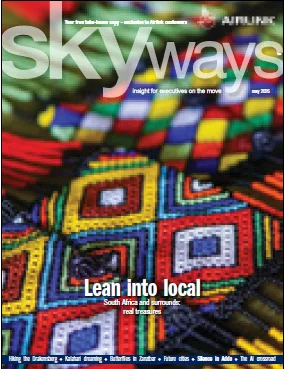
insight for executives on the move

may 2026

South Africa and surrounds: real treasures

Hiking the Drakensberg • Kalahari dreaming • Butterflies in Zanzibar • Future cities • Silence in Addo • The AI crossroad •

Table of Contents


A business that matters

Indaba, translated from isiZulu and isiXhosa, means both ‘business’ and ‘matter’, which, when using the term in a tourism context, has a pleasing (at least for an editor) double meaning: tourism is both a ‘business matter’ and ‘a business that matters’. And every May, in Durban, Africa’s Travel Indaba sees tourism stakeholders fill up a convention centre with people and materials that aim to convince travellers from elsewhere to book their holidays and work trips to these green and pleasant shores.

If you live in South Africa and are a traveller – which will likely be the case, given that you’re almost certainly reading this on board a flight or in an airport lounge – you’ll know that what this country has to offer is extraordinary, from dry desert expanses (page 26) to verdant coastal nature reserves (page 22) and majestic mountains (page 36). Ever-changing technology is also allowing ever more ways to engage and connect with destinations too (page 78), and wherever you want to get to nationally, there’s an app for that (FlyAirlink, available via Google Play and the Apple App Store).

If you’re visiting South Africa this month, welcome. If you’re a local, enjoy where you’re going and see you again on the return trip.

Safe travels!

Bruce Dennill

Editor

Read more

PUBLISHER: Urs Honegger
EDITOR: Bruce Dennill
SENIOR SUB-EDITOR: Claire Rencken
SUB-EDITOR: Gina Hartoog
OPERATIONS AND PRODUCTION MANAGER: Paul Kotze
SENIOR DESIGNER: Annie Fraser
DESIGNER: Perpetua Chigumira
ADVERTISING: sales@panorama.co.za, +27 11 468 2090
NATIONAL SALES MANAGER: Gillian Johnston, +27 83 455 2397, gill@panorama.co.za
SUBSCRIPTIONS: subscriptions@panorama.co.za, Tel: 011 468 2090, Fax: 011 468 2091
Digital ezine available from skywaysmagazine.co.za
COMMENTS AND SUGGESTIONS: skyways@panorama.co.za
We value reader feedback. Please get in touch.
FINANCE: accounts@panorama.co.za
ISSN 1025-2657

Skyways magazine is published monthly and distributed via Airlink. All rights reserved. Reproduction of this magazine in whole or in part is prohibited without prior written permission of Panorama Media Corp (Pty) Ltd. Copyright © 1994-2024 Panorama Media Corp (Pty) Ltd. The views expressed in Skyways magazine are not necessarily those of Panorama Media Corp or Airlink, and the acceptance and publication of editorial and advertising material in Skyways magazine does not imply any endorsement or warranty in respect of goods or services therein described, whether by Skyways magazine or the publishers. Skyways magazine will not be held responsible for the safe return of unsolicited editorial contributions. The Editor reserves the right to edit material submitted and in appropriate cases to translate into another language. Skyways magazine reserves the right to reject any advertising or editorial material, which may not suit the standard of the publication, without reason given. Editorial material accepted for publication in Skyways becomes the property of Panorama Media Corp. Executive Briefs, Corporate Briefs, and Knowledge Profiles™ are solicited and paid for advertorial features in this magazine. Skyways magazine is published by Panorama Media Corp on behalf of Airlink.

Young trailblazers set to soar

Airlink and GIBS celebrate graduation of 2024 Leadership Development Programme cohort

On 19 January, Airlink and the Gordon Institute of Business Science (GIBS) hosted a vibrant, heartfelt graduation ceremony marking the end of an intensive leadership development journey. Attending were Airlink executives, including the CEO, de Villiers Engelbrecht, and the Leadership Development Programme (LDP) Sponsor Executive Manager, Corporate Services, Dr Namhla Tshetu. The inaugural class graduates are: Phindile Mthimunye, Craig Barker, Nonxeba Mgwenya, Rudzani Nonge, Jacques Mulder, Sibongile Mohlala, Lisa Williams, Dimakatso Masisi, William Moakamedi, Nicholas Hofmeyr, Botho Setlhare, Tshepo Tladi, Morgan Chikurunhe, Tshepo Skhosana Morodi, Donovan Maerman and Siyolise Manqata.

Throughout the programme, participants engaged in a series of leadership modules designed to equip emerging leaders with strategic thinking, execution excellence, financial acumen, innovation skills and people-centred leadership. From practical coursework to collaborative team projects, the students demonstrated exceptional enthusiasm and commitment. Graduation day offered an opportunity to reflect on their journey, celebrate their achievements and recognise those who excelled academically.

One of the highlights of the ceremony was recognising the programme’s top-performing students. These individuals distinguished themselves through outstanding academic results across various leadership modules. Top module performers included Morgan Chikurunhe for Operational Effectiveness, Phindile Mthimunye for Effective Execution, Botho Setlhare for Business Environment, Craig Barker for People & Performance Management, Craig Barker for Business Finance for Managers, Sibongile Mohlala for Managing the Art of Innovation, Botho Setlhare for Business Strategy for Managers and Phindile Mthimunye for Marketing for Managers.

Motivational presence

One of the most powerful moments of the ceremony came from the CEO, who delivered a heartfelt and inspiring address centred on the importance of education, preparedness, humility and courage. Reflecting on Malcolm X’s words, “Education is the passport to the future, for tomorrow belongs to those who prepare today,” Engelbrecht reminded graduates that leadership is not merely about acquiring knowledge, but about building the character needed to navigate an uncertain and ever-changing world.

The CEO applauded the graduates for their resilience, humour and resourcefulness, noting that they had learnt to: read balance sheets, disagree passionately while maintaining respect, turn the statement “I have no idea” into a full presentation by sunrise and look confident even in moments of uncertainty. He challenged the graduating class to become leaders defined not only by competence, but also by character, courage and conscience.

“Profit and purpose are not enemies,” he said. “They are dance partners. So, go out there and tango.”

The message was clear: Lead with both your head and heart. Ask tough questions. Develop solutions that make business sense while helping to make the world less fractured. Own your mistakes swiftly, learn from them and continue forward. Turning his focus to the 2026 cohort, Engelbrecht recognised that their journey would be equally demanding and sometimes uncomfortable, often transformative and ultimately rewarding. He reminded them that they will face challenges, discover abilities they did not know they possessed, learn the importance of listening before responding and cultivate curiosity for fields they had never previously explored.

Adding vibrancy to the celebration, members of Airlink’s The Link programme delivered a joyful performance that uplifted the atmosphere and fostered a sense of unity and celebration. As the graduates step forward into new opportunities, the organisation celebrates not only their achievement but also the promise of the leaders they are becoming.

Text and photography | Keamogetswe Masango

For more information, go to flyairlink.com

Read more

Beach business

Every May, African tourism companies gather in Durban for Africa’s Travel Indaba to showcase the continent to the world. The trade show started over 40 years ago, originally as a local networking event. Now, industry professionals from more than 25 African countries gather to connect and expand business relationships – and possibly head to Ushaka Beach to continue chatting over cocktails, if they’re doing it right…

Read more

From touchdown to takeoff

Cape Town International’s transformation elevates the journey

In the peak summer tourist season, it could be said that Cape Town becomes a victim of its success. Between December and March, the world’s most beautiful city is bursting at the seams with thrill-seeking new arrivals who flock to the tip of Africa for its world-famous mountains, beaches, wines… and shopping that converts retail therapy believers from Paris to New York.

Until now, Cape Town International Airport (CTIA) hasn’t been keeping up with the city’s growing popularity. But that is soon to be a thing of the past. Cape Town International will gain an airport facelift that is even more welcoming to visitors and will make their landing just as pleasant as its wide variety of attractions. After the R11.3 billion refurbishment planned by Airports Company South Africa (ACSA), the airport’s physical limits will finally live up to its potential for all its users, from travellers to airline and airport staff.

The development programme at CTIA includes major upgrades across landside facilities, terminal infrastructure and airfield operations. The landside infrastructure programme will expand the airport’s car rental precinct at a cost of R205 million, enabling additional operators and increased vehicle capacity. Construction is expected to take 30 months once contractors have been appointed.

Upgrades to terminal infrastructure will include the construction of a new Domestic Arrivals Terminal and the extension of the existing Domestic Departures Terminal. The extension will add three passenger loading bridges with contact stands and expanded lounge facilities. Improvements will also be carried out within the international terminal, aimed at enhancing the passenger experience and addressing key capacity pressure points.

Airfield infrastructure upgrades will include the construction of a new Code F-compliant runway with associated airfield services. The project also includes two new Code F aircraft contact stands, the reconfiguration of an existing Code E stand to accommodate Code F aircraft and three new narrow-body Code C aircraft stands.

Code F refers to the largest commercial aircraft, with wingspans between 69m and 79m, including aircraft such as the Airbus A380-800 and the Boeing 747-8. These upgrades will position CTIA to accommodate some of the largest aircraft operating internationally.

The capital expenditure programme led by ACSA will also include the construction of a new perimeter fence to strengthen airfield security. CTIA handled a record 11.1 million two-way passengers (domestic and international combined) in 2025. The current Domestic Arrivals facility was not fully replaced during ACSA’s T2010 airport remodelling programme, which began in 2006, and has since reached capacity.

The new terminal will include additional baggage reclaim belts, expanded ablution facilities, improved passenger circulation, reduced walking distances and larger meet-and-greet areas.

Further improvements will include three additional passenger loading bridges to reduce bussing during adverse weather conditions, expanded lounge capacity and expanded retail and food offerings. The Domestic Terminal upgrades are estimated to cost R2.7 billion and will take approximately 85 months to complete once contractors have been appointed.

Upgrades to the International Terminal will focus on relieving operational bottlenecks, particularly capacity constraints in arrivals and departures areas. Planned improvements aim to enhance passenger processing, circulation and amenities.

The International Terminal upgrades are estimated at R853 million, with construction expected to take 60 months once contractors have been appointed. A key component of the programme is the construction of a new runway, the most expensive item in the capital investment plan.

The new runway will be built largely on greenfield land east of the current runway alignment. Once operational, a new perimeter will be established to incorporate the runway into the airfield. The realignment will ensure long-term runway availability while unlocking additional space for future terminal expansion and aircraft parking stands.

The three new Code C narrow-body stands will support projected growth in domestic travel, while the addition and reconfiguration of wide-body stands will increase apron capacity and parking flexibility. The realigned runway is estimated to cost R6.2 billion and should take 24 months to complete once contractors have been appointed. Construction of the new wide- and narrow-body aprons will cost roughly R850 million and is expected to take 19 months.

The new perimeter fence forms part of a broader effort to strengthen airfield security, regulatory compliance and controlled access to operational areas. The project is estimated to cost R513 million and will take about 24 months to complete once contractors are appointed.

In total, the estimated capital expenditure for the programme stands at R11.3 billion, although final costs will depend on procurement outcomes. Construction work will be carefully sequenced to minimise disruption to passengers and airline partners while maintaining operational continuity. The first construction tender is expected to be issued by June, with an award anticipated by December, subject to procurement processes.

Consultancy tenders for the Domestic Terminal expansion have already been awarded, while additional consultant appointments are expected from June onwards. Subject to regulatory approvals and procurement processes, construction of the Domestic Terminal expansion could begin in April next year.

Cape Town may soon be served by two major airports, with a private consortium advancing plans to develop the new Cape Winelands Airport. Located just north of Durbanville, the airport precinct is expected to open in 2028, with construction anticipated to begin later this year.

However, ACSA’s focus remains on ensuring that CTIA continues to invest in infrastructure that supports passenger growth, connectivity and regional economic activity within the Western Cape’s aviation and tourism ecosystem. The situation could mirror that of OR Tambo International Airport and Lanseria International Airport, where two airports operate alongside one another and serve complementary roles. Having two airports in the Western Cape could also provide operational flexibility, particularly when flights must be diverted due to adverse weather conditions.

Text | Adele Nkomo

Photography | Supplied

Acting Senior Manager, Corporate Communications

Read more

Feel the rhythm

TOURISM

Angola Tourism has unveiled a new brand identity designed to put one of Africa’s last great frontiers firmly on the global travel map. With the launch of a striking new brand identity under the motto ‘The Rhythm of Life’ and the expansion of its international tourism promotion to four additional markets: the United Kingdom, Spain, Poland and South Africa, Angola is ready to share its story with the world. South Africa has been identified as a particularly strategic hub for Angola’s tourism ambitions, strengthening regional ties and providing a gateway for international travellers.

From the thunder of the Kalandula Falls to the sway of Luanda’s dance floors, Angola’s new tourism identity captures the pulse of a nation that moves to many beats. Four pillars bring this vision to life:

Natural rhythm – landscapes that stretch from Atlantic waves to desert silence.

Living rhythm – stories and people who leave lasting impressions on every traveller.

Cultural rhythm – the voices, traditions, and artistry of Angola’s communities, celebrated in their diversity.

Musical rhythm – birthplace of Kizomba, Semba and Kuduro, sounds that resonate across the globe.

Source: klebergroup.com

Read more

Having a Ball

TRAVEL

A Cape Town maritime landmark, the Time Ball Tower at the V&A Waterfront, located next to the Dock House Boutique Hotel, has been meticulously restored to its 19th-Century glory. Erected in 1894 to ensure safe passage for incoming ships, the tower now stands as a revived symbol of the city’s rich maritime history.

This project breathes new life into a structure that once played a vital role in maritime navigation before the digital age of radio and Global Positioning Systems (GPS). Each day at 12:55pm, the time ball mechanism would be manually cranked, and the ball would drop precisely five minutes later at 1:00pm, triggered electronically by a signal from the South African Astronomical Observatory.

“This allowed navigators on ships in Table Bay to accurately reset their chronometers to correctly calculate longitude at sea and ensure safe navigation,” said Steven Bentley, V&A Waterfront Harbour Master.

Source: waterfront.co.za

Read more

Fighting the pox

HEALTH

A new report from the World Health Organization (WHO) underscores the remarkable progress made in the fight against measles over the past 24 years. Since 2000, global measles cases fell by 71%, dropping from an estimated 38 million to 11 million in 2024, with improvements driven by vaccination coverage. Deaths declined even more dramatically, by 88%, from 777,000 in 2000 to 95,000 in 2024 – the lowest annual estimate in decades. In total, measles vaccination prevented nearly 58.7 million deaths worldwide in this period, making it one of the most successful public health interventions in history.

African countries in particular have shown resilience and progress, facilitated by strengthened routine immunisation efforts and catch-up campaigns to reach un- and under-immunised children.

Source: gavi.org

Read more

Common cuckoo

BIRD OF THE MONTH

Every spring, a myriad of cuckoos migrate to southern Africa. Most of them make loud, obnoxious calls. One cuckoo, however, is completely silent during its time here: the common cuckoo. Not calling is a shame, as this bird has a famous call, which was used in the development of cuckoo clocks, which had a little wooden cuckoo that would appear at various intervals from a spring-loaded door and loudly call “Cuck-oo!” Because they do not call, finding them can be difficult. Fortunately, this one was seen flying about the Luvuvhu River in the northern Kruger National Park.

Nearest Airlink airport:

Polokwane

Source: sacrp.org

dr.bobgraham@gmail.com

Read more

Well, now!

Hilltop haven offers a singularly nourishing escape from the humdrum

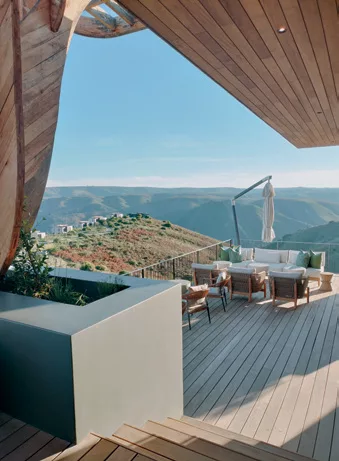
The transfer to Mantis Hiddn in Addo, in the verdant emerald hills east of Gqeberha, is its own introductory adventure. Leaving the city’s crumbling ocean frontage and heading into the countryside where the farms and reserves close in on the road, there is time to stop in at the popular Nanaga Farm Stall where the tourist prices don’t necessarily discourage browsing and the pies and lattes are justifiably hyped.

Then it’s into the beginning of the wilderness, with the turn-off to Addo Elephant National Park coming up soon, before you head into the Eastern Cape Karoo Heartland. The tar road has the national park on both sides, parallel to a railway that still carries trains ferrying fruit into the interior. As traffic starts to drop off, wildlife sightings through the fences become a feature – a lone nyala bull; a fair-sized elephant herd; a forest buzzard – all before leaving the tar. The next section, before the 4×4 vehicle starts earning its stripes, traverses huge orange plantations and passes a police training academy built in a setting that most hoteliers would maim friends for before heading up, up and further up to the top of a heather- and fynbos-cloaked hill where, just below the main lodge, 12 villas are set out along a ridge like a string of architect-approved pearls.

The main building has the impact and authority of a historic five-star hotel, with gorgeous furnishings, a bar, lounge and dining area indoors and a pool and boma outside; the latter two appearing to extend into space thanks to the drop-off of the slope.

Golden silence

When the first staff member greets you with “I’m one of the butlers here”, the in-house standard is set. And when you arrive at your villa and see the view between the discreet privacy screens that form the boundaries of your new private kingdom on either side of the patio, a similarly high bar is set for what is outside the walls.

In general, the villas showcase an eye for and excellence in design, simultaneously offering wonderful, spacious luxury and a floorplan template that, just slightly tweaked and with the frills removed, could be a brilliant model for low-cost housing.

In the villa, as you arrive, there is a set-up involving a large copper bowl, towels and lotions. Therapist BonGa kneels and washes your feet – an ancient, deeply meaningful ritual in many cultures and one that many always-rushing contemporary city folks have forgotten how to appreciate. As a means of being made to feel welcome and as an introduction to Hiddn’s wellness agenda, it’s a gentle, evocative treat.

And then, once you’re alone in your room for the first time, the overwhelming impression is that it’s QUIET, in capital letters – unlike anything it’s possible to experience in a city.

Delight in the detail

Walking up towards the lodge in the dying light, all the wood finishes glow golden. Barman and mixologist Hudson is supremely capable of creating something fresh and exciting around your favourite ingredient. That’s a skill that comes in handy immediately, as the surrounding hills mean that the sunset takes place in phases, blocked by peaks and revealed by valleys, so you may need more than one sundowner… After that, another indulgence: meals here are all fine dining affairs – artisanal bread, an amuse-bouche, a starter, sorbet, a main and dessert – without there ever being a sense of there being too much food. And then to bed, where darkness is equally delicious – thick, enveloping and calming.

Morning sees the slow advance of unfiltered, unpolluted light with a warm wind and a sense of the implacable but benign vastness of the landscape, with birds flying well below your patio but still 60 or 70m above the valley floor.

A continental breakfast can be a thing, it turns out, including a petite beetroot muffin and shocking pink dragon fruit, among other tasty things. This is fuel for a hike that starts in the fynbos belt near the top of the hill, with 100 details to immediately take in, if you’re in the mood to take a slow stroll. There are tiny vermillion flowers, the egg sac of a praying mantis, ants that move faster than you can think, gorgeous lichen patterns and beetles, er, propagating their species.

Happily, there’s a descent into shade as the sun rises, with new details: blankets of moss, orchids, wild asparagus and old man’s beard on the tree branches and fungi and ferns on the forest floor. Further down the slope, the first of the area’s majestic yellowwoods appear, enjoyed as much by striking Knysna turacos as by appreciative walkers. It all feels like a dense, peaceful garden and there’s a multi-tiered cave that might have been the manor house for the first locals. Opposite that, a spectacular red-pink cliff borders the river, leading up to the thin thread of a waterfall, doing its eternal work of hollowing out the hill below, century by century.

Reaching relaxation

So, now you’ve had a walk. In luxury resort terms, that’s heavy-duty effort, so you’ve earned a massage. BonGa returns and almost immediately proves himself a gifted therapist and grounded presence – imagine Yoda if he was elegant, eloquent… and taller. When he’s completed his comprehensive treatment, he asks when check-out will be because he’s picked up something that needs further attention – which lands as kindness and interest rather than the sort of news that makes characters in TV shows grimace and look into the camera.

Processing that sort of comment, you become aware of a rich hospitality organism at work. As the staff here interact with you and learn more about you, they refine the programme that likely best suits you and your needs which, in an all-inclusive context, feels like a rare privilege.

In this instance, it turns out that my skin is dry, which means an exfoliation routine that feels like being basted and wrapped for a slow-cooking experiment (in a good way) before showering it all off while watching a tiny scorpion coming out of a nook somewhere to see if all those droplets meant rain before leaving when it turns out not to be that sort of shower.

There’s more interaction with nature the following day with a drive to the bottom of the valley (including pauses for a baby bushbuck and a huge leopard tortoise) for sundowners, a final treatment – this one involving soothing sound bowls and the resonance and vibrations they transmit – and a swim in the crisp coolness of a sheltered, blue-green pool, all beneath the branches of a 660-year-old yellowwood tree.

All of this (plus a choice of gins) adds up to a totally relaxed frame of mind – and body – during which it’s possible to muse on how different the offering at Hiddn is to any number of other similarly luxurious destinations… and just how enticing that makes it.

Text and photography | Bruce Dennill

For more information or to book a stay, go to hiddninaddo.com.
Read more

Kalahari dreaming

Red earth and green landscapes create a picture-perfect finish in the semi-desert

Set against the backdrop of the Karonnaberg Mountains, Loapi is one of three camps on Tswalu Kalahari Reserve and is the epitome of supreme luxury in this special corner of the southern Kalahari. With only six extravagant tented homes, the privilege of space and exclusivity is felt when first stepping out of the safari vehicle.

Located on the northeastern side of the reserve, every homestead has breathtaking views over the savannah and mountainous escarpment. Spanning between 300m2 (one-bedroom) and 400m2 (two-bedrooms), the size of the chalets far exceeds the typical safari lodge.

Then again, this is no ordinary lodge. It’s more like a self-contained home with your own house manager, chef, guide and tracker. There’s no more jostling for space on the game drive vehicle – this is your dedicated private safari.

House manager Andries and chef Mpho await guests’ arrival at Loapi after the welcome by guide Marius and tracker Piet. Andries pushes open the large wooden front door, revealing the interior of the tent. There is a dining room and a lounge that leads to an outside verandah with those wraparound views again. Ample outdoor seating areas allow you to make the most of the cooling breeze. And there’s a plunge pool! Reclining on the sun loungers following a dip in the clear water is an absolute must.

The bedroom is a dreamy, cocoon-like sanctuary reserved for a great night’s sleep. Since there is no malaria here, mosquito nets can be left open to maximise the vistas. Waking up to the sky painted in hues of pinks and oranges heralds an amazing start to the day. That is, if you choose to go on safari at that time, as there is no set schedule at Tswalu.

Slow, then sweet

Finding two of the northern pride lionesses on the afternoon drive is a noteworthy feat. After having tracked them for quite some time, with Marius and Piet alighting from the vehicle to increase the chances of spotting them, they are spotted sitting pretty a few metres away under a bushman raisin tree. As one starts yawning, another follows suit – a clear indication that they are about to start getting active. Fully alert, they stretch and begin moving through the veld. Marius is hoping that they will lead us to their cubs, but they seem more interested in finding something to eat. The guides leave them be so as not to spoil their hunt.

Just before sunrise the following day, on the western side of the reserve, we are privy to a meerkat encounter. These habituated meerkats are busy leaving the confines of their burrow one by one, standing at the highest point to fully immerse themselves in the early morning rays. “Wait for it,” Marius grins, like a proud father. Five of the tiniest meerkats make their appearance, cornering the market on cuteness.

Fast food

Marius and Piet want to track down a family of three cheetahs, which is not as easy as it sounds. The only option is for them to walk up the mountain to try and find their spoor. They eventually ascertain that the cats have gone over to the other side, as there are fresh prints in the sand. The female is resting in the shade of a shepherd’s tree, and Marius suggests that we approach her on foot. Never having been on an actual walking safari, this causes excitement and nervousness at the same time. Sensing hesitation, Marius states that if there is any danger, his instructions must be heeded.

Leading the way with his CZ.375 bolt-action rifle, Marius indicates the need to walk in single file. Edging closer to the cheetahs, the realisation that trepidation was unfounded is clear. The mother is so relaxed that she doesn’t even bother to look up. Her three cubs are enjoying a steenbok that she has caught for them as she keeps a close watch over her offspring. She gets up to find a different spot where they will be spending the rest of the day. Leaning forward, she starts grooming one of the cubs. This sign of cleanliness and affection clearly meets with his approval, as he purrs really loudly.

The afternoon game drive is a definite highlight, tracking the northern pride and seeing all eight cubs! A successful oryx hunt has resulted in full, round bellies. The little ones are getting restless, and both mothers are hot and bothered from overindulging. The vehicle stays with them for about three hours, observing lots of playful tussles and aggressive growls when it comes to the carcass. The most adorable cub, at one point, turns on his back with his face pointing towards us. What a once-in-a-lifetime experience…

Text and photography | Heléne Ramackers

For more information or to book a stay, visit tswalu.com.

Read more

Beauty in the hand of the beholder

Butterflies, forests and the fragile balance of Zanzibar

In Zanzibar, beauty isn’t confined to the beaches. It flutters softly in the dappled shade of a small conservation project tucked away near the Jozani Forest, at the Zanzibar Butterfly Centre. Here, in a lush, netted garden alive with colour and motion, you’ll discover a quieter kind of wonder. It’s not about grand resorts or turquoise seas; it’s about wings, delicate, purposeful and alive with the story of a community working in harmony with nature.

The Zanzibar Butterfly Centre, located near the village of Pete, was established to educate visitors, support local livelihoods and protect some of the island’s most delicate inhabitants. Walking into the enclosure feels a bit like stepping into a living kaleidoscope. Butterflies – big, small, shy and showy – float through shafts of tropical light, occasionally landing on your hand or hat as if to remind you that nature often rewards stillness with beauty.

This isn’t a zoo or a collection. It’s a working conservation project that depends on the care and curiosity of both locals and visitors. The centre focuses on three interwoven goals: education, conservation and sustainable farming. Every visitor plays a part, whether by learning about the intricate lifecycle of a butterfly or supporting the small-scale farmers who make it all possible.

Winging it

Butterfly farming may sound like a whimsical pursuit, but for many of the 40 families from the nearby village of Pete who participate, it’s a lifeline. By rearing pupae in carefully monitored environments, they supply the centre with butterflies for both conservation and education. The income earned helps send children to school and provides an alternative to cutting down forest trees for firewood or charcoal – one of the greatest threats to Zanzibar’s remaining woodlands.

The initiative has proven especially empowering for women. Many of them can farm butterflies while still caring for their families, creating a flexible and sustainable source of income. As one local farmer said, “It’s beautiful work. We protect something small and fragile, but it gives our children strength.”

A visit here isn’t just about admiring pretty wings. The knowledgeable guides explain the symbiotic relationship between butterflies, plants and the forest ecosystem. The message is simple yet profound: conservation begins with understanding. When you see how each stage of a butterfly’s life depends on healthy vegetation and clean air, you begin to grasp the delicate web that connects all living things – including us.

Monkey matters

After a visit to the Butterfly Centre, take a short drive to the Jozani Chwaka Bay National Park, the island’s only national park and home to the endangered Zanzibar red colobus monkey.

Endemic to the island, these striking primates, with their russet coats, expressive faces and slightly comical tufts of white hair, have become the unofficial mascots of Zanzibar’s forests.

Seeing them up close is a privilege that carries its own quiet responsibility. The red colobus is critically dependent on the preservation of Jozani’s forest canopy, which has been under threat from farming and development. Conservation efforts have helped stabilise the population, but the balance remains precarious. Sharing the trees with them are the Sykes’ monkeys, another playful reminder that Zanzibar’s wild heart beats far from its beaches.

The forest itself feels almost primeval, a humid cathedral of mangroves, palms and giant ferns. Sunlight filters through the canopy like liquid gold, and every rustle carries the potential for discovery. Walking among these trees, you begin to understand that the island’s real treasure lies not only in its picture-perfect shores but in the fragile ecosystems that sustain life here.

Gifts that give back

What makes places like the Butterfly Centre and Jozani Forest so vital is their blend of education and action. Visitors leave not only with beautiful images but also with a renewed sense of connection to the natural world. And for local communities, these projects demonstrate that conservation and commerce can coexist – that preserving the environment can, quite literally, put food on the table.

So yes, Zanzibar’s beaches are breathtaking, and its sunsets spectacular – but take the time to journey inland. Trade your flip-flops for walking shoes and your cocktail for curiosity.

You’ll come away with more than memories. You’ll leave with the understanding that beauty, true, lasting beauty, doesn’t just exist to be admired. It exists to be protected.

Text | David Batzofin

Photography | David Batzofin, O Terenteva and Ventura

For more information, go to zanzibarbutterfly.com and jozaniforest.com.

Read more

It’s only natural

New slackpacking trail gives hikers access to glorious landscapes and comfortable retreats

“Climb the mountains and get their good tidings. Nature’s peace will flow into you as sunshine flows into trees. The winds will blow their own freshness into you, and the storms their energy, while cares will drop away from you like the leaves of autumn.” – John Muir

There is a certain stillness that can only be found on a multi-day trek. The childlike excitement as one takes one’s first steps on the trail, the sweat of a steep incline, the reward of putting one’s dirty feet up at the end of a long day, the awe-inspiring alpine vistas, the contrast between chatter with friends and quiet contemplation in an environment so awe-inspiring that it demands deep and profound thought. To experience this colourful range of emotions requires us to take not hours but days out of our busy, loud, scheduled lives. It requires effort, but the reward – the gradual unwinding of body and mind – is worth the toil.

The newly established Nature Way gives slackpackers the chance to do this in South Africa’s most picturesque alpine wilderness, combining the comfort of cooked meals, beds and portered luggage between four gorgeous Drakensberg lodges with the ruggedness of daily treks through the 6,500ha Northern Drakensberg Nature Reserve.

Forest and further

Day one takes visitors from The Cavern to Greenfire (12km). Showcasing the extraordinary biodiversity of the Drakensberg, the first day of the trail leads hikers into the cool shade of pristine indigenous montane forest, meandering past trees that are centuries old, before a steep incline that ups the heart rate while opening the view of the valley that is to be the stage for the next few days’ adventure. Hikers then join a path that contours below the sandstone cliffs of the ‘Little Berg’, leading them through mixed grassland and forests and across crystal-clear streams before the final short descent to Greenfire. Remote, rustic and perched high up in the mountains, the vista from Greenfire offers a proper sense of reward at the end of a challenging first day’s trek.

On day two, the route winds from Greenfire to Berghouse & Cottages (18km). Feeling refreshed after a restful night in Greenfire’s cosy log cabins, lace up those boots and get ready for another day in the hills. The route begins on the mountain bike path parallel to the sandstone cliffs (keep a lookout for the vulture colony) towards an undulating dirt road before twisting around a mountaintop and descending via a horse trail deeper down into the valley. The path then follows a mountain stream, reaching a beautifully shaded picnic spot. This is the perfect place to pause, have lunch and dip your feet in the cool, rushing water. Crossing this stream, the path then begins its winding ascent to Berghouse, where you will be greeted with warm hospitality, a view back down the valley you have spent the last two days exploring, as well as a sneak peek of what awaits in the days to come. The backdrop to this entire scene is the iconic Amphitheatre, flanked by the Malutis to the north and the main Drakensberg escarpment to the south, stretching hundreds of kilometres to the horizon.

Time to relax

The third day’s walk extends from Berghouse & Cottages to Montusi Mountain Lodge (9km). The shortest day of the trek offers a welcome chance to take things slow, appreciate the finer details of the beauty that surrounds you and enter a meditative state as the chaos of work life fades into memory. You are now in a hiking rhythm that gives your days momentum and purpose. The trail descends towards a river, joining with a wide track where you can walk side by side with a companion, losing yourself in conversation and laughter. Arriving at your destination earlier than the previous days, you’ll find an abundance of time, space and peaceful spots to rest and reflect. Take a walk through Montusi’s beautiful gardens, enjoy a reflective moment of quiet stillness next to the dam or take advantage of the luxury of your freestanding room with its expansive mountain views.

Day four takes hikers to the end of the trail at The Cavern (16km). The final day’s walk begins through the horse paddock, continuing down past the Waterfall Cave, joining another river, and then gradually rising up out of the Montusi Gorge towards All Out Adventures, where a coffee and snack break will give you the required energy for the home stretch. The route then zigzags up onto a long contour path which stretches for kilometres back towards The Cavern. This is the victory lap of the trail, with views of the entire route that your feet have carried you over the last few days. It is a chance to reflect on the beauty and the lessons learnt and a chance to transform the experience into renewed energy to take home with you. At the end of this contour, the trail descends past The Grotto down towards The Cavern.

While the trail can be done in four days, consider tagging on a few extra days if possible. The Northern Drakensberg Nature Reserve contains a rich diversity of wildlife, including free-roaming eland herds and a vulture colony. The Reserve is also home to several cultural heritage sites, including rock art from the Bushmen era, and is also a stone’s throw from the Tugela Gorge, a stunning day trip to be added onto the trek.

Text and Photography | Supplied

For more information about The Nature Way, go to cavernblog.co.za.

Read more

Tastefully reborn

Iconic tourist attraction makes a comeback as a centre for confectionary

If these walls could talk, they’d probably roll their eyes, pour you a brandy and tell you to stop taking yourself so seriously. After all, Evita se Perron – Darling’s most famous former train station and South Africa’s cheekiest cultural landmark – is turning 30, and the only rule for the celebration is: no dull moments allowed.

Once upon a time, a dusty little train station in Darling stood abandoned, the ghosts of old journeys sighing through the cracks. Then, along came Pieter-Dirk Uys, the nation’s satirical firebrand, armed with lipstick, wit and a determination to make South Africa laugh at itself (and think while doing it).

In 1996, he transformed that station into Evita se Perron, a place where art met politics, laughter met discomfort and audiences met Evita Bezuidenhout, the glamorous, razor-tongued ‘Ambassadress of the Nation’, who taught us all that truth is best served with a wink.

Fast forward 30 years and the Perron remains a must-stop pilgrimage site for anyone who loves theatre, history and a well-timed punchline. But, like any great diva, Evita se Perron knows the secret to longevity: reinvention.

After closing its doors in 2020, many feared the Perron’s final act had been played. But confectionery makers Darling Sweet and Swartland Kitchen stepped in. Today, the same station that once rattled with political satire now hums with the scent of toffee, fudge, rusks and freshly baked cookies. The old ticket office? A toffee tasting room. The platform café? Now a world-first rusk and cookie tasting room.

Combining old and new

Beyond the baked goods and belly laughs, Evita se Perron remains a living museum of South Africa’s cultural contradictions. The Museum Nauseam still stops visitors in their tracks with its haunting apartheid-era relics – a reminder that humour and history often share the same uncomfortable stage.

And yet, the spirit of the place remains delightfully irreverent. Where else can you sip coffee under a portrait of Tannie Evita, nibble on an almond-and-orange-flavoured rusk and then wander into an exhibition that skewers politicians and celebrates democracy? And all before lunch?

As the Perron celebrates three decades of defiance, decadence and Darling charm, the message is clear: you can’t keep a good story or a great satirical icon down. It remains a celebration packed with events, tastings, performances and nostalgic nods to Uys’s trailblazing work. The stage lights will glow once more, the ovens will roar and the laughter will echo across the Swartland.

Text and Photography | Supplied

For more information, go to darlingsweet.co.za.

Read more

Steeped in mystery

Little-visited Asian valley is becoming accessible for adventurous travellers

The Himalayas shape Bhutan from the north, and jungles carve out its southern border. In between, sloping valleys hide villages and ancient fortresses, as well as mythical lakes and pristine rivers. Nature thrives here, much as it has for centuries. Only opening its mountain-cloaked threshold in 1974, Bhutan is a destination steeped in mystery. Renowned for its distinct policies of Gross National Happiness and its coveted carbon-negative status, there is no country like this in the world.

And in its westernmost district, an almost forgotten land of the highest peaks and lowest-lying jungles, lore and legend reign, is Haa. The last district in Bhutan to open to tourism in 2002, Haa borders Tibet to the north and India to the east. It is sometimes contentious, often overlooked and always ripe with the unknown.

One of the least explored parts of the Kingdom, Haa is now open to the world, and it beckons the traveller willing to take a road not less travelled, but almost entirely untraversed. It is best experienced by walking the paths of myth and mystery that make it so special: tales of shamans that call spirits, deities that could wipe out armies and the elusive creatures, such as the snow leopard, that call this place home.

Embrace traditions

The people who call this place home are known for their strength and unwaveringness. Haaps are resilient folk, enduring hard winters and monsoon-riddled summers. Proud of their heritage, they keep the spirit of the valley alive – literally. Ap Chundu, Haa’s signature deity and protector, said to have watched over the valley for centuries, is invoked in whispered prayers around warm bukharis. The story goes that in ancient days of Tibetan invasion, he would turn a cliff into the mirage of a field, wiping out the invading armies in one fell swoop. Nowadays, he is called down to bless the valley each year and foretell a prophecy for the next year during Ap Chundu Loesel, or Ap Chundu festival.

These pristine places and traditions have remained all but inaccessible – until now. Haa’s official tourism website, a first for any district in Bhutan, launched in February 2026, offering comprehensive information on the folds of the valleys. But for the discerning traveller, willing to go deep and experience Bhutan’s oldest traditions as they once were, there is Sangwa Camp. Sangwa, meaning ‘secret’ or ‘hidden’, is a gateway to these untouched lands, offering unprecedented access to Bhutan’s most authentic villages and thriving ecosystems. A tented luxury camp erected in the wilderness, Sangwa takes you to places first settled by Bhutan’s earliest inhabitants, immersing you in subcultures, ancient spiritual traditions and the meaning behind their songs, traditional crafts and rare wildlife. This is Bhutan at its deepest core. Exclusive by design, it is secret for a reason: to conserve and maintain the precious hidden majesty of the Land of the Thunder Dragon.

Text Supplied

Photography | Shutterstock

For more information, go to mybhutan.com.

Read more

Freeze your brain if you want, but you won’t be you... even if they can thaw it out

The chances of successfully cheating death by having your head cryogenically frozen remain sub-zero

Perhaps inevitably in such turbulent, uncertain times, there’s a renewed interest in cryonics: the freezing and storing of human remains so that they can be resurrected in the future when medical technology is sufficiently advanced.

The appeal of this is obvious. It’s basically the mortality equivalent of a video game save point, allowing you to ‘undo’ whatever life-ending harm you’ve experienced and pick up where you left off.

But a growing enthusiasm for cryonics doesn’t change the fact that, at present, it’s a process with many significant hurdles to overcome before it could be said to ‘work’ in any meaningful way.

Cryogenically freezing someone is rarely, if ever, permitted before that person has died. Why? Because freezing a living body is inherently a lethal process, and even if they’re okay with it, it’s illegal to kill a person.

It’s often said that the human body is mostly water. Water makes up the bulk of the vital fluids that keep our cells and tissues alive and functional.

When you freeze water, however, it turns to ice. Solid, expansive, spiky ice. If living cells are suddenly filled with it, ice does a lot of damage. This is why freezing and thawing things like strawberries renders them mushy – the cells that give strawberry flesh its structure are badly disrupted.

And that’s a piece of fruit. A human body is far more complex, sustained by countless different tissues and delicate biochemical processes.

There are ways around this. The speed of freezing can reduce the presence of ice crystals, as can the inclusion of cryoprotectants (chemicals that prevent or reduce the cellular damage done by freezing).

While such approaches can work for individual cells or tissue samples such as embryos, the more cryoprotectants are needed, the more toxic they become to the delicate chemical processes that sustain life. So, the larger and more complex an organism is, the harder it is to freeze ‘safely’.

More importantly, no sufficiently complex living organism is ever fully inert. It’s always biologically active, being sustained by innumerable biochemical processes. Freezing shuts these down. Turning them back on again isn’t like flicking a switch on a machine, but more like trying to unscramble an egg. While not impossible with sufficiently advanced technology, it’s certainly not easy.

Many prospective ‘cryonauts’ freeze only their head or brain. Presumably because, if medical science has advanced enough to defrost your noggin, it’ll be just as able to replace the body that was once attached to it. And as long as your brain is intact, you’re still ‘you’, right?

But freezing and restarting the brain is likely the biggest challenge of all. Because neurons – the brain cells that form the biological basis of everything that you are – are significantly more intricate and vulnerable than any other type of cell.

For one thing, neurons and brain cells are the most metabolically demanding; they consume about a quarter of the body’s available energy just to stay alive. A frozen body has zero available energy. Consider that a stroke is what happens when the blood supply to just one part of the brain is disrupted, even briefly.

The internal structure of a neuron is also very intricate and far more vulnerable to chemical and physical damage. Also, while other tissues may be able to regenerate or repair damage caused by a less-than-perfect cryogenic process, neurons struggle to do this. So, the brain is both more vulnerable to harm from the cryogenic process and less able to recover from it.

And this is key. It’s not just the presence and number of neurons that support our minds and consciousness, but the exquisitely precise and sophisticated way in which they’re arranged and linked. The typical brain contains trillions of spindly microscopic neuronal connections, which are how our memories and identities are stored. Such fundamental connections would be easily wrecked by the freezing process.

Even if future medicine could rebuild and restore these connections, how would a future neurologist know what connections go where? Unless you have a full molecular-level brain scan before you’re frozen, and that scan is stored with your head or body, trying to rebuild neuronal memories would be like trying to rewrite a burnt book by studying the ashes.

Basically, however it’s set up or applied, every modern manifestation of cryonics relies on one vital resource: optimism. And while there’s nothing wrong with that per se, you’d hope people would think twice before gambling their lives on what is currently an unlikely outcome.

Text | Dean Burnett

Dr Dean Burnett is a neuroscientist and author. His latest book, Why Your Parents Are Hung-Up on Your Phone and What To Do About It is out now.

Read more

Presence and positivity

Men can play a powerful role in the lives of those around them, especially if they keep a check on how they’re behaving

A life that matters

The motivation to confront any wounds you carry is to understand that your life matters. It matters greatly. You are needed. You have a purpose and a destiny. You were created to be a gift to your loved ones and to the world.

When my daughter Blythe was just two and a half years old, doctors told us that she needed surgery to repair a small hole in one of the walls of her heart. When the time arrived for the procedure, she was understandably frightened. I asked the surgeon if I could accompany her into the theatre. He kindly agreed and allowed me to hold her as they placed the gas mask over her face and the anaesthetic took effect. After she fell asleep in my arms, I placed her gently on the operating table and left the theatre. The operation was a great success and I was at her side when she woke up. A month later, I had a group of people over for dinner at my house and one of my friends said to Blythe, “I believe you were in the hospital recently?” She replied, “Yes, my heart was broken,” and then, after a coy pause, she said proudly, “but my daddy fixed it!”

To say I was deeply moved is an understatement. I teared up and had to excuse myself to gather my composure. Blythe gave me the gift of seeing myself through her eyes that day. I was her hero, the man who had fixed her heart. And it struck me that, in many ways, I really did hold her heart in my hands – that the way I showed up in life and as her father would have a profound effect on her. I realised just how much my life mattered to her and because it mattered to her, it mattered, full stop. I had to become the best man I could be – for her, for my son, my wife and everyone else in my life. That was all the motivation I needed to begin confronting my inner wounds and demons. It was the catalyst for my journey towards wholeness.

Knowing how much you matter to your loved ones and how much they need you is a powerful reason to face anything that keeps you from being your best. Knowing that your life is unique and that you have something of real value to offer the world is another. Knowing that you are made in the image of God, of infinite value, is perhaps the most compelling reason of all.

Equipped for battle

We all have blind spots, aspects of ourselves that others can see clearly, but we remain unaware of. This applies to both the positive and the negative. We must acknowledge both our strengths and shortcomings and stop underestimating our value and the gifts we bring to the world. We must recognise our strengths, our many positive traits and how much we mean to others. At the same time, we have to be aware of the areas in which we are falling short and mindful of any habits or behaviours that might be harmful to ourselves or others.

One of the saddest things about a funeral service is that the person lying in the coffin never gets to hear all the beautiful things that are said about them. Most people go to their grave without hearing how loved and valued they were.

There are two important and effective ways to obtain an accurate understanding of ourselves. The first is introspection and the second is feedback.

Honest introspection means taking a clear and unflinching look at yourself. Ask yourself: Do I have any harmful habits that I am struggling to give up? Do I have emotions such as anger, sadness or anxiety that I find difficult to control? Am I failing to take responsibility in any area? Is my house in order? Are my finances under control? Are my health and relationships sound? Do I suffer from impostor syndrome – the fear that if people really knew me, they wouldn’t like or respect me?

Also, consider the positive: What am I truly good at? Do I give myself credit for the good I do?

These are all important questions to ask yourself to gain a clear and honest picture of who you are.

Receiving feedback from others is the next crucial step. Start becoming aware of the effect you have on those around you. How do you make people feel?

Once you start practising self-awareness, it becomes easy to develop yourself into the man you were meant to be. When you shave, you use a mirror to help you guide your razor. In the same way, self-awareness shows you what to focus on in your personal development. As your self-awareness grows, it becomes easier to become the man you were meant to be.

Text | Craig Wilkinson

Photography | Supplied and Worradirek

Force for Good: The Power of Healthy Masculinity by Craig Wilkinson, published by Penguin Random House SA, is available now. This excerpt is published by permission.


Read more

Decline, then develop

Ageing and its effect on hormones need close attention

Experts say that changes in hormone health – particularly declining testosterone in men and falling oestrogen and progesterone levels in women – could be a key reason why so many people feel constantly fatigued. These hormones play a vital role in maintaining energy, mood, muscle mass and bone strength – all of which influence how strong and energised we feel.

Research shows that low testosterone levels in men are strongly associated with reduced muscle mass, fatigue and lower exercise capacity. Similarly, declining oestrogen levels in women – especially during the menopausal transition – are linked with poor sleep, mood changes and cognitive fog, which can worsen daytime tiredness.

Men with low testosterone may notice persistent tiredness and reduced exercise tolerance; loss of muscle mass despite regular training; low libido or erectile difficulties; weight gain around the abdomen; and low mood or irritability.

A condition called late-onset hypogonadism or low testosterone tends to become more common as men get older. Research shows that between 20% and 40% of men over 45 have lower-than-normal testosterone levels. It often goes unnoticed, is sometimes misdiagnosed and can even be overtreated. About four in 10 men over the age of 45 and half of men in their eighties are affected. On average, testosterone levels drop by about 1% per year after the age of 30 but are never depleted completely.

For women, symptoms of oestrogen and progesterone decline can include worsening fatigue and disrupted sleep; irregular or absent menstrual cycles; mood swings, anxiety or brain fog; loss of muscle tone; declining exercise capacity; and vaginal dryness or reduced libido.

Get checked

If you’ve been feeling unusually tired, unmotivated or weaker than usual, it’s important to talk to your healthcare provider rather than trying to push through it. For men, doctors usually start by testing testosterone levels through a simple blood test taken in the morning, when levels are highest. If the result comes back low, the test is repeated to confirm the finding before any diagnosis is made.

For women, a diagnosis is more complex. Since oestrogen and progesterone levels naturally rise and fall throughout the menstrual cycle and change with age, doctors don’t rely on blood tests alone – they also consider symptoms, age and a medical and menstrual history to get a clearer picture of what’s happening hormonally.

A comprehensive mid-life checkup is one of the best ways to stay ahead of these changes. It gives you and your healthcare provider the chance to review your family history, screen for common mid-life concerns such as thyroid issues, diabetes or high blood pressure and establish a baseline for tracking the natural hormonal shifts that occur with age. This is especially valuable for women approaching menopause, but it’s also useful for identifying other health issues that might not be hormone related.

Text | Ingrid Singels

Photography | Faizal Ramli

Ingrid Singels is Associate Director of Pharma Dynamics’ Scientific Division. For more information, go to pharmadynamics.co.za.

Read more

Healthy lifestyle habits

  • Exercise regularly
  • Prioritise sleep
  • Manage stress
  • Eat a balanced diet
  • Address underlying health conditions
  • Limit or cut out alcohol and smoking
1. Sunset scales: Temminck’s pangolin, Manyeleti Game Reserve, South Africa. Picture by Armand Grobler (South Africa).

Conservation awareness, to scale

Milestone photography book gives insight into magnificent threatened species

Remembering Wildlife, the photography book series that raises awareness and funds to save endangered animals around the world, published its 10th book, 10 Years of Remembering Wildlife, recently. This is the biggest book yet in the series, featuring images donated by world-leading wildlife photographers such as Marsel van Oosten, Frans Lanting, Greg du Toit and Jonathan and Angela Scott, who have also written the foreword.

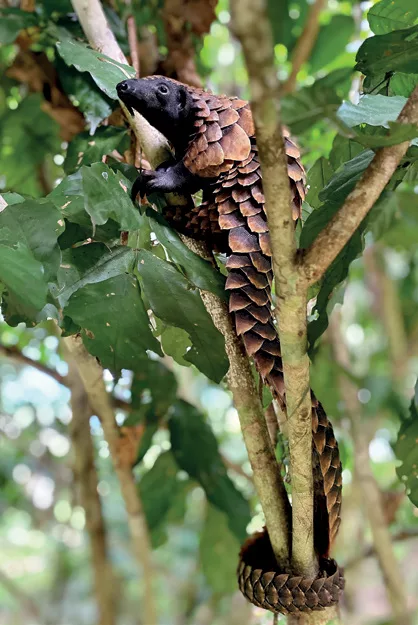
The book gives a fascinating insight into the elusive pangolin, which most people will never see in real life. All profits from sales of the book will go to pangolin conservation projects.

Pangolins have been around for 80 million years. It is estimated that one is taken from the wild by poachers every five minutes. Demand is largely for pangolin scales for medicine and for meat as a delicacy, mostly in Asia. Pangolins also face habitat loss and electrocution – if they walk into an electric fence, their defence mechanism is to curl around it.

There are eight species, four in Africa and four in Asia, and the International Union for the Conservation of Nature (IUCN) lists them as endangered, critically endangered or vulnerable, depending on the species.

Text and photography Supplied

For more information about Remembering Wildlife, go to rememberingwildlife.com.
Read more
2. A black-bellied pangolin climbing a tree at the Sangha Lodge, Dzanga Sangha, Central African Republic. Picture by Alessandra Sikand (Switzerland, USA, India).
3.Temminck’s pangolin walking in the sunset in style – game farm, Namibia. Picture by Hendri Venter (South Africa)
4. A baby Chinese pangolin holds onto its mother’s tail: Cuc Phuong National Park, Vietnam. Picture by Suzi Eszterhas (USA).
5. Temminck’s pangolin looking curious – Tanda Tula, Timbavati Private Nature Reserve, South Africa. Picture by Chad Cocking (South Africa).
6. White-bellied pangolin, Bwindi Impenetrable National Park, Uganda. Picture by Pete Oxford (South Africa).

Why do I find it so difficult to switch between tasks?

Gerard Garrerty, Cape Town

First, the good news is you’re not alone – most people are terrible at task switching. Secondly (and in even more good news), psychologists have been studying it for decades to figure out why.

In an ideal world, we’d focus on one task at a time – get it finished and, only then, move on to something else. Real life is rarely so convenient, however. It’s all too common for you to be making great progress on one thing, when… BAM! You suddenly need to deal with something else. If you’re working from home, there might be even more tasks to switch between, from signing for deliveries to emptying the dishwasher.

When you do eventually return to the original task, it’s likely to take you a while to ease back into it, and, at least at first, your performance will probably be poorer.

In the lab, researchers have shown that people are slower and make more errors when they switch back and forth between two tasks, compared with when they focus solely on one.

Giving people a break between the two tasks helps, which suggests that part of the difficulty of task switching is the need to mentally change gears. The break helps with that, but it’s not enough, implying there’s some lingering interference between the two tasks. Psychologists call this problem ‘attentional residue’ – essentially, when you switch between tasks, your mind struggles to fully let go of each one before moving on to the next.

Yet another factor has to do with memory – after switching tasks, you have to remember to return to what you were doing originally and where you were at.

Finally, there’s also an emotional element, especially when a task switch is forced on you by an interruption. A switch such as this causes frustration and stress, which can also harm your performance.

Read more

What are earlobes for?

Ellen Pierce, Durban

Earlobes may seem like a simple, often overlooked, part of our anatomy, but they serve a few interesting purposes. Some people think earlobes improve our ability to detect sound because the fleshy lower part of the ear helps to funnel sound waves into the ear canal. But other scientists argue they don’t have any true biological purpose.

What we do know is that earlobes are rich in nerve endings, making them sensitive to touch. This may play a role in social bonding and communication through physical contact, such as gentle touches or pulling in certain cultural practices.

While earlobes don’t have a critical function like some other body parts, they have cultural significance in many societies. They are often adorned with jewellery and are involved in traditional practices like ear stretching or piercing. So, while their role in physiology might be modest, their contribution to human expression and culture is significant.

Read more

Progress through pretending

Young children learn important life skills through games they make up

As your little one grows, their imagination is where they start to make sense of the world, how it all works and the different roles grown-ups can play. From babbling on a toy phone to ‘cooking’ dinner in their play kitchen or looking after the animals on the farm playset, pretend play helps toddlers learn how the real world works and how they might fit into it.

Pretend play lets toddlers explore the world around them in the comfort and wonder of their imaginations. They can pretend to be a farmer harvesting crops, a veterinarian caring for their stuffed animal or a racing driver who wins the big race. The possibilities are endless! As they describe what’s happening in their pretend scenario, the toddler is developing valuable language skills that help them speak, understand and use words meaningfully.

When your little one plays with other kids, they further develop their language skills, as well as social and problem-solving skills. Whether they’re building a fort or choosing roles to play house, playing together helps kids learn how to compromise, negotiate and share. Pretend play also encourages self-regulation and important emotions. Kids who have pretend wrestling matches or play sharks and minnows are learning impulse control and how to set and respect boundaries.

Growth stages

Every child develops at their own pace. So, this is just a general timeline.

  • 12–18 months: Imitates simple actions that they have observed adults doing.
  • 12–18 months: Uses props in realistic ways as they play, like making a pretend call on their toy phone.
  • 16–24 months: Uses props in unexpected ways as they play, like pretending a banana is a phone.
  • 24–30 months: Engages in thematic pretend play with multiple objects and actions.
  • 24–36 months: Imagines themselves as other things or people during play.
  • 30–36 months: Plays make-believe with you and others where the stories make sense.

Toddlers find meaning and purpose through pretend play, which helps build their confidence and self-esteem. If they can put on a pair of boots and take care of all the animals and do all their chores on various toy platforms, what else will they feel confident doing?

Text | Lisa Lohise

Photography | Ball Lunla

Lisa Lohise is an early childhood development expert.

Read more

Prepare for the unexpected

Drivers must know what to do should they ever find themselves in trouble on the road

While always hoping for safe travels on the road, being prepared for the unexpected can make stressful situations more manageable.

The first step starts before departure. Check your insurance documentation to discover potential gaps in your coverage well before a crisis occurs. This includes fully understanding what your inclusions and exclusions are. Consider anything that could affect coverage, such as cross-border travel and additional drivers. Ultimately, take some time to prepare for the worst: save essential numbers and information and update your information and licences if due.

If you are involved in a collision, there are a number of steps to follow.

Stop immediately. Switch your hazard lights on to warn approaching traffic. If it is safe, move to the roadside and put out an emergency triangle. If there are injuries, never leave the scene without police permission. If there are no injuries, you can leave the scene and report it later.

Check for injuries. Assess yourself, passengers and others involved. If anyone is injured, call an ambulance immediately. Only move injured people if they are in immediate danger, as doing so can potentially worsen their injuries.

Begin processing

Contact the police. Report accidents involving injury or death within 24 hours. For minor accidents without injuries, you have until the next working day. Record the officer’s name and accident report reference number.

Document everything. Photograph the scene from multiple angles, capturing vehicle positions, damage, road conditions, skid marks and any relevant road signs or landmarks. This is invaluable for insurance claims. Take videos if possible, showing the scene’s broader context.

Exchange information. Collect full names, ID numbers, phone numbers, insurance details and licence information from other drivers. If a company vehicle is involved, get the employer’s details too. Record the make, model and colour of all vehicles.

Record witness details. Write down the names and contact numbers of anyone who saw the accident occur. Witness statements can be important in insurance claims. In the moment, some volunteer information, but later either forget or choose not to be involved. Record their statement immediately, along with details such as name and contact number.

Make a sketch and write a statement. Draw a simple diagram showing vehicle positions, road layout, traffic direction and any fixed landmarks. Write your account of how the accident happened while the details are fresh. This will help you remember specifics later.

Preparation is your best protection. A few minutes spent reviewing insurance and understanding procedures before a trip can save hours of stress and potentially thousands of rands if an accident occurs.

Text | Eugene Herbert

Photography | F01 PHOTO

Eugene Herbert is CEO of MasterDrive.

For more information, go to masterdrive.co.za.

Read more

Balance and behaviour

Encouraging positive change has multifaceted business benefits

In business, figurative sticks and stones may break no bones, but a few kind words can make a big difference. Profit is the lifeblood of business, and influencing employee behaviour is central to profitability. But not all profitable behaviour change is positive. Some practices may yield short-term results but harm people or the organisation in the long run. Choosing positive behaviour change is not only an ethical stance – it’s usually the stronger performance choice.

At its core, positive behaviour change improves both people’s lives and business results. It boosts wellbeing at individual, organisational and even societal levels. A workplace that is pleasant and meaningful leads to healthier relationships, greater collaboration and more satisfied employees. This positivity spills over into family and community life. Professionally, it reduces absenteeism and staff turnover, raises quality and grows profitability. That growth enables more hiring, better benefits and a virtuous cycle of attracting strong talent.

Negative behaviour change is that which harms business results, people’s lives, or both. It can manifest as:

  • Misaligned actions, such as competition or tension between colleagues, where collaboration is needed.
  • Short-term wins at long-term expense, such as a superstar hire who disrupts culture.
  • Reduced motivation through lost autonomy or lack of rewards.
  • Unethical conduct from excessive competition or pressure.
  • Erosion of positive behaviours – micro-management replacing trust.
  • Undermining company purpose and values.

On the human side, it could involve punishing workers, forcing long hours or fostering fear. Importantly, some of these practices may still boost output. Fear can drive speed; longer hours can increase production. Whether such practices are genuinely negative is also subjective. In highly competitive environments, some employees may view extreme demands as motivating, not punishing.

Nullify the negative

So, if ‘negative’ practices sometimes work, why not use them? There are two main reasons. An environment that encourages positive behaviour change is simply more humanistic and more akin to what most people want to see in the world. At the beginning of this millennium, famed psychologists Martin Seligman and Mihaly Csikszentmihalyi wrote about positive psychology in America, but what they said is equally applicable at an organisational level (substituting ‘America’ with ‘business’):

“Entering a new millennium, [business] can continue to increase its material wealth while ignoring the human needs of its people… Psychology should be able to help document… what work settings support the greatest satisfaction among workers… and how people’s lives can be most worth living… The field of positive psychology at the subjective level is about valued subjective experiences: wellbeing, contentment and satisfaction (in the past); hope and optimism (for the future); and flow and happiness (in the present).”

Getting the most out of people is not the same as getting the best out of them. Overworked or disrespected staff may produce more for a while, but quality drops and turnover rises. Disengaged employees won’t contribute any discretionary effort, and they will not go above and beyond what is expected of them.

In contrast, simple acts of recognition go a long way. In a study called Getting More Work for Nothing? students “were offered a congratulatory card honouring the best performance. The award was purely symbolic to ensure that any behavioural effect is driven by non-material benefits. Our results show that the award increases performance by about 12% on average.”

Then there are other risks mentioned earlier, such as the undermining of company values, reduction of team cohesion and alignment and the negative impact on motivation. When the desired behaviours are negative, these risks are multiplied.

In short, positive behaviour change isn’t just ‘nice’. It’s more effective and sustainable.

Make sure to motivate

In the context of the argument for positive behaviour change, it’s surprising that employee engagement in the US fell to its lowest level in a decade in 2024, with only 31% of employees engaged. Which begs the question: how do companies engage their employees so as to positively change their behaviour?

The simple act of recognising people for the behaviours you want to see in your company is not just easy, it also goes a long way – perhaps even further than financial rewards. One study, which gave employees either monetary rewards (either privately or publicly) or social rewards, found that “in both the short and long term, public rewards outperformed private rewards and social rewards outperformed monetary rewards”.

This is not to dismiss financial rewards – they can be effective and add substantial layers of motivation and engagement. It is rather to highlight how effective it can be to say a simple ‘well done’ in front of everyone (whether that’s in a team meeting or on a recognition platform).

This makes sense in the context of the 4-Drive Theory of Motivation, which suggests that there are four main drives that motivate employees. They are:

  • The drive to acquire – from money to skills to status.
  • The drive to bond – to form relationships with colleagues, to feel a sense of belonging.
  • The drive to comprehend – to satisfy curiosity, to discover and understand.
  • The drive to defend – to feel safe and secure, to protect what is held dear.

As the Incentive Research Foundation has observed, “In a single instance of giving an employee a reward or recognition, the organisation allows an employee to acquire status… to bond with their team or the person giving the recognition, to more deeply comprehend what is important to the organisation and to defend the deeply held belief that he or she is good at what they do and has chosen the right organisation for employment.”

In other words, satisfying any one of the four drives is positive. But satisfying all four – such as through recognition or rewards – has a powerfully compounding effect.

The human moral of the story is that positive behaviour change is better for individuals and reflects a kinder, more humane worldview. But the business conclusion is that it usually yields better results, and that is hard to argue against.

Text | Preeya Daya

Photography | Dragana Gordic

Dr Preeya Daya is Academic Director of the Achievement Awards Group.

For more information, go to awards.co.za.

Read more

Erase your tracks

Digital security requires awareness and action

Users’ digital footprints have been building up for years. Social media accounts, old comments, carelessly posted photos, message boards and old marketplace listings – everything that each individual user has ever shared online remains there, potentially causing serious retroactive issues for the poster.

This information may be of interest to potential employers, government agencies, advertisers, scammers and even exes. HR departments often conduct thorough online background checks on candidates before hiring. Additionally, data obtained through the use of shady services that search for leaked information from data breaches can be used for doxing and harassment purposes.

By googling yourself regularly, you’ll first see exactly where you once registered (and perhaps forgot about), and second, you’ll be able to check for any fake or impersonating accounts using your name.

Once you’ve dealt with the fake accounts and compiled a list of your genuine ones, it’s time to delete the superfluous and outdated ones. Don’t rely entirely on the initial search or your own memory. Dig deep into your email archives to see which sites and services message you as their user. You can also review the list of saved passwords in your browsers or password managers.

Unfortunately, the accounts you’ve registered are only half the battle. Sometimes social media sites generate shadow profiles containing data on you that may persist even after you delete your account. These profiles can include information you never directly shared with the service. For example, you might have granted the Facebook app access to your phone contacts without ever importing them into your account. All the data from your address book could end up in that shadow profile.

Block the gaps

Data leaks happen online virtually every day, exposing massive amounts of personal data. Websites like Have I Been Pwned allow you to enter your email and get alerts if it shows up in a new leaked database.

However, it’s best to monitor leaks through products designed for that purpose. Unfortunately, preventing leaks single-handedly is an impossible task for the average user. So, the best defence is to limit how much personal data you share when registering new accounts.

An email inbox overflowing with old messages that contain private information is also part of your digital footprint. Go through your mail using keywords like ‘password’, ‘SSN’, or ‘account’, and delete any emails containing this sensitive data. Unsubscribe from old mailing lists. This lowers the chance that your email address will leak from a marketer’s database.

Don’t forget to regularly – at least once a month – clear your browser history, cookies and cache on all your devices. Alternatively, set up your browser to clear this data automatically when you close it. This lessens the chance of an outsider collecting information from your device if they gain access to it. On smartphones, it’s advised to disable or periodically reset your advertising identifier.

Text | Supplied

Photography | Image Flow

For more information, go to kaspersky.co.za.

Read more

Where AI is a bonus

Figuring out remuneration updates can be made easier with digital assistance

Annual salary reviews and bonus processes can take a long time to complete. AI-driven analytics and automation can bring the kind of change that HR departments and their stakeholders desperately need.

While many organisations already have repositories of historical reward data, much of this is captured manually and analysed by hand. AI, automation and data-driven HR promise to take away the pain and simplify the performance review journey for HR practitioners, corporate managers and employees alike.

Too much time is spent modelling reward data in Excel and chasing feedback on bonus schedules and pay increases – it’s difficult to get to the important stuff, like developing innovative strategies and addressing pay inequalities.

AI can support faster data processing, but it isn’t a magic wand. Instead of spending weeks building spreadsheets, AI tools can assist with automating repetitive tasks, such as performing calculations, flagging anomalies or summarising data. However, there is still heavy reliance on humans to input structured data and exercise oversight on the data.

The future of AI will also likely disrupt traditional annual performance reviews. There is room for innovative tools that will monitor employee and team performance in real time to provide companies with richer datasets on which to base their remuneration decisions.

In turn, employees will have access to current and historical data that would give insights on their developmental plans and improvement areas for succession into next roles.

Bias management

Embedding AI analytics into current processes can help HR spot early signs of employee disengagement and turnover risks. This lets them address issues proactively, design recognition incentives and develop other programmes to drive retention. AI models, through machine learning, can be trained to ignore biases humans naturally stumble into. They can also expose biases in performance and remuneration governance and decision-making, helping companies become better employers and more compliant with the law.

The biggest transformation that AI-driven analytics and automation bring to the table is that they allow HR practitioners to flex their expertise. With AI taking over the heavy lifting, they can tackle business-critical initiatives that demand human ingenuity and finesse, like developing better reward strategies.

Although there are examples of in-house AI solutions being developed by large South African corporations, few commercially available options have leveraged AI at all. There is heavy investment in AI-driven HR in other countries, but here it’s still a niche offering. No doubt, then, HR departments will want to see more on offer – and soon – so they can move ahead with their transformation.

Text | Yoliswa Mqoboli

Photography | PrimSeafood

Yoliswa Mqoboli is an Executive Committee Member at the South African Reward Association. For more information, go to sara.co.za.

Read more

Entering equivalence

South African gender gaps are smaller than in many countries, but there is still a huge amount of work to do

Equality isn’t only a matter of rights; it’s a driver of progress. Studies show that when women have equal access to education, work and leadership, entire economies grow stronger and more sustainable.

Over the past decade, South Africa has made real strides toward that vision. Drawing on a decade of data from the World Economic Forum’s Global Gender Gap reports, it’s possible to see how far we’ve come and where gaps remain through key signs of progress and the women powering this change.

As of 2025, South Africa has closed about 76.7% of its overall gender gap, meaning that women now experience roughly three-quarters of the same access as men across education, health, economic participation and political empowerment. This puts the country well ahead of the global average of 68.5%, showing that sustained policy attention and grassroots advocacy can produce measurable results even in a developing economy. Over the past decade, South Africa consistently ranked among the world’s top 20 countries for closing the gender gap. However, in 2025 it experienced a sharp decline to 33rd place, reflecting not a major regression in its own performance, but rather faster progress made by other countries in narrowing their gender gaps.

Better than average

Over the past decade, South Africa has consistently ranked among Africa’s top performers in advancing gender equality. Regularly, with only a few exceptions, it has placed within the top three in sub-Saharan Africa in the Global Gender Gap Index. The country continues to lead the region with steady progress across education, health and political representation, well above the sub-Saharan average of around 68%.

There is near-total equality in education and health, with girls performing on par with boys in primary and secondary school. This progress shows what’s possible when access and policy align. But the gap widens after graduation. Fewer women enter or complete tertiary studies in high-demand fields, and even those who do often face barriers in STEM careers, leadership roles and pay equity.

Women’s participation in STEM is improving, but the field is still male-dominated. Only about 13% of STEM graduates are women, showing that while access has grown, inclusion and mentorship remain key to closing the gap.

Women hold roughly 44% of seats in South Africa’s National Assembly, well above the global average of about 26%, placing the country among the world’s top performers for parliamentary representation. This progress reflects decades of advocacy and the strength of gender quotas, yet women remain underrepresented in senior executive and local government roles, where decision-making power is most concentrated.

Gender gaps in health outcomes have narrowed, with South Africa close to global parity levels of 96%, reflecting better maternal and reproductive health outcomes. This is one of the country’s biggest equality wins. Improved access to healthcare, maternal services and reproductive health has helped women live longer, healthier lives.

Expand the progress

Across sectors, women-led businesses are driving both economic and social change. South African women now participate in early-stage entrepreneurship at rates close to their male counterparts, according to Global Entrepreneurship Monitor data. From township startups to social enterprises, more women are moving from participation to leadership, though access to finance and scaling opportunities remain key challenges.

Beyond policy and statistics, South Africa’s progress is visible in the stories of women driving change in their communities. Economic gaps, informal work and leadership ceilings remain. But the foundation of access and representation sets the stage for deeper structural change in the coming decade.

Even with strong progress, many women are still being left behind, especially in jobs and pay. Women earn about 30% less than men in South Africa and are more likely to work in informal roles without steady pay or benefits. These inequalities, along with gender-based violence, show that parity in education and politics hasn’t yet translated into full equality in daily life.

Still, South African women continue to drive change across industries, communities and governance. From entrepreneurs to engineers, activists to artists, they are not waiting for equality, they are building it.

As South Africa enters the next decade, one truth is clear: gains have been made, gaps remain and closing them is essential for the country’s shared future. The country’s gender equality story is still being written, and its next chapter depends on turning today’s momentum into lasting change.

Text | Supplied

Photography | Master1305

For more information, go to briefly.co.za.

Read more

Equal economies

Giving women more access to financial services is an African imperative

While 79% of South African women have bank accounts, research shows that only 28% actively transact on a monthly basis. Millions remain underbanked, limited by high fees, complex paperwork and lack of access to key financial services like credit, insurance and savings tools.

This gap reflects a deeper systemic issue. It’s time we stop defining financial inclusion as account ownership alone. True inclusion means financial agency – giving women the tools, confidence and access to make empowered decisions about their money.

AI-powered digital wallets provide accessible, low-cost and intelligent financial services, tailored to the realities of everyday South Africans, particularly women in informal, rural and underserved communities.

Traditional banking models often exclude women-led households and entrepreneurs, especially those without formal employment, collateral or long-standing credit histories. In fact, less than 20% of women-owned SMEs in South Africa have access to formal finance.

Teaming with tech

Technology offers promising avenues to address these systemic barriers. By leveraging alternative data sources and artificial intelligence, it’s possible to develop smarter, fairer methods of assessing creditworthiness, thereby expanding access to essential financial tools for previously underserved populations.

Furthermore, digital financial platforms can incorporate built-in financial literacy resources, intuitive budgeting tools and readily available support channels. Such features are crucial for tackling South Africa’s low financial literacy rate, which stands at just 42% nationally and is significantly lower among women-headed households, ultimately empowering individuals to make informed financial decisions and build a more secure future.

Despite South Africa having 45.3 million internet users, women in low-income communities remain 15% less likely to access mobile internet due to data costs and device barriers. These digital gaps hinder access to financial education and services.

Women need to be met where they are – digitally and financially. That means designing tools that are simple, mobile-first and free of traditional gatekeeping.

In alignment with the G20’s emphasis on digital transformation and inclusive growth, there should be intensified collaboration among government, the private sector and NGOs to effectively bridge the persistent digital and financial literacy gaps in South Africa, particularly for women and those in informal or rural economies, ensuring equitable participation in the burgeoning digital landscape.

A wallet alone doesn’t change lives. But knowledge, dignity and opportunity do – and that’s what we’re working to build.

Text | Jonathan Holden

Photography | Standret

Jonathan Holden is COO at SOLmate.

For more information, go to solmate.co.za.

Read more

The rising risk landscape

Why body corporates need updated business insurance

The sectional title scheme risk environment has changed dramatically in recent years, with higher crime levels, increasingly severe weather events, failing infrastructure and the rising cost of repairs all shifting for body corporates.

Having not updated their policies to move with the times, many schemes still rely on outdated insurance schedules, which are increasingly leaving them underinsured. For trustees and property managers, updating insurance values and reassessing property and equipment valuations annually are essential to manage modern risk.

Crime rates are creating new financial pressures

Criminal techniques are evolving, and complexes are increasingly targeted for high-value infrastructure, rather than just household items. Gate motors, inverter systems, perimeter wiring and rooftop solar panels are now prime targets.

Replacing these with modern equivalents is significantly more expensive than legacy systems, and not adequately accounting for these higher costs through regular reviews can see schemes having to raise special levies to cover shortfalls after a claim.

Extreme weather events are becoming more frequent

South Africa is experiencing more severe storms, heavy rainfall, heatwaves and hail events than in previous decades. Even traditionally low-risk regions have faced unexpected weather-related losses. Roof damage, water ingress, collapsed boundary walls and flooding of basements or parking areas are becoming regular occurrences.

Inflation has had an obvious impact on the cost of materials, labour and specialised contractors. Without adjusting sums insured over time, body corporates risk severe underinsurance and reduced claim settlements, since legacy valuations simply don’t reflect what it would cost to fully reinstate a building today.

Infrastructure failures are increasing with real consequences

Ageing municipal and internal infrastructure is causing frequent, often expensive, damage in complexes, including:

  • Water pressure fluctuations leading to burst pipes and damaged communal pumps.
  • Extended water outages causing borehole motors and filtration systems to burn out.
  • Electrical surges damaging access control systems, CCTV, lift motors and geysers.
  • Sewage line collapses resulting in contaminated common areas and costly emergency repairs.

These failures can result in sudden, high-value losses and, if the insurance policy hasn’t been updated to cover modern replacements or if values haven’t been adjusted for inflation, payouts may fall short.

Why annual reviews matter

Trustees have a fiduciary duty to protect owners against avoidable financial exposure. By updating valuations, reviewing insurance values and aligning policies with the real risk landscape, property managers and trustees can ensure that sectional title schemes remain properly protected – proactive insurance management is not a formality, it’s a necessity.

Text | Supplied

Photography | Getty Images

Read more

Get an Auto&General body corporate insurance quote

Get protection for your sectional title scheme with Auto&General body corporate insurance. For more information or a quote, visit www.autogen.co.za or contact us on 0861 333 877 to speak to a dedicated team of experts.

Auto&General is a licensed non-life insurer and financial services provider. Terms and conditions apply.

Pick a direction

Brand strategies help customers understand what you’re selling – and why they want it

When it comes to marketing and communications, the single biggest mistake business owners make is focusing all their time and attention on driving tactics and campaigns, while giving little attention to their brand strategy.

Think of your brand strategy like a GPS for your business. Without it, you might drive around in circles, wasting money and time, not to mention the stress and frustration that comes with it. With a brand strategy, you know your destination (your vision), the best route to get there (your positioning and messaging) and how to avoid traffic jams (competitors and market challenges). Your business needs a brand strategy because it gives you direction. Without it, you risk blending in, attracting the wrong customers or wasting time and resources on ineffective marketing.

A strong brand strategy defines who you are, what makes you different and how you connect with the right audiences – helping you stand out, build trust and be taken seriously. A strong brand also builds internal pride, inspiring employees and creating a sense of belonging, while reinforcing and driving your internal culture. It also informs how your leaders and employees talk and act, ensuring that your business actions match the perception you are trying to create.

Looking for personality

Most companies compete on features, benefits and price. Yet humans connect with people. Your brand has a personality and should behave like a human. Just like a person might be adventurous, nurturing, funny or reliable, your brand projects similar traits. Your personality is a powerful psychological tool: when it feels like something people want in their lives, they listen, relate to you and stay loyal.

Many companies focus primarily on what they do, rather than why. Brands that go beyond functionality and connect with customers on an emotional level form deeper, more lasting relationships. You need a purpose-driven brand with an inspiring ethos, a strong viewpoint and communication about how you’re actively contributing to make a positive impact in your customers’ world.

Speaking to everyone is not good for business. You need to get clear on who you’re talking to, so that you attract the right people. When you know who you’re targeting and really understand them – their needs, pain points and aspirations – you can create messages that actually speak to them.

Your unique value proposition (UVP) describes the benefit of your offer, how you solve customers’ needs and what distinguishes you from the competition.

When what you say is scattered or confusing, people tune out. However, when you are clear, customers understand what you stand for and who you are, making it easier for them to buy from you. When you communicate your story consistently, you become a brand that people want to trust.

Text | Janine Lloyd

Photography | Prostock Studio

Janine Lloyd is founder of LloydBrand and co-founder of Brand Growth Track. For more information, go to lloydbrand.co.za.

Read more

Small wins

Microlearning is a consistently positive way to spend otherwise wasted screentime

How often have you picked up your phone ‘just to check something quickly’, only to find 20 minutes have disappeared down a digital rabbit hole? This familiar habit, called doom scrolling, is the endless, often mindless consumption of online content that leaves us more drained than informed. At work, even quick breaks can get hijacked by notifications and newsfeeds, leaving us feeling frazzled and unfocused instead of refreshed. But what if those same minutes could count toward professional growth?

Microlearning makes a difference, turning wasted screen time into short, purposeful learning bursts. Increasingly, professionals are using microlearning to stay sharp, adaptable and ahead. Microlearning breaks education into manageable, short, focused bursts that can be completed in 5–10 minutes. It’s the opposite of long lectures or dense online modules, and it makes a real impact for adult learners.

These small moments of learning add up to significant knowledge gains, and research shows that brief, focused study sessions improve long-term retention and make it easier to apply new concepts in practice.

Microlearning can take many forms:

  • A quick, interactive module that’s part of a course
  • A how-to guide
  • A short article or podcast episode
  • A mini case study or quiz
  • A five-minute reflection exercise or workplace tip

The key is consistency. A few short, focused learning moments each week add up over time. This approach helps professionals stay consistent without the pressure of fitting lengthy courses into already time-strapped lives.

Retake your time

Traditional learning methods such as long workshops, heavy reading or multi-hour webinars often require more time than busy professionals can spare. Microlearning changes that. It’s designed for fast-paced working environments.

It fits into your schedule. Learn during coffee breaks, commute times or between meetings. There’s no need for travel or block off hours. It encourages consistency. Instead of cramming for training deadlines or performance reviews, microlearning enables steady progress year-round.

It improves retention. Frequent, shorter learning sessions support better long-term memory than one-off study marathons. It’s accessible anywhere. Corporate learning programmes should harness technology that enables highly engaging, interactive learning across devices. And it enables immediate application. You can apply what you learn the same day, reinforcing understanding and impact.

Follow professional pages and replace gossip feeds with industry experts on LinkedIn, YouTube or credible online journals. A three-minute professional insight is far more valuable than a celebrity headline. Set a 10-minute learning rule and dedicate the first or last 10 minutes of your workday to learning something new via a video, an article or a quiz. Create team learning moments and turn meetings into mini-learning sessions.

Text | Michael Gullan

Photography | Asian Delight

Michael Gullan is the Founder and CEO of G&G Advocacy.

For more information, go to ggadvc.com.

Read more

Slower, but much steadier

Investing deeply in skills development makes more sense than a blanket strategy

Trying to alleviate unemployment by giving people skills to do seasonal work is not going to make a real change. Trying to bring down unemployment by training people to do jobs that are hard to come by is missing the point. And not thinking long-term in the efforts made to tackle unemployment is only doing half the work.

The truth is, skills development on its own is not enough and often fails to make a real impact. It’s a bit like giving someone a key to a door that doesn’t exist. What is needed are sustainable jobs that provide stability, a solid income and career growth opportunities.

It’s arguably more impactful to change the life of one or two people than it is to run a massive skills development programme for 10,000 with no level of investment in where they end up once the training is done. If the approach to skills development is just a box-ticking exercise, it’s possible that money is being spent without considering the return on investment for both the business and the participants. This, quite simply, doesn’t make business sense.

Expanded influence

Think about the multiplier effect of a single employed person. Someone with a steady, reliable job can look after themselves, reducing their dependence on social grants and support from others. When people are employed, they pay taxes, which contribute to better public services (roads, clinics, schools) and have knock-on benefits for entire communities. Additionally, an employed person will buy from local shops and use services in their community. They might even employ others, all of which feeds back into the local economy. Another benefit one can’t underestimate is the hope that it brings to others, showcasing what is possible. But this positive ripple effect only happens when clear pathways and opportunities are created for people to thrive.

Making an impact on someone’s life should also make an impact on business. It’s proven that there is talent available, that these young people have the drive and determination to succeed and that they can add tangible value when given real career opportunities, not just training.

Within the tech industry, there are jobs available, but theoretical training doesn’t equip young people with the work-ready skills needed to fill these roles. Overall, there need to be more offers of relevant training and work experience so that young people can fill open junior vacancies within corporate businesses. To drive real change and tackle our unemployment challenges, there must be solutions that go beyond traditional skills development and training workshops, as well as initiatives that open doors to employment and provide long-term job stability.

Text | Jessica Hawkey

Photography | Media Photos

Jessica Hawkey is MD of redAcademy.

For more information, go to redacademy.co.za.

Read more

Drive to improve

New safety standards aim to reduce incidents in mining transport scenarios

South Africa’s mining industry has shifted from preparation to enforcement. With the updated Road and Rail Safety Code of Practice (COP) now in effect, mining houses are now required to adhere to the new standards. The challenge is in translating the requirements into everyday actions, operational choices and sustainable safety enhancements.

The updated COP has broadened the safety scope considerably. Instead of focusing mainly on internal haul roads, the standard now covers private access roads, rail sidings, level crossings, external haulage connections and the full interface between mine logistics and public infrastructure. Mines must take responsibility for every environment where their vehicles and people operate, whether inside or just beyond the mine boundary.

The standard also requires a much deeper technical understanding of transport systems. Mines must document design limitations, braking systems, load capacities, maximum design speeds and environmental constraints for all vehicles and rail assets. Compliance is no longer solely focused on policies or risk assessments. Mines must demonstrate an evidence-based understanding of how transport systems behave under real operating conditions and make decisions that reflect these realities.

Operator competency has been redefined under the new COP. A licence or professional driving permit (PDP) is no longer sufficient to prove readiness. Mines must show that operators have mastered the specific terrain, gradients, rail interfaces, visibility challenges and dynamic risks that define each site. The expectation is practical capability supported by continuous assessment rather than formal certification alone.

This shift reflects what the industry has long known. Many incidents arise from operators who lack situational familiarity or behavioural consistency rather than from unlicensed driving. Mines are now required to conduct practical competency evaluations, refresher training and assessments that cover hazard awareness, fatigue management, braking distances and decision-making under pressure. Operators must be capable of handling both the vehicle and the environment in which it operates safely.

Real responses

To make the new COP work in daily operations, mines need more than just paperwork. They need clear, practical safety programmes that are ongoing and structured. Independent health and safety providers can help by offering onboarding, training and compliance support for all workers, including employees, supervisors and contractors. This ensures everyone understands the new code and knows how to put it into practice.

Training should focus on the real risks at each site. Hands-on exercises, assessments and refresher courses help workers learn routes, braking distances, safe speeds and hazard awareness. Independent audits give an outside view of where procedures, inspections, maintenance or worker behaviour are falling short. When combined with regular safety talks, observing behaviour on site and reporting near misses, these programmes help create safe habits across the whole operation. The outcome is a steady improvement in both equipment safety and human behaviour, turning compliance into real, everyday performance.

This approach helps ensure that compliance is not treated as a one-time exercise but as an ongoing cycle of improvement.

Text | Louise Woodburn

Photography | Parilov

Louise Woodburn is General Manager: Risk Solution at KBC Health and Safety. For more information, go to kbcsafety.com.

Read more

From a distance

Online learning can offer a completely new set of opportunities to students at tertiary level

With the rapid development of technology in education, South Africa now has an unprecedented opportunity to harness the power of online distance study to ensure all deserving students – many of whom are excluded due to lack of space at public universities – are able to further their studies.

Apart from the transformative value for the sector as a whole, this mode of study also offers unique new opportunities for prospective students. South Africa’s higher education sector, with some exceptions, still takes the approach that face-to-face learning is the gold standard. It is true that for some individuals, the traditional environment of contact education continues to offer a more effective and engaging learning experience.

Face-to-face interactions with academics and peers can foster a sense of community, encourage active participation and provide immediate feedback. However, even in the last year, the world of education has undergone a profound transformation, particularly at higher education institutions, which have kept abreast of global best practice and invested heavily in adaptive learning platforms and AI-based tech and learning management systems.

This means that traditional barriers to learning are crumbling, making education more accessible and flexible than ever before, with superior outcomes now also within reach of online and distance learning students.

Online higher education has emerged as a beacon of opportunity, offering a myriad benefits that are reshaping the opportunities and the way students learn, interact and succeed. No longer does online study automatically confer additional challenges. Instead, there are an increasing number of benefits to pursuing studies online in a distance mode of delivery as opposed to contact education, where attending class and most other related activities are bound to the geographical location of the student.

Different landscape

Online education demolishes geographical boundaries, bringing education to the doorsteps of students regardless of physical location. For those hindered by physical disabilities, family responsibilities or work commitments, online learning offers a chance to pursue higher education without compromising other aspects of life. It’s a powerful equaliser, ensuring that education is not a privilege but a fundamental right for all.

Traditional education follows a fixed schedule, often leaving little room for students to balance work, family and academics. Online learning liberates students from rigid timetables. With on-demand lectures, discussions and assignments, students can now tailor their education around their lives. This flexibility fosters self-discipline, time management and responsibility – essential skills valued in the professional world.

Online education leverages innovative technologies, providing students with diverse learning experiences. Interactive multimedia, virtual classrooms and simulations engage students in ways that traditional classrooms cannot. These dynamic approaches are great to enhance critical thinking, problem-solving and digital literacy, preparing students for the complexities of our tech-driven society.

In virtual classrooms, students from different locations, even continents, collaborate, share perspectives and work on projects together. Such a global network not only enriches cultural understanding but also potentially expands professional opportunities. Interacting with peers from diverse backgrounds cultivates tolerance, empathy and a global mindset.

Good value

Online education often incurs lower tuition fees and eliminates expenses associated with commuting and accommodation. Additionally, students can continue working while studying, reducing the financial burden and making higher education more affordable and accessible.

The digital age demands continuous learning and skill adaptation. Online education platforms offer a plethora of short courses, certifications and degree programmes tailored to evolving industry needs. This accessibility to lifelong learning allows professionals to upskill, reskill and stay relevant in their careers, enhancing their employability and job satisfaction.

Top institutions offering online and distance learning recognise the importance of support services. Dedicated online support tutors, discussion forums and digital libraries provide robust support systems. These resources ensure that students receive the guidance and assistance they need, fostering a conducive learning environment that is essential to successfully completing any study path.

Online higher education is no longer the supporting act, with brick-and-mortar universities as the stars of the sector. It has become a revolution that is democratising education and broadening access without compromising on quality. The benefits extend far beyond opening opportunities for individual students, with the potential to transform higher education as a whole. Although it does remain important for individuals to consider their own learning needs and styles, since distance education is not automatically suitable or appropriate for everyone, this new era of online learning opens up endless opportunities for countless more young South Africans.

Text | Peter Kriel

Photography | Prostock-studio

Peter Kriel is General Manager at The Independent Institute of Education. For more information, go to iie.ac.za.

Read more

Darkness in the centre of town

Encrypted, unindexed websites offer alluring opportunities, but there may be consequences

Jobs found on the dark web are predominantly related to cyber crime or other illegal activities, although some legitimate positions are present as well.

There exists a shadow economy where 69% of job seekers did not specify a preferred field, openly signalling they’d take any paid opportunity, from programming to running scams or high-stakes cyber operations. The most in-demand IT roles posted by employers on the dark web reflect a mature criminal ecosystem:

  • Developers (accounted for 17% of vacancies) create attack tools.
  • Penetration testers (12%) probe networks for weaknesses.
  • Money launderers (11%) clean illicit funds through layered transactions.
  • Carders (6%) steal and monetise payment data.
  • Traffers (5%) drive victims to phishing sites or infected downloads.

Gender-specific patterns emerged in specialised applications. Female applicants predominantly sought interpersonal roles, including support, call-centre and technical-assistance positions. Male applicants, by contrast, more frequently targeted technical and financial-crime roles – developers, money mules or mule handlers.

Salary expectations varied sharply by specialisation. Reverse engineers commanded the highest compensation, averaging over R85,000 monthly, followed by penetration testers at R67,000 monthly and developers at R34,000. Fraudsters tended to receive a fixed percentage of a team’s income.

Money launderers average 20%, while carders and traffers earn approximately 30% and 50% of the full income, respectively. These figures reflect a premium on scarce, high-impact skills within the shadow ecosystem.

Play the long game

The shadow job market is no longer peripheral; it’s absorbing the unemployed, the underage and the overqualified. Many arrive thinking that the dark web and the legal market are fundamentally alike, rewarding proven skills over diplomas, with the dark web even offering some benefits – like offers landing within 48 hours and no HR interviews. However, not many realise that working on the dark web can lead to prison.

Young individuals contemplating dark web employment must recognise that short-term earnings carry irreversible legal and reputational consequences. Parents, educators and the community are urged to report suspicious online solicitations immediately. Children should be shown that there are multiple skill-building and career pathways in legitimate technology sectors, such as cyber security.

To steer clear, don’t follow links to suspicious-looking webpages. Never respond to unsolicited ‘easy money’ offers, especially via Telegram or obscure forums. Verify job legitimacy through official channels. If you are young, report suspicious posts to parents, guardians or authorities. No high wage is worth a criminal record.

Organisations should train employees to recognise phishing and suspicious links. Implement dark web monitoring for employee credentials and ex-staffer résumés. Train HR to spot ‘shadow experience’ in applicant histories. Mandate multi-layered fraud detection – money mules and carders are entry-level roles in larger attack chains. Continuous monitoring of dark web resources significantly improves the coverage of various sources of potential threats and allows customers to track threat actors’ plans and trends in their activities.

Text | Alexandra Fedosimova

Photography | People Images

Alexandra Fedosimova is a Digital Footprint Analyst at Kaspersky.

For more information, go to kaspersky.co.za.

Read more

On a trip

Where South Africans want to go – and how – differs through the generations

For South Africans, travel is a story about identity, aspiration and the delicate balance between opportunity and limitation. The places people go, the way they prepare and the tools they bring along all reflect broader social and economic realities. Using data from YouGov Profiles, consumer insights agency KLA provides a lens into how South Africans are thinking about travel.

One of the clearest insights from the data is the role of technology. Some 84% of South Africans say a phone or tablet improves their travel experience. Generationally, Gen X leads at 88%, millennials follow closely at 87% and Gen Z comes in at 78%. This reverses common stereotypes. Younger travellers are often assumed to be the most digitally dependent, yet it’s older South Africans who lean most heavily on mobile devices. For brands, this is a critical insight: digital platforms must not only be designed with youth in mind but also optimised for older users who now represent a key market for mobile-first travel solutions.

Passion for travel runs deep: 79% of South Africans say they’re passionate about it. Millennials stand out at 84%, Gen Z follows at 78%, while Gen X is lower at 74%. Income divides add another layer. Higher earners show significantly more passion for travel at 87%, while lower earners are at 75%. The difference isn’t about desire but access. While millennials and Gen X are often more financially established in their careers, Gen Z is still starting out and less able to act on their enthusiasm.

For brands, this gap isn’t the end of the story – it’s an opportunity. Travel providers can build packages that work across the spectrum: low-budget, easier-to-access options that open the world of travel to younger or lower-income groups, alongside premium experiences for those with access to more resources.

Affording flexibility

The data paints a picture of how South Africans prepare for their trips. On one hand, three-quarters (76%) say they enjoy researching and planning their holidays, with millennials leading at 80%. Yet almost at the same time, 39% admit they wait for last-minute deals.

Millennials embody this duality most clearly. They invest effort into forward-thinking research but are also ready to pivot for a bargain. This reveals something bigger: affordability underpins spontaneity. Last-minute deals aren’t just about the thrill of surprise; they’re also about stretching budgets. For travel brands, the challenge is to deliver value for money beyond discounts by offering flexible payment plans, bundled value-adds or adaptable packages that help travellers feel both prepared and cost-conscious.

When asked what makes a holiday worthwhile, 61% of South Africans say they prefer holidays where activities are organised for them, with millennials more likely to agree at 65%. This suggests comfort with curated experiences that remove the stress of planning on the ground. At the same time, 46% say they prefer to go off the beaten path. These are travellers who value authenticity, exploration and the discovery of the unknown. Together, these insights show that South Africans want a mix of both – structure where it matters and freedom when it counts.

Text | Supplied

Photography | Muratart

KLA is a consumer insights agency.

For more information, go to kla.co.za.

Read more

It could be the best of times...

What should the cities of Africa’s future look like?

People-centred smart cities can showcase the transformative potential of shaping equitable, prosperous, sustainable and inclusive urban environments. In Africa, climate change intensifies the urgency of inclusive urban development. Without adequate response measures, an estimated 118 million people living in extreme poverty could face heightened exposure to drought, flooding and extreme heat by 2030.

These climate-driven events threaten to damage infrastructure, disrupt economies and compromise public health – causing physical harm and mental distress – as well as reduced access to essential commodities through disrupted supply chains and resource production.

Climate adaptation in Africa, therefore, means creating cities that resist and regenerate without reinforcing the social and economic inequities baked into many of Africa’s urban environments through the continent’s colonial history. Most of these inequities persist unintentionally. Poorer areas in cities across the world are generally less well provided with services and amenities, have poorer air quality and less access to green space – factors with a range of knock-on effects for health and educational outcomes. Deprivation correlates with low life expectancy and poor life chances overall.

Research suggests that nearly half of Africa’s population (over 700 million people) already live in urban areas, and this number is expected to double (to 1.4 billion) by 2050 as Africa sets an unprecedented record pace of urban expansion. To meet growing demand, the temptation to build new cities on greenfield sites, away from existing city centres, is enormous. Yet, while rapid urban growth demands expanded urban space, overlooking the critical importance of retrofitting existing urban infrastructure risks undermining climate resilience and deepening the social inequalities that many African nations are working hard to address.

Use what’s there

Retrofitting serves a dual purpose. It not only enhances the energy efficiency of existing buildings and integrates sustainable practices like water conservation, but it also revitalises underutilised or redundant structures – such as converting outdated office blocks into housing. The opportunity to retrofit urban infrastructure to be smarter, more sustainable and more inclusive is key to advancing climate resilience and social equity across Africa.

By leveraging existing building stock to densify urban areas, cities can deliver affordable housing in proximity to established infrastructure, services, workplaces and amenities – accommodating more people in safer, more sustainable environments.

It’s about meeting the challenge of growing people-centred smart cities without reinforcing existing social and economic divides, while ensuring environmental sustainability. Cities must be considered through the lens of the lived experience, focusing on everything from environmental quality and walkability to connectivity, amenities and local economic opportunity.

Transport infrastructure and planning are key enablers of trade and drivers of economic growth, making them critical considerations for ensuring African cities are not only resilient and inclusive but built to thrive. These networks represent invaluable assets, not merely in terms of monetary worth but in the significant socioeconomic benefits they bring. The ability to move people, goods and services seamlessly lies at the heart of modern life.

The impact of efficient and well-thought-out transport networks extends far beyond functionality, influencing societal transformation and environmental outcomes. Through thoughtful planning and collaboration, transport systems can become catalysts for improved quality of life and community development.

In addition to more effective collaboration, leveraging intelligent transportation systems (ITS) to digitalise transportation networks will further economic growth through efficiency and safety. ITS, then, constitutes an important part of the future African smart city, as it integrates innovative information and communication technologies into transportation and traffic management to enhance safety, efficiency and sustainability, while reducing congestion and enriching the driving experience.

In the context of people-centred cities, reduced commuting is a positive contributor to lowering carbon footprints and designing resilient, inclusive cities. Social, physical and digital connectivity broaden horizons while boosting mobility, health and equity.

Power struggles

Africa faces a dual transition. Around 600 million people still lack reliable access to electricity, accounting for more than 80% of the global electricity access gap. At the same time, there is a strong push towards decarbonising Africa’s energy sectors.

Access to secure, affordable energy is critical to create quality jobs, protect livelihoods, boost security to bring durable peace and promote economic growth. And it must be provided sustainably.

According to the Africa Energy Report 2025, Africa’s total power generation stands at over 980 terawatt hours (TWh), and fossil fuels account for nearly 72%, while renewables hold a share of just over 27%. However, this reliance on fossil fuels is shifting and rapidly.

Equal access to reliable energy is crucial for designing resilient, inclusive African cities. And energy transition isn’t just a challenge – it’s a technological and socioeconomic opportunity.

Water considerations, too, must be integrated from the outset for smart, people-centred African cities, especially in water-scarce countries. The prevailing ageing infrastructure in many African countries not only impacts reliable access to water but water quality as well, and the expected wave of unprecedented urban growth in the coming decades will exacerbate this.

If African cities are to respond to this expected growth without exacerbating existing social and economic inequalities, physical infrastructure as well as protection and preservation practices must be adapted to meet people’s needs, sustainably.

Text | Alison Groves, John Rammutla, Zayd Vawda and Priya Moodley

Photography | Jamesteohart

Alison Groves is Director of Built Ecology; John Rammutla is Technical Director (Discipline Lead – Transportation and Aviation); Zayd Vawda is Principal Associate: Renewable Energy, WSP in Africa; and Priya Moodley is Technical Director: Water Resources, WSP in Africa.

For more information, go to wsp.com.

Read more

Development through digital

Growing startups requires expertise that can maximise data and build brand awareness

In the early days of any startup, growth is more often than not driven by sheer determination, untold levels of creativity and a whole lot of hustle. Founders and their small teams are known to wear multiple hats, juggling product development, marketing, customer service and operations all at once. But as businesses scale, what got them to where they are won’t necessarily fit the bill anymore or take them further.

To scale successfully in today’s digitally driven world, businesses need more than ambition; they require structured processes, data-driven decision-making and specialised digital expertise. Startups succeed and often only survive on their ability to be flexible and fast, and this rings true not only in the products or the services they put out to the world but also in what happens internally (or behind the scenes). Those who work at startups are generally natural multitaskers, capable of handling everything from social media to logistics and sales, but as a business grows, reliance on instinct and manual processes can quickly lead to bottlenecks, inefficiencies and missed opportunities.

Strategic hiring allows companies to move beyond firefighting day-to-day challenges and focus on long-term growth. Scaling a business successfully depends on the right mix of strategy, process and technology and digital talent is central to this. Skilled teams enable data-driven decision-making, streamline operations and enhance the customer experience.

Collaborative success

Digital teams aren’t just support functions; they are growth catalysts. A skilled digital marketing team can reach new audiences, optimise online sales channels and build brand awareness at scale. Data analysts can turn raw data into actionable insights, helping businesses understand customer behaviour, optimise pricing and predict trends. User experience (UX) and product designers can ensure that customer touchpoints are frictionless, increasing engagement and retention.

Consider startups that initially relied solely on founders to design and test their websites or apps. While this approach may work in the early stages, the value of hiring a dedicated UX designer becomes clear when taking the next step in growth. Not only does this free up the founders to focus on other strategic areas of the business, but it also ensures that user experience is optimised, customer journeys are seamless and digital products are designed to succeed.

Talented digital teams are made all the more effective when they are equipped with the right tools. From customer relationship management platforms to analytics dashboards and cloud-based project management solutions, tools empower teams to work smarter, not harder. They can also assist digital talent in scaling operations that would have in the past required large, expensive teams.

Hiring digital talent is only just one puzzle piece in something much bigger. Companies looking to scale must also foster a culture that not only attracts but also retains their talent. Things like continuous learning, mentoring and cross-functional collaboration are no longer just nice-to-haves but rather essentials in creating successful (and happy) teams.

Text | Deirdre Peach

Photography | Puhhha

Deirdre Peach is a Senior Talent Acquisition Specialist at Strider Digital.

For more information, go to striderdigital.co.za.

Read more

High-yield behaviours

Proper preparation can make out-of-office networking and events hugely productive

Corporate travel budgets are surging. But bigger budgets mean bigger expectations, and conferences are where those investments get their toughest test. Every event now carries heightened scrutiny, with executives under pressure to prove that expanded travel allocations deliver measurable returns that justify the confidence boards are placing in face-to-face engagement.

The only defensible reason to go is to create value you can’t generate from your desk: accelerated deals, stronger relationships across multiple stakeholders, sharper competitive intelligence and content you can use again and again. This demands a ‘portfolio’ mindset and a rigorous selection process.

Before you book, ask three questions:

  • Reputation: Will your presence or speaking slot strengthen your brand with the right audience?
  • Relationships: Can you make high-value contacts or deepen existing relationships, not just collect cards?
  • Revenue: Is there a realistic path to influence your sales pipeline or accelerate existing opportunities in the next two quarters?

If you can’t credibly answer yes to at least two of these, pass on the event. Treat conference selection the way you’d approach choosing your most important customers. Quality trumps volume every time. Start by validating whether the event actually attracts decision-makers in your target industries and regions. 

Ask organisers for anonymised breakdowns of attendee mix by role and seniority – you want to know if the right stakeholders will be there so you can progress real conversations and opportunities. Then layer in practicality. Does the event platform make scheduling one-on-one meetings straightforward? Meeting density is your leading indicator of return on investment.

Plan ahead

You need to consider the logistics too, as visa requirements, flight connections and available accommodation can make or break an event. Don’t ignore the impact of long-haul travel on wellbeing or ignore carbon cost for marginal gain. And remember that the best conversations often happen off-programme, so shortlist events with strong satellite dinners, peer gatherings and partner receptions.

Go in with concrete objectives at two levels. First, identify the organisations, roles or people you want to engage with and what qualifies as success – perhaps a follow-up involving multiple stakeholders, agreement on a pilot scope or an invitation to run a workshop with their executive team. Second, set personal metrics: meetings held with target accounts, opportunities touched, strategic learnings or any content assets you’ll create.

The real work starts two weeks before you fly. Use the event app and your network to pre-book meetings, aiming to fill 60–70% of your schedule with pre-qualified conversations while leaving purposeful white space for unexpected opportunities. Consider being proactive and convening a small roundtable with peers in your industry, as intimate forums often deliver more value than keynotes for senior relationships.

Once again, don’t underestimate the commercial impact of being well rested and relaxed before the event starts, so book smart, book early, stay near the venue, plan for disruptions and have the event programme close to hand.

Get to work

Once you’re onsite, every action should create momentum. Choose your seat strategically to enable quick access to speakers and target contacts. Ask one sharp question that earns you follow-ups. Pay attention to polls, Q&A sessions and booth traffic – these reveal real market pain points. Capture verbatim comments and photos, tagging them to specific accounts for tailored follow-ups later. Even respectfully engaging attendees around competitor stands helps you understand their narrative and the objections you’ll need to overcome. Throughout it all, protect your energy: build in recovery time, stay hydrated and use quiet spaces to prepare between meetings.

The event doesn’t end when you take off your lanyard for the last time. Within 72 hours, send personalised emails to those you’d like to connect with again, route warm introductions to your account teams with clear expectations and log everything so nothing dies in your notebook.

Finally, atomise what you learnt. Turn panel discussions and corridor debates into a point of view you can share with accounts, internal training notes for your team and short video clips or LinkedIn posts. Invite your highest-value contacts into a continuing peer forum to keep momentum between major events. Share the patterns you observed with marketing and product – the buyer questions, pain points and emerging competitors – so your whole organisation benefits from your investment.

Making every conference count means ruthless selection and disciplined execution. Choose events where your target customers gather, where you can orchestrate dense, high-quality meetings and where the environment supports both your wellbeing and your commercial momentum. Measure what matters: meetings with the right people, pipeline influence and deal acceleration. Then recycle the insights and content across your teams. If you do this well, conferences stop being line items on your travel budget.

Text | Mummy Mafojane

Photography | People Images

Mummy Mafojane is GM FCM Meetings and Events.

For more information, go to fcmtravel.co.za.

Read more

Houses over the hill

Trying to get a home loan late in life requires knowledge and good forward planning

Retirees seeking to buy a home may face major hurdles or downright rejection from home loan providers because of a higher risk of delinquency. Of course, the richer you are and the more assets you own, the higher your chances of success.

Most home loan providers operate on the rule that a home loan must be fully repaid before an applicant turns 75. That means you should apply for one before 55, or you’ll have to accept a reduced term. A retiree who is 65 will only be granted a 10-year loan, resulting in much higher monthly instalments that could prove unaffordable.

Also, banks generally don’t fund retirees who only have pension income. Applicants will be subjected to rigorous affordability checks to prove that they have stable active or passive income from an occupation or investments. This ensures that they are able to service the higher monthly instalments over the shorter term.

To secure affordable terms for a home loan, one really needs to apply before 50, so planning should start well before that. Several options can help you fund housing in old age, either before or during retirement, and each has its pros and cons.

Navigate the challenges

Although renting is an option, many landlords won’t take on retiree tenants because, if they become delinquent, South Africa’s restrictive rental laws make it almost impossible to evict the elderly. You can use a portion of your pension to pay the deposit and instalments on a home loan. However, this impacts your ability to service ongoing property expenses and your lifestyle over the long term. Withdrawals from pension capital may also come with tax implications.

Cash out your pension. Once a viable option, the current two-pot scheme makes this much harder because withdrawals are restricted to the amount held in your savings pot. In addition, withdrawals are taxed on the spot at your highest marginal rate, resulting in a significant loss of up to 45% of the withdrawn amount. Larger financial services providers and funds may offer pension-backed home loan schemes that are secured by pension fund savings. If you become delinquent, however, you put your only source of retirement income at risk.

Much cheaper than buying a retirement home outright, a life right allows you to live in a retirement village home until death. The downside is that the property is not part of your estate and the purchase must be made in cash, as banks will not fund it.

An instalment sales purchase means you won’t own the property until you pay off the loan in full. Retired or elderly applicants may be required to pay a higher-than-average deposit and will be required to prove a diversified set of income sources, but the mechanism proves more flexible for elderly buyers.

Text | Renier Kriek

Photography | People Images

Renier Kriek is Managing Director of Sentinel Homes.

For more information, go to sentinelhomes.co.za.

Read more

Expenses, incorporated

Which ancillary fees are worth paying for?

From early boarding to fluffy hotel robes, ancillary fees – those optional extras added to your base travel price – have become a cornerstone of the modern travel experience. For airlines especially, ancillaries represent a massive revenue stream. These add-ons now account for billions in annual revenue globally, fundamentally reshaping how carriers price and package their services. What started as simple baggage fees has evolved into an entire ecosystem of upgrades, from seat selection to WiFi access.

For business travel bookers, this means navigating an increasingly complex landscape of choices (and hidden costs). And while some ancillaries genuinely enhance your journey, others simply drain your budget without delivering meaningful value. Left unchecked, these extras can make a significant dent in corporate travel spend, turning what seemed like a reasonable base fare into something far more expensive.

So, which extras should you say ‘yes please’ to – and which should you simply smile and swipe left on?

Hidden costs

Gone are the days when a ticket came with all the perks. Today’s airlines (Airlink excepted: here, ticket prices are inclusive) – especially the low-cost carriers that now account for 31% of global capacity – have embraced unbundled pricing. Some make up to 50% of their revenue from extras, and full-service carriers are following suit.

Common airline ancillaries include:

  • Seat selection and extra legroom
  • Flexi fare upgrades and change fees
  • Checked baggage (sometimes carry-on)
  • In-flight meals, drinks and WiFi
  • Priority boarding and fast-track access
  • Lounge or shower access
  • Bidding systems for upgrades

Business travellers should book tickets that already include essentials – luggage, meals and flexibility. It’s often cheaper than adding services later.

Hotel extras are equally pervasive, and often unexpected. You may find fees for:

  • Early check-in or late check-out
  • WiFi and streaming access
  • Valet or on-site parking
  • Minibars and in-room dining
  • Charges for guests, amenities or cleaning fees in rentals
  • Spa, gym or workspace access

To reduce expenses, partnering with a travel management company (TMC) – especially one with global buyer power – that can negotiate inclusions like breakfast, parking and WiFi in corporate hotel contracts can be a good idea. Regular travellers should also leverage loyalty programmes, which often offer upgrades, free WiFi and late check-outs.

Some charges like resort fees or short-term rental cleaning fees only appear at checkout. A good booking tool will highlight these ahead of time, while a TMC will negotiate hard on your behalf.

Once straightforward, car hire now includes a menu of add-ons:

  • Insurance tiers (basic to premium)
  • Fees for extra drivers
  • GPS or added equipment
  • Refuelling surcharges
  • Roadside assistance or toll plans
  • After-hours pick-up/drop-off fees

Most companies already have insurance that covers rentals, so double paying at the counter is unnecessary. A TMC can reduce disputes and reimbursement claims by bundling in essentials like insurance and fuel terms.

Questions to ask

Some add-ons can be dropped. Minibars and in-room dining are typically overpriced and generally covered by per diems anyway. Hotel resort or facilities fees should be questioned if you’re not using the extras. Premium seat selection on short-haul flights is unnecessary for quick trips, and rather check your existing coverage first before taking out redundant car rental insurance. As for overpriced airport WiFi or snacks bought on the fly – rather plan ahead or bundle.

On the other hand, late check-outs and early check-ins are important for business travellers, especially when long-haul flights arrive at odd hours. Not only can you grab a shower, but the ability to rest – or fire up your laptop and start working – is often invaluable and well worth including in your corporate contract.

When every rand counts, it’s key to stay in control of extras. Here are five best practices:

  1. Bundle the basics: It often pays to choose fare classes or hotel deals that include standard services – like baggage, WiFi and meals – upfront, rather than add them later.
  2. Track and report: Use your travel platform’s reporting tools to identify where ancillary spending is spiking – by supplier, destination or trip type. Visibility is the first step to savings.
  3. Update your policy: If employees routinely opt for certain ancillary services – such as extra baggage, airport transfers or WiFi – consider including them in your travel policy, as well as negotiating them upfront as part of your corporate agreement.
  4. Negotiate with suppliers: Through a TMC, you can often secure better-value packages with bundled ancillaries – including premium perks like lounge access or early check-in.
  5. Educate travellers: A quick chat about unnecessary upgrades and snack bar raids can go a long way. Informed travellers make smarter decisions – and fewer expense claims.

The question isn’t whether we should use extras, rather it’s which ones offer real value in terms of ease, productivity and traveller wellbeing. If a changeable ticket helps navigate shifting meetings, pay the fee. If premium seating ensures your team arrives fresh and focused, consider it an investment. If a bundled hotel rate saves you time and hassle? Go for it.

Travellers who are comfortable, informed and well supported deliver more value when they land. Extras done right boost returns far more than they hurt the budget.

Text | Herman Heunes

Photography | Andrey Popov

Herman Heunes is GM of Corporate Traveller South Africa.

For more information, go to corporatetraveller.co.za.

Read more

Bringing the future forward

Action must be taken to keep South Africa competitive as the corporate landscape shifts

The future is no longer a distant horizon; it is now, and its engine is artificial intelligence (AI). Globally, AI has transformed from science fiction into the heartbeat of the world economy, revolutionising industries from banking and media to mining and public services, driving unparalleled efficiencies, unlocking innovation and creating new opportunities.


Yet, corporate South Africa may be sleepwalking into an existential crisis, profoundly unprepared for the seismic shifts already reshaping the corporate landscape.

The statistics paint a stark, undeniable picture of our dangerous complacency. While a staggering 77% of companies worldwide are either actively using or exploring AI, less than 30% of businesses in South Africa even possess a formal AI strategy. This is not merely a lag; it is a profound strategic deficit that threatens our economic future.

The PwC global AI study estimates that AI could contribute an astonishing R264 trillion to the global economy by 2030. Yet, without urgent and drastic changes, Africa as a continent is poised to capture less than 2% of this potential. This is an impending catastrophe of economic exclusion and lost competitiveness.

Potential needs to be understood

This complacency, where executives view AI as a futuristic concept rather than an urgent priority, is catastrophic. The largest taxi company doesn’t own cars and the biggest accommodation provider owns no real estate. What happens when the largest insurance company operates without brokers because AI performs the job more effectively? The uncomfortable truth is that most corporate leaders in South Africa don’t truly understand AI, let alone know how to leverage it effectively.

While AI demand for skills has shown a relative strength in South Africa, with job postings requiring AI-related skills steadily increasing from 2021–2024 and peaking at 17,000 jobs in 2024, particularly in the education and ICT sectors, this organic growth is not enough without a strategic national effort.

AI is far more than mere automation or data analytics; it is about predictive insights, adaptive learning and fundamentally reshaping entire business models.

The AI-driven future presents a paradox: it will displace jobs, but it will also create new ones. The World Economic Forum estimates that, by 2025, AI will displace 85 million jobs globally, while simultaneously creating 170 million new roles, primarily in tech-driven industries. South Africa, already grappling with alarmingly high unemployment rates, cannot afford to ignore this transition. Roles such as administrative and clerical positions, basic retail and customer service jobs and repetitive manufacturing tasks are highly susceptible to automation.

Conversely, the demand for AI specialists, machine learning engineers, data scientists, robotics technicians, cyber-security analysts and AI ethics and compliance officers is rapidly emerging.

Our current education systems and corporate training programmes are failing to evolve quickly enough to bridge this critical skills gap. Businesses are already struggling to fill AI-related positions, resorting to outsourcing or paying premiums for foreign talent, which is unsustainable.

Action stations!

Corporate South Africa, supported by government and academia, needs to take action. AI adoption must start at the top. CEOs, CFOs and board members need intensive training to grasp what AI truly is and how it can fundamentally drive growth across all industries.

Every organisation, regardless of sector, needs a clear, actionable AI roadmap. This is not exclusive to tech companies: AI impacts finance, healthcare, agriculture and beyond.

Companies must lead the charge in upskilling their employees across all levels, not just data scientists. This means investing in comprehensive reskilling programmes, focusing on data science, machine learning and critical thinking.

Partnering with AI training providers for micro-credentials, mentorship programmes and hands-on projects is crucial. Furthermore, accessible AI education initiatives for the broader public are vital to empower communities.

School and university curricula require a fundamental redesign. Basic AI concepts, coding and data analysis should be introduced from high school, while universities and technical colleges must significantly expand and specialise their AI and machine learning course offerings.

Government and private sector funding must be directed towards establishing AI research hubs, offering scholarships and creating AI-focused boot camps to equip young professionals with in-demand skills.

As AI becomes more integrated, robust governance frameworks are essential to address algorithmic bias and data privacy issues, ensuring responsible AI use.

Waiting for competitors to adopt AI first is a death sentence. Businesses must be willing to fundamentally disrupt their own models to stay ahead. The window of opportunity is rapidly closing for those who haven’t even begun their AI transformation journey.

South Africa has a strong precedent for successful skills development initiatives in fields like engineering and accounting. AI needs to be a similar national priority. A well-executed AI skills strategy can position South Africa not just as a participant, but as a leader on the African continent, attracting investment, fostering innovation and ensuring that AI serves as a powerful tool for economic empowerment rather than a force of disruption.

Text | Rowen Pillai

Photography | Chayanuphol

Rowen Pillai is CEO of LeanTechnovations.

For more information, go to leantechnovations.com.

Read more

Know your enemy

Risk factors present and future should be planned for carefully by corporate leaders

The 2025 edition of Aon’s Global Risk Management Survey tracked the most pressing risks for business decision makers for nearly two decades. Economic slowdown remains a main concern in South Africa, with 78% of respondents having suffered a loss as a result, while political risk climbed three places to the second most pressing risk for businesses.

The rise of risks related to trade and geopolitical challenges reflects growing instability across regions, with implications for supply chains, regulatory environments and financial performance.

Despite rising volatility, most organisations remain underprepared: only 14% of respondents track their exposure to the top 10 risks and only 19% use analytics to evaluate the value of their insurance programmes. These findings underscore the urgent need for organisations to rethink their approach to risk, moving from reactive measures to proactive, integrated strategies.

The fact that economic slowdown remains a top risk for South African organisations means that volatility and uncertainty are now constants for organisations. From evolving global scenarios to shifting economic realities, these forces are converging and impacting balance sheets. Building resilience through analytics and scenario planning is essential for navigating this environment.

More resilience needed

Trade tensions and geopolitical instability have intensified significantly in the past two years, slowing economic growth and creating risks and uncertainty across several fronts for businesses. These trends are placing companies at a disadvantage, where they are often unable to use tactics they leaned on in more stable times. Consumer demand and business attitudes typically change, which can immediately impact revenue. At the same time, raising capital can become more expensive and difficult if market liquidity diminishes, drastically affecting profitability.

Economic slowdown or slow recovery is ranked as the number-one risk facing South African businesses, with 78% of respondents saying that their organisations suffered a loss as a result. Yet, only 35% of respondents have assessed the risk and only 25% developed a risk management plan to mitigate the risk.

Organisations can bolster their resilience and set themselves up for long-term success by remaining vigilant, strategic and focused on fundamental best practices. While economic slowdown is not an event that can be insured directly, the value of having an expert risk advisor in your corner who is able to provide data and analytical insights from a global and local perspective will create a clearer picture of emerging technologies, trends and risk management approaches to help organisations make better decisions. 

Cyber risk topped the global risk agenda in last year’s global risk management survey but dropped out of South Africa’s top 10 entirely – despite digital threats evolving. It’s alarming to see cyber risk slip down the rankings when the challenges remain deeply connected to every aspect of business resilience. Both business interruption and damage to reputation can be a direct result of a cyber incident. Treating these risks as isolated issues creates blind spots for organisations.

Future fears

As AI continues to transform how organisations operate, fundamentally shifting risk profiles, it is crucial for organisations to develop a strategic board-level response that integrates people, processes and technology to boost resilience in the face of rapid change. Quantification and risk transfer are vital tools to protect organisational value and ensure business continuity.

The 2025 survey also provided a forward-looking perspective on the risks that business leaders expect to be most critical by 2028. Cyber risk appears to make a return by 2028, while economic slowdown will continue to remain a top risk alongside political risk.

The top six South African risks by 2028 are expected to be economic slowdown/slow recovery; political risk; cash flow/liquidity risk; increasing competition; commodity price risk/scarcity of materials; and cyber attacks/data breaches.

All the risks in the current and future top risks for South Africa remain deeply entrenched in economic growth and stability, with many organisations deeply aware of the risk that political risk poses from both a local and global perspective. Success in this environment will go to those who embrace risk not just as a challenge to be managed but as a lever for growth.

Text | Clayton Ellary and Zamani Ngidi

Photography | Black Salmon

Clayton Ellary is a Risk Advisor and Zamani Ngidi is Business Unit Manager for M&A and Cyber Solutions at Aon South Africa. For more information, go to aon.co.za.

Read more

Top 10 South African risks in 2025

  1. Economic slowdown/slow recovery
  2. Political risk
  3. Cash flow/liquidity risk
  4. Business interruption
  5. Increasing competition
  6. Damage to reputation/brand
  7. Property damage
  8. Exchange rate fluctuation
  9. Workforce shortage
  10. Interest rate fluctuation

Just chilling

Cold soups are easy to make – and healthy

If you’re in need of inspiration to help make satisfying, flavourful and healthy dishes without too much hassle, give these easy liquid lunches a try. Not the boozy kind, mind!

Spicy watermelon gazpacho

A classic take on a gazpacho with a twist of watermelon, jalapenos and Danish feta to bring heat and sweetness to this cold soup.

Ingredients

  • 350g watermelon cubes, rind removed
  • 3 large tomatoes
  • 1⁄2 cucumber
  • 1 red bell pepper, pips removed
  • 1⁄2 red onion, diced
  • 1 clove of garlic
  • 3g mint leaves
  • 3 tbsp olive oil
  • 1 tbsp apple cider vinegar
  • 3 tbsp old brown sherry
  • 10g jalapenos
  • Salt and pepper to taste
  • To garnish, you will need some cucumber slices, mint, Danish feta and cherry tomatoes

Method

  1. Add cubed watermelon, tomatoes, cucumber, red bell pepper, red onion, garlic, mint, olive oil, apple cider vinegar, sherry and jalapenos to a blender and blend until smooth.
  2. Season the mixture and blend again for about 30 seconds.
  3. Set the mixture aside in the refrigerator to cool completely. In this time, it will also clear up the gazpacho and leave the excess pulp floating at the top to be removed before serving.
  4. Start arranging your garnishes on a skewer or a toothpick, depending on your serving sizes or choice of crockery.
  5. Once completely cooled, remove excess pulp from the gazpacho, give it a good stir and then pour into your glass or bowl.
  6. Garnish and serve.

Avo and cucumber soup

A light, fresh and hydrating soup with avocado, cucumber and lemon topped with a fresh load of cucumber, cherry tomatoes and red onions.

Ingredients

  • 1 avocado (2 if they are small)
  • 1⁄2 cucumber (leave the skin on for more roughage or remove for a smoother soup)
  • 1 cup of vegetable stock
  • 4g fresh dill
  • 1 clove garlic
  • Juice and zest of 1 medium lemon (zest is for garnishing)
  • Salt and pepper to taste
  • Cherry tomatoes
  • Red onions
  • Olive oil
  • Homemade or store-bought croutons

Method

  1. To start, grab your avocados and cut them in half, remove the pip at the centre, and then scoop out the insides and add to a blender.
  2. Cut up your cucumber into pieces and add to the blender with half of your veg stock and begin to blend. The soup will be slightly thick in consistency, which you can easily thin out by adding more vegetable stock.
  3. Add in 2g of dill, lemon juice and garlic and season your soup as required and blend further until a smooth consistency is obtained.
  4. Pop your soup into a bowl and into the refrigerator while you prepare your garnishes to serve your soup.
  5. The topping is a basic salsa of cherry tomatoes, red onions and dill seasoned with salt and pepper.
  6. Once ready, spoon your desired amount of soup into a bowl, drizzle with some olive oil, add some croutons and top with your salsa.

Text and photography | Supplied

For more information, go to grannymouse.co.za.

Read more
travel | leisure | lifestyle
REVIEWS

Media

This issue: Football, feathers, toxicity and Tanzania

The Power and the Glory: A New History of the World Cup by Jonathan Wilson

The 2026 World Cup in the USA, Mexico and Canada may turn out to be overshadowed by the many and concerning socio-political events that are currently affecting nations involved who’d just like to focus on football (generally speaking, tournament hosts don’t usually invade nations that would otherwise have been training for the group stages).

Navigating such world-changing events is nothing new for the sprawling, complex, often problematic and occasionally glorious football showcase, though, as Guardian football writer and analyst Jonathan Wilson shows in a brilliantly researched history of the last near-century of the competition (the first event was in 1930).

If you’re a football fan, the detail to which Wilson explores the planet’s most popular sport is entirely engrossing, particularly if you’re old enough to have experienced a few World Cups, even if only as a TV viewer, and so to recognise many of the players and other characters in the unfolding drama. But even if you’re not, the scale of FIFA and – particularly in recent years – the power it wields in terms of bending host countries to its will, added to the rich culture and history playing out in the various regions and eras that the World Cup has punctuated every four years, make for a fascinating wander through sport and its impact, not least through politics: those involved in the game as well as those standing to benefit from massive exposure through hosting the competition.

FIFA has diminishing credibility as a force for good of any kind, or indeed as a body that actually cares about sport at all. World Cup 2026 will be an interesting next chapter to this excellent work.

Read more

The Roses (16LVS)

Olivia Colman and Benedict Cumberbatch are two extremely likeable – and enormously competent – performers, so seeing them in a film in which they’re at loggerheads (and capable of profound nastiness) is peculiar upfront. A sort-of remake of The War Of The Roses and utilising the same central theme of a married couple getting progressively more dark and violent as their relationship breaks down, this Disney+ film engages in parts, but has periods of relative pointlessness. If you relate to what they’re going through, that may not be a good thing and the piece’s comic elements are rather underplayed. In its favour, the film is not played as straight and predictable as many similar efforts.

Read more

Louis Theroux: Inside The Manosphere (LVP)

English documentarian Louis Theroux, known for his ability to insinuate himself into various edgy and often distasteful subcultures and for being able to make the people there open up more than they might be comfortable with, makes a welcome return with Inside The Manosphere, now on Netflix. His area of interest this time is the toxic and worrying media space in which rich, musclebound young men spout questionable, often bigoted opinions in order to drum up likes and follows on the basis of which they earn money. Theroux’s investigation underlines how poisonous a space it is without him ever needing to say as much, leaving viewers rather concerned about humanity’s general mental health.

Read more

Newman’s Birds By Colour by Kenneth Newman, updated by Nicholas Newman

It seems strange that there are not many more volumes focusing on facets of birds that require no reader knowledge of the subject. Noting something’s colour is so much easier than trying to figure out its shape when it’s far away or in a thicket, or keeping track of where you are for the purposes of correlating your position to a distribution map. A rainbow of coloured tabs extends across the book’s fore-edge, so you don’t even need to open the publication to look at the index to jump straight in to where you need to be based on the flash of plumage you just saw. An excellent, user-friendly resource.

Read more

Wildlife Of Serengeti & Ngorongoro Conservation Area, edited by Heléne Booyens

The plains of the Serengeti and the Ngorongoro Crater are two of Africa’s blue-chip wildlife attractions and their proximity makes a visit to this northern part of Tanzania a no-brainer if resources allow. This guide to many of the species common to the region eschews the block-and-label approach, with explanations of what the animals are and what to expect from them going into a little more informal detail than usual, and including photographs of how animals might behave differently here – think lions that regularly climb trees or use rock outcrops as vantage points from which to scope out prey. The language used is simple and clear and high-quality photographs mean identification via a quick reference is easy and reliable.

Read more

A bird in the bag...

…is something that simply can’t be dealt with by some people

When you come upstairs,” I called down to my wife, “please bring disposable gloves and a plastic packet.”

She didn’t need to ask who it was for. Only what had happened that required those particular items.

Penny, our French Poodle, had gifted me with a bird she had sacrificed in my honour. And rather than leave me to discover her offering by chance, she had delivered it directly to my room and carefully placed it on my bed.

I am not proud of the way I screamed. Or behaved. I was not brave. Or manly. But over the years, I have come to accept my shortcomings. I have accepted that I am no warrior when it comes to animals. Living or dead. No matter their size or their ability to eat my flesh.

A dead pigeon is, to me, like a stone to Goliath. Which is why it was my wife who needed to remove the beast. Either that or we would have had to move homes.

To be fair, Penny looked extremely pleased with herself. She had the posture of a soldier returning from battle. Chest out. Tail wagging. Eyes bright with pride. And yet instead of gratitude, she got shrieking and a request for rubber gloves. It was not the reaction she had imagined. Humans complicate things unnecessarily.

Which is perhaps why, as I stood on the far side of the room, pointing at the bed as if directing a bomb disposal unit, I couldn’t help but reflect on how odd our fears can be. There I was, completely immobilised by a pigeon that had clearly already had a very bad day. Perspective is everything.

My wife, who has lived with me long enough to know there would be no heroics coming from my side of the marriage, arrived armed with the requested equipment. She surveyed the scene calmly, like a seasoned crime-scene investigator. “You’re ridiculous,” she said. This was not said unkindly. It was simply a statement of fact.

With the efficiency of someone who has clearly done this before – which worries me slightly – she removed the bird, wrapped it in the plastic packet and disposed of it. Penny followed the entire operation with interest, her head tilting from side to side, clearly confused as to why her magnificent gift was being treated like biological waste.

And just like that, the crisis was over. But it got me thinking about the strange bravery that many of us practise in public life. Courage is deeply selective. Some people can argue constitutional law on television but cannot change a lightbulb. Others can run into burning buildings but faint at the sight of blood. And some will challenge trolls on social media but require protective equipment to deal with a pigeon.

There is probably a lesson in all of this, though I’m not entirely sure what it is. Perhaps it’s that bravery comes in different forms. Or that the people who appear fearless often have their own peculiar phobias. Or maybe it’s simply that in every household, there is one person who deals with the pigeons and one who writes about them afterwards.

Text | Howard Feldman

Photography | Esik Sandor

Follow Howard Feldman on X: @HowardFeldman.

Read more
Scroll to Top

Skyways delivers bespoke advertising campaigns for brands to real people. We connect the brand to the passenger at a unique moment in the sky where they have 50% higher recall. These campaigns sit across our award-winning magazines, digital, video and targeted digital solutions.

For all advertising Inquiries, contact Gill Johnston
at +27 83 455 2397 or gill@panorama.co.za