





insight for executives on the move

may 2025

Exploring the soul
of a continent

Deep fakes • Hypertension • Selfie culture • Josie Borain • Quiet firing • Victoria Falls • Time for tea in Malawi •

Table of Contents

Airlink and Azorra finalise lease of 10 new Embraer E195-E2s

Expanded fleet will increase Airlink’s capacity, competitiveness and network

Airlink and Azorra have finalised a lease agreement that will see the airline acquire 10 new Embraer E195-E2 twin-engine passenger aircraft, with the first delivery scheduled for later this year.

Azorra, the Fort Lauderdale-based lease, finance and asset management firm, will supply the newly built aircraft, which will augment Airlink’s current 68-strong fleet.

Deliveries of the 10 E195-E2s from Embraer’s facilities in Brazil will begin later this year and be completed in 2027. Airlink has operated Embraer aircraft since 2001.

The new aircraft, which will seat up to 136 passengers in a two-by-two cabin layout, will provide Airlink with additional capacity to enhance its competitiveness on high-density routes, and their additional range will create opportunities to open new routes to serve more destinations across sub-Saharan Africa.

Airlink will derive additional savings from the high degree of operating, maintenance, training and equipment commonality between its existing E-Jets and the new E2s, including similar flight decks, operating procedures and handling. This will also ensure a streamlined entry into service.

Airlink CEO, de Villiers Engelbrecht, says: “It is an exciting and daunting moment for Airlink. Exciting because it heralds the next phase of Airlink’s development and growth as the leading regional airline in southern Africa and now possibly beyond. Daunting, as there is a lot to do in the weeks ahead before the first aircraft enters service, hopefully in December this year, but I have no doubt that the Airlink team will deliver, as they always do.”

John Evans, CEO at Azorra, says: “This is an exciting step forward in our partnership with Airlink. The addition of the E195-E2 to their fleet highlights our shared commitment to operational efficiency, sustainable growth and increased capacity and service. We’re proud to work alongside Embraer and Pratt & Whitney to bring next-generation aircraft to Airlink, supporting enhanced connectivity across Africa.”

Arjan Meijer, President and CEO of Embraer Commercial Aviation, says: “We are proud to deepen our long-standing partnership with Airlink as it takes this next step into the future with the E195-E2. This aircraft is the most efficient single-aisle jet in its class and perfectly suited to support Airlink’s ambitious growth plans across southern Africa. We look forward to seeing the E2 in Airlink’s livery, delivering unmatched performance, comfort and sustainability.”

Text and photography | Supplied

For more information, go to flyairlink.com, embraer.com and azorra.com.

Read more

Beyond beleaf

The scale and beauty of a tea estate near Blantyre allows visitors to combine a love for the outdoors with adventures in taste.

A century-old establishment, now owned by the third generation of the same family, the Satemwa Tea & Coffee Estate started as just a few hectares and is now well over 1,000ha after assimilating neighbouring properties over the years. The original field – now one of dozens – will see its tea plants turn 100 years old in 2026. Only the uppermost leaves of the plants are used for making tea, so the plants are kept at waist height for easy access for the pickers. Also, if they weren’t regularly trimmed, they’d grow until they towered 10 or 15m high (and good luck getting to the top leaves then)! The management of such a large estate, where such a specific crop needs such close attention, is fascinating. The newly pruned sections look forlorn, but such tough love is needed for the health of the plants and the soil. Other parts of the rotation involve letting plants grow and then using them as graft donors for new plants to be propagated elsewhere on the property.

The results of all this careful curation are phenomenal, creating undulating hillsides cloaked in a green almost fluorescent in its intensity when it is lit by the sunlight. Different shades of green vie for attention in the tracts of rainforest that have been retained between the tea fields, remnants of the landscape as it was before farmers arrived. These copses are refuges for birds and other creatures, with the former a magnet for guests wanting to enjoy some twitching time while staying over.

Getting picky

The pickers (2,500 in the rainy season from December to April and 1,500 for the rest of the year) move across their sections of the field selected for that day with large sacks set up open-mouthed, worn rucksack-style on their backs, wielding shears to which they have affixed trays that catch the leaves as they fall off the blades. They have perfected a deft, over-the-shoulder flick that quickly transfers leaves from plant to bag, filling one after the other as they reach their quota for the day.

A wide range of teas is made from these same collected leaves, with all the differences affected in the post-picking phases according to oxidation levels, the sizes into which the leaves are cut and much more.

For visitors to Satemwa, the plantation offers less exacting exertion, being a fantastic venue for a walk, run or ride. It’s easy to navigate, incredibly aesthetically pleasing and brilliantly enjoyable as a way to get some exercise.

After all of that outdoor application, Huntingdon House, in the centre of the property, is a gorgeous place to recuperate. It’s the third house built by the estate’s founder, Maclean Kay, and is a gorgeous structure – almost an English stately home in the tropics – currently housing a boutique hotel. Beautiful arches, art deco trimmings and high ceilings surround guests enjoying the excellent in-house dining. Out in front is a magnificent lawn, while an enormous fig tree guards the driveway. Wherever you’re eating, reading, resting or walking here, the setting is magnificent.

The hospitality adds to that, too, as dinner is enjoyed at a table in a bay window and set with tall candelabra and scattered petals, all adding ambience in a quiet, private room.

Festival of flavours

A tasting at the tea factory – a collection of structures and machinery dedicated to turning the green leaves into a delicious and profitable list of other products – involves a short film and a verbal explanation of the processes involved, both of which will greatly increase every attendee’s appreciation of their next cuppa.

The tasting sees bowls of different kinds of tea lined up with samples of their leaves (post-preparation) and bowls of water in which to wash tasting spoons, which are used to transfer liquid from the bowls to a sort of ceramic tot glass. Lifting that small cup to your lips, you are encouraged to sip and noisily slurp – as with wine – in order to properly bring out the flavours.

It’s an instructive process, uncovering for the uninitiated the obvious differences between different kinds of tea while also revealing the nuances between varieties of the same kinds – such as green or black teas. The range of colours, strengths and flavours is surprising and, if tea is a feature in your daily schedule, exciting.

Ambitions expressed

Coffee is a massive, valuable worldwide crop, but less of it is consumed worldwide than tea, so even caffeine fiends can understand why the coffee component of Satemwa’s output is substantially smaller than the tea aspect.

You need to walk through the tea fields to reach the coffee plantation – much smaller, though still expansive. The plants are more widely spaced and allowed to grow taller, as they’re much trickier to grow than tea and require much more water. Because of this last point, coffee trees are often planted in shade and in bowl-shaped hollows, with weeds allowed to grow between rows – all to help the soil maintain water.

In this section, it’s mostly women who are assigned to be pickers, as they are judged to be gentler and have better attention to detail, separating the sweeter yellow berries from the red ones as they work.

Recycling is a big deal: non-producing trees are removed and made into firewood and charcoal, as well as ash that is used to enrich the soil. The husks from the processed beans are also made into compost – though some dried husks, fascinatingly, are now used in the manufacture of energy drinks and are exported to Japan and the US for that purpose.

A final run-through of the washing, pulping, fermentation and drying infrastructure that is involved in preparing the beans for roasting suggests that the price you pay for an espresso at your favourite coffee shop is not unreasonable, as well as making you really want to find somewhere to sit to enjoy one, which is great encouragement to head back to Huntingdon House and wash down a pastry or piece of cake with something grown in this wonderland of a garden.

Text and photography | Bruce Dennill

For more information, go to visitmalawi.mw and satemwa.com.

Read more

On the banks of the River Khwai

Babies and brutal realities all part of the natural narrative at Okavango lodge

In the northeastern part of the Okavango Delta lies Khwai Private Reserve, a 200,000ha piece of land owned by the Khwai Community Trust. On the banks of the seasonal Khwai river is the prime location of Khwai Lediba. With only seven tented suites perfectly positioned under giant leadwood and knobthorn trees, the environmentally friendly interiors don’t skimp on creature comforts. These include a bed covered in silky white bedding with a view of the river, double vanities, an indoor and outdoor shower and a flush toilet.

You can watch wildlife (there is a beautiful resident red lechwe) from the hammock or sunken lounge on your private deck or have a dip in the sparkling pool while lilac-breasted rollers hover overhead. At night, take in the nocturnal sounds of a lion roaring, a hyena calling or hippo having a feeding frenzy on the floodplains in front of your tented suite. This all while safely tucked in your bed with a mosquito net keeping any unwanted critters out. And you might be awakened by a rustling outside your tent – an elephant calmly eating his greens.

Mum’s the word

Collected at the Khwai airstrip by guide Ginjah, the drive to camp takes around 45 minutes, depending on what wildlife might appear along the way. Following a delicious lunch and afternoon tea, we depart on an afternoon game drive. A female hyena is lying in a pond with only the top part of her body sticking out. Having just passed the den, we know all the cubs are safely hidden inside the structure they call home. The mother gets up and starts walking towards the den site, lowering her large frame into the opening. Retreating out again, she shows off muddy hindquarters, exposing the fact that she willingly treated herself to a spa day. Lifting her torso out with the rest of her body, the tiniest shape is visible next to her, dwarfed by her bulk. What happens next has everyone clamouring for their cameras – the adult hyena bends down towards the cub and carefully picks it up in her jaws, probably moving it to a new den. Losing her grip halfway through the relocation process, the mother puts up with some loud whining, but eventually has it securely by the scruff of its neck. Ginjah decides not to follow her, as we all realise that this is a sensitive sighting.

News reaches Ginjah that a lion pride with cubs has been spotted and everyone is keen to see them, as baby animals really have the corner on cuteness. It’s quite a drive, and we get there just as the sun is starting to set. Three of the four cubs have turned the fallen branch of a leadwood tree into a jungle gym, clambering all over it. “Where is the fourth one?” I wonder out loud. Suddenly, out of the foliage, something small jumps onto the branch. It’s the missing cub! He immediately goes over to his playmates to announce that he wants to join them in their established playfight regime. Staying put in the area, it makes sense that they are waiting for their moms to return. Finding them out in the open the next morning has us all ooh-ing and aah-ing.

Gone to the dogs

We smell them before we see them. A pack of 12 African wild dogs are lying scattered in the shade. Some are in the middle of the game path, fast asleep, while others have chosen a grassy spot under a tree. Ginjah tries counting them, but they have flattened the grass to such an extent that he has to wait for the flick of a tail to identify one. It is clear from the size of their bellies that they have recently had something to eat and that, coupled with heavy panting, makes a few of them seem rather uncomfortable. They are a nomadic pack that has a huge home range and has travelled all the way from Mababe, which is situated on the eastern part of the concession.

This is not the only pack here. On the morning game drive, Ginjah hears that three highly mobile individuals have been seen and, passing by a family of waterbuck peacefully grazing, the wild dogs are standing in the tall grass, looking very alert. They head off into the distance and we lose sight of them, as they can cover a big area in a short space of time. When Ginjah gets notified from another guide that he has found the dogs, we make our way there. Squealing with delight, the dogs are busy feeding on the remains of a young waterbuck, not as lucky as the others.

Relieved to not have witnessed the takedown, it’s still hard to watch in spite of it being part of ‘the circle of life’. Appearing nervous, they take turns, one by one, to scout the area with their bloodstained faces. It’s likely that they distracted the adults and flushed the poor youngster out from its family that are staring in disbelief, looking for any sign of life in the grass. One has to have a strong stomach to witness such a scene and the savage way in which wild dogs acquire their food. The leader of the pack looks as though he wants to target another waterbuck and Ginjah says they are incredibly opportunistic animals that will hunt for later, but hopefully not today.

In Afrikaans, the word kwaai has a slang meaning: ‘great’ or ‘fantastic’. So to say that Khwai is kwaai is absolutely true.

Text & Photography | Heléne Ramackers

For more information or to book a stay, go to africanbushcamps.com.

Read more

Helicopter hideaway

With plenty to do and see, Madagascar’s Nosy Ankao sets the scene for a beach and wildlife experience second to none.

Situated off the north-eastern shore of Madagascar, the pristine island paradise of Nosy Ankao is like a picturesque treasure trove of discoveries. It is home to the ultra-luxurious Time + Tide Miavana, reached via a helicopter transfer from the Nosy Be Airport, and is also a stomping ground for lemurs, chameleons, terns and a number of endemic species found on this hidden jewel in the Indian Ocean.

Let’s sea, now

As the turquoise-and-white branded helicopter hovers over the cerulean waters, you can see that the ocean is one of the playgrounds that will provide hours of fun and adventure. Ever tried your hand at stand-up paddleboarding? Getting the balance right is part of the initial challenge, but when the sea is calm, you should be able to avoid taking a tumble as you glide seamlessly along the sheltered bay.

Donning a wetsuit and setting off on a scuba excursion is an adventure in itself – experiencing the beauty and intricacies of the marine life below the surface. Coming face to face with sea turtles, manta rays, and a variety of colourful fish will take your breath away. If you don’t have a PADI qualification, snorkelling along the pristine coral reefs from the beach right in front of your villa is just as exhilarating, and opting for a boat trip to see humpback whales during their seasonal visit and spinner dolphins is an incredible privilege.

At every tern

One of the most fascinating things to do is go lemur trekking, and finding the native crowned lemurs is truly special. They aren’t easy to spot, as they like jumping across the tree canopy, so when you hear a rustle, look up, as you might be able to see one. When you do encounter a lemur, they look soft and fluffy, with big, expressive eyes and a nervous disposition.

A must-visit is Nosy Manampaho, a short boat trip away, where you can go to Sooty Tern Island and find the largest colony of these beautiful seabirds in Madagascar. From breeding pairs to eggs and finally hatchlings, it’s quite the spectacle when they descend on visitors to protect their young.

If you prefer to just luxuriate in your surroundings, taking in the sunset from the villas or walking along the silky white sand in front of the resort, there is something wonderfully relaxing about being in such a remote destination. Nosy Ankao is a special place to be.

Text | Heléne Ramackers

Photography | Supplied

For more information or to book a stay, go to timeandtideafrica.com.

Read more

Live stream

The Zambezi River provides a magnificent setting as well as the opportunity for both thrills and relaxation

There are times when you think twice about your life decisions. This was such a time, standing on the end of a wooden platform, looking down the hundred or so metres to the frothing water of the Zambezi River, suspended by a variety of ropes to which my life was now entirely entrusted.

As the guide said “Jump”, I threw myself off the edge, dropping 70m down into the gorge before progressing into a giant swing suspended about 30m above the water, watched by the rafters below who paused to observe in case I did indeed plunge into the river.

The Zambezi is a mystical place that latches onto you and weaves itself into your DNA, so that you feel the urge to return to it time after time. Maybe it’s the cry of the fish eagle, or the elephants, hippos and crocodiles that frequent its shores. Perhaps it’s the pure sense of tranquillity, tempered by a range of high-adrenaline activities that fulfil the needs of even the most ardent of adventurers. Or maybe it’s the irresistible allure of Nyami Nyami, the River God, beloved of the Tonga people who is said to control life both in and on the river, who makes it the unique place that it is.

Victoria Falls is split between Zimbabwe and Zambia. Both sides offer a plethora of activities and it is relatively straightforward to cross the bridge from one side to the other, though you should do your research on visa requirements. Staying on the Zimbabwe side, I split my time between Ilala Lodge in Victoria Falls town and Palm River Hotel a few kilometres upstream.

Ilala sits on land bordering the national park, which means guests are frequently treated to visitors of the four-legged variety, including regular elephant sightings. It’s a short walk to pretty much anywhere in town, including the national park, the Lookout Café and the curio markets and shops. The hotel oozes elegance with its reception area leading onto other rooms full of interesting facts and images about the fascinating history of Victoria Falls. This leads into the Cassia Restaurant, so popular with both residents and non-residents that advance booking is essential. The adjoining bar area is overseen by Basil, whose cocktails are legendary, and there are two swimming pools and a lounge area with Lamu-style day beds overlooking the grounds and water holes, meaning you can request a gin and tonic from your sun lounger while a pachyderm drinks from the waterhole below.

Adventure capital

Victoria Falls town is a destination of choice for a wide range of travellers, from hostel-based backpackers looking for a reasonably priced good time with a heady dose of adventure to honeymooners seeking a once-in-a-lifetime romantic experience, including fine dining, iconic experiences and lifelong memories, and retirees with a bit of disposable income wanting to enjoy the best that is on offer. There are options for each of these and others besides. The River Brewing Company in the heart of town is an excellent spot to try a range of beers brewed with Zambezi water while a local act performs, or to venture into the extensive markets for some local keepsakes. For the photographer, taking to the skies in a helicopter or a microlight presents a chance to get iconic footage.

The Wild Horizons gorge swing starts with going to the adventure centre for a briefing before the main event. Safety standards are second to none and while the triple lock system ensures you’re safer than you might be crossing a busy road, it nonetheless takes an override of the brain’s instinct for self-preservation to throw yourself over the edge. It heightens the senses – every visual and detail of the cliffs and foaming river below suddenly come into sharp focus.

There are also plenty of other options, including ziplining alternatives, that give amazing views over the gorge, or taking a seat at the rebuilt Lookout Café with a cold drink, watching the boats of white-water rafters passing below.

A quiet place

A few kilometres upstream of the town, the frenzy is replaced by a sense of stillness and serenity. The Palm River Hotel, which opened in 2021, sits on the banks of the river with wildlife passing by. Ra-Ikane River Cruises depart from here, offering interaction with the creatures of the Zambezi, lifetime photo opportunities and picture-perfect sunsets. There are honeymoon suites for special occasions with their own day rooms and copper bathtubs. For exclusive groups, there is a rather grand private villa that comes with its own swimming pool and braai area. The once again excellent restaurant flows beautifully out into the grounds with monkeys gallivanting and warthogs strolling along nonchalantly past the swimming pool, adding a timeless sense of repose.

Behind the scenes, the hotel has an extensive vegetable garden producing the fruit and vegetables for both sites and has plans in place to introduce grey water and solar power, with sustainability at the heart of the group’s operations. A high tea experience brings together the elegance of an English society favourite with an exquisite location.

Venturing out onto the river, there are plenty of options, with the choice of breakfast, lunch, sunset and dinner cruises. Being out on the Zambezi is bliss, with hippos wallowing in the shallows, elephants making crossing the river look like a lazy lap of the pool and weaver birds busily creating their homes in the trees. When the sun melts into the water, creating a ferocious orange glow at sunset, the magic of the Nyami Nyami takes hold and everything suddenly feels right with the world.

Text & Photography | Simon Marsh

For more information or to book a stay, go to ilalalodge.com and africanbushcamps.com.

Read more

Ongoing legacy

Ancient plants continue to bring beauty to modern gardens

South Africa’s climate and fertile soil are ideal for cultivating ferns. However, these vascular plants, which reproduce by means of spores, not flowers and seeds, have been around for millions of years and grow in a wide variety of habitats, ranging from high mountains, dense forests, dry desert rock faces, bodies of water and open fields.

The fact that they can be terrestrial, aquatic or epiphytic (growing on the surface of another plant and deriving their moisture and nutrients from the air and water) is a further indication of their scope of habitat.

There are a few important things to remember when growing ferns. The right spot can have a little gentle sunlight in the morning, but should be mostly shaded and protected during the day. Dig over the soil to about 30cm deep and work in lots of organic matter like leaf mould, compost and palm peat. Also add a generous dusting of bone meal to strengthen the shallow-rooting rhizomes. If you can lay your hands on well-rotted pine needles, add those too, or mix in milled bark chips, as ferns like acidic soil. The ideal is to create a rich, but light and well-draining medium – ferns love moist soil, not heavy, waterlogged soil.

Food and water

Although some ferns, like the leather leaf fern, will tolerate short dry periods, most will do better with regular watering as they prefer moist soil and humidity around them. It is a good idea to install an irrigation system with fine mist sprayers. The main thing is not to overwater ferns. Watering can be toned down in winter, but don’t allow the soil to dry out completely for too long.

Ferns are sensitive to chemicals and overfeeding. They can be left to their own devices in winter, especially if lightly mulched with organic material like leaf mould or compost. Give your fern garden a spring boost with a slow-releasing organic granular fertiliser and top it up with a foliar feed mixed at half-strength now and again during summer. They need occasional grooming, which means removing old fronds. 

Although quite cold-hardy, it’s best to protect your ferns against frost damage. Use frost protection material to protect them from frost when expected.

Types to try

Mother fern: Asplenium bulbiferum is also called the hen-and-chicken fern, as this robust fern’s fronds resemble carrot leaves and sometimes feature little plantlets (bulbils) at the edges of each frond. Where they fall, they root. This fern from New Zealand is semi-deciduous and can tolerate short dry periods. Size: 120cm x 90cm.

Japanese painted fern: Athyrium niponicum is half-hardy and deciduous with deeply cut, spreading, grey-green fronds marked in burgundy, silver and green. This is a perfect one for showy woodland borders. Size: 25cm x 1m.

Shaggy shield fern: Dryopteris is a large genus of ferns found in the wooded areas of the northern hemisphere. Dryopteris cycadina has a vase-shaped growth habit with stiff, slightly arching, leathery fronds. Semi-evergreen in cold climates but evergreen in mild winters. Size: 60cm x 45cm.

Leather leaf fern: Rumohra adiantiformis is an indigenous and well-known fern grown for the floristry trade. The fronds are large, glossy and leathery in a deep green colour. It is fast-growing and will tolerate light frost. Size: 50cm x 1m.

Japanese holly fern: Cyrtomium falcatum has long fronds, with pairs of shiny and lush, deep green leaflets with sharp points and wavy or serrated margins. This fern is hardier than most others and will thrive in very deep shade. Height: 0.5m.

Lace fern: Microlepia strigosa hails from the Hawaiian Islands, India and Malaysia. Arching fronds start off with downy, light green hues, ageing to dark green with a coarse texture. It is water-thrifty when well established and friendly to coastal gardens. Size: 60-90cm x 60-90cm.

Southern maidenhair fern: Adiantum capillus-veneris is a fast-growing, mounding, dainty fern with flat, heart-shaped leaves on black, wiry stems. It loves water, and the soil around it should never dry out completely. If damaged by drought or frost, it soon sprouts again with renewed vigour. Size: 30cm x 30cm.

Ribbon fern: Pteris cretica var. albolineata, also named the Cretan brake fern, is an evergreen fern with interesting fronds. They are uniquely shaped and grey-green with a thick stripe of creamy variegation. Size: 30cm x 60cm.

Tree-like ferns are widespread through tropical and temperate climates, and two species are indigenous to South Africa – Cyathea dregei and C. capensis. Tree ferns have become popular feature plants in gardens, their tall, statuesque stems and huge fronds making them spectacular feature plants in strategic positions.

Text | Sean Granger

Photography | Ken Schulze

Sean Granger is General Manager at Granny Mouse Country House.

For more information, go to grannymouse.co.za.

Read more

Seeing the big picture

Author Ted Botha reveals Johannesburg’s incredible history as one-time centre of world filmmaking in Hollywood On The Veld

Filmmaking is such a massive enterprise, involving huge infrastructure – and yet, it’s likely that only film and history buffs will be familiar with Isidore Schlesinger, the man who more or less created a movie industry in South Africa in the early 1900s. Why did his legacy fade so fast?

Ted Botha It’s a fascinating thing. I wrote about the South African murderer Daisy De Melker and that was easy to sell. Schlesinger was not as simple to convince people about. He kept a tight rein on information about himself and might have ended up doing a number on himself as a result – that might not necessarily have been what he wanted.

His contemporaries, like Ernest Oppenheimer, left materials behind, but there was nothing written about Schlesinger, which takes some covering up – was there something shady there?

How did his story stick out for you?

I’ve loved movies since childhood. I was born in the US and came to South Africa. Around the age of eight or nine, I found some postcards of the movie about the Voortrekkers that Schlesinger made and they stayed in my mind, even though I didn’t know he was involved then. Over the years, mentions of his name accumulated. I first mentioned the idea of a book about him to a publisher in 2004 and worked on it as a side project while working on other stuff. I wasn’t frustrated by slow progress on it until 2017, when it became difficult to find more information than I had.

Achieving readability in a non-fiction book: was that a goal or was it a chore in some ways? Is there an ideal enthusiasm to academic ratio?

Readability is so important and incredibly tough – especially when there is limited information. This is not a biography. It’s more like an adventure story about one man and what he achieved. Many of his movies were disasters, but he had such an intense focus and obsession.

It’s difficult to place him in a South African context. He was as good as or better than many of Hollywood’s titans. And people don’t know about Hollywood. They think it’s been going forever, but it was still farmland in 1913!

There’s zero academia involved – I fear the historians of Johannesburg killing me! I was concerned about urban legends coming through, but I found no evidence for the nasty stories about Schlesinger. Journalistic integrity is so important but, while not forsaking the truth, it can’t be too dry.

There are wonderful, larger-than-life characters in this story, who didn’t let little things like world wars get in their way.

Was it a matter of circumstances working in their favour?

The opportunities were greater. For Schlesinger, South Africa was like the US, but not as far advanced in some ways. Entertainment was only one area he got into – he also worked in agriculture and made a lot of money there. What would have happened to him in the US? He probably would have been as successful, but possibly would have stood out less. He took industries by the horns and made business happen and he spent weeks on ships every year going to meetings in the UK and US.

Filmmaking, or any kind of major cultural endeavour, generally involves buy-in from the community in which it happens. The Johannesburg you describe in the book feels like a very different place to what it is now…

For the first movie he made in South Africa, Schlesinger had Louis Botha and Jan Smuts on his side. He had an affinity with Afrikaners and perhaps some of the politicians in on the way that Schlesinger was leaning could make money out of his projects, but that’s all conjecture.

To begin with, Schlesinger had no knowledge of how to make movies. He brought in people from the UK, the US and Germany, threw them together and tried to make it work. He didn’t seem to think twice – he just wanted it done! This was a new industry at the time. Hollywood was also trying to figure it out, but with more structure.

Your research is outstanding. What were your favourite or most interesting experiences in getting everything together?

Trying to find the authorised biography of Schlesinger – it was never published – was really tough. There were supposed to be copies in Johannesburg and Cape Town, but they’ve been lost. I gave up for a while, until I discovered that the author’s son lived next door to my dad! I eventually tracked the manuscript to Cambridge, but when I arrived, they could only find half of it and I wasn’t allowed to remove it from the archive; I had to sit and type it out… At that point, I realised I’d found most of it out already. Some new first-person interviews were the only things that helped.

There’s no recognition for Schlesinger in South Africa’s national film archive. Hopefully, this book will help plant some seeds to get that changed.

Text | Bruce Dennill

Photography | Supplied

Hollywood On The Veld by Ted Botha, published by Jonathan Ball, is available now. For more information, go to jonathanball.co.za.

Read more

Face your perceptions

Selfies are tied into the way we see ourselves and technology is helping to improve the qualities of the pictures we take

When we look into a mirror, we see a reversed image of ourselves – the one we’re most accustomed to. This familiarity breeds comfort. However, photographs present us as others see us, highlighting asymmetries and unfamiliar angles. This discrepancy can lead to discomfort, as the image doesn’t align with our internalised self-perception.

Moreover, the ‘mere-exposure effect’, a psychological principle, suggests that people tend to prefer things they are frequently exposed to. Since we’re more accustomed to our mirror image, we often find it more appealing than photographs, which can seem unfamiliar and less flattering.

Selfies have become more than just a way to capture a moment. They are a cultural phenomenon that defines modern digital self-expression. Every day, an estimated 5.3 billion selfies are taken worldwide, making up around 4% of all photos captured. This staggering number highlights how embedded selfies are in daily routines, whether it’s a quick check-in on social media, documentation of a special event or a way to experiment with personal style and self-presentation.

The demographics tell an even clearer story: over 95% of young adults have taken a selfie and more than 50% of millennials have published one online. The appeal of selfies transcends generations, but it is particularly dominant among younger users who have grown up in a hyper-visual digital world where personal branding and online presence are second nature.

Considerable effort

On average, people spend 54 hours per year snapping selfies, equating to about seven minutes a day dedicated solely to getting the right shot. This speaks to the effort spent to achieve the ideal angle, lighting and expression, reinforcing the idea that selfies are more than just spontaneous captures; they are crafted representations of self-image.

Despite the time investment and the sheer volume of selfies taken, many people still feel dissatisfied with how they appear in photos. This ‘selfie gap’ – the disconnect between how we see ourselves in the mirror and how we appear in photos – can lead to frustration and even a reluctance to share images.

The irony is that while selfies are meant to boost self-expression and confidence, they can sometimes have the opposite effect, making people hyper-aware of perceived imperfections.

Technology now helps analyse burst shots and select the most flattering expression. 

AI evaluates each frame, identifying optimal expressions based on factors like eye openness, smile curvature and overall facial harmony. It then compiles the best elements from these frames, creating a cohesive and flattering image where everyone looks their best. This technology saves time spent on selecting the perfect shot and boosts confidence by presenting users in their most favourable light.

Text | Supplied

Photography | Cast Of Thousands

For more information, go to huawei.com.

Read more

The sweetest taboo

When it comes to sugar, you can have too much of a good thing

The effects of sugar have been well documented over the years, with it being linked to obesity, type 2 diabetes, hypertension and cardiovascular disease. This is dangerous for children’s health, but beyond the physical implications are neurological ones, with sugar negatively impacting cognitive function, mood and behaviour in children.

The South African government has implemented the Health Promotion Levy (HPL) to limit consumers’ daily intake. But parents and caregivers also play a vital role in limiting children’s sugar intake because there are so many hidden sugars in children’s food and drinks. If parents don’t take the necessary precautions, little ones can consume excess sugar incredibly easily.

This can be of particular concern for parents whose children already struggle with focus and concentration. Sugar plays a significant role in brain function, providing a quick source of energy, but the overconsumption of sugar can be a real problem.

When children consume sugary foods and drinks, their blood sugar levels rise rapidly, providing a quick burst of energy. However, this surge is short-lived, often followed by a sharp drop in blood sugar levels, commonly known as a sugar crash. These fluctuations can cause irritability and mood swings, difficulty concentrating and paying attention, fatigue and sluggishness.

High sugar intake doesn’t just affect energy and mood, it can also disrupt a child’s overall nutrition by reducing the intake of essential nutrients. Many children with ADHD already have selective eating habits, preferring specific textures, flavours or colours. If diets are filled with low-nutrient, high-sugar foods, this can further prevent these children from getting sufficient nutrition.

Sugar disrupts nutrition because children feel full too quickly, leaving less room for nutrient-dense foods like vegetables, protein and whole grains. Children also miss out on key brain-boosting nutrients like omega-3s, iron, magnesium, zinc and B vitamins – essential for attention, learning and mood regulation. In addition, children can experience weaker immunity and digestive health, as excessive sugar can disrupt the balance of gut bacteria, affecting nutrient absorption.

Avoid crashing

Sugar triggers the release of dopamine, the brain’s ‘feel-good’ neurotransmitter, which can create a cycle where kids crave more sugar to experience the same pleasurable effect. Over time, frequent sugar intake can overstimulate the brain’s reward pathways, leading to increased cravings and impulsive behaviour, difficulty with self-regulation and higher risk of developing unhealthy eating habits.

Although more research is needed, high sugar intake has been linked to inflammation in the brain, particularly in areas responsible for memory and learning. Chronic inflammation can contribute to cognitive difficulties and make it harder for children to retain information and focus.

Reducing added sugar doesn’t mean eliminating all sweet foods, but is rather about making smarter choices that support stable energy levels and brain function. Instead of sugar-laden fruit juices, fizzy drinks and flavoured milk, parents can give their children water or rooibos tea.

Instead of sugary cereals, biscuits and chips for snacks, rather serve yoghurt with fresh fruit, peanut butter on whole-grain toast, eggs or cheese and wholegrain crackers. Protein and fibre help slow sugar absorption, keeping blood sugar stable and preventing energy crashes.

Look for hidden sugars in common products like yoghurts, sauces and snack bars. Choose foods with less than 5g of added sugar per 100g. Food items with more than 15g of added sugar per 100g are considered too high in sugar. Veer away from store-bought treats and make healthier alternatives at home.

Make it tasty

Healthy treat recipes can be easy to make:

  • Creamy low-sugar smoothie: Blend frozen bananas, plain yoghurt, peanut butter, ice and a splash of rooibos for a naturally sweet, creamy smoothie. Add chia seeds or flaxseeds for extra fibre and omega-3.
  • Fruit-sweetened muffins: Use mashed bananas, dates or unsweetened apple sauce instead of refined sugar when making muffins. Add whole-wheat flour and milk for a nutrition boost. Try mix-ins like grated carrots, cinnamon or blueberries for extra flavour.
  • Fudgy pumpkin oat brownies: Use mashed pumpkin for natural sweetness and moisture in brownies. Add oats to increase fibre and reduce sugar. Use dark cocoa powder for a rich flavour without added sugar.\
  • Rooibos fruit slushies: Blend fresh fruit such as watermelon, strawberries and mango with brewed and cooled rooibos. Pour into ice-cube trays or popsicle moulds and freeze for a refreshing, sugar-free summer treat.
  • No-bake energy balls: Mix oats, nut butter, chia seeds, cocoa powder and a drizzle of honey for a quick, nutrient-dense snack. Roll into bite-sized balls and refrigerate for a grab-and-go energy boost.
  • Tea-infused jelly cups: Brew rooibos and mix with gelatine and fresh orange juice for a natural, sugar-free jelly. Pour into small cups and let it set in the fridge for a fun, healthy dessert.

Encourage children to eat by not shaming other foods but offering options for them to choose from instead. Involve them in making healthier choices at home, such as picking fresh fruits over packaged sweets. Keeping children hydrated may also help reduce irritability. By making these small, sustainable changes, parents can help support their children’s brain function, attention span and overall wellbeing – without the negative effects of excessive sugar.

Text | Mbali Mapholi

Photography | Pixel-Shot

Mbali Mapholi is a Laager Rooibos partner dietitian.

For more information, go to joekels.co.za.

Read more

Future tense

Hypertension in women is on the rise and appropriate treatment is becoming ever more important

Data shows that South African women face disproportionally high rates of hypertension. Leading experts are calling for more gender-sensitive approaches to heart health, focusing not only on treatment, but also on prevention and holistic care.

While men typically experience a gradual rise in blood pressure from their twenties onwards, women face unique risk factors. These include gestational hypertension, high blood pressure during pregnancy and more significantly around menopause, when hormonal changes affect how blood vessels function.

Even in women with no family history of high blood pressure, experiencing it during pregnancy significantly increases their risk later in life. After menopause, the drop in oestrogen reduces nitric oxide, which normally helps keep blood vessels relaxed, and leads to increased blood pressure. This is why postmenopausal women often display higher systolic blood pressure than men of the same age, along with stiffer arteries and increased renin-angiotensin system activity contributing to this shift.

This is backed by a review in the Netherlands Heart Journal, which confirms that 30-50% of women develop hypertension before the age of 60, with the risk increasing due to central fat distribution, diabetes and elevated insulin resistance during the menopausal transition.

Targeted research needed

In South Africa, the challenge is even more acute. Hypertension in women increased from 31% in 1998 to 48% in 2016, according to national health data. This increase has been driven in part by unhealthy dietary habits, such as the high consumption of sugary drinks, processed foods and salt-rich meals, which have contributed to widespread obesity.

A 2020 study of South African adults found that women with higher waist-to-hip ratios were 1.75 times more likely to have hypertension and those with diabetes were three times more likely to be hypertensive. Furthermore, socioeconomic disparities lead to unequal access to healthcare, nutritious food and consistent follow-up care. Public health experts argue that this makes targeted interventions a must.

A 2022 study from the University of Chicago found that women experience nearly twice the number of adverse drug reactions as men, often due to sex differences in drug metabolism and absorption. Diuretics may increase the risk of electrolyte imbalances, while angiotensin-converting-enzyme (ACE) inhibitors often trigger a persistent cough in female patients.

Many antihypertensive drugs were tested predominantly on men and therefore might not be fully optimised for women’s physiology. This makes lifestyle changes, such as reducing salt intake, healthy eating, regular exercise, stress management, quitting smoking, limiting alcohol consumption and ensuring adequate sleep essential components of hypertension management in women.

It’s also crucial for women to engage in regular screenings, including blood pressure and cholesterol monitoring. Your healthcare practitioner should also check for hormonal fluctuations, which can affect blood pressure.

As awareness grows around the unique ways in which hypertension affects women, especially during and after menopause, there is a pressing need for more inclusive research, education and care models. By prioritising early detection, gender-sensitive treatment plans and sustainable lifestyle changes, SA healthcare can take meaningful strides in reducing the burden of hypertension among women.

Text | Ingrid Singels

Photography | Rido

Ingrid Singels is Marketing Manager of Pharma Dynamics’ Scientific Division.

For more information, go to mydynamics.co.za.

Read more

Take firm action

Recent trend is just one cause of sagging facial skin, for which sensible action can be taken

Ozempic first made headlines in 2021 when it was featured on an episode of The Dr. Oz Show titled: “Could a diabetes drug cure obesity?” Before long, celebrities from all walks of life started singing its praises, including Kelly Osbourne, Whoopi Goldberg and even Oprah. Considered a ‘wonder drug’ for weight loss, Ozempic – and other drugs designed for the treatment of type 2 diabetes – is now often prescribed for weight management in an attempt to manage the obesity crisis.

Ozempic is a weekly injection that helps lower blood sugar by stimulating the pancreas to produce more insulin. It helps those with diabetes manage their blood glucose levels and prevents the dangerous complications associated with the condition. It works by mimicking a naturally occurring hormone (known as GLP-1), which regulates appetite by telling your brain that you are full. It also slows digestion, allowing you to feel fuller for longer. When taking Ozempic for type 2 diabetes, weight loss is a common side effect.

Layer of protection

Rapid weight loss is often more pronounced on the face and can result in a significant change in appearance. The colloquial term ‘Ozempic face’ came about when people started noticing that those who had lost a lot of weight using the drug appeared to develop sagging and rapidly ageing facial skin. Not only did their face look hollowed out, but their lines and wrinkles became more pronounced and their skin appeared looser in areas such as the jowls.

Facial fat serves an essential purpose: it has a protective function and helps maintain the skin’s elasticity. When the fat that cushions the skin is no longer there, it may lead to shrinkage and dermatological changes.

Due to the reduced levels of elastin and collagen in the absence of fat, facial skin may lose its ability to retract, resulting in a loss of structural integrity. This is what leads to the sudden onset of a sagging, tired, gaunt and aged appearance. There are also serious concerns about the drug’s effects on facial contours and bone structure.

Like all things in life, prevention is better than cure. Losing weight gradually, rather than rapidly, may help mitigate some of the unwanted effects of rapid weight loss on facial skin. Professional treatments, such as injectable bio-stimulators (treatments that stimulate the body’s natural collagen production) and skin-tightening procedures like micro-needling (also referred to as collagen induction therapy), are also effective in improving skin sagging and loss of volume.

Collagen drinks may help improve the skin’s elasticity from within, as well as aid in systemic collagen rebuilding, which is essential for reducing volume loss. And don’t underestimate the importance of exercise. The most effective way to increase muscle mass is through regular exercise. Even moderate exercise, such as walking, can make a noticeable difference.

Text | Judey Pretorius

Photography | Prostock-studio

Dr Judey Pretorius is founder of Biomedical Emporium.

For more information, go to biomedicalemporium.com.

Read more

How much will AI change the film industry?

From the beginning of film, moviemakers have experimented with special effects.

The earliest and simplest involved stopping the camera, swapping an actor for a dummy, then starting the camera again and allowing the character on screen to meet an apparently gruesome fate. From there, methods grew more sophisticated – animation, models and puppets were used to bring monsters and spaceships to life on our screens, before computer graphics enabled more realistic and complicated visual effects to be produced. But creating movie-quality computer graphics is laborious and expensive. Or rather, it was… until generative artificial intelligence (AI) came along.

First demonstrated with static images, AIs such as DALL·E, Midjourney and Firefly showed they could generate amazing visuals from text descriptions. Ask for a tap-dancing cat on a tightrope strung between two skyscrapers and, within an instant, you’d get an image depicting exactly that. But new AI-powered tools also enable images and footage to be rapidly edited. They let you change a character’s clothing without you needing to reshoot the scene, or remove something in the background you don’t like, or even change an actor’s expression or their age. (AI clones – aka deepfakes – generate realistic avatars that can perfectly mimic real-life actors or create entirely fictional, yet totally convincing, characters complete with movement and voice.)

Most recently, Sora from OpenAI and Lumiere from Google DeepMind have shown that they can generate stunning video clips lasting several seconds and showing almost anything you might ask for.

Could we do all that with computer graphics? Yes, provided you don’t mind paying talented computer graphics artists for months or years of work. The difference that AI makes is mostly about time and cost. With AI, you can generate movie-quality special effects instantly. Anyone can make entirely computer-generated movies by curating AI-generated footage and editing it together. And who needs actors when they can be replaced with virtual entities that are entirely under the control of the studio that’s producing the film?

Writers and actors staged a 148-day strike in 2023, in part objecting to the use of generative AI in film and television. As a result, AI will not be taking over the industry just yet.

Their objections were about more than AI putting skilled people out of work, though. For one thing, AI is trained on existing content and the people who own the copyright on it won’t be pleased if the AI uses their content as training data. But, creatively speaking, the nature of its training means AI can’t come up with much that’s original or novel.

Given all this, it’s hard to say with any great degree of certainty how AI will change the film industry in the long term. But, in the immediate future, it may be that special effects become less ‘special’. When any visual element can be easily and cheaply produced, it’ll be difficult to sell movies on the basis of their amazing visual effects, as was once common.

Plus, the current limitations of their training mean there’ll be weird tell-tale inaccuracies that make it too jarring to place AI centre stage without extensive editing work. But used appropriately, as just another postproduction tool, perhaps AI could enable a return to what matters most when it comes to making memorable movies: thrilling performances from actors, beautifully imagined scenes and compelling narratives.

Read more

That's entertainment

Josie Borain, once a New York regular, now resides in the small town of Vermaaklikheid, making a difference in the local community

You are known as being South Africa’s first supermodel, where you modelled for Calvin Klein and other fashion designers. What are your fondest memories from that time?

Josie Borain When I first got my contract with Calvin Klein, he flew me and my boyfriend on his private Learjet to Key West to get a suntan – that was pretty cool! I loved living in New York and walking the streets with my camera and photographing everything I saw. I found it fascinating and inspiring. I also enjoyed downtown and the dodgy nightclubs that were full of weird and wonderful people.

It was a different time back in the 1990s when you were staying in NYC and Paris. Were there some eye-opening experiences?

The streets were much more grungy in NYC. At that time, 42nd Street was full of hookers and drug dealers – now it’s corporate and boring. Paris is the same, just cleaner and richer. Also, a little boring now… I like edgy places with edgy people – it’s more thrilling! I was privileged enough to travel to Japan last year. It was fun. I love a place that inspires me as soon as I get onto their soil and amazes me with every step I take.

Just growing older is wonderful! You become wiser, clearer in what you like and don’t like and you tolerate some things more and some things less. Life is life-changing.

Your face appeared on billboards all over the world. What would today’s Josie say to young Josie?

I would say, “Take a few selfies next to the billboards on Times Square – ha ha!” I literally took one photograph of myself there!

When and where did your love for photography originate?

My French boyfriend, who became my husband – I married him for his passport – gave me my first camera, a half-frame Bell and Howell. I loved it and loved taking pictures with it. I still have it, and a few other analogue cameras, which I prefer to use. I think I take better photographs with film than I do with digital. Unfortunately, film and processing are expensive now. It’s a luxury to be able to shoot film.

Your photographs culminated in a beautiful book entitled Josie You and Me, with behind-the-scenes snaps of your modelling days. What was the process that went into creating that?

I was pregnant with my last child, my third one. I did a photographic darkroom course and started developing my pictures. I realised I had some great photographs, so I decided to self-publish a book. It didn’t sell that well. I was told black and white photography isn’t what people want to buy, that they favour colour pics of flowers and wildlife in this country, but my book definitely struck a chord with people who recognise the people in the photos and knew the time when the pics were shot. It’s a bit like a photographic diary. I still have a few lying around and occasionally get to sell one, mostly to people overseas.

You are older and hopefully wiser. How long did it take you to embrace the ageing process?

The only negative thing about getting old is that all the boys or men I find attractive find women 20 years younger than me attractive. Basically, I missed the boat there!

How did you, of all places on the planet, end up in Vermaaklikheid?

My family and I used to come here for school holidays. We came for the first time in 1972, and we kept coming back. My dad finally bought a place in 1983, so that we had a piece of land here on the river. We used to have five houses on it, but they all burnt down in 2018. The land is gorgeous, and we now camp by the river, so it’s all good. I decided to move here to be closer to my dad. He has now passed away, but here, I am ensconced in ‘stuff’…

What is life like in a small town?

The local community that used to live on farms as labourers has moved to an area called The Kop, and things are tough there. It’s a small community of around 200 people. There are few landowners around, but a number of us have got together as a team to try and make a difference in and around Vermaaklikheid and improve things.

Unfortunately, small towns are forgotten by the government, and the only way to make a change is to do it yourself. The kids have to catch a bus at 6:30am to be dropped off at school 40km away and get brought back at 2:30pm. They have no access to the library, computers or sports fields, so a friend of mine and I have opened up a computer room that we have fundraised for and had many generous friends donate either computers or money to keep the room running. The kids love it and we feed them, so they love it even more.

Tell readers more about Josie’s General Store.

There used to be a bakery here that a friend of mine who lives here initiated. He sent this young gentleman to Cape Town to learn how to bake sourdough bread. Things went swimmingly until they didn’t. I bought a coffee machine from a mate of mine, thinking it would be fun to have a coffee while you wait for your bread, but unfortunately, the bakery closed down. I still had my machine, so I decided to put it in this room that I rent from someone and serve coffee. People love it. It’s a place for people to come together and chew the fat. If you like ‘off the beaten track’, Vermaaklikheid’s your place – come visit!

Text | Heléne Ramackers

Photography | Bronwen Trupp

For more information, go to josieborain.com.

Read more

Now and then

Discerning which income to use when and for what is a useful organisational tool

Running a business today means more than just keeping operations going. Business leaders are constantly asked to juggle performance, relevance and responsibility – all while navigating evolving market conditions, complex teams and increased expectations.

It can be overwhelming, even for those who’ve been at it for years. The now money, next money and never money model offers a way to think more clearly about where attention and effort should go during times of extreme uncertainty.

Now money is what funds the present. It’s the income that pays salaries, covers bills and keeps the business engine running. It comes from what’s already working – the established services or products that clients or customers rely on.

The mistake some leaders make is focusing only on this stream. They become so involved in managing operations and protecting revenue that they forget to invest in future-focused learning or broader contribution. On the other end of the spectrum, some neglect now money because it feels repetitive. They assume that handing it off to a capable team means they no longer need to pay attention to it. But even a high-functioning business still requires strategic oversight from its leader.

Another common blind spot is disconnecting financial results from the non-financial elements that influence them – things like customer experience, team culture or innovation. These ‘intangibles’ have a direct impact on now money, and often unlock potential for the other two streams.

Picking potential

Next money comes from efforts that are still taking shape – usually linked to new skills, future opportunities or ideas that haven’t yet matured.

It might be revenue from speaking, consulting, writing or testing a new service or product. 

A common mistake here is assuming that next money will come from the same source or industry as now money – just packaged differently. This assumption can limit real innovation. There’s also the unspoken fear: what if the new idea outperforms the existing business? That can create hesitation, even self-sabotage.

Another trap is chasing trends or fads without considering long-term relevance. Next money is meant to be future-focused, not just novel. And because it’s often more mentally stimulating than running the core business, it can become a time sink – drawing attention away from what still needs a leader’s eye. Just because a business has a great team doesn’t mean the owner should disengage entirely from its direction. Never money has nothing to do with revenue and everything to do with contribution. It’s the time and effort invested in work that strengthens others – individuals, communities or the environment – without expecting financial return.

The most common misstep is over-committing or not being upfront about the time and energy a cause requires. This stream only works when it’s approached with the same work ethic and integrity as the other two. It’s not a hobby. And it’s not a shortcut to new business.

Another pitfall is expecting the same validation or feedback that now or next money provides. The reward here is different – it’s about impact, not income. When done right, never money deepens perspective, sharpens leadership and reaffirms a business leader’s role in something bigger than financial success.

Text | Juanita Vorster

Photography | Pla2na

Juanita Vorster is an independent business advisor.

For more information, go to juanitavorster.com.

Read more

Less to be more

Smart strategies can allow for more wealth to be transferred to children and other family members

Many South Africans build wealth through businesses, property, investments and retirement savings. However, without proper estate planning, a significant portion of this wealth could be lost to estate duty, capital gains tax (CGT) and administrative costs. Effective planning helps preserve family assets, ensuring that loved ones can benefit without the stress of legal or financial complications.

Estate duty in South Africa is levied at 20% on estates valued up to R30 million and 25% on the excess above R30 million. To minimise these costs, the following strategies are good options:

  • Gifting assets during your lifetime: Donate up to R100,000 annually, tax-free, gradually reducing your taxable estate.
  • Using trusts strategically: Trusts offer estate duty protection and a structured way to pass on wealth, though they’re subject to strict tax regulations, including a 45% income tax rate and 36% CGT.
  • Leveraging spousal exemptions: Assets left to a surviving spouse are exempt from estate duty, postponing tax liabilities until the second spouse’s passing.
  • Using tax-efficient structures: Section 10C of the Income Tax Act provides tax relief on certain post-retirement income and estate duty.

When structured correctly, trusts offer protection against creditors and divorce claims; efficient wealth distribution without lengthy estate administration; potential estate duty and CGT savings; and continuity for family businesses and investments. However, expert guidance is essential to maximise their benefits while remaining compliant with tax laws.

Reap the rewards

For retirees who contributed to a retirement fund but did not receive tax deductions on certain contributions, Section 10C of the Income Tax Act offers an opportunity to benefit from these contributions. This provision allows retirees to reduce their taxable income after retirement, up to the amount of non-deductible contributions made during their working years. It can be offset against retirement income from annuities or against lump sums from pension, provident and retirement annuity funds.

Depending on what the beneficiaries choose to do with the death benefits from a fund, any remaining unclaimed excess contributions could be excluded from estate duty. Additional contributions can be a powerful planning tool to reduce tax liability, optimise post-retirement income, and, at the same time, potentially lower your estate duty liability.

A well-drafted will ensures that your estate is distributed according to your wishes, preventing intestate succession laws from determining the outcome that may not align with your family’s needs. Key elements of an effective will include clear instructions on asset distribution, the appointment of guardians for minor children, naming a capable executor to administer the estate efficiently and regularly reviewing and updating your will as life circumstances change.

Life insurance plays a vital role in estate planning, especially for estates with illiquid assets like fixed property or business interests. Proceeds can be used to cover estate duty and executor fees, settle outstanding debts and provide immediate liquidity to beneficiaries (reducing the need for asset sales).

Text | Ettienne Bezuidenhout

Photography | SvetaZi

Ettienne Bezuidenhout is a wealth manager at Alexforbes.

For more information, go to alexforbes.com.
Read more

Build a bridge

Unplanned medical expenses can be mitigated with some sensible investment

Accidents happen in an instant, often leaving families with unexpected medical expenses that extend far beyond what medical aid covers. Whether it’s emergency treatment, ambulance services, hospitalisation or specialist care, these costs can accumulate rapidly, creating a significant financial burden. Gap cover becomes a vital safety net.

From minor injuries to life-threatening emergencies, medical costs can vary significantly. In severe cases, accidents that require hospitalisation for life-threatening injuries are classified as prescribed minimum benefits (PMBs), meaning medical aids generally cover these expenses in full. However, while these critical expenses may be covered, the financial burden does not end there.

Many accident-related costs, including step-down care, rehabilitation and specialist consultations, may not be fully funded by medical aid, leading to notable out-of-pocket expenses.

For less severe accidents, such as a fall resulting in a broken arm, medical aid may only cover a portion of the costs. This includes specialist consultations, surgical procedures and diagnostic tests such as x-rays and MRIs, all of which can lead to substantial shortfalls.

Keep it covered

A crucial but often overlooked expense in accident-related care is casualty visits. Many people assume that medical aid will cover emergency room treatment, but medical aids frequently deduct these costs from a member’s medical savings account, if they have one, or exclude them entirely. A gap cover casualty benefit ensures that clients are reimbursed for these expenses.

Some gap covers also have value-adds that aid in supporting clients in the event of an accident. For example, in addition to covering shortfalls for in-hospital procedures, certain options will provide benefits for trauma recovery care, such as rehabilitation at step-down facilities when medical aid benefits have been exhausted.

Another possibility is personal accident benefits. In the unfortunate event of a principal member’s passing due to an accident, these will provide a lump sum payout to the surviving spouse. Similarly, if a policyholder becomes permanently or totally disabled as a result of an accident, a lump sum payout is provided. These benefits offer an additional layer of financial protection for families facing life-altering circumstances.

Accidents are unpredictable, but their financial impact doesn’t have to be. Gap cover accident benefits provide essential support by covering medical aid shortfalls, funding casualty visits and offering additional personal accident benefits where applicable.

Text | James White

Photography | Gearstd

James White is Director of Sales and Marketing at Turnberry Management Risk Solutions.

For more information, go to turnberry.co.za.

Read more

Put up a target

To most effectively plan career goals, make sure you’re in the right space to do so

Whether you’re just starting out, looking to change careers or wanting to take that next step on the corporate ladder, setting and then achieving career goals is never easy. When it comes to career planning, many tend to overreach, setting goals that are unrealistic.

The idea of setting goals when you’re not in a good mental space may seem absurd. However, the truth is that stressed, anxious and depressed people often push ahead with planning, which can result in misguided goals that aren’t met or arriving at a list that is misaligned with their values.

Clarity and motivation are crucial ingredients in meeting goals and these only come with the ability to manage day-to-day stresses, stay productive and properly tap into your abilities.

One way to maintain your mental health while setting and achieving is to pace yourself. Avoid rushing through career milestones, as this can lead to burnout. It’s a much better idea to break large goals into smaller, attainable steps that allow you to progress gradually without overwhelming yourself. Goal setting doesn’t have to be done alone. Enlist the assistance of a mentor, a career coach or even a counsellor to walk this important journey with you.

Strong, yet flexible

Most people fail to see the link between physical health and goal setting, but it plays a bigger role than you think. When you’re physically well, you’re in the best position to think clearly, perform your best and ultimately succeed. It’s therefore non-negotiable that you prioritise your wellbeing upfront. You can do this by establishing healthy daily and weekly routines that include consistent exercise, a healthy diet and getting enough sleep. Just as important is knowing when to stop and allow yourself to rest. Pushing yourself to your limit isn’t worth it.

What you ultimately want out of life shouldn’t be separate from what you want to achieve in your career. Your career goals must fit within the larger context of your life goals, responsibilities and values. People often find themselves unable to achieve their goals because they’ve put themselves in a position or on a trajectory that doesn’t align with their life outside of work.

Before you set any career goals, you need to ask yourself what matters most to you in your life. Is it your family? Making a lot of money? Unleashing your creativity? Or doing something good for the world? Gaining clarity on your values before anything else empowers you to set career goals that will work in harmony with what you want out of life.

The next thing you need to think about is where you want to be in the long term. Things can change dramatically in five, 10 or even 20 years, but it’s crucial to keep in mind both your personal and professional vision for the years to come.

It’s critical to opt for a flexible approach when setting your goals. If the pandemic taught us anything, it’s that life is unpredictable and that your career path cannot be set in stone.

Text | Caroline Kilbey

Photography | Roman Samborskyi

Caroline Kilbey is Head of Talent Acquisition at Strider Digital.

For more information, go to striderdigital.co.za.

Read more

Better together

In a short space of time, a great company culture has shifted from being a nice-to-have to a business imperative.

Long gone are the days when improving company culture could be put on the back burner for things like growth and profit. A solid company culture is a cornerstone of a business’s success in today’s world, so a strong effort to continue to make improvements should be at the top of all business leaders’ to-do lists.

If your company culture isn’t on the positive side, you’ve probably already seen a high turnover in staff, a lack of interest in your job adverts and a generally unhappy staff complement. And if this is the case, things are only going to be worse as employees continue to work at prioritising their happiness and mental health over a seemingly prestigious position or competitive salary.

Luckily, it is possible for company culture to go from bad to good. A turnaround can be made, but this can only be done if the problems at hand are acknowledged upfront and a number of solid strategies are put into place to start moving things in the right direction.

Psychological safety as a concept is fairly new to many businesses today, but it is actually the key to an employee’s productivity, creativity and ability to innovate. According to an article by McKinsey, psychological safety is defined as “feeling safe to take interpersonal risks, to speak up, to disagree openly, to surface concerns without fear of negative repercussions or pressure to sugarcoat bad news”.

A fear of punishment or humiliation for speaking up, asking questions or sharing concerns is a real problem in the workplace, and it’s not just a problem for those who feel afraid to say something – it’s damaging for the business too. Without freedom of contributions of all staff, initiatives that aren’t working tend to move forward anyway, and when faced with failure, the business usually isn’t equipped to prevent it; worst of all, talent begin to disengage.

The best way you can make psychological safety a priority is to acknowledge it and define it. Many in your business may already be experiencing it but aren’t sure how to feel about it or deal with it. Once defined, the most important next steps are to find ways to facilitate spaces where everyone is invited to speak up and freely. Thereafter, more opportunities for staff to share new ideas should be created, and a set standing on how failure is handled should be shared openly. Once mistakes are recognised as places from which to grow, (reasonable) risk-taking won’t be slow to follow.

Mind your business

In a world where fast-paced and stressful working environments are the norm, it’s often hard to focus on just one thing or stop yourself from stressing about your mounting to-do list. And if not kept at bay, it’s feelings like this that fester and become not just a drain on your mental health but also erode your ability to be a team player or deal kindly with your co-workers.

In general, stressed people aren’t happy people. They can often be short-off or dismissive of others and tend to bring a heavy and dark mood into the office. And unfortunately, today, more people are stressed out than not, so this can create a negative impact on a company’s culture.

Something that businesses globally have started to implement are programmes that focus on workplace mindfulness. Workplace mindfulness has been described as paying attention to the present moment and being aware of your thoughts, feelings and physical sensations at work. By becoming more aware, the goal is to be calmer and more clear-headed, allowing you to think clearly about the work you are doing and also be more in tune with the way you interact with your co-workers.

Unfortunately, mindfulness isn’t something you can master immediately or without help. It’s therefore crucial that businesses look at bringing in mediation or mindfulness suppliers that can either run workshops, host sessions or even identify quiet spaces at the office for reflection.

Due credit

Staff recognition isn’t anything new, but it remains one of the best ways to improve workplace culture. Despite what anyone thinks, all employees want to feel like their hard work is being noticed and, more importantly, appreciated. This is why a successful employee recognition programme is crucial if you want to boost team engagement and truly make your staff feel valued and seen.

But as with everything, one size doesn’t fit all. In order for a recognition programme to work, you should do some due diligence before setting it up.

The ultimate goal is to find different ways to connect and celebrate employees based on what resonates with them most. Some like big public celebrations, while others prefer a shoutout in an email or a prize at a team meeting. It’s important to ask your team what they like and then focus your attention on making these ideas become a reality. It’s the inclusive and authentic recognition programmes that truly improve a company’s culture.

Text | Emma-Jane Truter

Photography | Orion Production

Emma-Jane Truter is founder and Head Social Media Strategist at Emma Is Social.

For more information, go to emmaissocial.com.
Read more

Inside job

Studies suggest better options for responsible coal mine closure

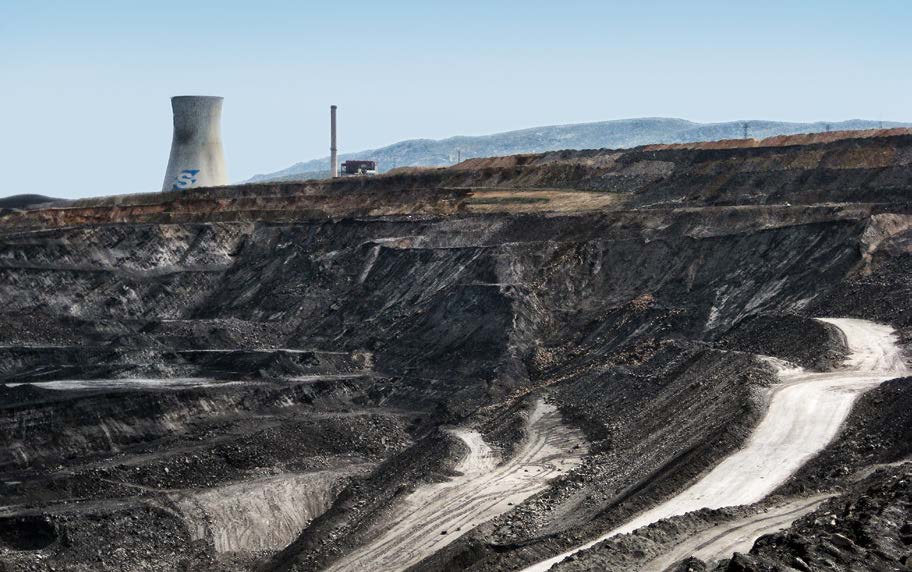
Coal mining has been a mainstay of the South African economy for well over a century, driving economic growth, generating export income and providing a reliable, affordable source of energy. As conversations about responsible mining gain traction, innovations in responsible mine closure could be pivotal.

While coal mining generates valuable resources, it also produces substantial solid discard that can contribute to environmental pollution. Once mining operations cease, the mine site can still impact the environment if the site has not been properly closed and rehabilitated. The consequences of ineffective mine closure in South Africa are evident from the prevalence of abandoned mines and operations that remain in prolonged care and maintenance. These mines can continue to pose risks to the environment and surrounding communities. There are approximately 108 operational coal mines in South Africa, according to GlobalData’s mines and projects database (2023). 

As the mining industry grapples with environmental challenges, planning for responsible mine closure is key. Mine operators should start thinking about mine closure strategies in the initial planning stages.

Look into the future

In-pit disposal of coal discard is increasingly recognised as a viable solution for responsible mine closure in South Africa. A recent study by WSP in Africa explored this method as an alternative to traditional surface disposal.

In-pit disposal, where discard is placed into mined-out pits, offers a controlled environment that reduces oxygen exposure, a key driver of acid generation. Overall, the risk assessment indicates that in-pit disposal of coal discard is a viable option if the discard is disposed of below the final pit water level (selective placement), where no or little oxidation of pyrite will take place. Compared to surface disposal, it significantly prevents secondary mineral formation such as gypsum and jarosite (acid-storing sulphate) and eliminates the need for additional land use – making it a more responsible alternative.

Integrating closure from the beginning is better from a profitability point of view. Implementing responsible solutions during operations reduces end-of-life remediation costs. These costs can accumulate to millions of rands by the time a mine reaches closure, if impacts are left to accumulate over the years. And while mineral right holders await closure certificates, environmental impacts and legal liabilities remain their responsibilities.

As the industry shifts towards responsible mining practices, adopting in-pit disposal – selective placement – for coal discard offers a pragmatic solution to reducing environmental footprints while ensuring compliance with evolving regulatory frameworks.

Text | Thashni Chetty and Gloria Dube 

Photography | Luis Pizarro Ruiz

Thashni Chetty is African Mining Lead for WSP in Africa and Gloria Dube is a geoscientist at WSP in Africa. For more information, go to wsp.com.
Read more

Enhanced insight

Artificial intelligence is a superb analytical tool, but there is much more involved in valuing how much to invest in people

In the sponsorship industry, trends often arrive with big promises – blockchain, NFTs, the metaverse and more. Some have shifted the landscape while others have faded into footnotes. So, it’s fair to ask: Where does AI fit in?

AI is not necessarily either hype or saviour. But, used with intention, it has the potential to meaningfully improve how we value, plan and deliver sponsorships. Not by replacing the human element, but by enhancing it.

Valuing a sponsorship has always been part science and part instinct. Benchmarking, rate cards, media equivalency and the occasional educated guess all have their place. But AI can bring more structure to that process. By analysing historical pricing, performance and audience data at scale, we can build models that sharpen our understanding of what rights might be worth – and why. This doesn’t eliminate the need for judgement, but it provides a stronger foundation to make the case.

AI also improves how fan behaviour is tracked and interpreted. Social listening tools that map sentiment, engagement and emerging trends allow for a more nuanced view – not just of what fans saw, but how they responded.

Layer that with audience profiling and you move beyond demographics into something more strategic: motivations, preferences and potential. That’s where smarter sponsorship planning begins.

Upping the pace

Generative AI won’t replace creative teams, but it can help them move faster. Whether it’s developing initial concept routes, structuring messaging or generating visual mock-ups, these tools offer a useful way to jumpstart the process and explore broader directions early on. It’s not about shortcuts. It’s about unlocking more ideas, more efficiently.

Some of the most immediate gains AI brings are operational. Automated reporting, transcription and highlight clipping: these may not be the most visible wins, but they create space for teams to focus on insight and impact. In a fast-moving environment, that matters.

Of course, AI is only as strong as the data behind it. Incomplete or biased inputs will lead to flawed outputs. And no tool, however advanced, replaces the value of human relationships, intuition or contextual understanding. That’s not a disclaimer. It’s a reminder that strategy still needs steering. AI isn’t a revolution. But it is a real opportunity, especially for teams willing to test, learn and adapt. It won’t rewrite the playbook, but it might just help those involved read the game a little better.

Text | Supplied 

Photography | Michael Vi

For more information, go to mscsports.co.za.

Read more

What happens when a team gets real?

Reflections from an Enneagram workshop

What do you get when you mix a group of colleagues, a bit of vulnerability and a tool that helps you understand each other better? Growth, connection and a fresh way of seeing the world.

It started, as these things often do, with a quest for growth. A small team decided to attend an Enneagram workshop. Some were familiar with the tool; others were not. But none could have predicted just how much it would reveal – not just about who they were, but how they operated together. Not just in the workplace, but in life.

If the Enneagram sounds a little familiar, you might recall it being described as a personality typing system. But that’s a bit like saying the Karoo is dry – technically true, but completely inadequate. What the Enneagram really does is offer a kind of emotional map: nine distinct types, each with their own worldview, defence mechanisms and strengths, but also each with pathways for growth, stress and integration. It’s not about boxing people. It’s about highlighting parts of who we are – and who we could be.

Amanda, one of the team members, had encountered the Enneagram years before and walked into the workshop with an open mind. “I decided to not have any expectations,” she says, “and to open myself to the process and whatever came from it.” What did come from it surprised her: “I was struck by how powerful the tool is… how self-knowledge and insight into the people around you completely changes your perspective.”

Others, like Deanne and Gill, had no previous experience. But they found themselves drawn in by the authenticity of the process. “It was so much more personally intense than I expected,” says Deanne. “It revealed a lot about myself and my colleagues.” Gill, who had entered the workshop with low expectations after participating in many similar programmes, left with a different perspective: “Hands down the best workshop I’ve attended. I use it every day.”

And that’s the thing. The Enneagram’s takeaways don’t disappear after the closing circle. It lingers. It echoes. It makes you pause the next time someone in your team pushes your buttons and ask: What’s behind this reaction? How can I respond differently?

For Urs, that pause was deep. “People see me differently than I see myself,” he reflects. “And I can be useful to others.” That kind of revelation – vulnerable yet empowering – became a theme for the group. 

The team members began to see their own traits not just as quirks or challenges, but as part of a wider pattern. Paul, who had done a version of the course years ago, found it offered a mirror for growth. “I have a lot of healing to still do,” he says candidly. “I need to embrace some of my strengths… while also navigating my blind spots. To find new approaches rather than hiding from them.”

If all this sounds a bit ‘touchy-feely’ for a corporate team, it’s worth remembering what makes teams tick: trust, communication and understanding. The Enneagram just gives language to those things. As Zafar puts it, “It showed how well we fit together in our positions to produce amazing things. We’re agile.” His biggest takeaway? “Trust, care and respect.”

That’s not just feel-good sentiment – that’s strategic gold. Understanding how each person sees the world, what motivates them and where their stress patterns lie can shift a team’s dynamic. It can reduce miscommunication. It can transform conflict. It can build cohesion not through sameness, but through deep respect for difference.

Gill noticed that shift immediately. “It was awesome that we all pulled together and worked as a team… prepared to accommodate the diverse personalities in our team and look to ourselves to make adjustments to our preconceived ideas.”

And that last bit is crucial: look to ourselves. The Enneagram doesn’t give you a pass because ‘you’re just a Type 4’ or ‘that’s what 8s do’. It asks you to step up. To stretch. Amanda describes the process of learning about her own ‘release and stretch lines’ – the ways in which her type can move toward healthier functioning or fall into stress. That alone, she says, “was worth the time spent… and that was just a very small part of a fruitful workshop.”

For Deanne, it wasn’t just about growth but reframing. “Traits you may have perceived as undesirable are not always so,” she says. “Sometimes these traits can actually be beneficial to your team.” 

That shift – from self-judgement to self-awareness – changes how people show up. And when people show up with honesty, teams come alive. 

Of course, insight is one thing. Implementation is another. The real power of the Enneagram lies in what happens after the workshop. Does it actually change anything? The answer, from this group, is a definitive yes.

“I’ve implemented various learnings both personally and in my work team,” says Amanda. Deanne adds, “I can see that other team members have as well in the way they approach me. The team has really taken the learnings to heart.” Urs puts it more simply: “Absolutely, yes. It would be a sin not to.”

The team’s reflections make it clear that this wasn’t just another training tick-box. It was an experience – one that changed how they saw themselves, their colleagues and the often invisible dynamics at play in their work.

“It confirmed the main positive characteristics of our team,” says Amanda, “but clearly showed where our challenges are and how to tackle them… If harnessed, [it] will take our team to the next level.”

That doesn’t mean it solved everything. Growth is rarely that simple. Paul notes that he hasn’t implemented the lessons as “intensely and impactfully yet” – but that doesn’t mean it hasn’t landed. “It’s definitely had an impact on me,” he says, and he sees value in making it “an ongoing development tool for us as a team and as a company.”

Because that’s the thing about self-awareness – it’s not a destination, but a daily choice. To reflect. To adjust. To relate with more empathy and fewer assumptions. The Enneagram doesn’t promise to fix your team. But it might just help you see each other – and yourselves – with a little more clarity and compassion. And sometimes, that’s where real change begins.

Text | Deanne Dudley

Photography | Renate Landman

Read more

Play it safe

Planning ahead is imperative when it comes to keeping workers unharmed

Those in high-risk industries understand that safety is not just a concern, but a fundamental requirement for sustainable success. Still, many companies remain stuck in a pattern of responding to safety events, instead of taking steps to avoid them.

Shifting to a forward-thinking safety culture can significantly enhance organisational performance, resulting in fewer accidents, increased productivity and an improved public image.

For safety to transform from operational burden to business enabler, organisations must move up the safety maturity curve by integrating Compliance, Competence and Commitment through the ‘Three C’ model. Building a foundation of compliance against the relevant legislation ensures that minimum standards for safety are met, which reinforces the organisation’s credibility. Targeted training builds competence, allowing employees to handle safety issues more confidently. When commitment is strong, safety becomes a core value, with everyone taking responsibility for their own safety, thus creating a safety-focused culture.

Companies operating in high-risk sectors face a stark choice: react or prevent. A reactive approach, where safety measures are implemented only after incidents occur, leads to costly, unplanned downtime, increased medical expenses and potential damage to market reputation.

In contrast, a proactive strategy that anticipates and addresses risks before they materialise results in a more productive and cost-effective environment – a shift that not only minimises disruptions but also makes greater employee engagement possible. In reactive settings, safety is perceived as a set of externally imposed rules, leading to disengagement and distrust, whereas a proactive culture encourages employee ownership, promotes open communication and builds trust in leadership.

While reactive compliance treats legal standards as a mere checklist, a proactive stance embeds safety into daily operations, transforming it into a competitive advantage. Instead of limiting training to incident response, safety training is proactive. It happens in a way that is continuous and integrated, and it drives innovation and learning. Importantly, proactive leadership champions safety at every level of the business to ensure accountability and long-term organisational success, rather than delegating safety to a specific department.

Know where you’re going

To effectively build a proactive safety culture, organisations need a clear understanding of their current state. Without data-driven clarity, organisations risk implementing generic solutions that fail to address root causes. This makes culture surveys and mapping vital for informing custom strategic intervention roadmaps based on organisational data. This road map, coupled with engagement-based coaching programmes that reinforce accountability, leads to long-term safety culture improvements with measurable results. By mapping current realities against desired outcomes, companies can develop actionable solutions in manageable steps and drive progress towards a safety-focused culture that embodies the three Cs of safety.

Compliance goes beyond simply checking compliance with regulations, digging into the deeper, often intangible aspects of how safety is perceived and practised, setting the foundation with proper regulations and systems. Competence ensures staff are trained, equipped and empowered to do their jobs correctly, and safely. When safety is integrated into operational procedures and processes, it builds trust and confidence among employees, which reinforces commitment. Compliance-driven safety practices instil confidence in stakeholders, ensuring that safety is a fundamental aspect of operations.

When these three components work together, organisations move up the safety maturity curve, from a vulnerable state to a resilient one. Safety is now engrained in every aspect of that organisation.

Safety first

A resilient safety culture thrives on targeted training and proactive safety interventions, preventing incidents before they occur. Companies that invest in customised safety learning are enabling a culture of care that replaces the ineffective rule-following mindset. To avoid the stagnation caused by generic training, programmes must be tailored to address specific business needs, ensuring that employees develop the competence to proactively manage safety.

While many organisations claim safety as a priority, true transformation only happens when it becomes a core value. Safety must be embedded in the company’s DNA, so that it influences every decision. A strong safety culture isn’t just about following rules; it’s about making safety a core part of every business decision. This means everyone shares responsibility, training focuses on preventing problems and decisions are based on data, not guesses. When the right balance of competence, compliance and commitment is struck, safety becomes an integral part of the company. This leads to fewer accidents, happier employees and a stronger business overall.

Text | Sian Thurtell

Photography | Fizkes

Sian Thurtell is Chief Operations Officer at KBC Health & Safety.

For more information, go to kbcsafety.com.
Read more

Skills and sustainability

Equipping communities is essential for the longevity and productivity of mines

Despite rapid technological advancements, one challenge persists in Africa’s mining sector: the skills gap. As automation, the Internet of Things (IoT) and energy efficiency become industry standards, does South Africa have the workforce to support this transformation? A key industry theme involves how to future-proof the sector amid declining revenues and rising operational costs.

According to a PwC report, 2023 saw a 7% decline in revenues among the world’s top 40 mining companies, marking it the first time since 2016 that industry revenues have fallen for two consecutive years. With cyclical and structural pressures mounting, mining companies must invest in innovation and productivity, even as margins tighten.

One of the most effective ways to boost efficiency and sustainability in mining is through automation, mechanisation and process optimisation. Implementing energy efficiency measures, such as demand management systems, can significantly cut costs while supporting sustainability goals. 

IoT enables remote monitoring, early failure detection and predictive maintenance, reducing downtime and enhancing efficiency. Digital twins – virtual models of mining operations – help optimise workflows and eliminate bottlenecks. However, technology alone is not enough. These advancements require a skilled workforce capable of operating, maintaining and innovating within these complex systems.

Mining is not merely about extracting minerals; it is about cultivating the skills that empower the communities it serves. To remain competitive, mining companies must invest in workforce skills as much as they invest in technology. Training should ensure that workers are not just adapting but leading this transformation.

Hands-on improvements

Technical training programmes, customised workshops and hands-on skills development can equip mining professionals with the expertise needed to drive digital transformation. Mining companies take different approaches to training. Some manage it in-house, while others outsource to expert providers. The latter can involve on-site technical workshops to upskill teams in automation, energy efficiency and mechanical and electrical maintenance; or custom-built training centres to provide ongoing development tailored to a mine’s specific needs. Workforce transition programmes can also equip employees with skills for life beyond the mine.

In South Africa, mining companies must comply with the Mining Charter’s Social and Labour Plan (SLP), which mandates skills development for employees and surrounding communities, bridging the gap between industry needs and workforce readiness.

The question is no longer whether mining companies should prioritise skills development – it’s how soon they can start.

Text | Sibusiso Shange 

Photography | Andrey_Popov

Sibusiso Shange is Deputy General Secretary of the South African Society for Co-operative Education (SASCE) and an executive at Resolution Circle. For more information, go to resolutioncircle.co.za.

Read more

Whispered warnings

The ‘getting rid of employees by freezing them out’ trend workers need to keep an eye on

As the global economy continues to limp along, a new trend has arisen whereby companies engage in a tactic called ‘quiet firing’ in order to reduce the size of the workforce without having to pay severance packages.

In South Africa, the term ‘constructive dismissal’ is generally well understood, and employees are able to turn to the CCMA or Labour Court for relief if they believe they have been unfairly treated. But while a claim of constructive dismissal has to meet legal requirements of the definition (and requires proof that the employer was breaching contractual terms of employment), quiet firing is much broader and harder to pin down and prove.

At this stage, quiet firing is still mostly used in the USA to get employees to quit, instead of having to fire or retrench them. It is helpful to understand the difference between constructive dismissal and quiet firing to help cut through the confusion of their circumstances and understand the options available. 


Quiet firing mostly comes into play when a company wants to go through a downsizing or restructure, where they typically face extensive, timely and costly bureaucratic hurdles on top of the exit and severance packages they will be legally required to provide.

Examples of quiet firing would be insisting that people return to the office full-time or moving offices to a different location, which will often make it untenable or impractical for employees to comply. People then resign, and it doesn’t cost the company anything.

No incentive to stay

On a smaller scale, quiet firing is an indirect process where managers allow employees to have toxic experiences at work as a way to squeeze them out – without being in provable breach of company policy and labour laws. They may, for instance, withhold opportunities or support.

Some employers may also use it to deal with underperforming employees in instances where managers don’t know how to provide constructive feedback. It’s even possible that managers may not realise they are engaging in quiet firing due to being ill-equipped to lead effectively.

Some ways in which quiet firing can be deployed include:

  • Withholding raises and promotions to prompt employees to seek opportunities elsewhere.
  • Isolating the employee from team activities, meetings and decision-making processes, which makes them feel undervalued and disconnected.
  • Assigning mundane or undesirable work, which makes the daily grind almost unbearable.
  • Increasing bureaucracy and micromanagement, complicating simple processes, which makes tasks frustrating and unnecessarily complex and onerous for no discernible benefit.
  • Pushing back on promises by altering timelines, moving goalposts and denying reasonable requests.
  • Providing no feedback or support, which creates uncertainty and lack of career progression.
  • Overwork or underwork, which alternately lead to boredom or burnout.

When leaving a role isn’t an immediate option, it is crucial to first ensure you protect your mental wellbeing. This can be achieved by establishing clear boundaries regarding responsibilities, available hours and support needed. At the same time, just as is the case with suspected constructive dismissal, concerns must be documented and incidents noted in detail, should formal action be required.

Text | Advaita Naidoo 

Photography | Fizkes

Advaita Naidoo is Africa MD at Jack Hammer. For more information, go to jhammerglobal.com.

Read more

Stay balanced

Veering too far one way or the other in spending habits can undermine post-career happiness

Think of retirement spending as walking a tightrope. On one side, there is the fear of outliving your savings; on the other, the risk of being too cautious and not fully enjoying your golden years. If you lean too far in either direction, you risk falling. But with a well-structured financial plan – acting as your balancing pole – you can walk confidently, knowing that each step is calculated and secure.

Retirees today navigate a minefield of financial challenges. Inflation is a silent thief that erodes purchasing power over time. Even modest inflation can force higher withdrawals just to maintain the same lifestyle. It is no wonder global surveys show rising anxiety about day-to-day costs. Simply put, retirees fear their money will not stretch as prices climb. Market volatility is another threat. A market downturn at the wrong time can be devastating, a blow from which near-retirees have little time to recover. Such shocks can shrink a portfolio and heighten the risk of running out of funds in later years. That is why sustainable withdrawal rates are crucial. 

Finding a prudent withdrawal rate helps ensure that you do not deplete your funds too soon and that you use your money for a comfortable life. 

Even with a sound financial plan on paper, our human psychology can trip us up. Behavioural finance teaches us that biases like the planning fallacy and anchoring often cloud retirees’ spending decisions. The planning fallacy leads people to craft overly optimistic plans based on rosy assumptions, only to struggle when reality does not co-operate. Anchoring bias, meanwhile, can cause retirees to fixate on a specific ‘magic number’ even when drawing down from it is exactly what it’s there for. Retirees may anchor on a mental picture of how their retirement should look to the detriment of flexibility.

Mindset shifts

The crux of a successful retirement is transitioning from accumulating assets to decumulating them in a sensible way. This requires a mindset shift and concrete strategies. The key pillars of a structured spending plan include these: diversify your investments, set a sustainable withdrawal rate and practise disciplined, purposeful spending. Instead of viewing your savings as a static lump sum to be guarded, start seeing it as a series of income streams and safety nets working in tandem. This mental reframing – from saver to strategic spender – is liberating.

Whether you are already retired or still approaching it, think of your financial future as a tightrope walk. Without a structured plan, you risk veering too far in one direction – either clinging too tightly to your savings out of fear or spending too freely without a safety net. The key to steady footing is a well-balanced strategy that considers both the math and the mindset.

Your balancing pole? A solid plan that reviews your income sources, investment mix and withdrawal strategy, ensuring that you stay upright against the gusts of inflation, market swings and longevity risk. Most importantly, remember that your savings are there to support you. By carefully distributing your weight between caution and enjoyment, you can move forward with confidence. Retirement spending is about balance, and a structured plan is the tool that keeps you steady.

Text | Mark Phillips 

Photography | The Faces

Mark Phillips is Head of Portfolio Management and Analytics at PPS. For more information, go to pps.co.za.

Read more

Celebrating your engagement

Connecting with and caring for staff makes a workplace better – and more productive

Employee engagement isn’t just a buzzword; it’s the heartbeat of a thriving workplace. Yet, despite countless initiatives and mandatory engagement, many businesses still struggle to keep employees motivated and fulfilled. Why? Because engagement isn’t about perks, pay raises or pizza Fridays. Those things are nice too, but it’s about something deeper: purpose, recognition and connection.

Patrick Lencioni’s The Truth About Employee Engagement: A Fable About Addressing the Three Root Causes of Job Misery (originally titled Three Signs of a Miserable Job) dives straight into the core of workplace dissatisfaction. Through an engaging business fable, Lencioni unpacks why so many employees feel miserable at work and, more importantly, what leaders can do to fix it.

If employees feel invisible, disconnected from purpose or unsure whether they’re succeeding, their motivation takes a nosedive. But the good news? These issues aren’t complex and they’re completely fixable. 

Engaged employees aren’t just happier; they’re more productive, innovative and loyal. A disengaged workforce, on the other hand, leads to high turnover, low morale and poor performance. Employers must recognise that engagement isn’t an HR function; it’s a leadership responsibility.

Avoid detachment

Lencioni identifies three key reasons employees become disengaged:

  • Anonymity – feeling unseen or unappreciated
  • Irrelevance – not understanding how their work impacts others
  • Immeasurement – lacking clear metrics to gauge success

If any of these factors exist in your workplace, you don’t have an engagement problem; you have a disengagement problem.

The first cause of job misery, anonymity, is about feeling invisible. Employees need to believe that their managers and colleagues genuinely care about them as individuals, not just as workers. Leaders who take the time to know their team beyond job descriptions build stronger, more committed employees. Simple acts like asking about personal interests, celebrating milestones and acknowledging contributions go a long way.

The second engagement killer is irrelevance. Employees need to understand how their role contributes to a bigger purpose. If they don’t see the impact of their work, they disengage. Leaders should consistently connect daily tasks to the organisation’s mission and how employees positively affect customers, clients, colleagues or the community.

Without clear ways to measure progress, employees feel directionless. Immeasurement leaves employees wondering whether they’re performing well or not. Setting clear expectations, defining performance metrics and providing regular feedback ensures employees stay motivated and know where they stand.

Live your principles

The power to eliminate job misery lies with leaders. By fostering a culture of recognition, purpose and accountability, employers can transform disengaged workers into passionate contributors. This isn’t about micromanaging but ensuring employees feel valued and empowered.

More often than not, people don’t leave companies – they leave managers. One of the simplest ways to combat anonymity is by fostering authentic connections. Leaders should take the time to understand employees’ career goals, challenges and interests. When employees feel known, they feel valued.

A good salary isn’t enough; people need purpose. Employers should regularly highlight how each role contributes to the company’s success. Share customer testimonials, showcase internal wins and help employees see the bigger picture. Employees should never have to guess whether they’re doing well. Define key performance indicators (KPIs), set realistic goals and offer consistent feedback. Clarity breeds confidence, and confidence fuels engagement.

Creating a culture of engagement isn’t a onetime initiative; it’s a daily practice. Leaders must consistently recognise, connect with and support their teams. A strong culture doesn’t happen overnight, but small, intentional actions compound into a thriving workplace.

While these principles solve the most common engagement issues, they won’t fix everything. If you’ve addressed all the issues described above and job misery still loves your company, then you may not have a disengagement problem – you may have a ‘hiring the wrong people’ problem. If employees remain unmotivated despite leadership’s best efforts, the hard truth is that it’s time to re-evaluate your hiring metrics and onboarding criteria. At the end of the day, engagement can’t be forced, and you can only do so much to inspire a disengaged workforce.

The best solution? Raise the bar, even if it comes at the cost of operational efficiency because it takes longer to find the ‘right person’ for the job. As leaders, you must decide whether to ‘hire now’ and risk a disengaged workforce who simply do the job or ‘hire right’ and invest the time needed to build a company culture that thrives as a direct result of the quality of the people who work there.

It’s not an easy choice, and there are many factors to consider when deciding to have the luxury of delaying an operation decision to hire the right fit. However, you can’t deny that hiring ‘better’ people who align with your company values ensures that engagement becomes a shared responsibility, not an ongoing struggle. Looking back from down the line, you won’t regret it.

Text | Carl Ranger 

Photography | fizkes

Carl Ranger is Head of Training at Consolidated Employers Organisation. For more information, go to ceosa.org.za. The Truth About Employee Engagement by Patrick Lencioni is available now.

Read more

Even better than the real thing?

Deepfakes are an increasingly concerning phenomenon that requires immediate attention

Imagine waking up to a video of the president announcing a national emergency that never happened. Or a CEO admitting to fraud. In today’s digital world, deepfakes make such scenarios increasingly possible, with terrifying implications for South Africa’s democracy, economy and personal reputations.

Deepfake technology uses AI to manipulate videos, images and audio to create hyper-realistic but entirely false content. While it started as a novelty, it has quickly become a major cyber-security risk. In South Africa, where misinformation already spreads rapidly on social media, deepfakes could amplify political unrest, financial fraud and reputational damage. The ease with which fake videos can be created makes it difficult for the public to distinguish between real and false information, further eroding trust in institutions and media.

Whenever elections are approaching, deepfakes could be weaponised to spread false narratives, influence voter sentiment or discredit political figures. Given South Africa’s history of political tensions, the potential for chaos is high if fake videos of leaders making inflammatory remarks or policy announcements go viral. Cyber criminals are using deepfakes to impersonate executives, authorising fraudulent transactions or misleading investors.

Look more closely

A well-executed fake video of a bank CEO announcing financial distress could trigger panic and economic instability. Imagine a fake video showing a business leader or celebrity making offensive statements. By the time the truth is revealed, the damage is already done. Businesses must prepare for this new wave of digital threats to their reputation.

Deepfakes are here to stay, but South Africa can take steps to mitigate their impact. Companies and media houses must use AI-powered verification tools to analyse videos and detect manipulations before they spread. The public must be educated on how to identify deepfakes. Schools, businesses and government agencies should run awareness campaigns to help people critically assess digital content.

South Africa’s cyber laws must be updated to specifically address deepfake crimes, ensuring legal consequences for those who create or distribute harmful content. Social media platforms must take responsibility for detecting and removing deepfakes, working with government agencies to curb disinformation.

Business leaders, policymakers and the public must act now to strengthen defences against this emerging menace. The time to prepare is before, not after, the first major deepfake crisis shakes the country. The question is no longer whether deepfakes will affect South Africa, but how well we are prepared to deal with them. Are we ready?

Text | Boland Lithebe 

Photography | Who is Danny

Boland Lithebe is a security lead for Accenture, Africa. For more information, go to accenture.com.

Read more

Far, far away…

While distance learning is popular, preparation for what’s involved can make it more effective and more enjoyable

The percentage of students opting for distance learning is rapidly growing year on year. This mode of study is today recognised as a viable, credible approach to further education.

Many prospective students opt for this route due to financial constraints, as distance learning is more affordable than traditional on-campus programmes, or because they have family responsibilities that make it difficult to relocate or attend classes full-time. Additionally, distance learning provides opportunities for those with work commitments or other obligations, allowing them to balance their educational aspirations with existing responsibilities.

For prospective students considering this route, it is important to understand that making a success of distance learning requires an understanding of the mindset and approach required, as well as a healthy dose of institutional support.

Successful distance learning depends on a number of factors, including ensuring that you choose the right institution and programme to align with your goals, the quality of materials and support provided by the institution, and, crucially, an understanding of how to approach your studies.

Understanding the psychological factors that influence learning outcomes and aligning this understanding with practical considerations can make a significant positive impact. 

Distance learning requires students to be self-motivated and disciplined, and with the right mindset, it can be a highly effective way to learn. It’s not inherently difficult if you match the right mindset with the right approach. By focusing on your goals and staying motivated, anyone can navigate distance learning successfully, provided the institution delivers well-designed courses and excellent support.

Something to aim at

Establishing clear goals helps students stay motivated and focused. This aligns with the concept of self-efficacy, where believing in one’s ability to succeed enhances persistence and engagement. 

By embracing challenges as opportunities for growth, students can develop resilience and adaptability – essential qualities for navigating the flexible and often autonomous environment of distance learning.

While distance learning might seem isolating, incorporating social elements such as discussion forums, group projects and virtual study groups can foster a sense of community and belonging. This social support is vital for maintaining motivation and combating feelings of isolation, and any good distance learning institution will incorporate some element of group discussion or support.

Engaging in social interactions through distance platforms can have profound psychological benefits for distance learners. By participating in virtual communities, students can experience a sense of belonging and connection, which is crucial for emotional wellbeing and academic success.

Strategies like breaking tasks into smaller chunks, using productivity tools and creating a conducive study environment can help manage cognitive load and improve learning outcomes. Managing cognitive load is rooted in the psychological concept of information processing capacity. By breaking down complex tasks into manageable parts and utilising tools that streamline workflow, learners can reduce mental strain and enhance their ability to absorb and retain information.

Feedback loop

Regular feedback is crucial for building self-efficacy and guiding learning progress. Reflecting on feedback and incorporating it into future learning strategies can enhance cognitive development and motivation. This reflective practice also supports the development of professional competence in distance education.

Distance learning requires self-motivation and autonomy – qualities that are in high demand in the workplace. It is for this reason that employees studying via this method while also working will likely be star performers in a company.

By supporting employees in pursuing distance education, companies can tap into the intrinsic motivation and autonomy that drive success in remote learning environments. This approach fosters a sense of self-determination among staff, leading to increased job satisfaction and loyalty. Employers benefit from a more skilled workforce without the disruption of traditional campus-based courses, as distance learning allows employees to study flexibly around their work commitments. This flexibility not only improves work-life balance but also enhances cognitive engagement and problem-solving skills that are directly applicable to the workplace.

Text | Elbie Liebenberg 

Photography | creo2

Elbie Liebenberg is General Manager at Oxbridge Academy. For more information, go to oxbridgeacademy.edu.za.

Read more

Better with balance

Operating a business in a way that builds profits while staying legal is tricky but necessary

It is true that South African labour law is complex, skewed in favour of employee interests and often unclear. These difficulties make the balancing of running a workplace both efficiently and in compliance with the law problematic. And while the need to have this balance seems to be obvious, it is surprising that well-established businesses still fail to prioritise achieving it.

No situation illustrates the key need for prioritising this balance better than one where a business is losing money due to stock losses. Here, the need to implement systems to avoid losses is vital both to ensure an efficient and profitable workplace and to ensure compliance with labour law.

The Labour Appeal Court’s finding in the case of SACCAWU vs Cashbuild (Lex Info, 14 March 2023; Labour Appeal Court case number JA38/2021) illustrates this point. Cashbuild’s Klerksdorp store suffered substantial stock losses over a period of several months. After the issuing of final warnings failed to halt the losses, all 12 employees were collectively fired on the basis of derivative misconduct. The CCMA and Labour Court both upheld the dismissals.

It’s their loss

On appeal, the Labour Appeal Court found that “… the dismissal of an employee may be derivatively justified where misconduct was committed by others who have not been identified in circumstances where the employee was expressly requested to disclose information known to that employee but consciously elected not to do so”.

The Court further found that the employer had failed to prove that the employees had failed to perform their duty according to a required standard of team liability. Cashbuild had also failed to implement control measures to avoid stock losses and to implement an investigation into the cause of the losses. In addition, the employer had neither proved that employees in one part of the large store would have been in a position to know what was happening in another part nor that it had been probable that the employees would have been aware of the stock losses. Furthermore, the employees had raised valid concerns regarding the absence of security systems and controls, and the employer had not attended to them. The Court therefore declared the dismissals unfair and ordered the employer to reinstate all 12 of them with back pay equal to 80 months’ remuneration for each of them.

This extremely costly outcome shouts the need for managers to be given a proper understanding of collective responsibility. More importantly, managers must be given thorough training in how to achieve the delicate yet crucial balance between running a workplace both efficiently and in compliance with the law. Implementation of systems to avoid stock losses not only creates a productive workplace but also enables the employer to comply with the law by disciplining employees who fail to comply with those systems.

Text | Ivan Israelstam 

Photography | Drazen Zigic

Ivan Israelstam is Chief Executive of Labour Law Management Consulting. Contact him on 011 888 7944 or 082 852 2973, or at ivan@labourlawadvice.co.za. For more information, go to labourlawadvice.co.za.

Read more

In good company

Work anxiety can be mitigated by strategies that tie colleagues together in community

After a few years out in the wilderness, working from kitchen tables and bedroom corners, it felt pretty good, to many, to be back in the office – at least for some of the time. Work communities undoubtedly suffered during repeated lockdowns, and now is the time to rebuild.

Workforce anxiety levels have been rising for years, but the strangeness of lockdown working – when so many of us became little faces on computer screens – added a new layer of worry. Add in rising living costs and offices that are often only half populated as staff continue to work from home, and it’s clear why so many people are stressed.

A key part of the remedy appears to be offering a hybrid work system, with employees able to balance core hours at their company’s HQ with working from home or remote offices, giving more time for dealing with situations and stresses in our personal lives. But how do you maximise the remaining office time and create a workplace that feels like a refuge for you and your team at anxious times?

If there is one standout lesson from the past few years, it’s that people give work its heartbeat. Creativity, fresh ideas and plain enjoyment typically come from collaboration. After so much time apart from colleagues over recent years, FT columnist Lucy Kellaway’s verdict resonates strongly: “Sitting around a real table with real people – and some decent biscuits […] seems pretty attractive from where I sit now.”

Encourage team chats and enjoy each other’s company. When so many of us have embraced hybrid working and all of its many benefits, setting aside time to be in the same space at the same time is key to building a supportive work family.

A study by Cornell University suggests that sharing lunch can play an important part in boosting employee morale. “Eating together is a more intimate act than looking over an Excel spreadsheet together. That intimacy spills back over into work,” said the study’s author, Kevin Kniffin. Choose a day and a time to go to the work canteen with your team or order a delivery together or crack open your lunch boxes – whatever satisfies the collective stomach. The point is that sharing a meal will give staff the opportunity to be open about any worries, to talk about work in a relaxed environment and to ward off any feelings of isolation that may have arisen. And most simply of all, it might just make people feel happy about coming to work.

Interest in income

In the spirit of talking and being open, one of the most important things any employer can do is to provide meaningful financial wellbeing strategies. ONS data shows that 83% of adults reported an increase in their cost of living at the beginning of this year, and it’s ongoing and could be rising by the week. This filters through to work in so many ways, from pay to travel to spiralling childcare fees and just carrying the increasing burden of having to meet the monthly bills.

The Chartered Institute of Personnel and Development says that supporting financial wellbeing is an “integral part of creating a healthy workplace where people can flourish”. The crux of this lies in open and frank conversations about money and ensuring that your employees are aware of all the available benefits (and how to make the most of them). Whether that is through increased communications from your company finance team or by pointing them in the direction of outside help might depend on the size and scale of your business.

But it’s about honesty on both sides. Be transparent about salary decisions, promotion opportunities and the health of the business, so employees know where they stand.

Managing work with childcare, family, health and everything else can be one of the most stressful things in everyday life. It is an indisputable upside of the various lockdowns that most people now have a degree more flexibility in their lives, but maintaining that flexibility without emptying the office (and losing all of those valuable informal interactions) is a tricky balancing act. Data suggests that most hybrid workers choose to head into the office on Tuesdays, Wednesdays and Thursdays, so use those days as your guide. Clarifying when people are expected to be physically present can lend some important certainty.

Outside and in

Fitness is often one of the first things that gets dropped when workload is heavy, so you could also add in some extracurricular moments to the working day, such as lunchtime yoga or morning running clubs. It allows employees to work up a sweat and the satisfaction that they are doing something important for themselves. The mental health benefits of exercise and being outside are well documented, so employers can also reap the rewards of a happier and more productive workforce. Successful communities are often built on the simplest human needs – trust, openness and the ability to find some balance in life. They allow people to thrive, and both individual and collective performance rises when there is a sense of harmony at work.

These are important factors in any organisation, but particularly to small businesses and startups, where every single member of staff plays a material role.

Text | Supplied 

Photography | fizkes

For more information, go to iwgplc.com

Read more

Making allowances

Youngsters are able to earn money online but need guidance in how to secure and manage it

Children today are often described as ‘digital natives’. Gen Alpha (born in 2010 and onwards) have grown up surrounded by internet-enabled technology, so it’s no surprise that they make active use of all the advantages the digital era provides.

From about the age of three, most of them play online games and watch videos on a regular basis. Many children under the age of eight already know how to make online purchases on their own. By the age of 10, many children have already mastered the basics of programming and AI tools. But when and how do they start to monetise their digital activities?

One trend in recent years shows that for a growing number of children, the internet is not just a place to spend pocket money and be entertained. It’s a platform for self-expression and creative money-making. For example, over 70% of young people in the US and Europe claim that having their own earnings is important, and 42% of teenagers are already making money online. But how are Gen Alpha kids making their first digital earnings, and what possible cyber threats do they face?

‘Kidfluencers’ with numerous subscribers and contracts signed with major brands are a hallmark of the current blogosphere. Due to the original content, ability to tap into the latest trends, as well as bright images and real-life stories, kids’ blogs are gaining popularity.

The number of subscribers on the YouTube, Instagram and TikTok accounts of the Top 5 global kid influencers reaches hundreds of millions of users in some cases. Their average annual income exceeds several million dollars, and most of them are not even teenagers yet.

The most common way for a child to monetise their blog is via advertising contracts. In recent years, the promotion strategies of many children-oriented brands were built primarily on collaboration with young bloggers. Both world-famous companies, such as Mattel, Hasbro and LEGO, and smaller local brands are showing interest in such blogging. Even influencers with a relatively small audience can attract advertisers.

At the same time, youngsters in blogging may be exposed to potential cyber risks. These can be phishing letters disguised as cooperation offers sent by attackers on behalf of alleged brand representatives. To mislead users, attackers create fake brand pages that look similar to real ones. Young bloggers and parents, who often act as their managers, should pay close attention when receiving messages from unknown senders, verifying the source and links, as well as using a reliable cybersecurity solution that prevents clicking on malicious links.

Make it and keep it

When it comes to children and gaming, the discussion usually centres on how much money and time children are spending while playing online. However, many young gamers have found a way to capitalise on their favourite activity. Coding, review-writing and game-tasting are just some examples of how children can make money in games. A handful of children may even become professional cyber-sports contestants and participate in tournaments, winning large cash prizes.

Minor players are gradually taking over the online gaming space. Such popular games often become a target for attackers and scammers.

While young players rapidly improve their gaming skills and monetise them, there is also a growing need to take proactive steps to save this digital income. Some actionable advice for staying safe in online games includes creating strong and secure passwords and avoiding downloads from unreliable sources. Safeguarding financial and personal data are cardinal rules to protect online earnings.

Cryptocurrency trading and selling items online are also gaining popularity among kids despite restrictions in place to protect youngsters. Cryptocurrency trading is the process of purchasing and selling virtual currency to obtain a margin on pricing fluctuations. Legal restrictions on cryptocurrencies vary from country to country. In most countries, there is no official prohibition for minors on conducting crypto transactions. Major trading platforms such as Binance or Coinbase require users to be at least 18 years old to create an account, but there are various workaround options, like custodial accounts being set up and managed by parents or specialised ‘Crypto For Kids’ platforms. The main condition in these cases is that all transactions should be approved and supervised by parents or guardians.

Protect payments

The rules are almost the same for selling items online. Children can freely use platforms like eBay and Amazon to sell toys, books, clothes and even handmade items. To avoid being blocked, their accounts must be created by parents or with their official permission.

Transactional activities online must usually be linked to a payment card or online wallet, which attracts the attention of fraudsters. Fake links and websites aimed at stealing a user’s banking data or making an account or crypto wallet takeover are popular crypto scams.

Children and their parents should be selective with online resources where they enter their personal data, PIN codes or passwords, and always double-check special offers made online. To mitigate the risk of money loss, it’s crucial to think about online payment protection solutions that detect malicious payment links and prevent credit card details from being intercepted.

Overall, there is a noticeable uptrend in children’s financial independence on the internet. Digital technology is already making ‘kids’ earnings’ a common practice, greatly shaping Gen Alpha’s online habits on the one hand. On the other hand, the digital world requires children to have a truly adult attitude towards all potential cyber risks to make their digital experiences even more positive and safer.

Text | Supplied

Photography | pathdoc

For more information, go to kaspersky.co.za.

Read more

Keep it coming…

Consumers’ need to connect makes providing appropriate services ever more of a priority for businesses

It has become increasingly challenging to meet consumer demand for accessible data, and this is changing the shape of service delivery and innovation. In the first quarter of 2024, one user consumed 411.4 terabytes of data.

According to MTN, the average contracted user consumes around 21.9 gigabytes of data every month at a rate that has increased by nearly 44% since 2023. Statista found that internet usage in South Africa has increased to almost 80% of the population, with mobile devices taking up 80% of market share. The demand for data, particularly accessible and cost-effective data, has become insatiable, and companies are evolving their services and capabilities to meet this demand.

The future of data consumption will be shaped by demand, innovation, personalisation, artificial intelligence and competition. Companies that recognise the importance of automation, speed, personalisation and cost optimisation will set the standard for consumer engagement and data consumption.

Approximately 75% of South African consumers use social media, with 13 million of them spending more than 20 hours a week on these platforms. Streaming services are also on the increase, with more than eight million people already subscribed to these services across Netflix, Showmax and YouTube. Added to this, online shopping has gained significant traction with the arrival of international e-commerce giants Shein and Temu, and the growing market share of innovators such as Checkers Sixty60.

Consumers want their information delivered at speed as it allows them to be more productive, more engaged and more connected. Providing consumers with high-speed data that’s easy to use, access and manage will be a significant competitive advantage. Companies have to adapt to what customers need and want. This translates into creating products that meet these needs instead of complicated, convoluted and onerous restrictions.

Staying in touch

As much as users want to be connected to everything, they are also struggling with information overload. They want solutions that allow them to feel less inundated by messages across email, instant messaging, SMS and other communication platforms, which is where AI can potentially make a difference. It can be used to summarise chats and notifications across different platforms and provide action points or insights that users can then respond to without having to read all the messages. It can be used to simplify billing, access to services and enhance self-service. 

Companies should be paying attention to how AI can be used to simplify data access, reduce costs and enhance user experiences. Those that can differentiate through innovation will likely gain market share and traction.

The tourism sector in South Africa is flourishing. According to the SA Tourism Q4 report 2023/2024, 2.4 million international visitors came to the country, which was an increase of 15.4% on 2023. The figures are slowly gaining ground post-pandemic. Local travel is equally on the rise – at R334.2 billion, it has exceeded 2019 levels. This translates to creating experiences within the hospitality industry that attract visitors and bring them back for more. And this is achieved, according to research, by providing high-quality connectivity.

Visitors want to work, stream, engage, share, create and listen from their devices regardless of location. Whether they are staying for business or pleasure, WiFi connectivity has become a business differentiator. Guest WiFi and WiFi hotspots will continue to evolve over the next year as companies invest in solutions that meet customer demand. This is not only within the hospitality industry either – coffee shops, restaurants and other areas will soon be as distinguished by the connectivity they provide as by the services they offer.

Connected to advantages

The last trend will evolve within the framework of providing WiFi connectivity to customers and building more agile and affordable data solutions. Companies will start building loyalty programmes within their data platforms, allowing customers to earn rewards from their data purchases. These reward programmes can be built around the marketing data collected when users log in to WiFi networks. Many companies ask for email addresses and relevant information before releasing the free data, and, if collected in line with POPIA or other regulatory requirements, this information can be used to build loyalty frameworks that increase sales and build customer stickiness.

When WiFi and data are easy to access at the airport, stadium, parking lot, mall or event, then people are willing to share their information. And they are even more willing to spend money on data or solutions if they are rewarded for their loyalty. The ecosystem created by loyalty programmes has the potential to radically change how consumers feel about data purchases, which are traditionally a grudge expense, while also changing their relationship with the service provider.

Data will continue its upward demand trajectory for the foreseeable future. It’s an essential for consumers and their growing need for always-on connectivity and connections that allow them to live, travel, eat and entertain. Serving this data on innovative platters that reframe the costs and redefine the benefits for these consumers is what will set the leaders apart from the service providers.

Text | Craig Blignaut

Photography | LALAKA

Craig Blignaut is a WiFi Product Manager at Vox.

For more information, go to vox.co.za.

Read more

Spicy pea and pancetta potato salad

With September being Heritage Month, a delicious, easy side dish for a braai is an ideal option.

This refreshing, delicious take on a warm potato salad adds a spicy kick with chilli-infused canola oil and a fresh crunch from sugar snap peas and radishes. It’s savoury, tangy and loaded with flavour, perfect as a warm side dish for any meal, and especially for a braai. Serves six to eight.

Ingredients

  • 1kg baby potatoes, cut to even sizes
  • ½ small red onion, diced
  • 1 red chilli
  • 1 garlic clove, grated
  • 240g trimmed sugar snap peas
  • 10g fresh dill, chopped
  • 10g fresh parsley, chopped
  • 130g diced pancetta (or substitute with six rashers thick-cut bacon)
  • 80mℓ apple cider vinegar
  • 1 tbsp Dijon mustard
  • 3 tbsp Banhoek Chilli Oil
  • 1 tbsp honey
  • Salt and pepper to taste
  • 1 finely chopped fresh chili (optional, for extra heat)

Method

  1. Halve the baby potatoes, thinly slice the red onion and chilli and grate the garlic. Trim the ends from the sugar snap peas, then cut them in half at an angle. Pick the dill and parsley from any thick stems. Reserve about half the picked parsley and dill for garnish and finely chop the rest.
  2. Cover the potatoes in water in a large pot. Bring to a boil and cook for about nine minutes, until just tender. In the last minute of boiling, add the trimmed sugar snap peas to the pot. Boil for one minute, then drain the potatoes and peas together. Set aside.
  3. Cook the pancetta in an air fryer (preheat 180°C. Cook for 6–8 minutes or bacon for 8–10 minutes until crispy); oven (preheat to 200°C, place pancetta or bacon slices on a baking tray and bake for 12–15 minutes (pancetta) or 15–20 minutes (bacon), until crispy); or on the stove (place the pancetta or thick-cut bacon slices in a cold pan. Turn the heat to medium, allowing the pancetta to render and crisp up gradually. Cook for 10–12 minutes, stirring occasionally). Once cooked, set aside in a warm spot.
  4. While the potatoes and bacon cook, make the dressing. Add the sliced red onion to a bowl along with the chilli, garlic, vinegar, Dijon mustard, Banhoek Chilli Oil and honey. Add a generous pinch of salt and a grind of pepper and mix to combine. Set aside for a few minutes to allow the onion to soften and lightly pickle in the acidic dressing.
  5. Once drained, gently toss the warm potatoes and sugar snap peas in the chili and pickled red onion dressing, ensuring they are well coated. Add the crumbled pancetta or bacon, along with the fat from the pan (optional), chopped parsley and dill. Toss again to combine all ingredients.
  6. Spoon onto a plate, scatter over the picked dill and parsley and finish with a final drizzle of chilli oil. Enjoy the salad warm with its layers of fresh and spicy flavours, crunchy sugar snap peas and crisp radishes!

Text and photography | Supplied

For more information, go to banhoekchillioil.com

Read more

Getting it out of their system

Computers trump logic on a stressful day…

The single reason driver’s test appointments were available at this place, it turns out, is because it’s far away. From everywhere. If you live in a place, it’s not near there. Which is perhaps why Google can’t seem to locate me. The little inverted teardrop icon is highlighted everywhere – except on the map. If the GPS app was working, we may have struggled anyway, as street signs here are an optional extra.

Still, after an unintended adventure, we arrive at the testing station, parking several hundred metres up the road on the curb because there’s no official area where, well, legal parking is allowed.

On the way back to the administration building, a photographer offers to take the headshots necessary for the test application, at which point the Teenager states that she has no such photographs and should probably get some, then noting that she’s left the form the pictures will be attached to in the car. On returning to the photo booth with the forms, cash is sourced as the teller asks if we have a copy of the Teenager’s ID card, as that will be needed. We don’t. And the ID card is in the car…

Finally, fully equipped, we enter the testing station and join the reception queue, where tickets are handed out for applicants to take to the payment windows for the final step before meeting the examiner for the test. We have in hand the filled-out application form we were instructed to download from the booking website, as well as the printed booking confirmation. We have around half an hour to go before the slot we reserved.

After some time in the queue, the Teenager gets to the front, where she’s informed that the completed form from the website is not accepted and that she must fill out an almost identical form, printed on blue paper rather than the gauche white stock we have at home. She’s directed to a counter on the side of the hall, without a pen. A space on a different counter becomes available, with a pen. Which doesn’t work. Breathing deeply, we source a pen and fill in the new form. The queue is rejoined. There is news: in digging in her bag for a pen, the Teenager has unearthed photographs she already had. More deep breaths.

We get to the front of the queue, time in hand. The person there shuffles our papers and hands them to someone else, who signs the relevant sections. Painstakingly slowly, the date and our now-approaching appointment time are scrawled in red pen across the top of the form.

We scurry to the payment window, where another official stamps pages, scribbles in blocks and presses buttons before frowning. “You don’t have an appointment,” she says. We point at the booking confirmation. On the desk. In front of her.

“I’ll call my manager.” She goes, returning after a few minutes have passed with a colleague, who presses more buttons.

“Look at the time,” says the manager. “You’re too late. If you haven’t paid 15 minutes before the appointment, the system cancels it.”

“We were here in time. The front desk made us do things twice and then took time processing the form. And if the examiner is booked, he’s still waiting for us, surely?” Our logic feels sound.

“No. This is the system. Book again.”

We skulk back to the car. Hopefully, Google can get us home.

Text | Bruce Dennill

Photography | fizkes

Read more
Scroll to Top

Skyways delivers bespoke advertising campaigns for brands to real people. We connect the brand to the passenger at a unique moment in the sky where they have 50% higher recall. These campaigns sit across our award-winning magazines, digital, video and targeted digital solutions.

For all advertising Inquiries, contact Gill Johnston
at +27 83 455 2397 or gill@panorama.co.za