
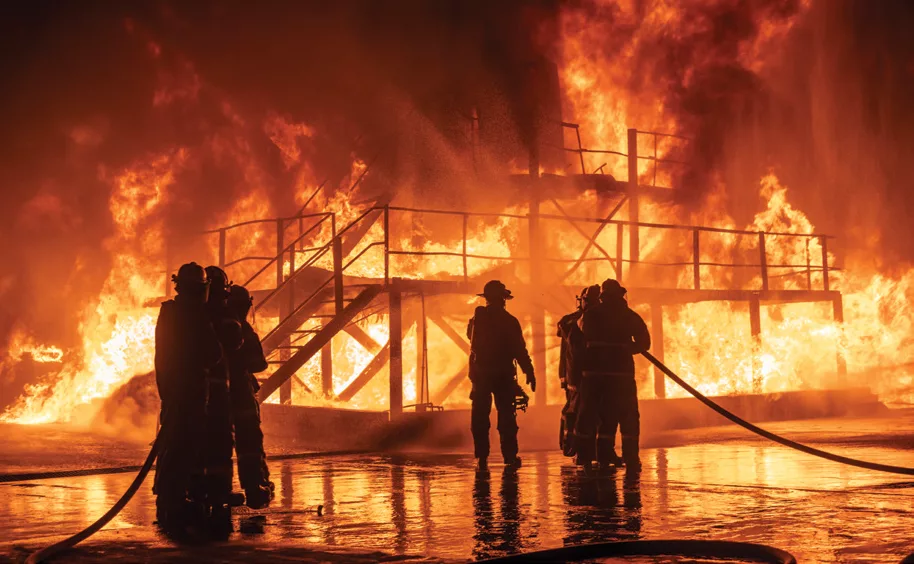
Recent disasters underline the wisdom of building homes and other properties to withstand the possibility of fire
The devastating wildfire in California, which destroyed over 12,000 structures, stands as a stark reminder of how nature’s fury can upend lives and landscapes. South Africans faced a similar tragedy in 2017 when the Knysna fires ravaged the region, claiming 1,200 homes and scorching 16,000ha of land. These events underscore the urgent need for resilience in how communities are designed and built.
Viral photos of lone homes that survived California’s wildfires have sparked a wave of curiosity, inspiring conversations about the role of smart design in disaster mitigation. While no design can stop a wildfire, thoughtful choices like fire-conscious layouts, informed material selection and an understanding of wildfire behaviour can significantly reduce damage. The question for homeowners in high-risk areas is this: How do you ‘insure your unsure’ in a world where wildfires are becoming more frequent and unpredictable?
When building in wildfire-prone areas, every detail matters. The choice of materials for roofs and cladding can make or break a home’s defence. Fire-resistant options are key, as are features like eliminating roof vents and minimising eaves, which prevent embers from igniting the roof – often a house’s most vulnerable point. Even high-investment upgrades, like tempered glass windows, can offer invaluable protection. Tempered glass is less likely to shatter under extreme heat, keeping embers from breaching the home’s interior and adding another layer of security against life’s ‘unsures’.
Defensive strategy
Defensible space extends beyond the home itself. Surrounding high-risk properties with fire-resistant barriers, such as concrete walls instead of wooden fences, adds another layer of protection. Similarly, landscaping choices can either fuel or foil a wildfire. Fire-resistant plants like spekboom, aloe and low-growing grasses are natural allies, while drier, oil-heavy species like cypress, acacia and bamboo increase the risk of fire spread.
Designing resilience into homes and communities isn’t just about minimising risks – it’s about enabling more people to create and secure better futures. From tempered windows and fire-resistant materials to thoughtful landscaping and hardscaping, small, deliberate choices can make a significant impact. With wildfires becoming a growing threat, embracing these principles means facing uncertainty with clarity and confidence.
Text | Coen de Bruin
Photography | Stefan vd Riet
Coen de Bruin is the Head of Specialist Lines at Hollard Insure.
For more information, go to hollard.co.za.