
Sensitive ecosystems need careful handling by a number of partners with different interests
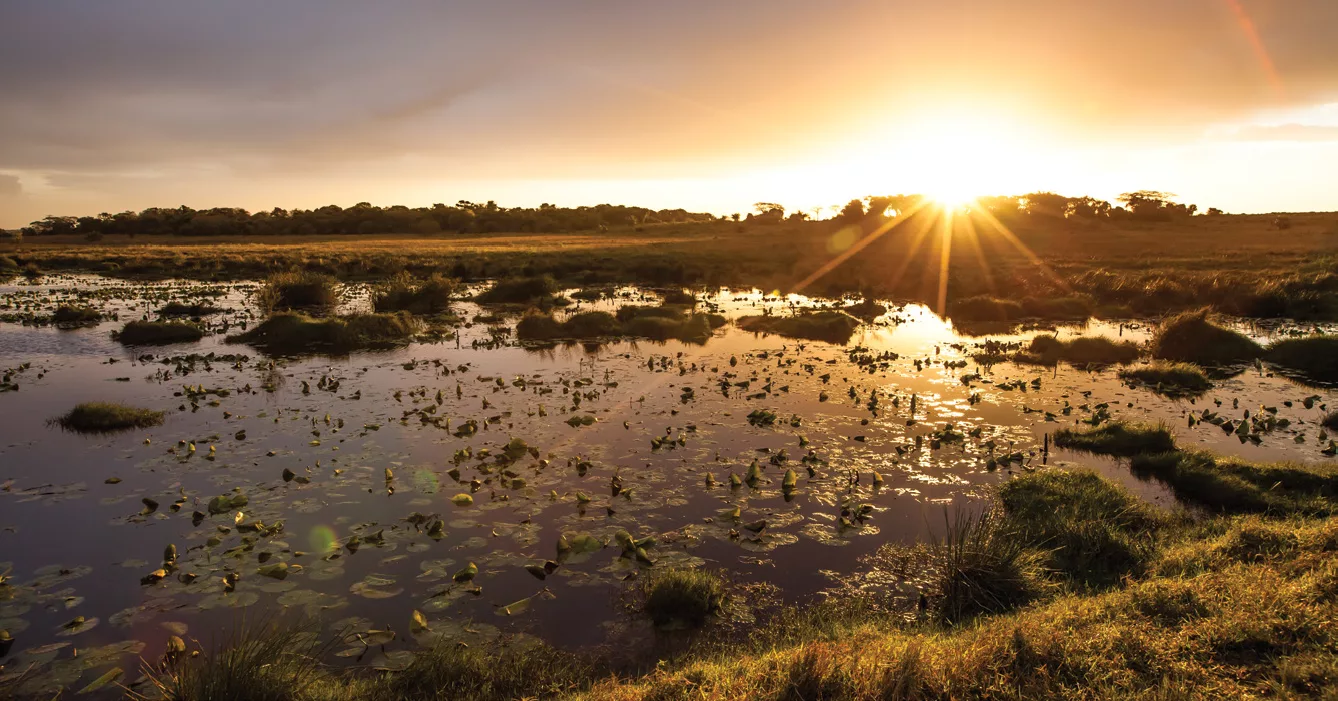
South Africa’s wetlands are biodiversity-rich ecosystems that support a wide array of plant and animal life, including endemic and threatened species. By acting as natural water filters, wetlands improve water quality while regulating hydrological cycles, helping to prevent incidents of flash flooding and playing a crucial role in water security.
A 2021 survey of South Africa’s forestry landholdings found that more than 300,000ha of natural and semi-natural habitats are actively managed and maintained within the forestry landscape. This includes more than 171,000ha of grasslands and their connected wetland systems. Through active environmental stewardship of these habitats, forestry companies can play a significant and positive role in conserving key ecosystems like wetlands, along with the threatened, endangered and endemic species that they support.
In a forestry context, environmental stewardship is a multifaceted commitment that integrates sustainable management practices with collaborative efforts to restore and reconnect natural habitats and the ecological services they provide. Such stewardship cannot be done in isolation, as ecological services and natural habitats extend beyond the boundaries of the forestry landscape. It demands collaboration between various public and private stakeholders, both individuals and organisations, coupled with active investment in research and innovation to guide and enhance conservation efforts.
Hopeful statistics
Over 85% of forestry-owned land in South Africa is certified by the Forest Stewardship Council, with 40% holding dual certification through the Sustainable African Forestry Assurance Scheme, which is endorsed by the Programme for the Endorsement of Forest Certification.
International certification requires sticking to a suite of sustainable management practices that often surpass national legislative requirements. In a wetland context, these include measures designed to prevent forestry operations from encroaching on wetlands, the implementation of buffer zones to filter out pollutants and sediment and, where necessary, restorative processes. Responsible management practices aligned with international certification standards have seen South Africa’s forestry sector setting a benchmark for other landowners to proactively manage environmentally sensitive areas, both within and beyond their boundary lines.
Over the past three decades, the forestry industry has undergone a significant transformation driven by advancements in technology, research and innovation. The evolution has reshaped how the sector thinks, operates and conducts business, with a strong focus on sustainable practices that emphasise environmental and social stewardship. As part of this shift, hundreds of hectares of trees planted near wetlands before 1972 have been removed. In areas where wetlands have been damaged or lost due to historical forestry practices, restoration projects – often undertaken in collaboration with conservation organisations – have been initiated to revive these ecosystems.
Team effort
For meaningful and widespread impact, environmental stewardship and conservation initiatives must be viewed at a landscape level, with the buy-in of a wide range of stakeholders. While this inevitably adds a layer of complexity, it unlocks far greater potential for delivering sustained positive impact.
Water stewardship exemplifies this approach, shifting the focus to catchment level and requiring the forestry sector to engage and collaborate with a collective of interested and affected partners to achieve tangible outcomes.
Research helps all parties understand the interaction between forestry practices and wetland health and drive innovative solutions that enhance conservation efforts. By linking with academic and research partners, government departments and environmental organisations, the forestry sector constantly develops and refines best practices that balance conservation with sustainable timber production. As a sector, this is the best way to do business and recognise that, in an evolving world, there will always be space to improve.
Wetlands are the lifeblood of our planet, supporting all living creatures – including humans – and creating opportunities for sustainable development in rural communities. The forestry sector has the tools, partnerships and commitment to make a lasting difference. By investing in restoration, adopting sustainable practices and collaborating with stakeholders, concerned parties can safeguard wetlands for future generations. Together, it’s possible for them to ensure that these vibrant ecosystems remain a source of life, inspiration and prosperity for years to come.
Text | Hlengiwe Ndlovu
Photography | Benny Marty
Hlengiwe Ndlovu is Chair of Forestry South Africa’s Environmental Management Committee.
For more information, go to forestrysouthafrica.co.za.