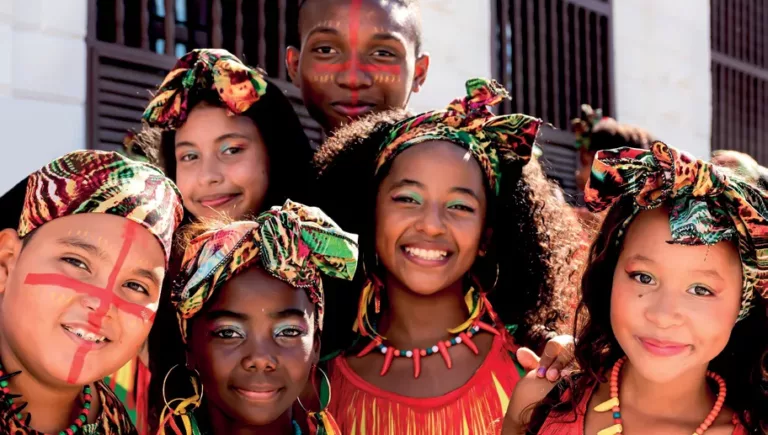

Art therapy can help both young and troubled patients express their emotions
A key pillar of early childhood education is establishing social skills. Children who have learnt appropriate social skills are typically able to establish connections, show empathy and communicate better as adults.
Expressive arts such as visual art, drama, music and creative writing, among others, can be a powerful means of allowing people to express themselves, in the process improving overall wellbeing, improving self-awareness and self-esteem, strengthening relationships, promoting social skills and reducing anxiety and stress.
Visual arts such as painting, clay work, sculpture, collage, weaving, construction, photography, wearable art, carving, printing and ephemera can be a rich domain through which young children can explore and represent their experiences, think through and deepen their working theories and develop their creative thinking.
For pre-literate children, it helps express ideas that they may struggle to express verbally, promotes creativity and imagination and develops critical literacy. It can also help young children process their experiences, positively impacting their overall wellbeing and significantly reduce stress levels.
In South Africa, a country where a high proportion of children living in disadvantaged communities have been exposed to some form of childhood trauma, art therapy is becoming an increasingly popular mental health treatment, particularly for traumatised children who lack the verbal capacity or maturity to express their thoughts and emotions.
Multiple benefits
Art therapy first emerged as a viable therapy in the 1940s and 1950s, based on the idea of making the unconscious conscious, combined with the healing potential of the creative process.
For therapists, the biggest benefit of art therapy is that the actual process of making art can help bypass the verbal centres of the brain, helping them to examine and discuss the thoughts manifested in the artwork physically and visually. For patients, its most significant benefits are that it engages the physical body in relaxation through the manipulation of art materials, allows the individual to engage in a personalised introspective exercise in which the process and finished product become the symbolic container of traumatic memories and allows for cognitive reflection.
The American Art Therapy Association says the benefits of art therapy include improved cognitive and sensory-motor functions, better self-esteem and self-awareness, emotional resilience, enhanced social skills and reduction and resolution of conflicts and distress.
Around the world, art therapy has been successfully used for children who have survived disasters, including survivors of hurricanes Katrina and Rita in the United States, children impacted by 9/11 and girls aged between five and 13 who survived the 2004 tsunami in Sri Lanka. Art therapy is particularly effective when treating children suffering from post-traumatic stress disorder after sexual abuse.
A 2021 study found that childhood trauma, negative life events and stigma were associated with numerous mental health outcomes, including depression, anxiety, disruptive behaviour, anger and poor self-concept. There is no question that children who are traumatised are not capable of reaching their full potential, which makes it all the more critical that educational facilities, particularly those situated in disadvantaged communities, have structures in place to address childhood trauma.
Text | Nadia Lubowski
Photography | Dmytro Zinkevych
Nadia Lubowski is Director of the Anton Lubowski Educational Trust (ALET). For more information, go to alet.org.za