
Being slow on the uptake when it comes to keeping up with trends often works out just fine
There are several stereotypes – sometimes entire generations, sometimes simply groups of people or even just individuals – who describe themselves as ‘early adopters’. These are people who, years ago, were the first to trade in their indestructible Nokia brick phones for fancy Blackberries and then the first to discard those when an advert starring Steve Jobs caught their attention.
These are the folks who loved the hippy goodness of vinyl, then bought wholesale into the neatness and relative unwarpability of CDs, then threw away every album they owned in either format so that they could enjoy the convenience of having every song they’d ever listened to on a hard drive that would become obsolete in three months’ time, and then spent triple the budget of that entire exercise on rebuilding their vinyl collection when that became cool again. And these are people who love to read, provided the new bestseller – and the entirety of their favourite authors’ back catalogues – are available as audio books.
As a late adopter, largely thanks to a budget that is more CNA exam pad than Moleskine diary (or in this technological context, more Toyota Corolla than BMW 5 Series), I have discovered that, supposed sophistication and expediency aside, it is occasionally the case that it literally pays to be so slow off the mark that you’re cool again because you were so slow taking on a trend everyone else thought was better (vinyl records a case in point; no extra purchases, and now albums that originally cost R25 are worth 20 or more times that).
But there is more to it than that. For many, the entire wall of shelving filled with a few decades’ worth of collected CDs appears to be nothing more than an eccentric decor choice. And given how difficult it is to find machines of any kind that can actually play CDs, there might be something in that. However, one of those albums was bought in a little shop on a bridge on the edge of Lake Geneva. Another was purchased from a street seller with a bunch of second-hand stock in the shadow of the gargantuan Strasbourg Cathedral. A third – the first release you bought by an artist who has now soundtracked a fair chunk of your life since – was on sale in an Atlanta music store that your sister-in-law knew you’d love to visit if you were in the area.
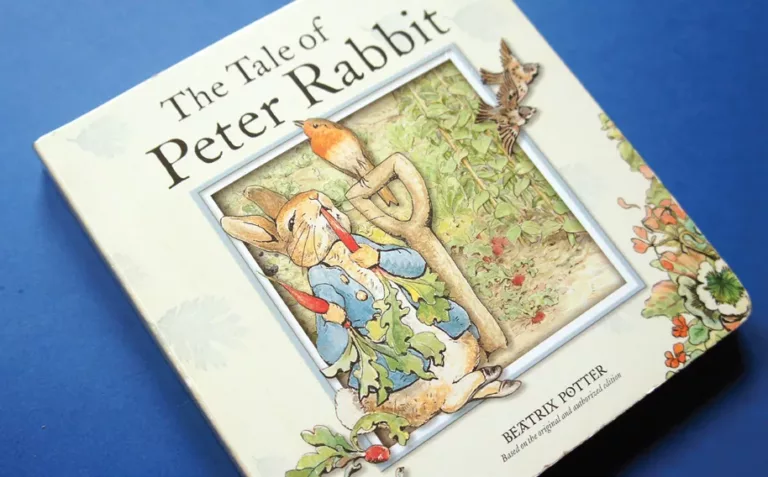
Similarly, while being a Ken Follett fan may be the equivalent of unwillingly joining a gym – 800 pages per book, with a new one every year, or sometimes more – you get a sense of the scale of a story you become part of with a physical book. You also get a sense of satisfaction as you watch your bookmark work its way further and further down the spine. Plus you can take out an intruder (never mind a mosquito) with each volume.
Everything will keep getting updated. Sometimes, it’ll make sense to just go with it – podcasts are lovely, for instance, but you don’t necessarily want Joe Rogan actually sitting at your dining room table when you’re trying to serve a meal – but it’s also great if you want something that comes with memories and connections to different parts of your life and identity.
Oh – and that Corolla still runs like a dream.
Text | Bruce Dennill
Photography | Patrick Daxenbichler