Learning multiple languages can give children skills and options beyond what they’d imagined
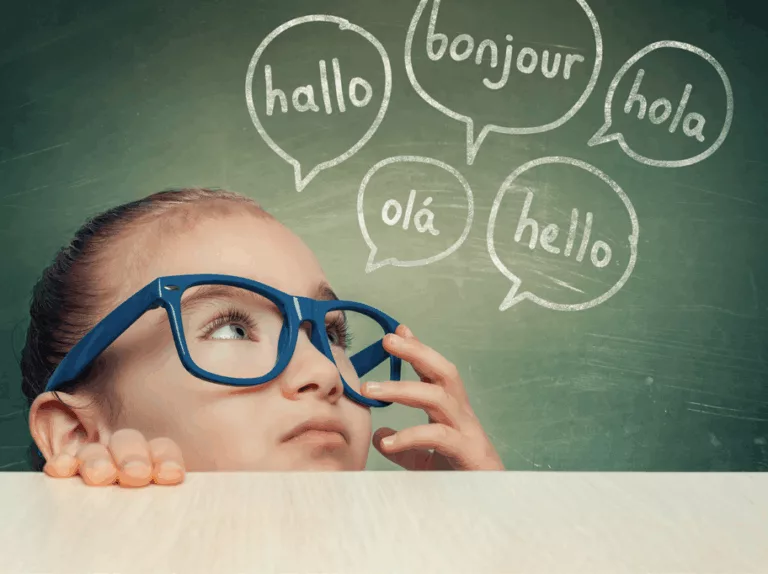
In an increasingly connected world, multilingualism is emerging as one of the most valuable skills a child can develop. Language learning is seen not only as a tool for communication but as a vital pathway to cognitive, social and cultural development – beginning in the early years of life.
Children have a natural ability to absorb language from a very young age. When families and educators support this journey together, children not only learn to speak more than one language, but also gain confidence, empathy and cognitive flexibility that stays with them throughout their lives.
Research consistently shows that children who are exposed to multiple languages benefit from improved memory, problem-solving skills and mental agility. Switching between languages encourages cognitive flexibility and enhances the brain’s executive function – an ability linked to academic success.
Language is deeply tied to culture and learning more than one language offers children a window into other ways of life. Bilingual children often display a heightened sense of empathy and understanding. By encouraging language learning, we also nurture children’s appreciation for diversity. This is especially important in South Africa, where embracing cultural richness is part of the national identity.
Complex advantages
Multilingualism has been linked to better literacy, stronger academic performance and improved writing and reading comprehension. In the long term, bilingual individuals are more competitive in the global workforce. Whether children become doctors, designers or diplomats, knowing more than one language gives them a powerful advantage.
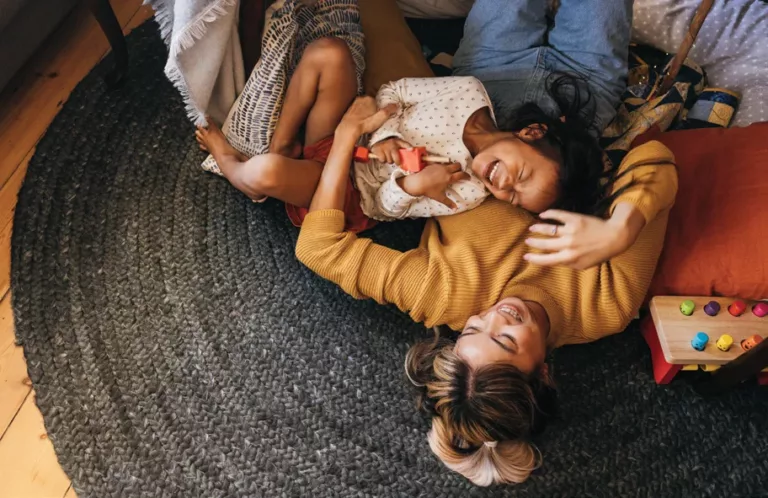
Parents play an essential role in fostering language development. Reading bilingual books, singing songs and conversing in both languages are simple yet effective ways to reinforce language learning. Consistency, encouragement and playfulness are key. Children learn best in environments where language is part of daily routines and joyful moments.
Language learning works well when embedded in a play-based, holistic approach. Through songs, storytelling and culturally inclusive practices, children can be supported in their language acquisition journey while developing emotionally, socially and intellectually.
Text | Ursula Assis
Photography | Morrowind
Ursula Assis is Country Director of Dibber International Preschools. For more information, go to dibber.co.za.