Famous game reserve offers a plethora of attractions for birdwatchers and photographers
Hwange Safari Lodge lies within its own private concession and is a 20-minute game drive from the main gate of Hwange National Park, given you aren’t held up by sightings of wild dog, which is no great hardship.
The park is the largest reserve in Zimbabwe and covers 14,600 km². It is home to over 400 bird and 100 mammal species, including the second biggest population of African elephants on earth. There is plenty to see and explore in this expansive wilderness.
Africa and its wild places are a tonic for the soul. They quickly replace and restore what daily life extracts. Although the special sightings and moments with iconic wildlife and exciting bird species are what most visitors are after, the bush offers so much more. There is the smell after it rains, the peace of dappled shade and large repetitive woodlands, and the familiar sounds of booming ground hornbills or trumpeting elephants – all just as much a part of the experience as the magical encounters themselves.
My guide for the four days is Lazarus Manyuwa. Besides having a wealth of experience, a love for all living animals and an exceptionally keen sense of sight, Manyuwa is a humble man with a kind heart and a wonderful sense of humour. He calls out, laughing: “We are always adding, never subtracting,” as we add another bird species to the list.
Experienced wildlife photographers will know that you cannot go to a new place and expect to put together a decent portfolio of wildlife images without some version of Lazarus. Guides are an instrumental part of any trip, and anyone would be fortunate to have one of Hwange’s finest leading the way.
Warmly satisfying

It is the end of November – a few weeks before the big rains are due. The bush is bone dry, and the cicadas are at their loudest, most deafening pitch. Without any cloud cover, the heat becomes oppressive, and by 8 a.m., people are looking for shelter, a pool and a cold beverage. Fortunately, the lodge has all of these amenities as well as air-conditioned rooms. Each room has large windows that look out into a dry riverbed called Dead Vlei. The vlei transforms with the onset of rain, with two well-appointed waterholes. A quick glance through a bedroom window might bring into view a multitude of birds, from Abdim’s and marabou storks to grey-crowned cranes and ground hornbills. The waterhole sighting list for the month held an impressive list of mammals, from big cats and buffalo to small springhares.
The guests in the game vehicle show childlike enthusiasm and hope regarding what might be seen around the next bend. A sudden change in plan takes the drive through magnificent false mopane and teak forests in search of one of the area’s harder-to-find avian specials. Within minutes, the bird’s tell-tale cry is heard, and everyone begins searching the skies. Before long, one of Africa’s loveliest spectacles presents itself: a racket-tailed roller, performing its namesake rolling display.

Game drives are always eventful, but one day stands out above the rest. It is cloudy and overcast, and the vehicle is heading to Kennedy Picnic Spot 1 on the eastern side of the park. The canvas roof is a huge relief as temperatures remain in the twenties, keeping the birds active, and the diffuse light allows for prolonged photography. Within a few hours, we have achieved more decent photographs of birds than I have managed on any other game drive in a national park. From broad-billed rollers at eye level to Meyer’s parrots drinking, close to ground hornbills feeding their newly hatched young, to tits, swallows, shrikes and sparrowhawks – hardly any time to gather ourselves! If this is not enough, there are also magnificent herds of sable, Zimbabwe’s national animal. They are as majestic as they are graceful and powerful.
Happy space

As elephants make their way to one of the many waterholes on Dead Vlei that evening, it’s impossible not to feel soul-filled, perhaps even more than expected. It’s not just the tranquillity and wildlife, it is also the people the experience is shared with. The staff at the lodge are so welcoming and friendly that, although there are many rooms, every guest feels special and included. Webster, Albertina and Shane are always just a few seconds away whenever you need a drink or a meal. “How was your day?” “Did you rest well?” “What can we help you with?” These are just some of the kind questions they consistently ask. Nothing is a fuss or too much of an effort. A local conservationist, David Bennet, shares some of the many projects his organisation is working on in the area, including community development projects, groundbreaking giraffe research, a tree and plant nursery and much more.

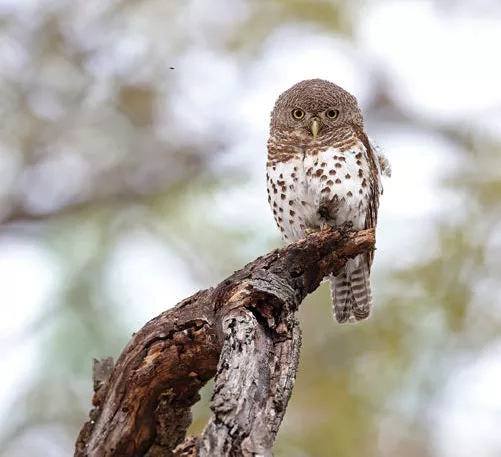
Returning home at night, visitors are serenaded with the sounds of scops and barred owlets, and a short walk outside offers a wealth of beetles and bugs. From massive giant dung beetles and colourful longhorns and blister beetles to helmeted and true toktokkies, the area has them all. After sending my insect-loving son, Joshua, a video of a popeye dung beetle, I quickly received a WhatsApp from my wife asking me, “When can Joshua come? He wants to know.”
We will be back, but next time as a family of three.
Text and photography | Richard Flack
For more information or to book a stay, go to africansunhotels.com.