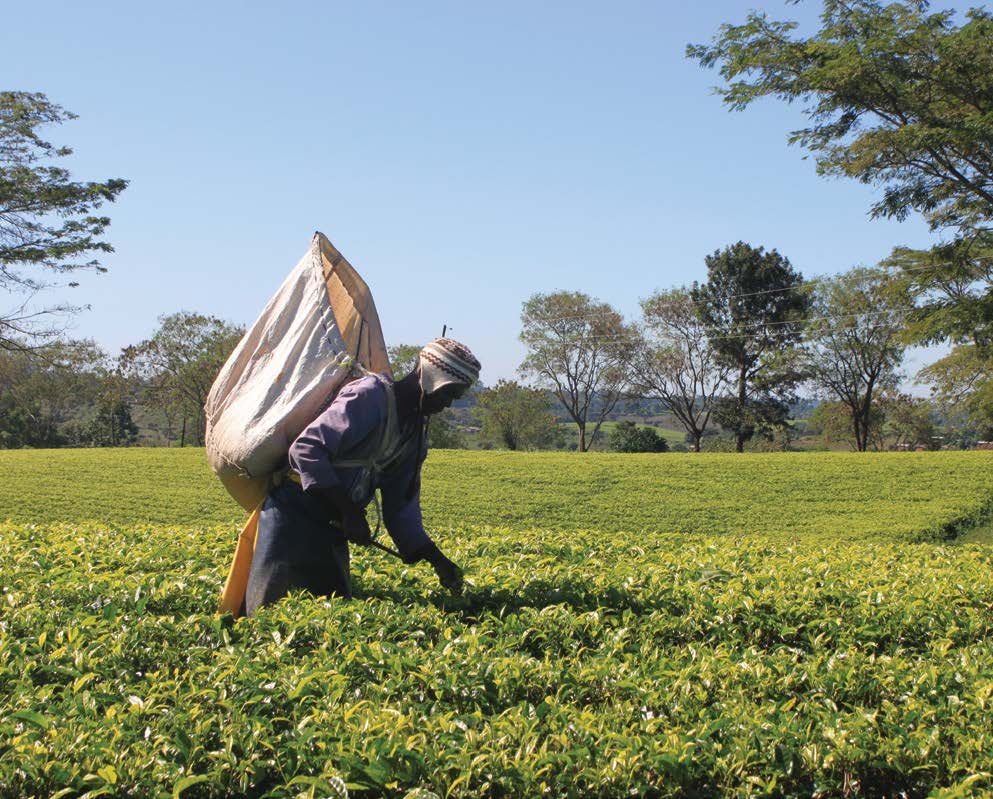
The scale and beauty of a tea estate near Blantyre allows visitors to combine a love for the outdoors with adventures in taste.
A century-old establishment, now owned by the third generation of the same family, the Satemwa Tea & Coffee Estate started as just a few hectares and is now well over 1,000ha after assimilating neighbouring properties over the years. The original field – now one of dozens – will see its tea plants turn 100 years old in 2026. Only the uppermost leaves of the plants are used for making tea, so the plants are kept at waist height for easy access for the pickers. Also, if they weren’t regularly trimmed, they’d grow until they towered 10 or 15m high (and good luck getting to the top leaves then)! The management of such a large estate, where such a specific crop needs such close attention, is fascinating. The newly pruned sections look forlorn, but such tough love is needed for the health of the plants and the soil. Other parts of the rotation involve letting plants grow and then using them as graft donors for new plants to be propagated elsewhere on the property.
The results of all this careful curation are phenomenal, creating undulating hillsides cloaked in a green almost fluorescent in its intensity when it is lit by the sunlight. Different shades of green vie for attention in the tracts of rainforest that have been retained between the tea fields, remnants of the landscape as it was before farmers arrived. These copses are refuges for birds and other creatures, with the former a magnet for guests wanting to enjoy some twitching time while staying over.
Getting picky

The pickers (2,500 in the rainy season from December to April and 1,500 for the rest of the year) move across their sections of the field selected for that day with large sacks set up open-mouthed, worn rucksack-style on their backs, wielding shears to which they have affixed trays that catch the leaves as they fall off the blades. They have perfected a deft, over-the-shoulder flick that quickly transfers leaves from plant to bag, filling one after the other as they reach their quota for the day.
A wide range of teas is made from these same collected leaves, with all the differences affected in the post-picking phases according to oxidation levels, the sizes into which the leaves are cut and much more.
For visitors to Satemwa, the plantation offers less exacting exertion, being a fantastic venue for a walk, run or ride. It’s easy to navigate, incredibly aesthetically pleasing and brilliantly enjoyable as a way to get some exercise.
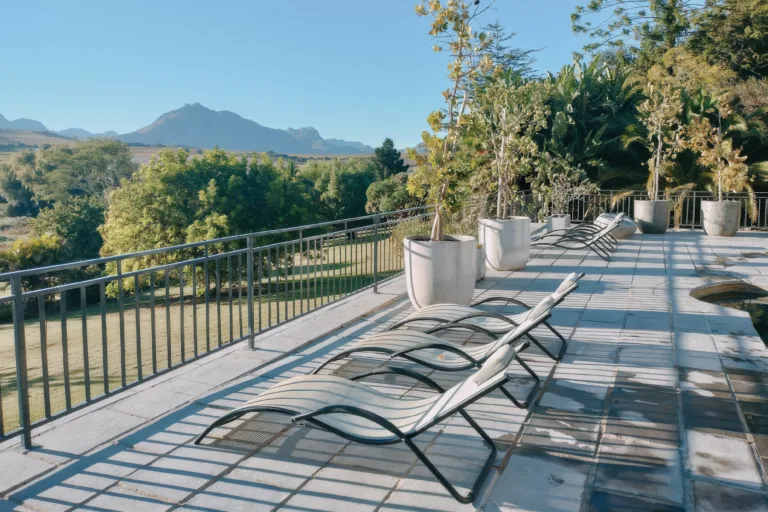
After all of that outdoor application, Huntingdon House, in the centre of the property, is a gorgeous place to recuperate. It’s the third house built by the estate’s founder, Maclean Kay, and is a gorgeous structure – almost an English stately home in the tropics – currently housing a boutique hotel. Beautiful arches, art deco trimmings and high ceilings surround guests enjoying the excellent in-house dining. Out in front is a magnificent lawn, while an enormous fig tree guards the driveway. Wherever you’re eating, reading, resting or walking here, the setting is magnificent.
The hospitality adds to that, too, as dinner is enjoyed at a table in a bay window and set with tall candelabra and scattered petals, all adding ambience in a quiet, private room.
Festival of flavours

A tasting at the tea factory – a collection of structures and machinery dedicated to turning the green leaves into a delicious and profitable list of other products – involves a short film and a verbal explanation of the processes involved, both of which will greatly increase every attendee’s appreciation of their next cuppa.
The tasting sees bowls of different kinds of tea lined up with samples of their leaves (post-preparation) and bowls of water in which to wash tasting spoons, which are used to transfer liquid from the bowls to a sort of ceramic tot glass. Lifting that small cup to your lips, you are encouraged to sip and noisily slurp – as with wine – in order to properly bring out the flavours.
It’s an instructive process, uncovering for the uninitiated the obvious differences between different kinds of tea while also revealing the nuances between varieties of the same kinds – such as green or black teas. The range of colours, strengths and flavours is surprising and, if tea is a feature in your daily schedule, exciting.
Ambitions expressed
Coffee is a massive, valuable worldwide crop, but less of it is consumed worldwide than tea, so even caffeine fiends can understand why the coffee component of Satemwa’s output is substantially smaller than the tea aspect.
You need to walk through the tea fields to reach the coffee plantation – much smaller, though still expansive. The plants are more widely spaced and allowed to grow taller, as they’re much trickier to grow than tea and require much more water. Because of this last point, coffee trees are often planted in shade and in bowl-shaped hollows, with weeds allowed to grow between rows – all to help the soil maintain water.
In this section, it’s mostly women who are assigned to be pickers, as they are judged to be gentler and have better attention to detail, separating the sweeter yellow berries from the red ones as they work.
Recycling is a big deal: non-producing trees are removed and made into firewood and charcoal, as well as ash that is used to enrich the soil. The husks from the processed beans are also made into compost – though some dried husks, fascinatingly, are now used in the manufacture of energy drinks and are exported to Japan and the US for that purpose.
A final run-through of the washing, pulping, fermentation and drying infrastructure that is involved in preparing the beans for roasting suggests that the price you pay for an espresso at your favourite coffee shop is not unreasonable, as well as making you really want to find somewhere to sit to enjoy one, which is great encouragement to head back to Huntingdon House and wash down a pastry or piece of cake with something grown in this wonderland of a garden.
Text and photography | Bruce Dennill
For more information, go to visitmalawi.mw and satemwa.com.