Author Veruska De Vita explores humankind’s connection to the oceans in her book Deep Blue: Why We Love The Sea

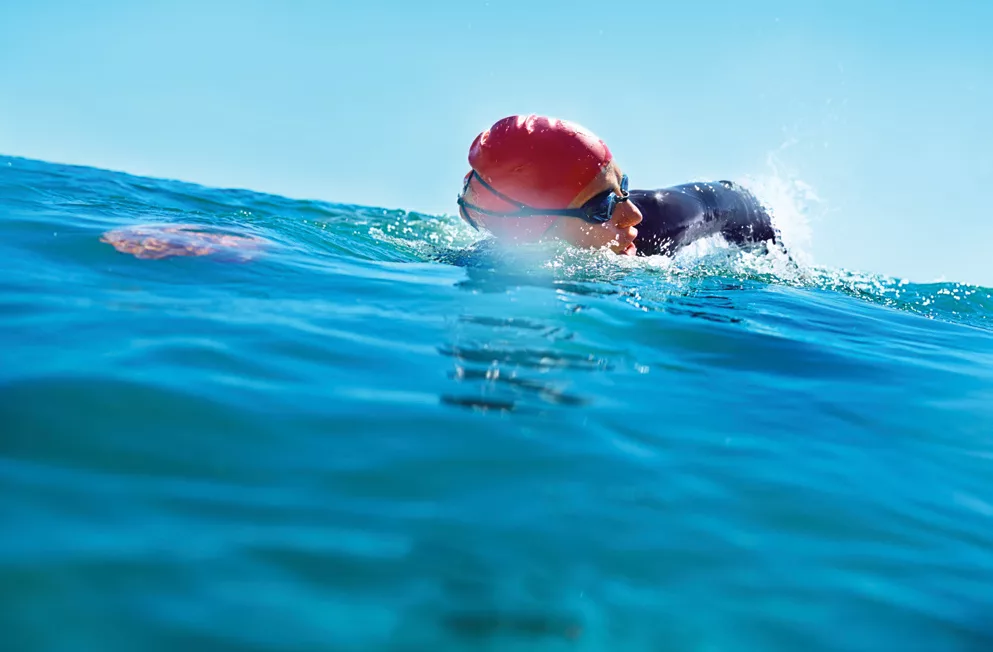
Open-water swimming has gained popularity all over the world. People gather in the early morning twilight to bathe and entrain to the strokes and breathing of a group, to feel that feeling of being connected through the element of water and sensing the movements of others. They imbibe in the exhilaration and unpredictability of the water.
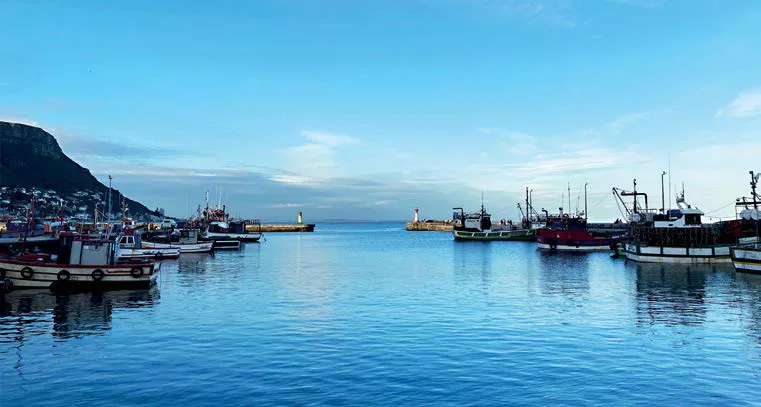
In South Africa, groups of swimmers meet regularly to enjoy the communal, social and fitness aspects of sea swimming. In Durban, in Gqeberha, in various areas of the Western Cape, large and small groups meet to enjoy the softness and the hardness of the waves, and the sheer bliss of the after-swim glow. On the Cape Peninsula, Scott Tait’s passion for swimming and for the sea led him to organise open-water swims at Long Beach in Simon’s Town. In swimming circles, he is legendary and goes by the name of Scotty. He is a 50-something triathlete and owner of a swimming school called Swim Cape Town. He is a waterman, taking people into different aquatic environments to teach them how to read them, so that after four weeks, they have an understanding of the movements of water, be it ocean, lake or river. He coaches those wanting to succeed in big swims like Robben Island and the English Channel, and he promotes swimming as a recreational sport.
Scotty is committed to the sea and to the ancient sport of swimming. “I get immense joy from seeing people enjoy themselves in the water,” he confirms. A number of years ago, watching people in the waves from his home in Glencairn saved him from his shadow. He was in a dark place, recovering from an injury, and then he got COVID. The illness progressed into long COVID. In False Bay, where twilight is violet and at midday the sun’s rays set fire to the waves, Scotty hoped for a miracle.
He hung his hopes on the people he watched as they splashed about in the sea he loves. He was living vicariously through them. He tells me how ocean swimming has helped many people conquer the darkness. “It’s a quiet, safe space for a lot of people.”
The miracle arrived as an idea to start an open-water swim that would encourage Capetonians – young and old, newbies and veterans – to explore adventure swimming. The Around the Buoy swim, better known as ATB, was born.
ATB happens once a month and brings together all sorts of people to swim along a marked-out route that starts and ends at Long Beach in Simon’s Town. Scotty is very organised, as safety is his top priority. He gets official clearance from the Navy, and there are lifesavers present for the duration of the swim. “We don’t skimp on safety. We want everyone to be safe and then have a great time.”
The swimming group is still small. It’s a social activity designed for those who are new to open-water swimming and those who want to train in a safe environment. It’s not a race, and it’s not timed. The location was chosen specifically for its safe waters – there are no rip tides.
Scotty’s clear voice brims with excitement. “If you’re a swimmer in Cape Town, it is almost a crime if you don’t swim in the ocean. ATB is about getting people into the water, where they can swim in the company of magnificent creatures like short-tail stingrays and puffer sharks.”
There is another reason Scotty organises the swims: to change the perception of False Bay. “When people think of False Bay, they think of great white shark attacks. Yet there hasn’t been one for six or seven years. Fish stocks are depleted, so great whites are feeding offshore. Orcas are also coming into the bay and taking out the shark population.”
The biodiversity in False Bay is abundant, but it is changing. The winds have changed, moving old kelp and rock lobster eastwards. Seabird life is changing. Pelagic fish species are shifting, and it is no longer big bad shark territory.
Social swimming, also known as wild swimming and adventure swimming, is becoming trendy. People like Scotty have made it easy and accessible. Social media has popularised the activity. People want to experience the health benefits and enjoy the rush of endorphins. It feels good. Cool wind on skin, water, sun, the ground beneath – all the elements are present. Scotty’s monthly ATB swims are occasions that test and fortify fitness and also strengthen social fitness. They’re not just about the swim. People mingle and catch up on shore. Friendships are made, and a level of trust is formed, a tacit promise of ‘see you next time’.
People bond over a shared love for the ocean. They bond in the water. There is power in sea swimming – it is epic in its very nature. Scotty reminds me that the ocean will test anyone, and it will always win. “It will challenge your fears because you are out there in the elements – there is wildlife around you, wind, sun and waves, but it is an incredibly rewarding experience. It changes your perception as to what is possible.”
Text | Veruska De Vita
Photography | Supplied and People Images
Deep Blue: Why We Love The Sea by Veruska De Vita, published by Jonathan Ball, is available now. This excerpt is published by permission.