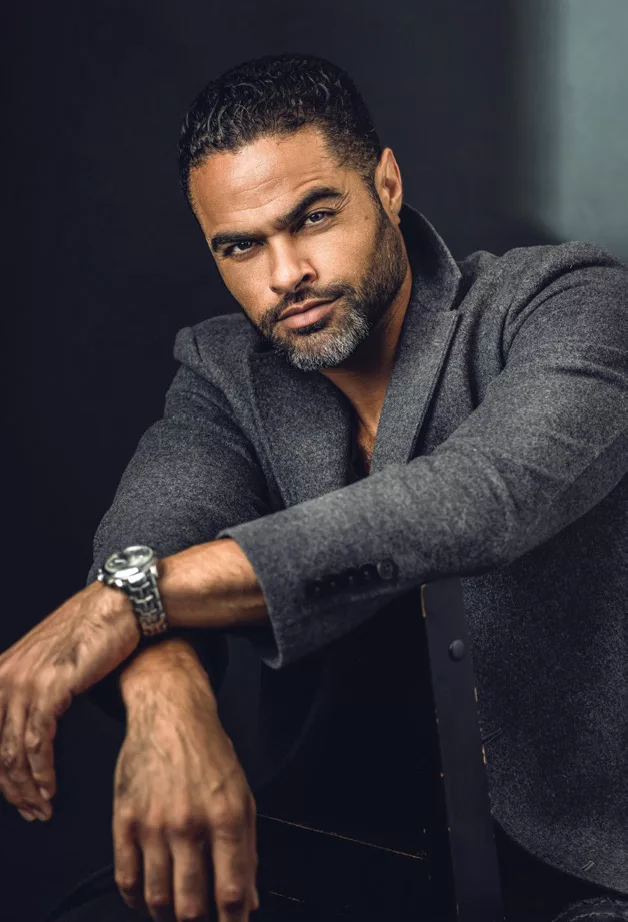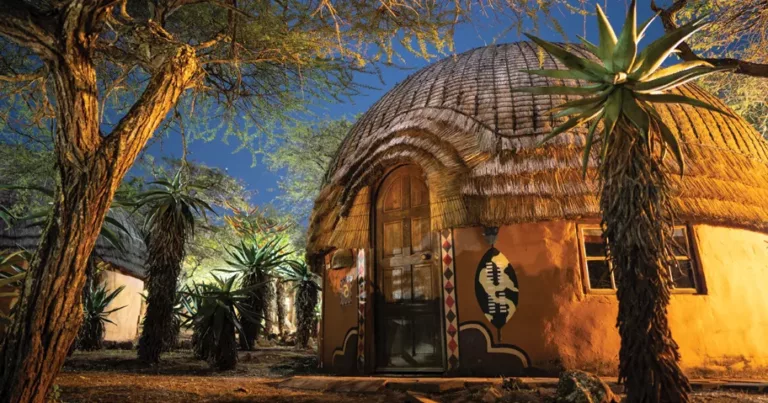

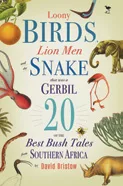
Traveller, writer and journalist David Bristow adventures into southern Africa’s most intriguing corners, past and present, in new book
What is the importance of telling stories rather than just relaying facts? Loony Birds… covers history, anthropology, environmentalism and many other topics some readers might not otherwise actively go looking for.
David Bristow: Many of us are quite well trained in the ‘-ologies’, but the deeper you go into these things, the more stories you find. I recently went on a fossil-collecting trip with the UCT Summer School. I thought we’d be shown a site or two, but no – we were set loose and found what were clearly five different, previously uncovered fossils. It was like pulling plums from a Christmas pudding!
I never planned to be a writer. I was a journalist because I saw amazing historical events unfolding and I wanted to be part of that. So, I quit my job, drove to Rhodes University – and was accepted! Next, as a climber, I stumbled into putting a book together and it became a bestseller.
Now, I feel like I’ve joined a storytelling guild, like the San around a fire. Some of the stories in this book are obscure. If you’re a real reader, you might know some of them, but we weren’t taught about these things at school. My kids won’t necessarily have seen or read these stories, so these short versions could still find a new audience. The story about David Livingstone, for instance, is hilarious and strange. I found a version of that story in a book at a lodge and made a note to look into it, which I later found in my pocket.
You’ve said that you try to “research deeply and write lightly”. What does that mean in terms of travel writing or edutainment?
I really have travelled. I started at 14, when I hitchhiked everywhere from Swaziland to the Okavango Delta. Then I started studying. Combining these perspectives, I think, gives me a decent knowledge of the places I’ve been.
I’m extremely disgruntled about the state of writing – everything from the use of AI to never leaving the office. You need to be able to write a book before you can write a short story. All writing needs to offer information and education. You can play around with percentages, but it all helps. It’s also good to have a sense of humour…
As a photojournalist, what knowledge is needed to tell a story with pictures versus with words?
I was more of a word guy to start. Photography never seemed to be what I would do and, at some point, I looked at the cost of cameras – R100,000 or more – and at what I paid for my notebook, which is around R20. That made it an easy decision. Photography is much more of a peopled niche now. I can name 20 wildlife photographers, but not 20 wildlife writers. Not taking photographs is hard work, but investing in that technology is a challenge.
In this book, there are both your own experiences and interpretations of what historical figures went through. Many of your chapter titles include the word ‘searching’ – how important is it to actually find what you’re looking for in these scenarios?
Half of the people and incidents in this book are long gone and therefore second-hand. But having travelled so broadly and experienced the landscapes where these things happened, I have a feeling for the places. For instance, I have a sense of why Nieu Bethesda is so infused with atmosphere and time – not just the history of Helen Martins and the Owl House. I have a drive to find what a place is really about. Once I do that, then I start writing.
Overlaying your research and writing with your decades of travelling and speaking to people: what is the same and what is gone?
I’ve had several wake-ups. I used to travel to the beach with homemade spearguns and stuff like that. I went back years later and was angry at what had been done to those places. Then I went back again with my kids a decade later and realised how wonderful those destinations were, so I got over myself.
But while there’s still so much to be positive about, the human footprint is problematic. It’s not about one group of people; there are just too many people. I don’t know where it’s going, but it’s not good… My dad used to tell us as kids to spend time appreciating the incredible value of wildlife – while talking about a herd of impala! That was a wonderful attitude and one I try to keep going. It takes time to learn to love nature and many South Africans who had no access to wild areas for decades are learning this now.
Text | Bruce Dennill
Photography | Supplied
Loony Birds, Lion Men and the Snake That Was a Gerbil by David Bristow, published by Jacana, is available now. For more information, go to jacana.co.za.