Butterflies, forests and the fragile balance of Zanzibar
In Zanzibar, beauty isn’t confined to the beaches. It flutters softly in the dappled shade of a small conservation project tucked away near the Jozani Forest, at the Zanzibar Butterfly Centre. Here, in a lush, netted garden alive with colour and motion, you’ll discover a quieter kind of wonder. It’s not about grand resorts or turquoise seas; it’s about wings, delicate, purposeful and alive with the story of a community working in harmony with nature.
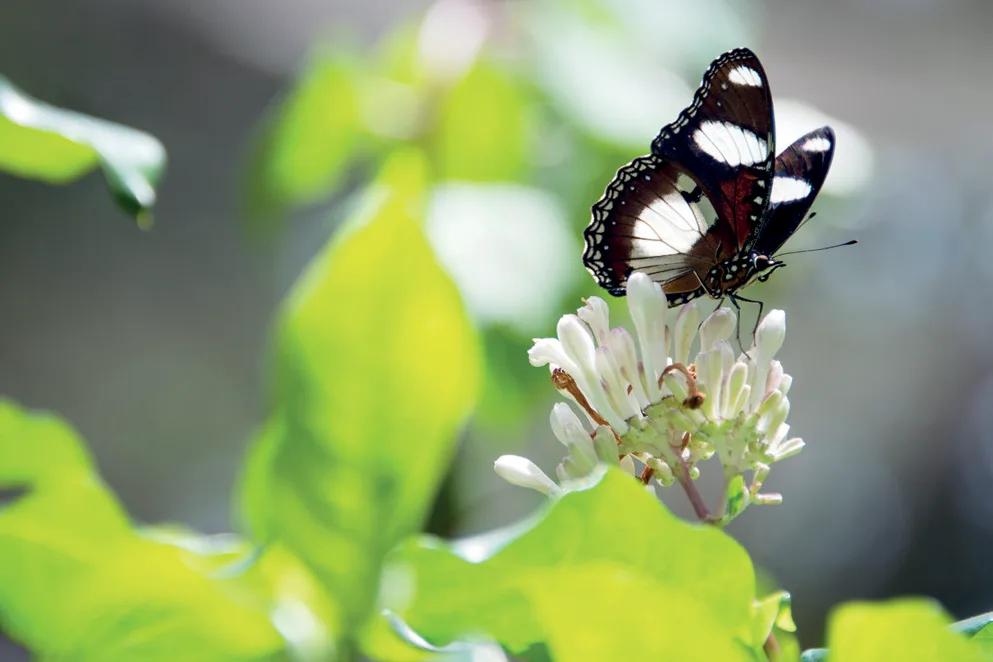
The Zanzibar Butterfly Centre, located near the village of Pete, was established to educate visitors, support local livelihoods and protect some of the island’s most delicate inhabitants. Walking into the enclosure feels a bit like stepping into a living kaleidoscope. Butterflies – big, small, shy and showy – float through shafts of tropical light, occasionally landing on your hand or hat as if to remind you that nature often rewards stillness with beauty.
This isn’t a zoo or a collection. It’s a working conservation project that depends on the care and curiosity of both locals and visitors. The centre focuses on three interwoven goals: education, conservation and sustainable farming. Every visitor plays a part, whether by learning about the intricate lifecycle of a butterfly or supporting the small-scale farmers who make it all possible.
Winging it

Butterfly farming may sound like a whimsical pursuit, but for many of the 40 families from the nearby village of Pete who participate, it’s a lifeline. By rearing pupae in carefully monitored environments, they supply the centre with butterflies for both conservation and education. The income earned helps send children to school and provides an alternative to cutting down forest trees for firewood or charcoal – one of the greatest threats to Zanzibar’s remaining woodlands.
The initiative has proven especially empowering for women. Many of them can farm butterflies while still caring for their families, creating a flexible and sustainable source of income. As one local farmer said, “It’s beautiful work. We protect something small and fragile, but it gives our children strength.”
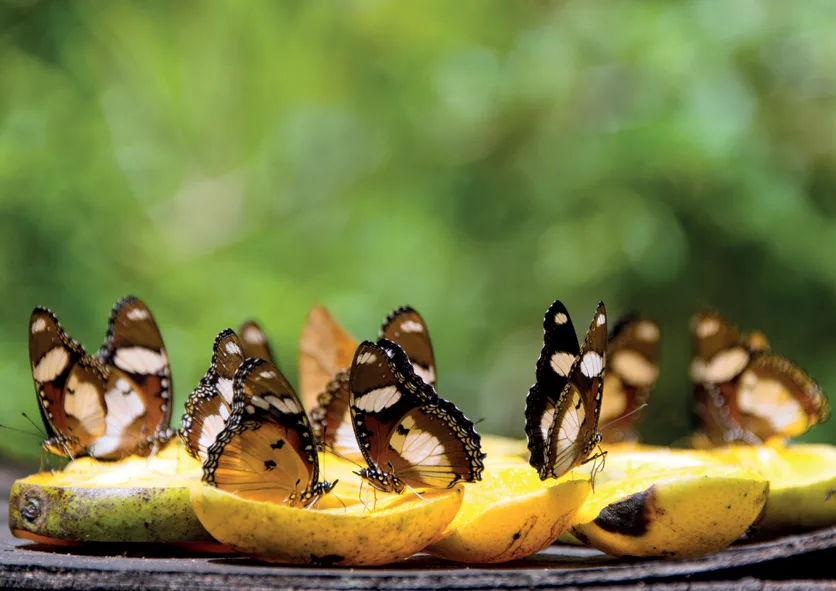
A visit here isn’t just about admiring pretty wings. The knowledgeable guides explain the symbiotic relationship between butterflies, plants and the forest ecosystem. The message is simple yet profound: conservation begins with understanding. When you see how each stage of a butterfly’s life depends on healthy vegetation and clean air, you begin to grasp the delicate web that connects all living things – including us.
Monkey matters

After a visit to the Butterfly Centre, take a short drive to the Jozani Chwaka Bay National Park, the island’s only national park and home to the endangered Zanzibar red colobus monkey.
Endemic to the island, these striking primates, with their russet coats, expressive faces and slightly comical tufts of white hair, have become the unofficial mascots of Zanzibar’s forests.
Seeing them up close is a privilege that carries its own quiet responsibility. The red colobus is critically dependent on the preservation of Jozani’s forest canopy, which has been under threat from farming and development. Conservation efforts have helped stabilise the population, but the balance remains precarious. Sharing the trees with them are the Sykes’ monkeys, another playful reminder that Zanzibar’s wild heart beats far from its beaches.
The forest itself feels almost primeval, a humid cathedral of mangroves, palms and giant ferns. Sunlight filters through the canopy like liquid gold, and every rustle carries the potential for discovery. Walking among these trees, you begin to understand that the island’s real treasure lies not only in its picture-perfect shores but in the fragile ecosystems that sustain life here.
Gifts that give back
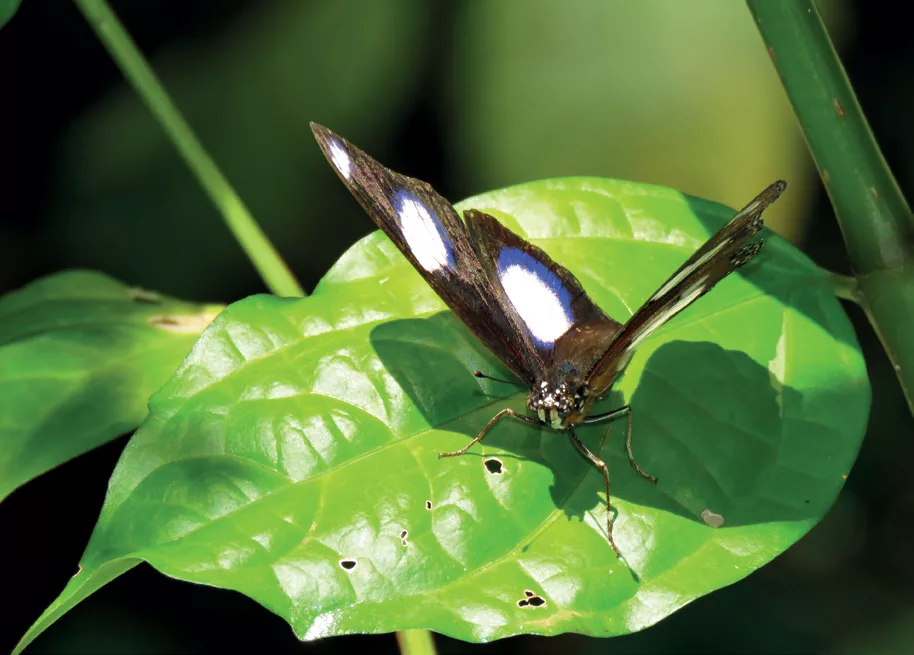
What makes places like the Butterfly Centre and Jozani Forest so vital is their blend of education and action. Visitors leave not only with beautiful images but also with a renewed sense of connection to the natural world. And for local communities, these projects demonstrate that conservation and commerce can coexist – that preserving the environment can, quite literally, put food on the table.
So yes, Zanzibar’s beaches are breathtaking, and its sunsets spectacular – but take the time to journey inland. Trade your flip-flops for walking shoes and your cocktail for curiosity.
You’ll come away with more than memories. You’ll leave with the understanding that beauty, true, lasting beauty, doesn’t just exist to be admired. It exists to be protected.
Text | David Batzofin
Photography | David Batzofin, O Terenteva and Ventura
For more information, go to zanzibarbutterfly.com and jozaniforest.com.