The new Kathmandu sees an ancient civilisation meet an edgy new vibe
Long romanticised as the gateway to the Himalayas, Kathmandu is more than a stopover for trekkers and mountaineers. It is one of Asia’s great cultural capitals, a city where 1,000 years of history breathe through every stupa (dome-shaped Buddhist monument), shrine and courtyard.
With more than 3,000 temples scattered across its valley, this is a place where Hinduism and Buddhism – two philosophies that have helped shape the world – have been entwined for centuries. Their union is etched into Kathmandu’s art, its architecture and the rhythms of its daily life.
Unlike many cities where heritage is preserved in static museums, Kathmandu’s 1,000-year-old civilisation remains alive. Stupas are encircled by pilgrims spinning prayer wheels, temples resound with morning bells, and bahals (the Newari – original inhabitants of the valley – courtyards) still host communal life. Every brick alley and intricately carved wooden window speaks of dynasties and artisans whose legacy continues, unbroken.
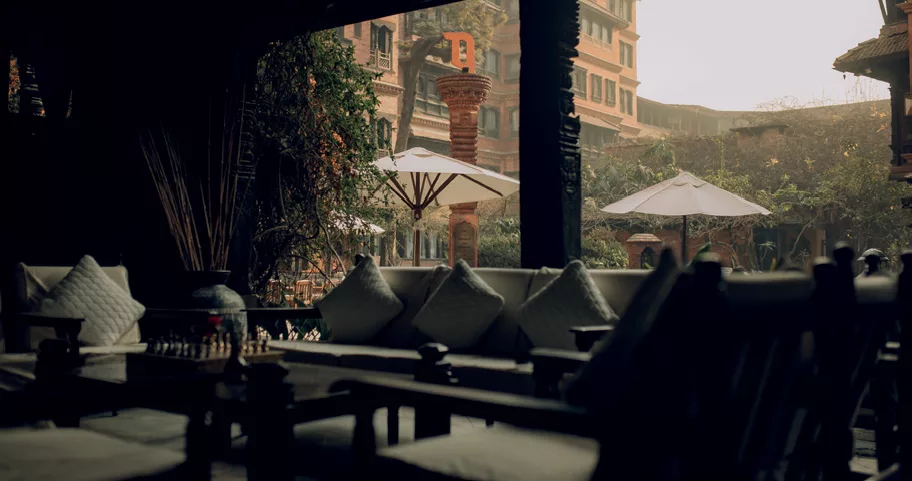
A striking example is Dwarika’s Hotel, where salvaged carved pillars and windows from old Newari houses have been restored and brought to life. The hotel’s courtyards feel less like a resort and more like a living museum – except here, history is not sealed behind glass but woven into the fabric of the lifestyle and meals. It is a reminder that in Kathmandu, the past is not a relic; it is a companion.
Fresh energy

Alongside this 1,000-year rhythm, a new beat is rising. Kathmandu is experiencing a creative renaissance. Ancient bahals, once home to monastic life, now pulse with art exhibitions and concept stores. Third-wave cafés buzz with young writers, while rooftop bars such as Barc serve Himalayan botanical cocktails overlooking the city.
This new generation of creators doesn’t reject tradition – they remix it. Bronze-casting techniques inspire contemporary sculptures of Ana Tersing Sherpa, a Nepali artist famous globally. Weaving patterns reappear in couture fashion of Jijivisha, a regenerative fashion brand. Recipes that once fuelled farmers – lentils, millet, wild greens – are being reimagined into fine dining worthy of global stages at Tusa. The effect is intoxicating: a city that feels raw, unpolished and utterly alive, carrying the bold, underground spirit of Berlin while remaining firmly rooted in the Himalayas.
Kathmandu wears its dual identity most vividly during its festivals. Indra Jatra, the city’s most dramatic street celebration, transforms Durbar Square into a theatre of gods and mortals, with masked dancers, towering chariots and hypnotic drums. It is centuries-old devotion that somehow feels modern in its energy, drawing locals and travellers alike into its whirlwind.
But even in the quiet weeks between festivals, the city hums with possibility. In one corner, an indie band plays inside a 17th-century courtyard. In another, young designers sketch in co-working lofts while incense drifts from a nearby shrine. Kathmandu embraces its imperfections – the crumbling walls, the chaotic streets – and somehow turns them into part of its creative charm.
Text and Photography | Supplied
For more information, go to dwarikas.com.