Gorgeous island is a spectacular retreat from the concerns of the world
The boundary of Lake Malawi National Park starts to become apparent when the lush roadside greenery begins to feature larger, more intact trees, as the locals don’t go into the conservation area for their firewood or timber.
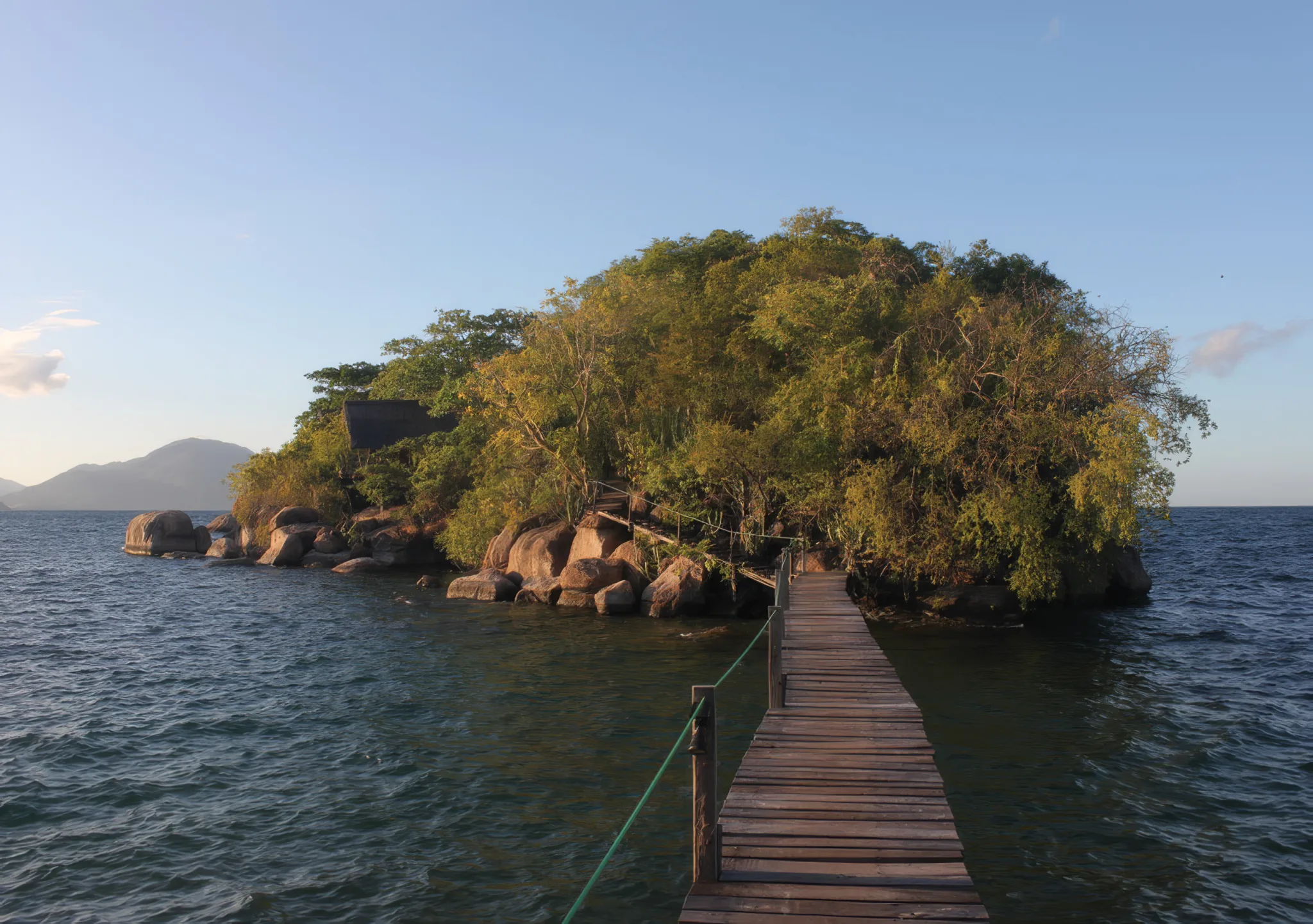
The village of Cape Maclear, a little further on, reintroduces human influence, an urban enclave that is both a traditional fishing village and a tourism hotspot featuring lodges, restaurants and bars. Refuel on tasty, unpretentious food – some combination of rice or nsima (maize porridge) and cassava leaves and fresh fish or chicken – at an eatery there before heading out on the water to experience something more distinctive: an island that’s uninhabited other than the staff at Mumbo Island Camp and its guests.
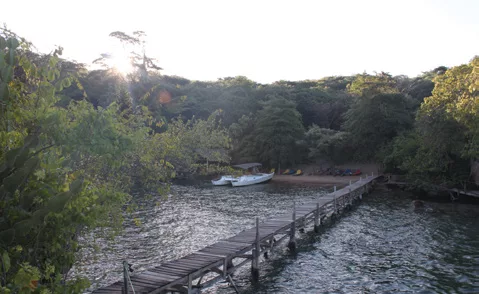
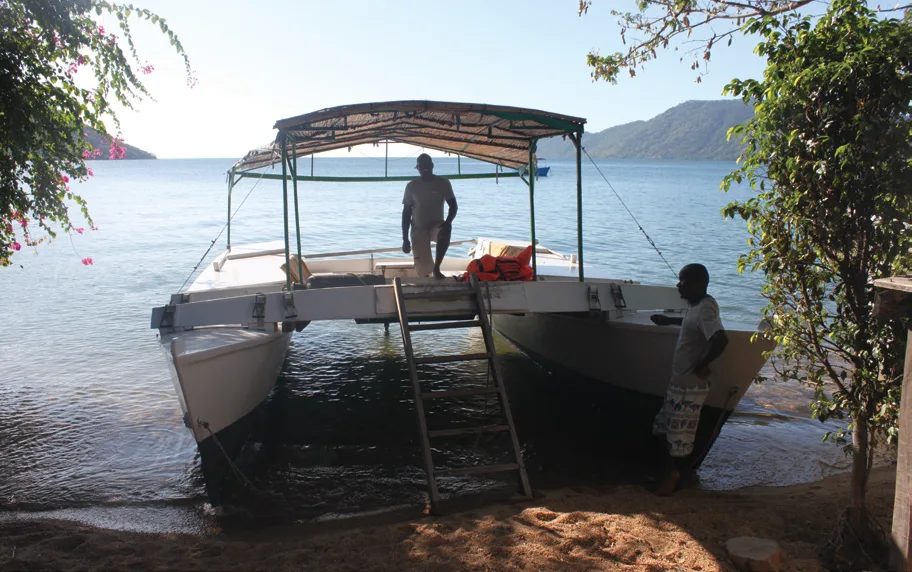
The departure point for that short transfer – Mumbo Island is 10km from the reception at Kayak Africa in the village – offers a first experience of Lake Malawi and just a hint of its immense size. Forty-five minutes on a comfortable catamaran reinforces the feeling of intense wildness as a couple of other islands featuring nothing more than foliage and birds pass by, and blue-green water extends all the way to the horizon. The approach to Mumbo builds expectations. First, a chalet or two poke through the vegetation at the top of a cliff before, rounding the headland into a narrow bay, the boat hones in on a beach with a snorkelling and kayaking centre on one end and a boardwalk above the water on the other.
If there’s still sunlight, you can drop your luggage, grab a snorkel and fins, literally fall face-down into the water and immediately see a couple of species of cichlids, the fish for which the lake is most zoologically famous.
Returning from the swim – and only then considering that lakes in Africa are generally home to large numbers of hippos and crocodiles and panicking slightly before being told that they don’t tend to venture this far from the shore – the next item of business is a sunset cruise around the back of the island. A pair of fish eagles hunts overhead as the mountains guarding the western edge of the lake are briefly and dramatically silhouetted as the sun clocks out for the day.
Quietly powerful
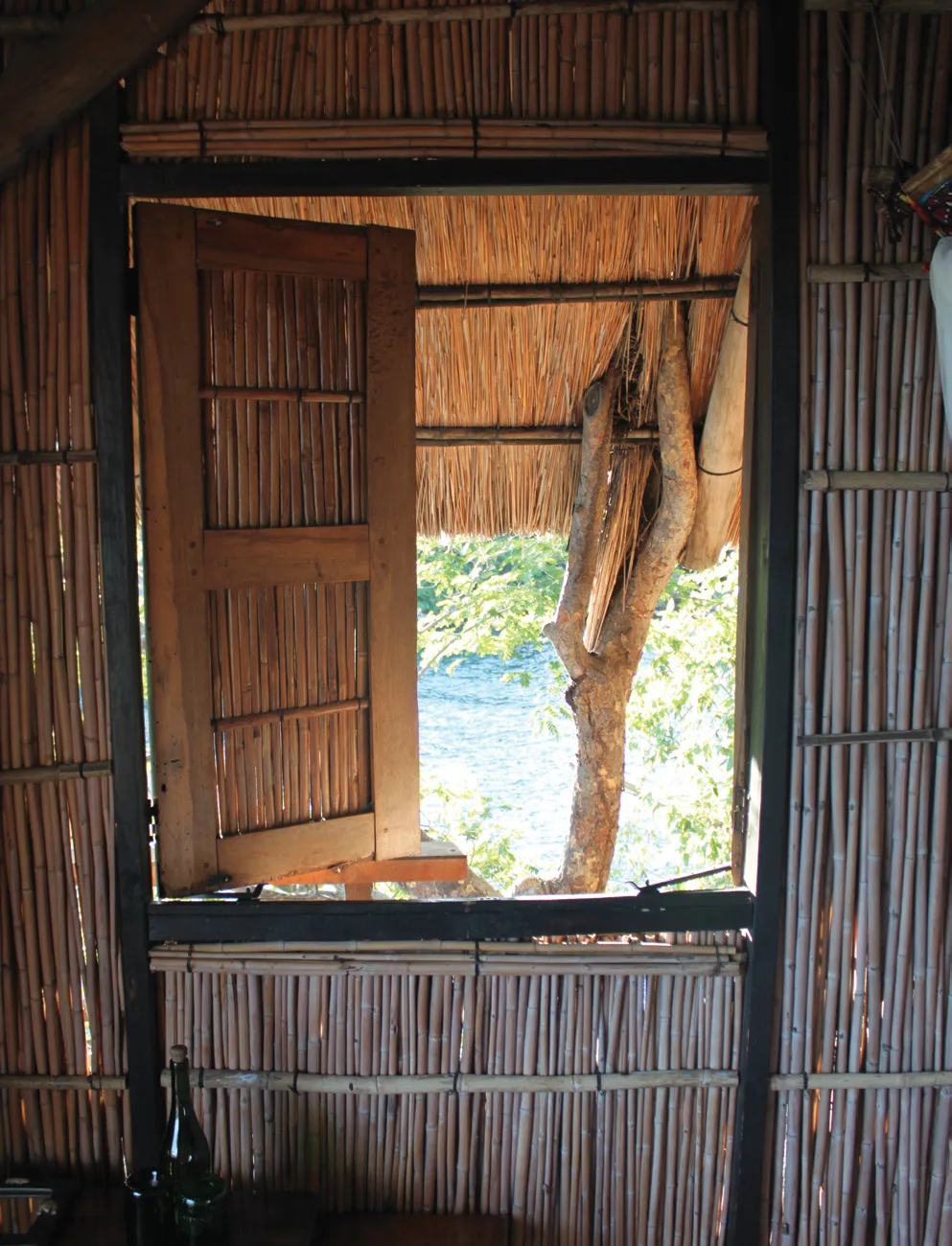
The bathroom adjacent to the reed-walled clifftop chalet (the latter weirdly warm and sheltered inside, even when a cool breeze is blowing) is walled largely by huge boulders, with a bucket shower topped up with hot water at a pre-arranged time. For all of the low-fi technology, it’s a brilliant system – you have a spectacular view while showering and will almost definitely run out of things to wash before the water runs out.
The general lack of electricity takes a bit of getting used to, with a central station for charging phones and small solar-powered batteries for a bedside lamp being the bulk of the power on offer. Being out of touch is not necessarily a bad thing, though it might be easier for you to deal with while cavorting in the waves or breathing in pure forest air than for your loved ones trying to get hold of you from (alleged) civilisation. With your phone now only useful as a camera, you are in many ways freed up to make the most of what you have here: complete privacy and safety and exceptional natural beauty.
One of the benefits of not having lights and screens everywhere is that, post-dinner (the cheesecake is extraordinary), the clear night sky is a spectacle that is almost impossible to achieve closer to a city. The whole of the Milky Way presents itself for examination, and the only thing marking the passing of time is the metronomic thud of waves on the beach below. Below the chalets, far away on the surface of the lake, the lights of fishing boats in which locals are trying to catch tomorrow’s meals twinkle gently, complementing the stars and making visitors question how the fishermen navigate in such inky blackness.
Stop and go
Beyond all the beach-related activities and the conscious appreciation of the tranquillity and soul-stillness of the place, something worth doing on a daily basis on Mumbo is exploring the island’s network of walking trails. None of the distances are particularly great – it’s a small piece of land – but it does get steep in places, and, what with wanting to stop regularly to appreciate the scenery and take photos, it’s certain that getting anywhere quickly should not be a priority.
All around the island are spectacular vistas and viewpoints, and places to stop and take in the splendour all around. Two of the best take visitors high (Fig Tree Rock) and low (Impipi Bay). The first will make you feel like the captain of a ship, standing on the prow of his vessel, with everything before you and every direction the route to somewhere magical. The second is a secluded strip of rocks and pebbles with a shaded sandy area above it in which to dry off after a dip. These and other spots are purpose-built to lie in the sun or under a tree with a book and rediscover how to turn off or, at least, how to lower the volume all the way down.
Between those pauses, exercise – on the short hikes (with some added adrenaline after a brief snake sighting), on a kayaking excursion or in the water (with or without a snorkel) – will help build an appetite for the fine food and the warmth and care that comes with its preparation. It’s a fine cycle – repeat it often before heading back to the mainland.
Text and photography | Bruce Dennill
For more information or to book a stay, go to mumboisland.com and malawitourism.com.