Magnificent mountains are the calling card in beautiful conservation area
Heading west out of Hoedspruit, the cliffs of the northern Drakensberg quickly become the landmark feature of the area to the extent that, when passing through plantations of green trees, it’s easy to imagine yourself in Franschhoek. The Cape Vulture Nature Reserve extends from the road up the slope, where two old farms were combined to create a conservation area.
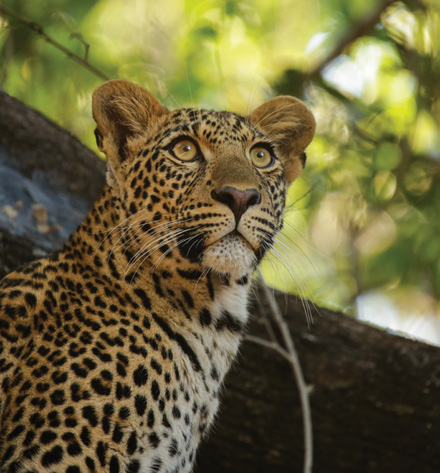
There are no predators bar the occasional itinerant leopard – they don’t respect boundaries but keep to themselves – so it’s safe, on this property, to walk and cycle or to take a short safari vehicle drive up to a viewpoint where the reserve’s magnificent namesake birds can be clearly seen, their nests marked by ragged trails of guano.
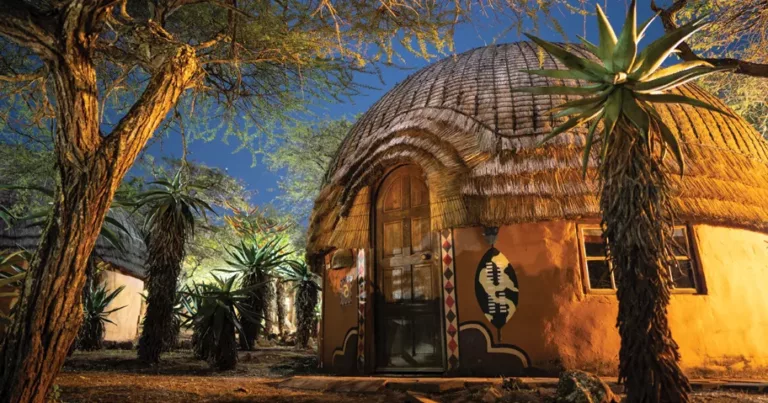
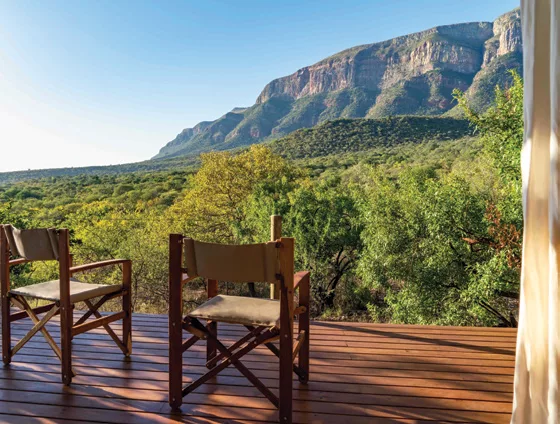
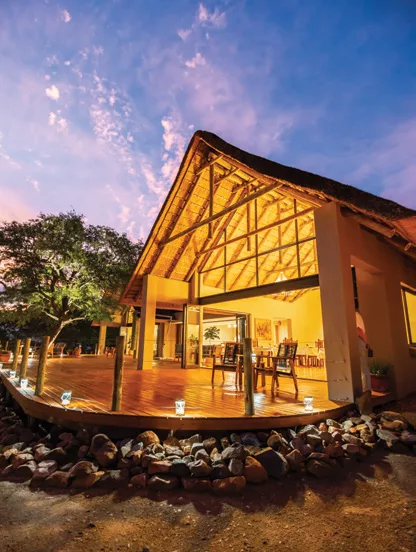
The cliffs and the vultures are the undeniable stars here, and the accommodation reflects that, with spacious, comfortable safari tents spread out in a fan in front of the main lodge, which is large, all clean lines and a richly shaded wooden deck. All these structures face towards the mountain, maximising a view it’s impossible to get tired of.
Interaction with nature is a staple of safari holidays, but the vision here is to do things differently – physically and intellectually – to get out and go somewhere under your own steam or to go and join the team in the permaculture centre near the gate, where beautiful gardens, vegetable patches and excellent facilities display the fruits of research and work geared towards making agricultural practices sustainable and more efficient.
Winging it
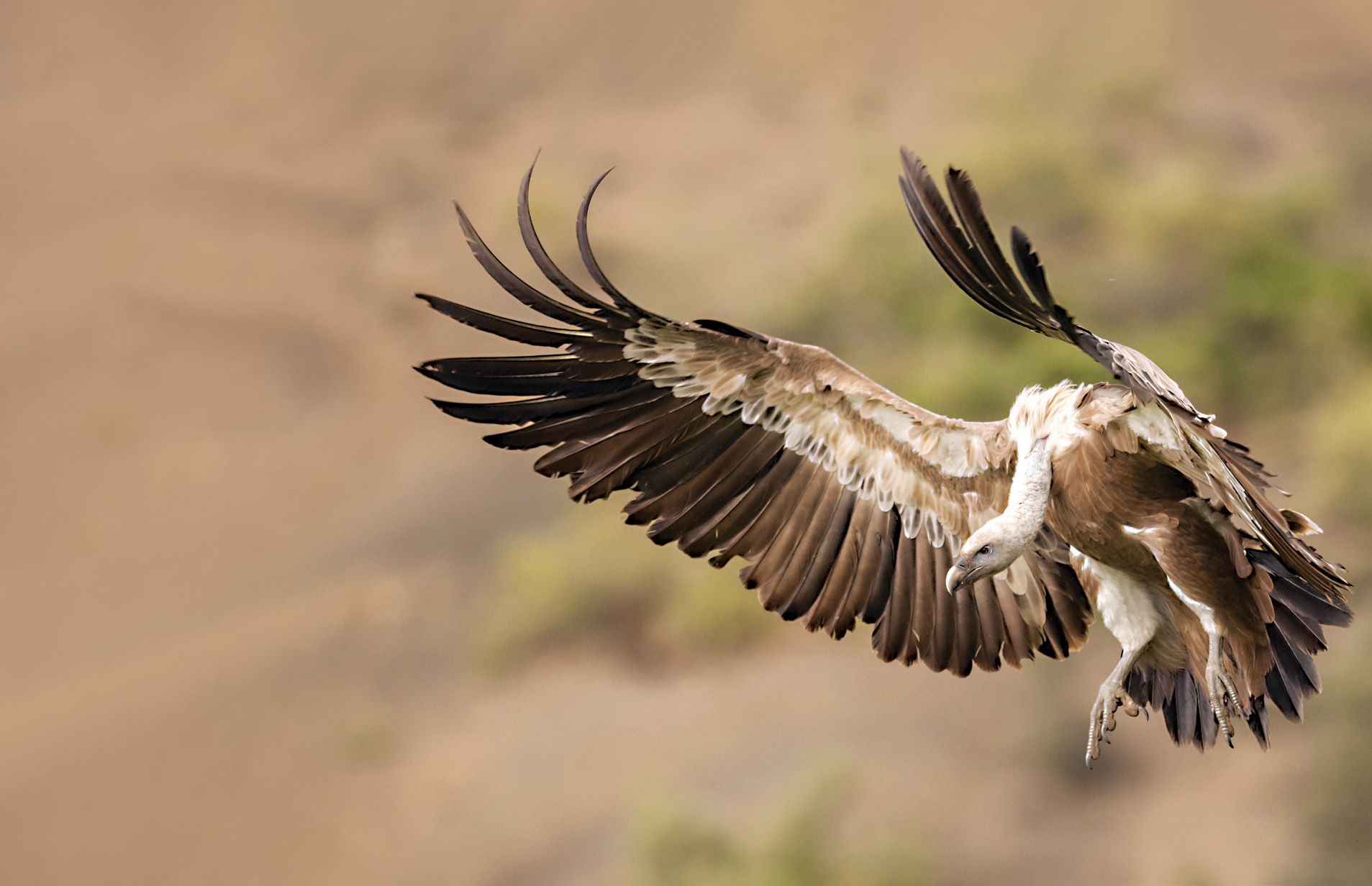
On the way to the viewpoint below the cliffs, a stop at the reserve’s ‘vulture restaurant’ reveals where the birds take their partners for a tasty giraffe femur on special occasions. The hide alongside the dining area is superbly camouflaged, with layers of thorn tree branches screening a viewpoint from which the action – Cape vultures feasting on whatever carcass is available, as well as the ungainly landing of birds descending from soaring altitude – can be seen. At 14kg and with wingspans often exceeding 2.5m, it takes a while to stop on the ground, involving a stumbling run. And the spectacle is given further texture through the strange sounds the vultures make – scream-like calls, at once shrill and oddly quiet – in their excitement.
The viewpoint higher up requires a 4×4 to get to, positioning visitors right under the towering escarpment, daubed rich red by the low sun. Binoculars and a small telescope are provided, allowing for sharply focused, close-up viewing of the dozens of vultures circling high above the staggered peaks before landing on ledges that look impossibly thin to support the nests of such bulky birds. The scale of the colony is astounding, especially given that many of the gorges and folds in the rockface aren’t visible from this perspective.
On the opposite horizon, the sunset is spectacular, seeming to last longer because of the elevation of the vantage point.
Guests are advised to shower before dinner, as waiting gives the solar-heated water time to cool down. It’s a strategy that is immediately proved sound as a luxuriously hot stream washes away the dust of the drive. A bonfire in the sunken boma, with logs burning in a globe-shaped brazier, is inviting both before and after a delicious three-course dinner, with both the dining room and the bonfire area excellent spaces to get to know fellow travellers over a drink or two.
A sharp breeze comes up around bedtime, causing the tent’s canvas roof to creak, giving the feel of camping without the cramped space or exposure to the elements.
Walk and wonder

In the morning, the huge plain below the lodge lights up slowly thanks to an expansive, no-obstacles sunrise. It’s a spectacle that makes you want to get up and get out. A nature walk in a game reserve is a different proposition when the chance of encountering something aggressive is low, as it is here. There is time to dawdle and take in the atmosphere as well as the details of the landscape around you. The slopes of most of the trails are steep, unsurprisingly, but there is no rush, so you can stoop to examine the spoor of baboons, leopards, various antelope, zebras and the occasional giraffe.
The trailhead of the Baobab Trail is some distance from the lodge, giving walkers a fair workout by the time they begin the hike. The trail is easy to walk on but subtle, hardly bothering the soil or surrounding vegetation. The first section heads upwards to Big Rock, an imaginatively named boulder that separated from the cliffs above millennia before and that now provides a striking viewpoint for guests agile enough to clamber to the top. From there, you can peer across the now brightly lit plains as you catch your breath.
Nearby, the baobab that gives the walk its name is mercifully unmarked by vandals and their pocket knives. Beyond that, a column of giant ants crosses the path on their way down the hill. They command the respect of all the guests – get too close and you might become the object of their investigation.
Meals, then wheels
After a revitalising breakfast, there is an offer for either lunch or high tea. This is a pleasing option for regular safari travellers used to getting both and then needing to somehow roll into the vehicle for an afternoon drive.
A further escape from the threat of holiday bloating is offered through cycling through the reserve. Beginning at the permaculture centre, the ride begins on flattish terrain, providing a psychological boost for part-timers who have noted the general slope of the property. It’s also possible to hire an e-bike, on which the battery-powered engine can help keep the outing fun and easy and maximise enjoyment of the spectacular surroundings. Not being reduced to wheezing like an ancient Bulldog means you can also get close to impala and other wildlife, fostering a connection to nature that should make this activity a no-brainer addition to your itinerary.
Text | Bruce Dennill
Photography | Supplied
For more information or to book a stay, go to capevulturelodge.co.za.