
Rain renews enormous area of natural beauty, offering rich rewards for visitors
For a brief period, the famously rocky red desert of north-west Namibia was painted in shades of green. After the first significant rain in many years, grass started growing in places that looked lifeless just a few weeks earlier. This startling resurrection promises hope for the resilient people and the desert-adapted wildlife that call this mountainous landscape home.
Desert ecosystems are known for their ‘boom-and-bust’ cyclical patterns of rain and abundant life, and drought and survival. The plants and animals in this region have adapted to be ready to grow, flower and breed at the first signs of a good rainy season, making the most out of the fleeting favourable conditions. Local pastoralists similarly find ways to survive during years of drought and try to rebuild their herds as soon as conditions allow.
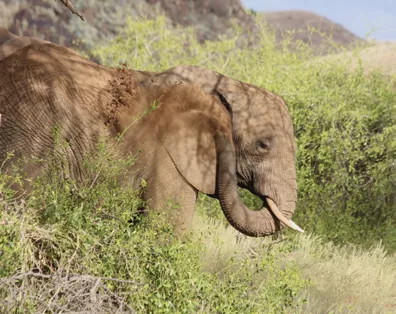
While the grass turns from vibrant green to tawny yellow, this season is a great time to visit the north-west of the country and see this ecological resurrection first-hand. Antelope like springbok, gemsbok (oryx) and kudu respond relatively quickly by giving birth soon after the rains, while the slower-breeding giraffe, elephants and rhinos have greater success in raising their calves in good rainfall years. The desert-adapted lions and other predators usually benefit from the rebounding wildlife numbers a year or two after an exceptional rainy season, but they will certainly be on the prowl for prey until then.
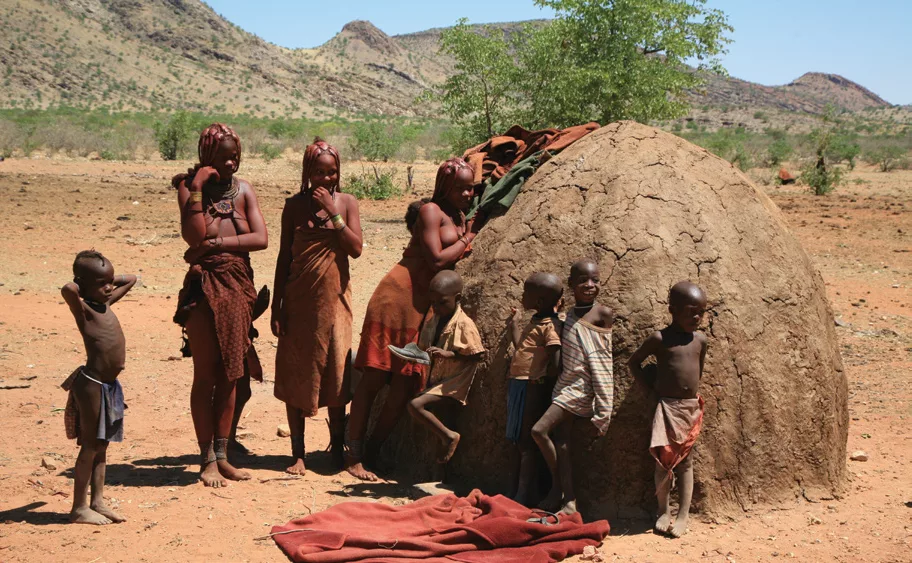
Like the predators, the local people may take some years to recover from the severe multi-year drought. Many of the Ovahimba people living here have been reduced from proud cattle owners to trying to keep small flocks of goats and sheep alive. Jobs and income from the tourism industry have become a vital means of survival, as tourists explored the region even during the height of the drought to appreciate its stark splendour.
Endless wilderness
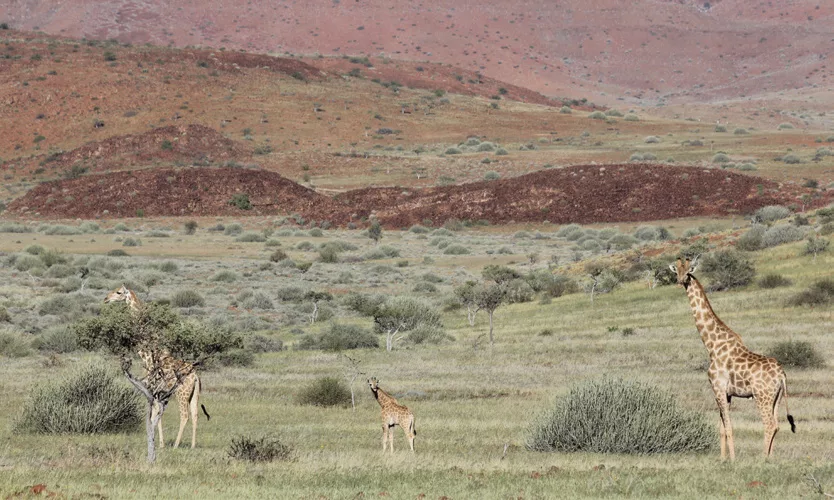
This remote corner of Namibia has attracted adventure-seekers for over a century, many of whom were no doubt amazed to encounter the Ovahimba and their cattle living alongside lions, elephants and rhinos. The ability to adapt and even thrive in what appears to be a harsh and unforgiving desert gives the adventurer pause for thought and a new appreciation for life. While the region is far more accessible today than at any time in history, the sense of wonder and discovery among modern-day adventurers remains.
The sheer extent of the Kunene Region of north-western Namibia, at over 100,000km², along with its reputation as a 4×4 enthusiast’s paradise, may make visitors hesitant to venture into its wilderness. While the patchy cell reception and isolated campsites are exactly what we need to unplug ourselves from the digital world and reconnect with nature, they also pose potential hazards. Getting two flat tyres on one day – not unheard of on these roads – could turn an epic adventure into a stressful nightmare.
Joining a group tour with a set itinerary is one way of increasing the safety of a trip to this region, yet by their nature, these tours have limited flexibility and cover very little of this vast area. Similarly, cultural exchanges with tours run by foreign guides may be shallow and brief – little more than awkward greetings and curio sales.
Since the Kunene Region as a whole does not fall within the bounds of a national park, there are fewer restrictions on what tourists can do in the area than in Etosha, for example. This freedom can unfortunately be abused when self-drive tourists camp and drive in places they should not.
Be sensitive
‘Wild camping’, where you pitch your tent anywhere you want, can be disturbing for wildlife and dangerous for the campers. Pitching a tent in the middle of a dry riverbed looks like a good idea during the day, yet camping in these wildlife highways puts you in the path of elephants and lions. Sadly, each time a tourist has been killed as a result of wild camping, the animal has also been put down – a tragedy for all involved.
Off-road driving is a similar issue that damages the environment, reduces the enjoyment of other tourists and could be dangerous. Off-road tracks leave lasting scars on the landscape that damage plants, kill small animals and generally detract from the beautiful landscape. If you don’t know the area, you may unwittingly follow someone else’s off-road tracks, making the damage more permanent. Straying off the beaten track has placed tourists in danger if they encounter vehicle problems – search parties may go for several days without finding lost tourists in this wilderness.
Consider booking a safari with experts who know the region and are fully prepared, including in terms of being culturally and environmentally sensitive. If you choose to drive yourself, use the main roads and stay at designated campsites or lodges. By doing so, you will contribute to conserving the region and supporting local livelihoods, while staying safe and preserving this beautiful wilderness.
The desert of north-west Namibia has an alluring, austere beauty. As rare flashes of green fade to yellow and red, the resilient people and animals living here start their own cycles of rebirth and rebuilding. This time of renewal and hope sets the tone for adventures into north-west Namibia that will leave you refreshed and rejuvenated.
Text | Gail Thomson
Photography | Gail Thomson and supplied
For more information about Conservancy Safaris Namibia and Etaambura Lodge, go to conservancysafarisnamibia.com.