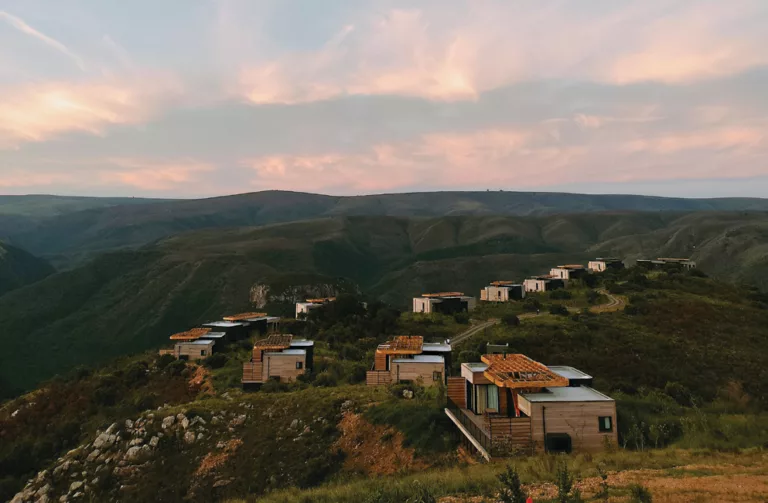

Variety is preferable to predictability for many people on the road for work
The Luxury Travel Report 2025 has identified a fascinating shift in traveller preferences: the rejection of what it calls ‘beigeification’ – that creeping sameness that has gradually homogenised hotel experiences worldwide.
Step into a typical hotel room today, whether in Bangkok or Birmingham, and you’re likely to encounter the same neutral palette, predictable artwork and standardised amenities. While this uniformity once promised reliability, today’s travellers increasingly crave something more vibrant.
Driven by brand standardisation and Instagram’s obsession with sameness, this trend has left modern hotel rooms looking eerily identical the world over. But luxury travellers have started to push back. Around 70% of premium travellers surveyed say today’s hotels have ‘lost their soul’, while nearly three-quarters say they won’t pay for ‘generic luxury’ anymore.
This evolution isn’t just reshaping leisure travel; it offers valuable insights for corporate travel programmes seeking to energise their approach. Business travel should be a reward – a chance to grow, connect and recharge. Strip away all personality and sense of place from where people stay, and the experience loses meaning.
Research published in the International Journal of Hospitality Management backs this up. A study reveals that hotel aesthetics directly impact guest emotions and satisfaction. The research found that elements like room design accounted for over 10% of what guests valued most.
For road warriors logging multiple trips per month, these environmental qualities make a real difference in how they perform. As the study notes, lifestyle hotels that blend business and leisure by offering high-end lodging with distinctive character cater perfectly to today’s business travellers.
New priorities
Traditional corporate hotel programmes have long prioritised consistency and cost control. Those elements still matter, but companies need to move beyond basic beige boxes. The goal isn’t abandoning practicality but enhancing it with purpose.
Some hotels are already setting the standard. The Detroit Foundation Hotel has transformed a 1929 firehouse into a bold, story-rich space that doubles as a creative hub. The Ace Hotel in New York integrates local artists into its cultural programming, offering a stay that mixes business with immersion. In Bangkok, the Waldorf Astoria weaves traditional Thai elements into its interiors – elegant bronze screens and layered textures that create a distinct sense of place. These properties show what’s possible when spaces reflect context and character. It’s not about extravagance; it’s about experience. Small touches can shift a stay from forgettable to feel-good.
For travel managers, this presents an opportunity to refresh programmes with intention. Expand preferred hotel options to include properties that offer both reliable service and distinctive character. Ask frequent travellers which environments help them feel most productive. Build flexibility into policies that acknowledge personal preferences while maintaining appropriate parameters – all of these are excellent policies.
Companies can also leverage travel management company partnerships to access a broader range of accommodations at negotiated rates. Don’t wait for travellers to demand change. Proactively redesign hotel programmes to balance cost control with quality experiences.
As younger generations enter the workforce with heightened expectations for meaningful experiences, corporate travel needs to evolve.
Text | Herman Heunes
Photography | Kamil Macniak
Herman Heunes is General Manager at FCM. For more information, go to fcmtravel.co.za.